
ADU Regulations at a Glance
Vancouver ADU Rules & Regulations
ADU Rules & Regulations in Vancouver, Washington
Homeowners in Vancouver, in Clark County build ADUs under a mix of Washington state law and local Vancouver standards. Here's how the rules apply to your property.
- Maximum size: at least 1,000 square feet (cities must allow this minimum under HB 1337).
- Permit timeline: Reviews generally take typically 60 to 120 days depending on the jurisdiction in Vancouver.
- Parking: Cities cannot require off-street parking for ADUs within a half-mile of major transit.
- Owner-occupancy: Owner-occupancy requirements are prohibited under HB 1337.
- Setbacks: Local setback rules apply; 4–5 feet is common for detached units in Vancouver.
Vancouver Local Considerations
- Design review standards and any applicable overlay or historic zones
- Utility connection and impact fees charged by Vancouver and Clark County
- Fire access and defensible-space requirements for your lot
- Height limits near property lines for detached and above-garage units
ADU Rules in Washington
ADU regulations in Washington vary by municipality. Key factors to research for Vancouver include:
- Zoning districts where ADUs are permitted
- Maximum ADU size and height limits
- Setback requirements for detached structures
- Owner-occupancy requirements, if any
- Parking requirements for new ADUs
Contact your local planning department in Vancouver for the most current ADU regulations and permit requirements.
This information is for informational purposes only and does not constitute legal advice. Consult a qualified attorney for legal guidance.
Washington State ADU Rules
Washington ADU Law as It Applies in Vancouver
ADU projects in Vancouver sit on top of Washington's statewide legal framework. The following state rules shape what you can build locally.
- HB 1337 requires Washington cities to permit ADUs and sets minimum standards they must allow.
- Cities must allow units of at least 1,000 square feet (cities must allow this minimum under HB 1337).
- Cities cannot require off-street parking for ADUs within a half-mile of major transit.
- Owner-occupancy requirements are prohibited under HB 1337.
Because Washington sets these minimums statewide, Vancouver homeowners can count on a consistent baseline for their ADU project.
About Vancouver
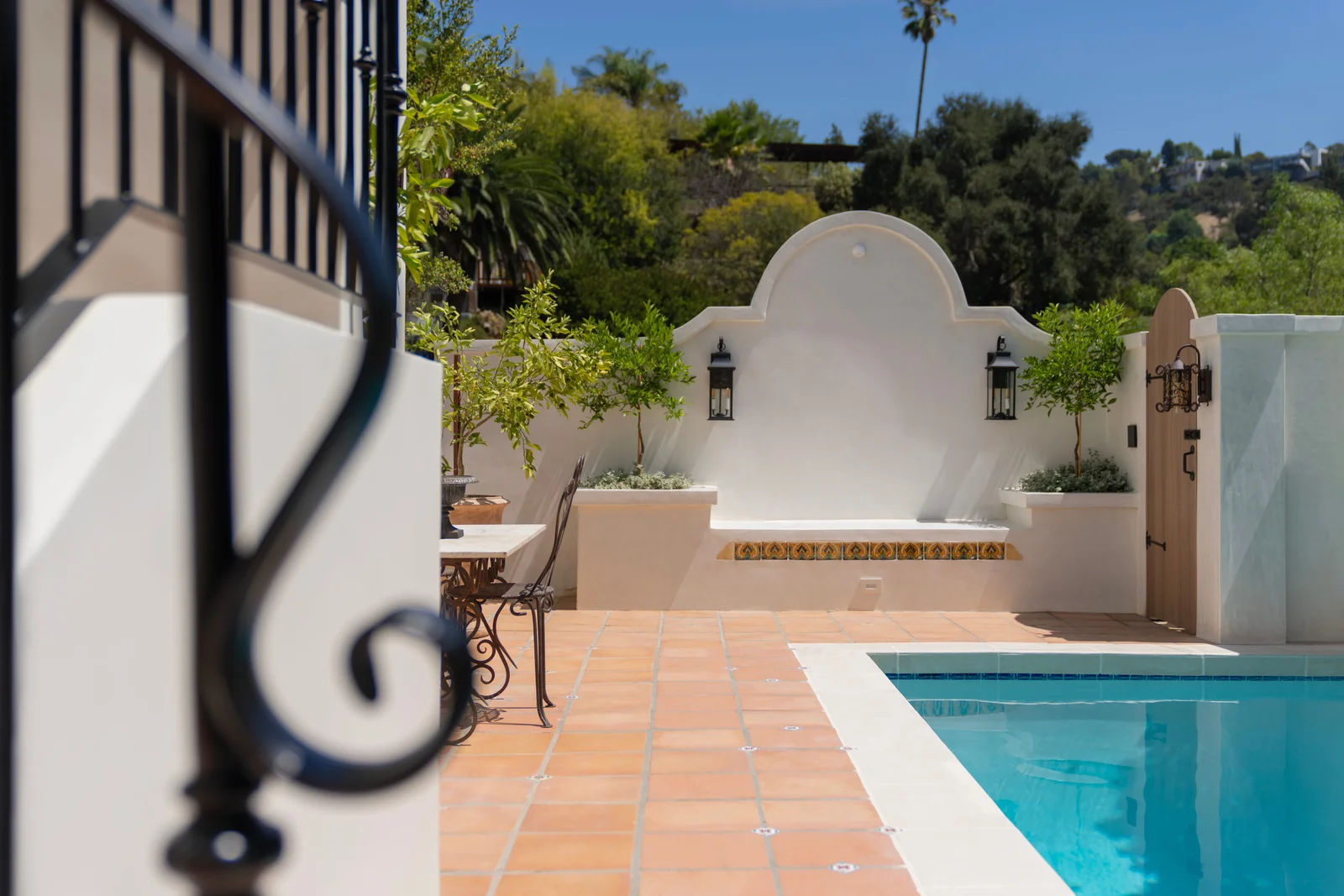
Located in Washington, in Clark County, Vancouver is a large metropolitan community, where approximately 199,600 people live. Housing needs here mirror the broader Washington market, where added living space is increasingly valuable.
The tight housing supply that defines much of Washington makes ADUs an appealing option for Vancouver property owners. From multi-generational living to passive rental income, an ADU can serve several purposes over its lifetime on a single Vancouver lot.
In Vancouver, the numbers make ADUs compelling. Studios in the area rent for approximately $1,450, one-bedroom ADUs near $1,800, and two-bedroom units around $2,450, depending on size, finishes, and exact location. On top of monthly income, a permitted ADU typically adds meaningful resale value to the property.
Washington has worked to make ADUs easier to build, and that benefits Vancouver homeowners directly. In Washington, the maximum ADU size is generally at least 1,000 square feet (cities must allow this minimum under HB 1337), permits move on typically 60 to 120 days depending on the jurisdiction, and cities cannot require off-street parking for ADUs within a half-mile of major transit. Local building-department specifics still matter, which is where experienced guidance pays off.
GatherADU guides Vancouver homeowners through the entire process — feasibility, design, engineering, permitting, and construction. Whether you're weighing a garage conversion or a detached backyard home, we can tell you what's possible on your lot.
More About Vancouver
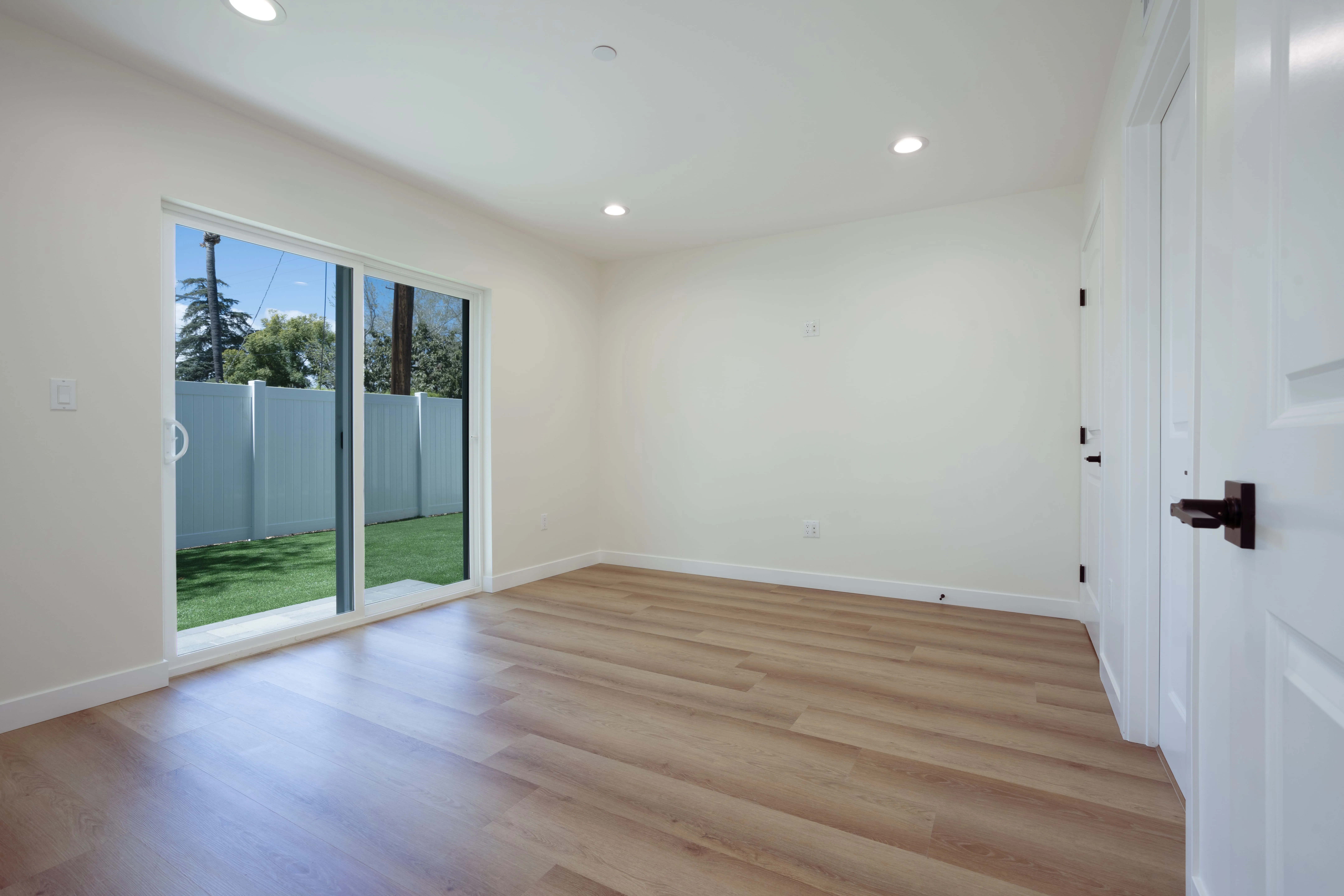
Building an ADU in Vancouver
There is no single "best" ADU for Vancouver — the ideal approach depends on your specific property and priorities. Options range from budget-friendly garage conversions to premium detached cottages, with attached and above-garage units filling the middle of the range.
Budgeting for a Vancouver ADU starts with the build type. Expect roughly $100,000–$180,000 for a garage conversion, $150,000–$300,000 for an attached unit, and $200,000–$400,000 for detached new construction. Weighed against the rental income an ADU generates in Vancouver, these projects often pencil out well.
Vancouver Permits & Regulations
Vancouver follows Washington ADU standards, which generally allow units of at least 1,000 square feet (cities must allow this minimum under HB 1337), review permits on typically 60 to 120 days depending on the jurisdiction, and provide that cities cannot require off-street parking for ADUs within a half-mile of major transit. Local overlays, design review, and utility connection requirements in Vancouver add another layer worth understanding before you design.
Why Vancouver Homeowners Choose GatherADU
Our Vancouver clients rely on us to carry a project from idea to certificate of occupancy. From the first site visit through design, engineering, permits, and construction, one team stays accountable for the outcome. Schedule a free Vancouver ADU consultation or call (323) 591-3717 to get started.
Book Your Free Vancouver ADU Consultation
Find out exactly what you can build on your property, estimated costs, and potential rental income.
Types of ADUs You Can Build in Vancouver
Many municipalities allow several types of accessory dwelling units on residential properties. Understanding your options helps you choose the best approach for your property and goals.
Detached ADU
A standalone structure built separately from your main house, typically in the backyard. Detached ADUs offer maximum privacy for both homeowners and tenants, with their own entrance, walls, roof, and complete living facilities. Size and height limits for detached ADUs in Vancouver are set by local zoning — your planning department or a feasibility study will confirm what fits your lot. This option provides the most flexibility in design and placement, though it typically costs more than conversions due to new construction requirements.
- Max Size: 1,000+ sq ft allowed
- Height: Up to 24 ft
- Setbacks: Varies by city
- Best For: Maximum rental income, privacy
Attached ADU
An addition built onto your existing home, sharing at least one wall with the primary residence. Attached ADUs are often more cost-effective than detached units because they can leverage existing foundation, roof structure, and utility connections. They work well on properties with limited backyard space or where you want to minimize the visual impact of new construction. Many homeowners choose attached ADUs for aging parents who want proximity while maintaining independence.
- Max Size: 1,000+ sq ft allowed
- Height: Matches main home
- Setbacks: Same as main structure
- Best For: Limited lot space, family housing
Garage Conversion ADU
Transform your existing garage into a complete living space. Garage conversions are often the most affordable ADU option in Vancouver because the basic structure already exists. You save on foundation, framing, and roofing costs while creating a valuable rental unit or family living space. Most garage conversions result in studios or one-bedroom units ranging from 400 to 600 square feet.
- Typical Size: 400-600 sq ft
- Timeline: 3-5 months typical
- Cost: 30-50% less than new construction
- Best For: Budget-conscious, quick timeline
Junior ADU (JADU)
A smaller unit of up to 500 square feet created within your existing home's footprint, typically by converting a bedroom, basement, or attached garage. JADUs must include a cooking facility (at minimum, a sink, counter, and small appliance outlet) but can share a bathroom with the main house. JADU-style conversions are a California concept, but many Washington cities allow similar small interior conversions — check local rules for Vancouver.
- Max Size: 500 sq ft
- Location: Within existing home
- Requirements: Owner-occupancy required
- Best For: Minimal construction, family use
Above-Garage ADU
Build a new living unit above your existing or new garage structure. This two-story approach preserves your parking while adding living space above. Height allowances for above-garage ADUs in Vancouver depend on local zoning and distance from property lines. This option is particularly popular in neighborhoods with narrow lots where backyard space is limited. The elevated position often provides better views and natural light than ground-level units.
- Max Size: 1,000+ sq ft allowed
- Height: Up to 24 ft
- Parking: Preserved below unit
- Best For: Limited lot space, maintaining parking
Basement Conversion
Properties with existing basements can convert that space into an ADU. Basement conversions require proper egress windows, adequate ceiling height (at least 7 feet in habitable areas), and may need waterproofing and ventilation upgrades. When properly executed, basement ADUs provide naturally cool living space and complete separation from the main home's daily activities.
- Max Size: Existing footprint
- Requirements: Egress, ceiling height
- Benefits: Cool temps, full separation
- Best For: Existing basements only
Complete ADU Services in Vancouver
From initial feasibility analysis through final inspection, we handle every aspect of your ADU project. Our Vancouver-focused approach ensures your project meets all local requirements while maximizing value.
Feasibility Analysis
We begin every project with a comprehensive analysis of your property's ADU potential. Our team reviews your lot size, zoning, setbacks, utility connections, and neighborhood context to determine what you can build. In Vancouver, this includes understanding any overlay zones, historic district requirements, or other local factors that might affect your project. You receive a detailed report showing your options, estimated costs, and potential rental income before committing to design work.
- Property zoning verification
- Setback and lot coverage analysis
- Utility capacity assessment
- Cost and ROI projections
Design & Architecture
Our design team creates ADU plans tailored to your property and goals. Whether you want a modern studio for maximum rental income or a two-bedroom unit for family members, we design spaces that work. We understand Vancouver architectural context and create designs that complement existing homes while meeting all building code requirements. Every design includes structural engineering, Title 24 energy compliance, and all documentation needed for permits.
- Custom floor plan development
- 3D renderings and visualizations
- Structural engineering
- Energy compliance documentation
Permitting & Approvals
Navigating Vancouver permitting can be complex, but we handle it all. Our team prepares complete permit applications, manages plan check submissions, and coordinates with building department staff to address any comments or corrections. We track your application through the approval process and keep you informed of progress. Our experience with Vancouver regulations helps avoid common pitfalls that delay other projects.
- Complete permit application prep
- Plan check management
- Building department coordination
- Permit tracking and updates
Construction
Our licensed construction team builds your ADU with quality materials and skilled craftsmanship. We handle all aspects of construction including foundation, framing, electrical, plumbing, HVAC, insulation, drywall, flooring, cabinets, and finishes. Throughout the build, we coordinate required inspections, manage subcontractors, and keep you updated on progress. Our goal is delivering a finished ADU that exceeds your expectations while respecting your timeline and budget.
- Licensed general contractor
- Quality materials and finishes
- Inspection coordination
- Project management and updates
Interior Design
A well-designed interior maximizes both livability and rental appeal. Our interior design services help you select finishes, fixtures, and colors that create appealing spaces within your budget. We offer curated finish packages at different price points, or work with you to customize selections. From kitchen layouts that maximize counter space to bathroom designs that feel spacious, we sweat the details that make small homes work beautifully.
- Finish and fixture selection
- Space planning optimization
- Curated design packages
- Custom interior options
Financing Guidance
We help connect you with financing options suited to your situation. Many Vancouver homeowners use home equity, construction loans, or specialized ADU financing products to fund their projects. We can introduce you to lenders experienced in ADU financing and help you understand options including cash-out refinancing, HELOCs, and construction-to-permanent loans. While we're not lenders ourselves, our guidance helps you navigate financing decisions confidently.
- Financing option overview
- Lender introductions
- ROI and cash flow projections
- Budget planning assistance
How We Build Your Vancouver ADU
Our streamlined process takes you from initial concept to move-in ready ADU. Here's what to expect at each stage of your project.
Free Consultation
We start with a free consultation to understand your goals, assess your property, and explain your options. This can happen via phone, video call, or an in-person site visit in Vancouver. You'll learn what you can build, approximate costs, and timeline expectations.
Feasibility Study
Our team conducts a thorough analysis of your Vancouver property. We verify zoning, calculate setbacks and lot coverage, assess utility connections, and identify any site-specific considerations. You receive a written report with your ADU options.
Design Development
Working with our architects and designers, you'll develop floor plans, select exterior styles, and make finish selections. We create 3D renderings so you can visualize the finished ADU before construction begins.
Permitting
We submit your complete permit application to Vancouver and manage the entire approval process. This includes responding to plan check comments and coordinating with building department staff through to permit issuance.
Construction
With permits in hand, construction begins. Our crews work efficiently while respecting your property and neighbors. For a typical Vancouver ADU, construction takes 4-6 months. You'll have a dedicated project manager throughout the build.
Walkthrough & Move-In
We conduct a detailed walkthrough, demonstrate systems and appliances, and address any punch list items. Once final inspections are complete, you receive your certificate of occupancy. Your new Vancouver ADU is ready.
ADU Costs in Vancouver
Understanding ADU costs helps you plan realistically and evaluate the investment opportunity. Here's what to expect for typical Vancouver ADU projects.
Garage Conversion
$100,000 - $180,000Converting an existing garage is typically the most affordable path to an ADU. You save on foundation and framing since the basic structure exists. Costs vary based on garage condition, size, and finish level desired. Most garage conversions in Vancouver result in studios or one-bedroom units between 400-600 square feet.
- Electrical and plumbing installation
- HVAC system
- Insulation and drywall
- Kitchen and bathroom
- Flooring and finishes
- Permits and inspections
Detached New Construction
$200,000 - $400,000Building a new detached ADU involves complete construction from the ground up. This option costs more but offers maximum design flexibility and typically commands higher rents. A one-bedroom detached ADU in Vancouver typically costs $200,000-$280,000. Two-bedroom units range from $280,000-$400,000 depending on size and finishes.
- Foundation and site work
- Complete framing and roofing
- All mechanical systems
- Interior and exterior finishes
- Utility connections
- Design, engineering, permits
Attached Addition
$150,000 - $300,000Attached ADUs share a wall with your existing home, which can reduce some construction costs. You may be able to tie into existing roof structure and foundation, though this depends on your home's configuration. Costs fall between garage conversions and fully detached new construction for most Vancouver projects.
- Foundation extension (if needed)
- Framing and roofing integration
- Separate entrance and utilities
- Complete interior buildout
- Fire separation requirements
- Permits and inspections
Return on Investment
Actual rents depend on unit size, finishes, location within Vancouver, and current market conditions. One-bedroom ADUs typically rent higher than studios; two-bedroom units command premium rates.
According to Freddie Mac research, ADUs add 20-30% to property values in high-demand markets. This often exceeds construction costs, creating immediate equity.
When you factor rental income against construction costs, many Vancouver ADUs generate 8-12% annual cash-on-cash returns, competitive with or exceeding other investment options.
Frequently Asked Questions About ADUs in Vancouver
Get answers to the most common questions about building an accessory dwelling unit in Vancouver.
Read Our Blog
Expert insights, tips, and guides to help you plan your ADU project.
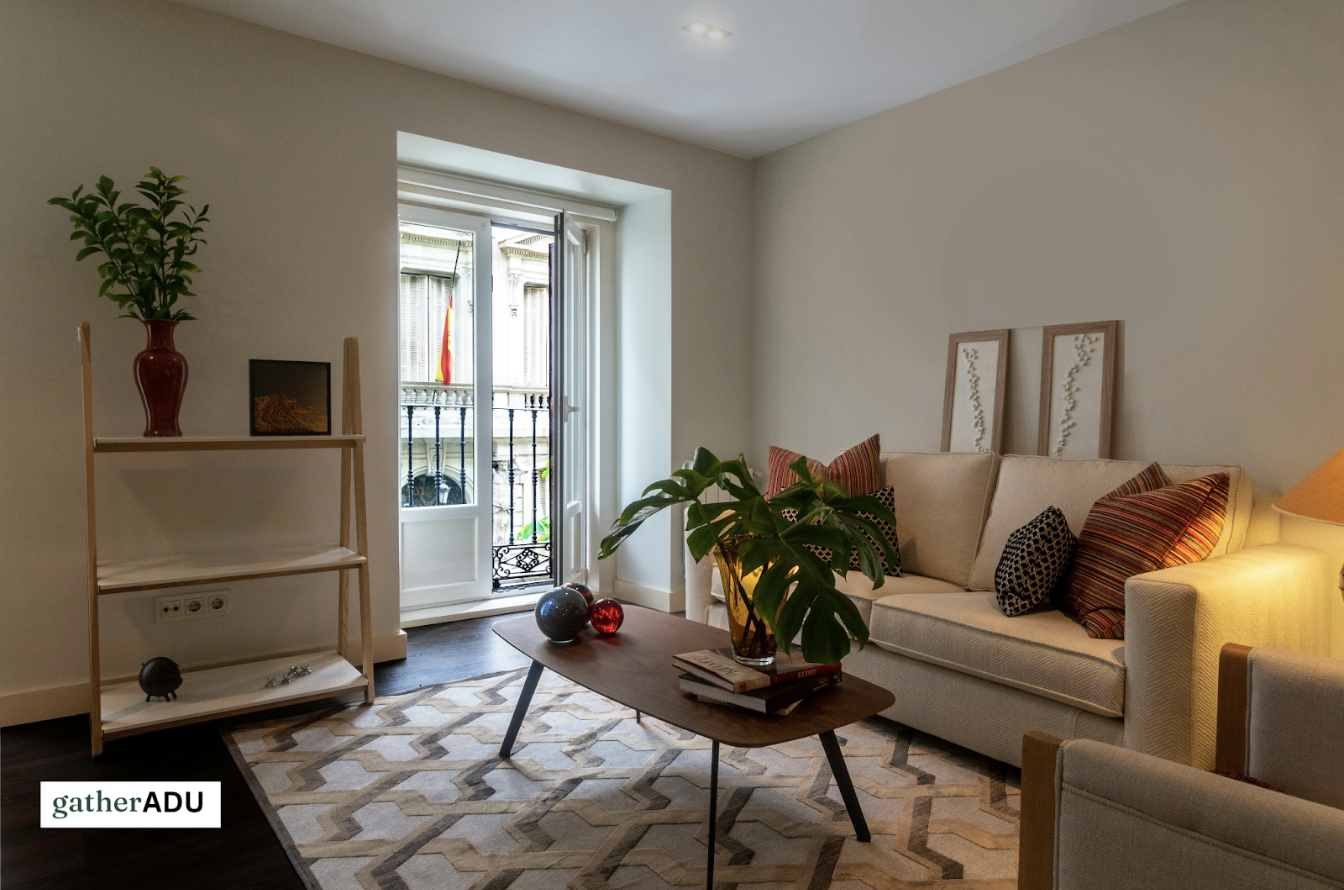
Design For Sustainability: Make Washington ADUs Rain-Ready
Design a rain-ready, green ADU in Washington. Use rain screens, sloped roofs, and innovative water systems for a durable...
Read More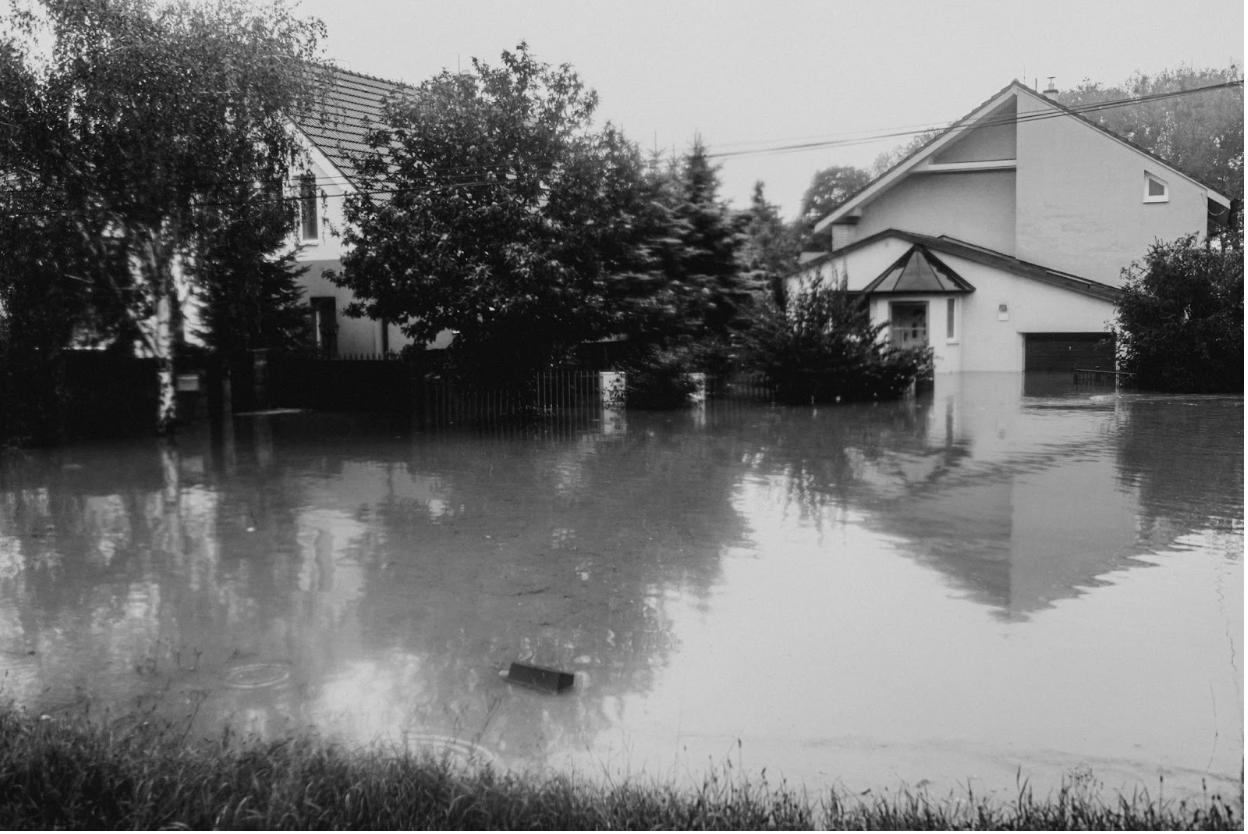
What ADU Home Plans Are Best Suited for Washington’s ...
Best ADU home plans for Washington's rainy climate. Weather-resistant materials, drainage solutions, and designs built t...
Read More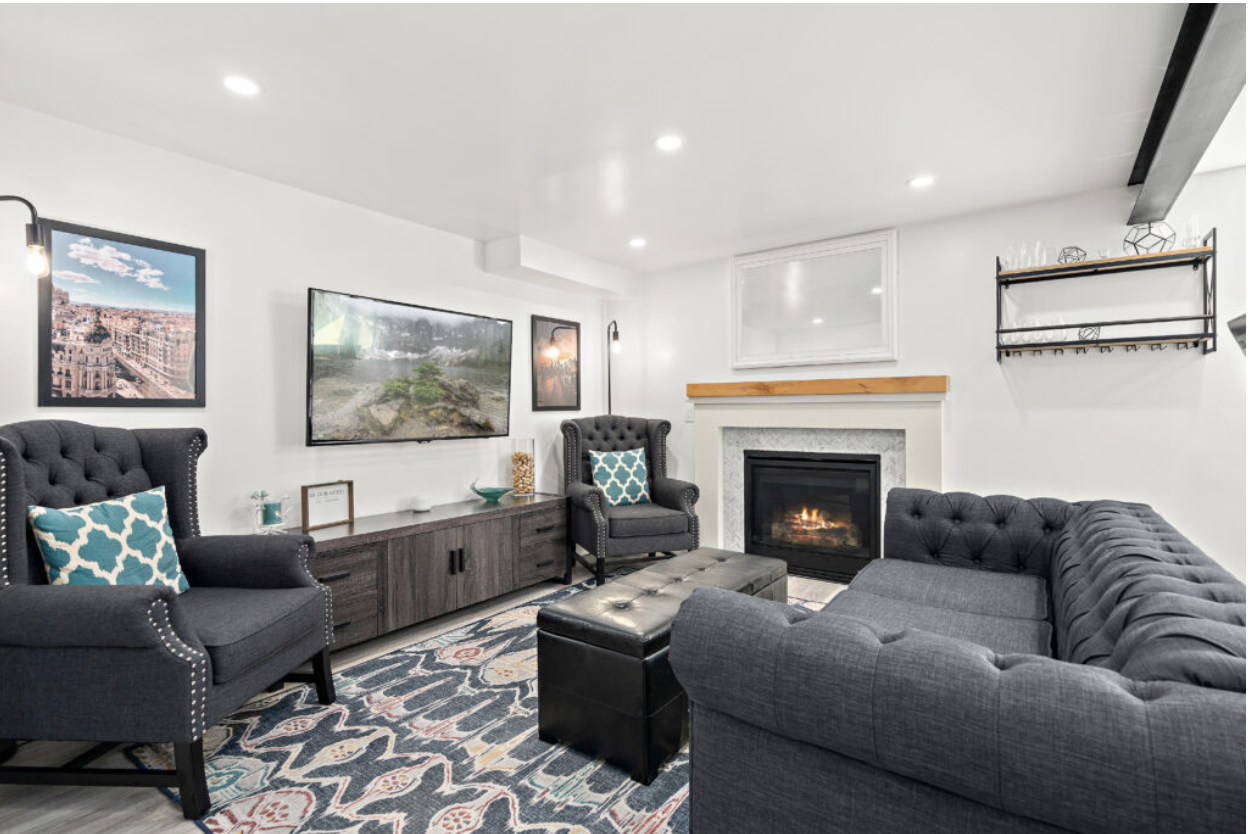
Are Basement ADUs a Good Idea in Washington?
Transform unused basement space into a legal ADU in WA with GatherADU. Boost value, add income, and meet code effortless...
Read MoreADU Guides for Cities Near Vancouver
Exploring options nearby? See ADU rules, costs, and rental potential for neighboring communities.
Ready to Build Your ADU in Vancouver?
Get expert guidance on permits, design, and construction. Our team knows Vancouver regulations inside and out.