When planning or building an Accessory Dwelling Unit (ADU), every material choice significantly impacts its long-term durability and value. Among the unsung heroes of robust ADU construction, especially in moisture-prone zones, is cement board. Often overlooked by homeowners but indispensable to expert builders, understanding what cement board is and why it's used in ADU wet areas is crucial for anyone investing in a backyard home.
At GatherADU, we believe in transparent, quality construction that ensures your ADU stands the test of time. This article will delve into the world of cement board, explaining its composition, its critical role in preventing water damage and mold, and why it's the material of choice for the bathrooms, kitchens, and laundry rooms of your new ADU.
What is Cement Board? The Foundation of Durability
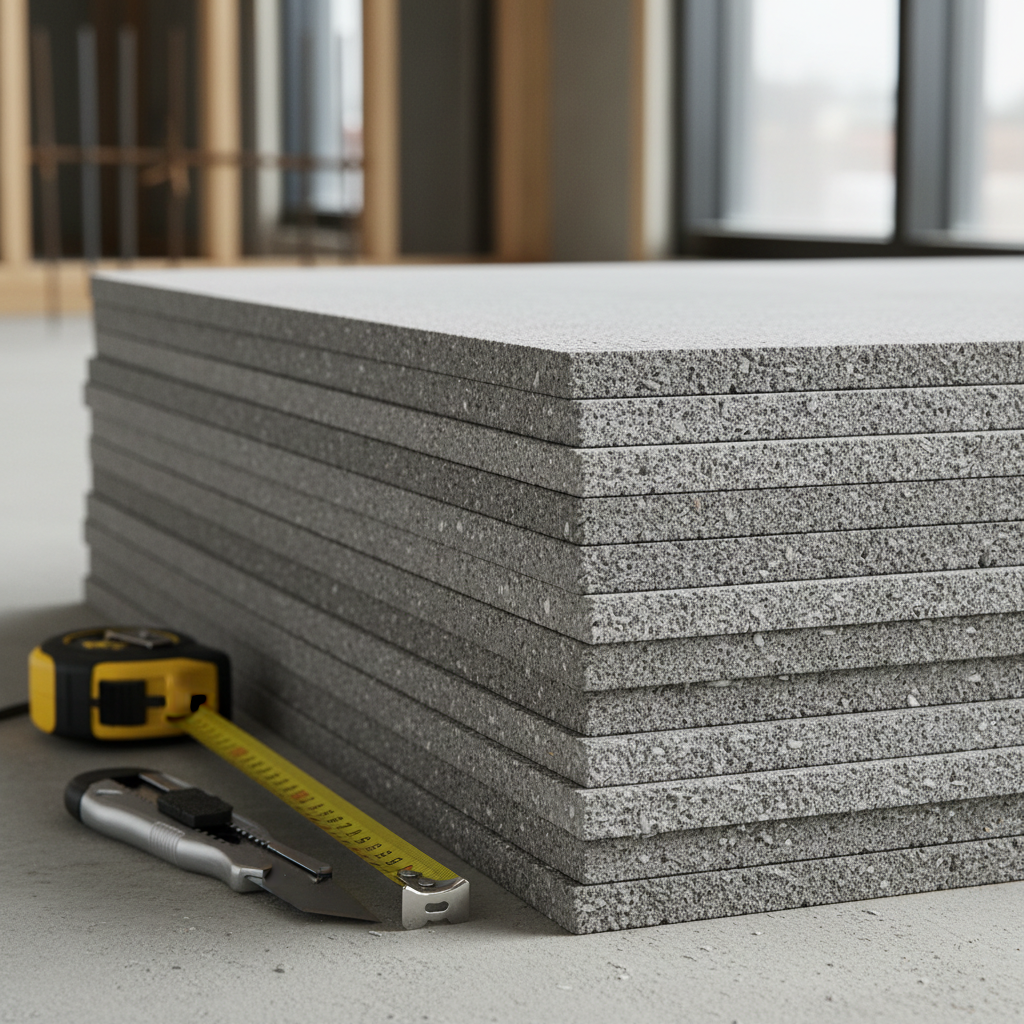
Cement board is a robust, water-resistant panel product commonly used as a tile backer board. Unlike drywall, which is made primarily from gypsum (a soft sulfate mineral), cement board is manufactured from a mixture of cement, aggregates (like sand or perlite), and reinforcing materials such as fiberglass mesh or cellulose fibers. This unique composition gives it properties that make it exceptionally well-suited for environments where moisture is a constant concern.
Key Properties That Make it Indispensable:
- Exceptional Water Resistance: While not entirely waterproof on its own, cement board does not absorb water or break down when exposed to moisture, unlike gypsum-based products. This prevents the material itself from deteriorating, swelling, or losing structural integrity in damp conditions.
- Mold and Mildew Resistance: Because it contains no organic material (like paper facing on drywall), cement board does not provide a food source for mold and mildew. This is a critical advantage in warm, humid environments often found in bathrooms and kitchens.
- Rigidity and Stability: Cement board provides a rigid, stable substrate for tile. Its density and strength prevent flexing, which can lead to cracked grout lines and tiles over time, especially in high-traffic or moisture-heavy areas.
- Fire Resistance: Due to its mineral composition, cement board also offers excellent fire-resistant properties, adding an extra layer of safety to your ADU.
Why ADU Wet Areas Demand Superior Protection
ADUs, by their nature, are often compact living spaces where every square foot counts. This means bathrooms, kitchens, and laundry areas are frequently used and subject to significant moisture exposure. Without proper protection, these areas are highly susceptible to damage:
- Showers and Tubs: Constant splashing and high humidity can quickly compromise standard building materials, leading to rot in wood framing and mold growth within walls.
- Kitchens: Splashes from sinks, steam from cooking, and potential leaks from dishwashers or refrigerators create an environment ripe for moisture issues.
- Laundry Rooms: Washing machines are notorious for leaks or overflows, and the humidity generated by dryers can also contribute to moisture problems.
Inadequate materials in these zones can lead to costly repairs, health hazards from mold, and a significant decrease in your ADU's lifespan and value. This is precisely why building codes and best practices mandate robust, moisture-resistant solutions for these critical areas.
Cement Board vs. The Alternatives: A Clear Winner for ADUs
To truly appreciate cement board, it's helpful to understand why other common building materials fall short in wet applications:
Drywall (Gypsum Board)
Standard drywall is excellent for most interior walls but is an absolute no-go for wet areas. Its paper facing and gypsum core readily absorb moisture, leading to rapid deterioration, crumbling, and becoming a prime breeding ground for mold and mildew. Using it in a shower or behind a sink without robust waterproofing is a recipe for disaster.
Green Board (Moisture-Resistant Drywall)
Often mistaken for a suitable wet area solution, 'green board' is merely moisture-resistant drywall. It has a water-repellent paper facing and a treated gypsum core. While it offers better performance than standard drywall in high-humidity areas (like a non-shower bathroom wall), it is NOT designed for direct water exposure or as a tile backer in showers or tub surrounds. It can still break down and support mold growth when consistently wet or submerged.
Cement Board: The Superior Choice
Cement board, on the other hand, is engineered specifically for these challenging conditions. Its inherent water and mold resistance, coupled with its structural stability, make it the unequivocally superior choice for all tiled wet areas in your ADU. It provides the necessary foundation for a durable, long-lasting, and hygienic finish.
Where GatherADU Uses Cement Board in Your Backyard Home
At GatherADU, our commitment to quality construction means we strategically deploy cement board in all critical wet areas to ensure the longevity and structural integrity of your ADU. Here’s where you'll find it:
-
Shower Walls and Floors:
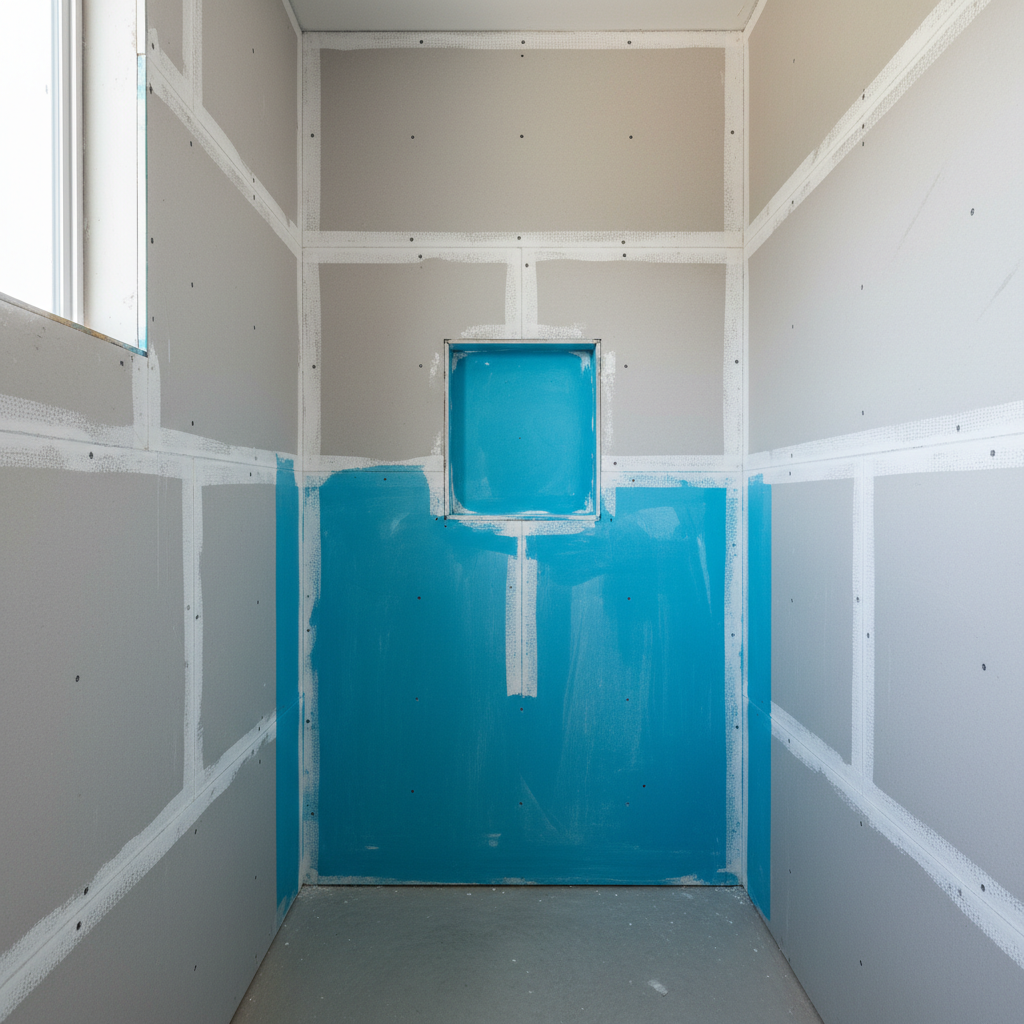
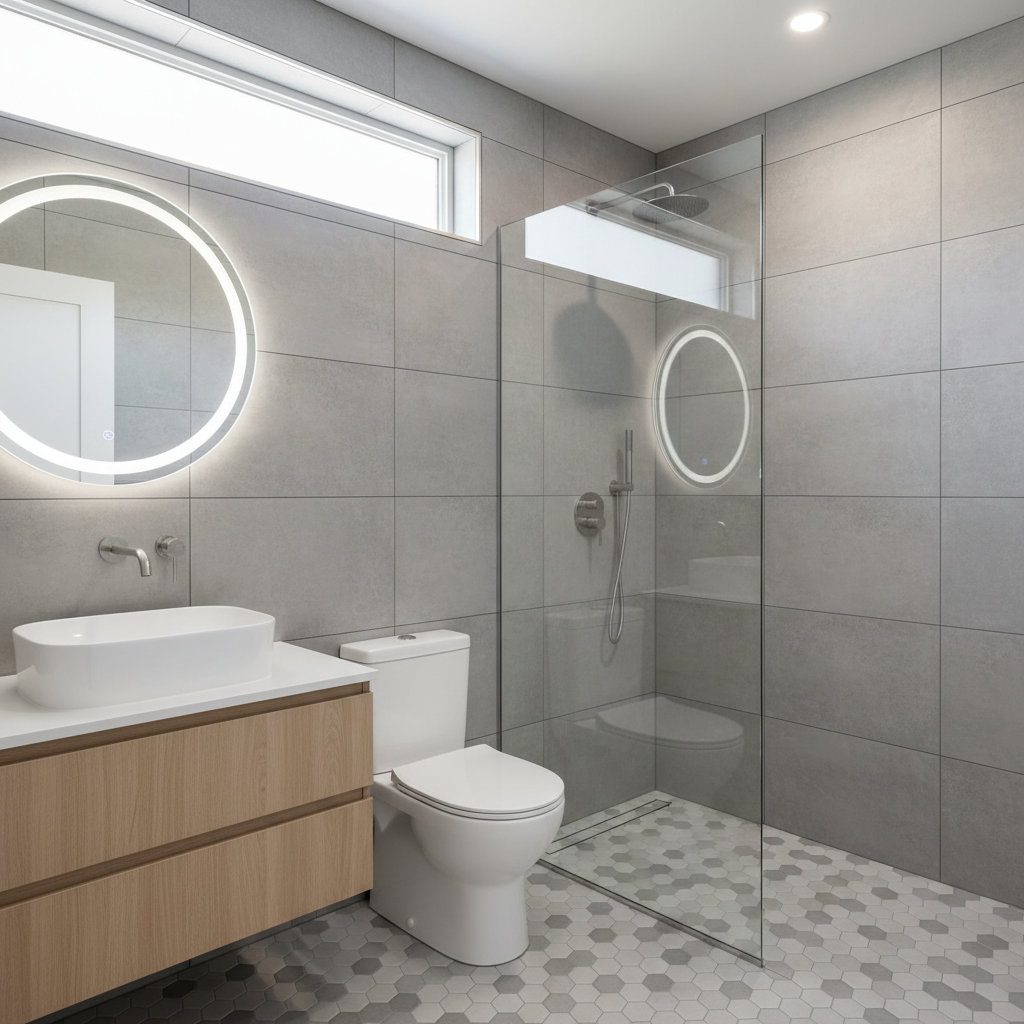
This is arguably the most critical application. Cement board forms the robust substrate behind all tiled shower walls and on shower floors, providing a stable, water-resistant base that won't degrade under constant water exposure. This is then combined with a waterproofing membrane for a completely sealed system.
-
Bathroom Floors and Walls Around Tubs:
For tiled bathroom floors and the walls surrounding bathtubs, cement board offers the same crucial protection, preventing splashes and spills from penetrating the subfloor or wall cavities.
-
Laundry Room Floors and Walls:
Beneath tiled laundry room floors and on walls where a washer and dryer are located, cement board acts as a safeguard against potential leaks or excess humidity, protecting the framing and subfloor.
-
Kitchen Backsplashes and Counter Areas:
While often less directly exposed to standing water than showers, kitchen backsplashes and walls behind sinks benefit immensely from cement board. It provides an ideal, stable surface for tile and adds an extra layer of moisture protection against splashes and spills.
Considering an ADU project and want to ensure every detail, from foundational materials to finishing touches, is handled with expert care? Schedule a free ADU consultation with GatherADU today.
The Installation Advantage: More Than Just a Board
The effectiveness of cement board isn't solely in its material properties; it's also in its proper installation. A correctly installed cement board system includes several key steps that contribute to a truly waterproof and durable wet area:
-
Substrate Preparation:
The framing must be sound, level, and clean before cement board installation begins.
-
Fasteners and Joint Treatment:
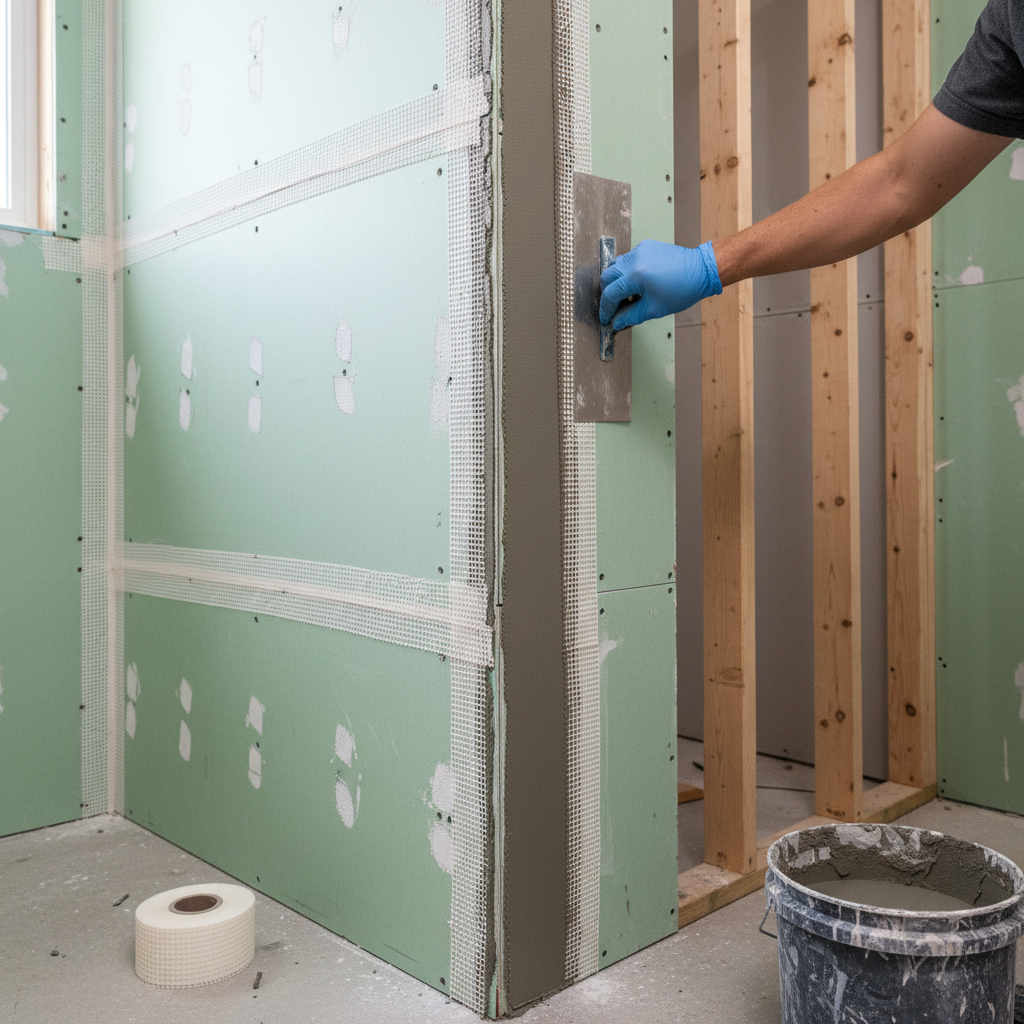
Special corrosion-resistant screws or nails are used to secure the board firmly to the studs or subfloor. All joints and fastener heads are then treated with alkali-resistant fiberglass mesh tape embedded in thin-set mortar. This creates a continuous, stable surface and prevents movement that could crack tiles.
-
Waterproofing Membranes:
Crucially, cement board is typically covered with an additional waterproofing membrane. This can be a liquid-applied membrane (painted on) or a sheet membrane (like Schluter-KERDI). This membrane creates a truly impervious barrier, ensuring that even if water penetrates the grout or tile, it cannot reach the wall cavity or subfloor. Cement board serves as the stable, mold-resistant substrate for this final waterproofing layer.
-
Professional Installation:
The nuances of proper cement board installation, including correct spacing, fastening patterns, joint treatment, and membrane application, require skill and experience. Professional installation ensures that these critical steps are executed perfectly, guaranteeing the long-term performance of your ADU's wet areas.
If you're planning your ADU and have questions about the best materials and construction practices for a durable, long-lasting home, connect with our ADU specialists to discuss your project.
Long-Term Benefits for Your ADU Investment
Choosing cement board for your ADU's wet areas is an investment that pays dividends over the lifetime of your backyard home:
-
Enhanced Longevity and Durability:
Your ADU's bathrooms and kitchen will withstand daily use and moisture exposure for decades, reducing the need for costly renovations.
-
Reduced Maintenance and Repair Costs:
By preventing water damage and mold growth, you significantly cut down on future repair expenses and the hassle associated with them.
-
Improved Indoor Air Quality:
Eliminating the conditions for mold growth contributes to a healthier living environment for your tenants or family.
-
Increased Property Value:
A well-built ADU with durable, high-quality finishes and robust moisture protection is a more attractive and valuable asset.
-
Peace of Mind:
Knowing that your ADU is constructed with the best materials and practices provides invaluable peace of mind, protecting your investment.
Conclusion
Cement board is far more than just another building material; it's a fundamental component of a durable, healthy, and long-lasting Accessory Dwelling Unit. Its unique composition and properties make it the undisputed champion for wet areas, providing a reliable defense against water damage, mold, and structural compromise. At GatherADU, our commitment to using superior materials and precise construction techniques, like the proper installation of cement board in ADU wet areas, ensures that your backyard home is not just beautiful, but also built to endure.
Don't leave the longevity and resilience of your ADU to chance. Partner with GatherADU, where expert design meets meticulous construction, ensuring every detail, including the critical use of cement board in wet areas, is perfected. Book your free ADU consultation now and take the first step toward building a high-quality, long-lasting backyard home.