

For Massachusetts homeowners, the landscape of Accessory Dwelling Units (ADUs) is on the brink of a significant transformation. Historically, building a backyard home or granny flat in the Bay State has been a patchwork of local ordinances, often making the process complex and unpredictable. However, the recently enacted Affordable Homes Act is poised to standardize and simplify ADU development across the Commonwealth, offering unprecedented opportunities for property owners.
At GatherADU, while our roots are in California, our mission is to empower homeowners with knowledge about ADUs, wherever they are. Understanding legislative changes like the Massachusetts Affordable Homes Act is crucial for anyone considering adding an ADU. This comprehensive guide will walk you through what these new Massachusetts ADU laws mean for you, from zoning changes to potential benefits.
Understanding the Massachusetts Affordable Homes Act
The Affordable Homes Act, signed into law by Governor Maura Healey in March 2024, is a landmark piece of legislation designed to address Massachusetts' severe housing shortage. While the Act covers a broad range of housing initiatives, including bond authorizations for housing programs and zoning reforms, its provisions regarding ADUs are particularly impactful for individual homeowners.
Key ADU Provisions Under the New Law
Prior to this Act, cities and towns in Massachusetts had considerable autonomy over ADU regulations. This led to a wide disparity in rules, with some municipalities being ADU-friendly and others imposing strict limitations or outright bans. The Affordable Homes Act introduces statewide standards, aiming to create a more uniform and accessible pathway for ADU construction.
- Mandatory By-Right Status: Perhaps the most significant change is that cities and towns can no longer prohibit ADUs. They must now allow at least one ADU per single-family residential lot by-right, meaning homeowners won't need discretionary permits (like special permits or variances) that can be costly, time-consuming, and uncertain.
- Elimination of Owner-Occupancy Requirements: Many previous local ordinances required the owner of the primary dwelling to reside on the property. The Affordable Homes Act eliminates this requirement for ADUs, offering greater flexibility for homeowners and investors.
- Standardized Size Limits: The Act sets minimum and maximum size requirements for ADUs, establishing a baseline across the state. While towns can still set their own specific limits, they must generally fall within these state parameters.
- Parking Flexibility: Localities will be restricted in their ability to impose burdensome parking requirements for ADUs, particularly for those located near public transit.
- Reduced Setback Requirements: The Act aims to standardize and reduce overly restrictive setback requirements, making it easier to site an ADU on smaller or irregularly shaped lots.
- Rental Opportunity: With owner-occupancy removed, homeowners can now rent out both the primary dwelling and the ADU, significantly increasing potential rental income.

How the Affordable Homes Act Transforms Massachusetts ADU Development
These statewide changes represent a paradigm shift for ADU development in Massachusetts. Here's a deeper dive into what they mean for homeowners:
1. Goodbye to Local Discretion, Hello to Predictability
The previous system of varied local ordinances often left homeowners navigating a bureaucratic maze. The by-right mandate of the Affordable Homes Act dramatically simplifies this. If your proposed ADU meets the statewide and local (now state-aligned) zoning criteria, it must be approved. This predictability reduces risk and encourages more homeowners to pursue ADU projects.
2. Unlocking Rental Income Potential
Removing the owner-occupancy requirement is a game-changer for homeowners looking to maximize their property's financial potential. You can now move into your ADU and rent out your main house, or rent out both units. This flexibility creates new income streams and offers creative solutions for multi-generational living or caregiving.
3. More Feasible Projects on Diverse Lots
With standardized and generally less restrictive rules on size, setbacks, and parking, ADUs become a viable option for a broader range of properties. Smaller lots, lots with unique configurations, or those previously burdened by excessive parking mandates will now have a clearer path to ADU construction.
4. Addressing Massachusetts' Housing Crisis
From a broader perspective, the Act's ADU provisions are a direct response to Massachusetts' housing affordability crisis. By making it easier to build ADUs, the state aims to organically increase housing supply, offering more diverse and affordable housing options for residents.
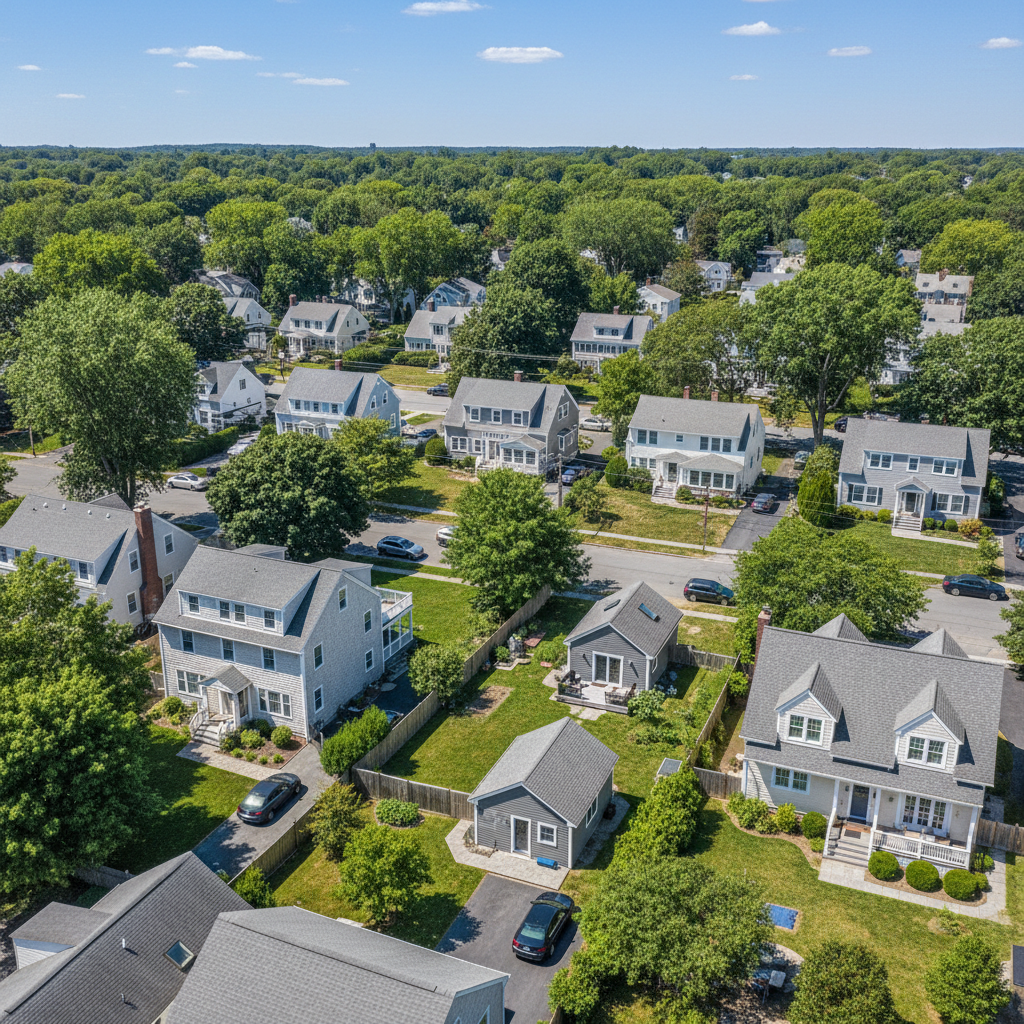
Benefits of Building an ADU in Massachusetts Under New Laws
With these new Massachusetts ADU laws in place, the advantages of building an ADU are more compelling than ever:
- Generate Passive Income: Rent out your ADU to help with mortgage payments, save for retirement, or supplement your income.
- Increase Property Value: An ADU is a valuable asset that significantly boosts your property's resale value.
- Flexible Living Arrangements: Create space for aging parents, adult children, a home office, or a private guest suite.
- Contribute to Your Community: Help address the local housing shortage by providing a much-needed additional housing unit.
- Cost-Effective Housing: Building an ADU is often a more affordable way to add living space than a traditional home addition or purchasing a new property.
Ready to explore how an ADU can transform your property? Even though we're based in California, our team at GatherADU has extensive experience in design and permitting, and we can guide you through the process of understanding what's possible. Get your free project estimate and let's start planning.

Navigating Your ADU Project in the New Regulatory Landscape
While the Affordable Homes Act streamlines many aspects of ADU development, successfully building one still requires careful planning and execution. Here's what Massachusetts homeowners should consider:
1. Understand Local Implementation
Though the state mandates by-right ADUs, local municipalities will still have the authority to implement specific details within the state's guidelines. This means while the overarching rules are standardized, nuances in design review, specific setback measurements (within state limits), or utility connections might still vary. It's crucial to consult your local planning department and understand their updated ordinances as they align with the new state law.
2. Design Matters
An ADU should complement your existing property and meet your specific needs. Consider the size, layout, accessibility, and aesthetic of your new unit. Think about how it integrates with your main home and outdoor spaces. A well-designed ADU will enhance your property's value and livability.
3. Permitting and Construction
Even with streamlined regulations, the permitting process involves multiple steps, from architectural plans to structural engineering and utility hookups. Working with experienced ADU designers and builders who understand the new Massachusetts ADU laws and local building codes is essential for a smooth process.
4. Financing Your ADU
Explore various financing options, including home equity loans, construction loans, or even specialized ADU financing programs. Understanding your budget early on is key to a successful project.
At GatherADU, we pride ourselves on helping homeowners navigate the complexities of ADU projects. Our expertise in efficient design, permitting, and construction best practices can be invaluable, no matter your location. We can help you understand the potential of your property and how to maximize the benefits of these new regulations. Explore your ADU potential and see how a well-planned ADU can enhance your lifestyle and financial future.
Conclusion: A New Era for Massachusetts Homeowners
The Massachusetts Affordable Homes Act marks a pivotal moment for homeowners across the Commonwealth. By standardizing Massachusetts ADU laws and making backyard homes a by-right option, the state has opened up incredible opportunities for property owners to generate income, house family, and contribute to solving the housing crisis. While the specifics of local implementation will unfold, the general direction is clear: building an ADU in Massachusetts is about to become significantly easier and more appealing.
This new legislative landscape invites homeowners to reimagine their properties' potential. Whether you're dreaming of a rental unit, a space for aging parents, or a dedicated home office, an ADU offers a flexible and valuable solution. GatherADU is here to provide expert guidance and support as you embark on this exciting journey. Don't miss out on the opportunity to capitalize on these new changes.
Ready to take the next step towards building your ADU in Massachusetts? Book a free ADU consultation with GatherADU today and let our experts help you navigate the new regulations and design your perfect backyard home.