For many California homeowners, an Accessory Dwelling Unit (ADU) offers an unparalleled opportunity to generate rental income, provide housing for family, or create a dedicated workspace. However, if your property relies on a septic system rather than a municipal sewer, the path to building an ADU requires careful planning and a thorough understanding of specific regulations. Adding an ADU significantly increases a property's wastewater output, putting new demands on an existing septic system. This comprehensive guide will walk you through everything you need to know about navigating the complexities of building an ADU with a septic system in California, ensuring your project is compliant, efficient, and successful.
Understanding Your Septic System: The Basics
Before considering an ADU, it's crucial to understand how your existing septic system works and its current capacity. A typical septic system consists of two main components:
- Septic Tank: A watertight container, usually underground, that collects all wastewater from your home. Solids settle to the bottom (sludge), while grease and lighter materials float to the top (scum). The liquid effluent flows out to the drain field.
- Drain Field (Leach Field): A network of perforated pipes buried in gravel-filled trenches or beds, allowing the liquid effluent to slowly filter into the soil, where natural processes treat and disperse it.
The system's capacity is determined by factors like the size of the septic tank, the design of the drain field, and the soil's absorption rate (percolation rate). An ADU, by adding new plumbing fixtures (sinks, toilets, showers) and potentially more occupants, will directly impact the volume of wastewater your system must process. Overloading a septic system can lead to costly failures, environmental contamination, and health hazards.
California's Regulatory Landscape for Septic Systems and ADUs
In California, the permitting and regulation of septic systems fall primarily under the jurisdiction of local county health departments, often guided by the California Water Quality Control Board's policies and Title 22 of the California Code of Regulations. When you propose an ADU on a property with a septic system, prepare for additional scrutiny and specific requirements:
- Increased Capacity Requirements: Local health departments will assess if your existing septic system can handle the increased wastewater load from both your primary residence and the new ADU. This often means evaluating the system based on the total number of bedrooms across both units, regardless of actual occupancy.
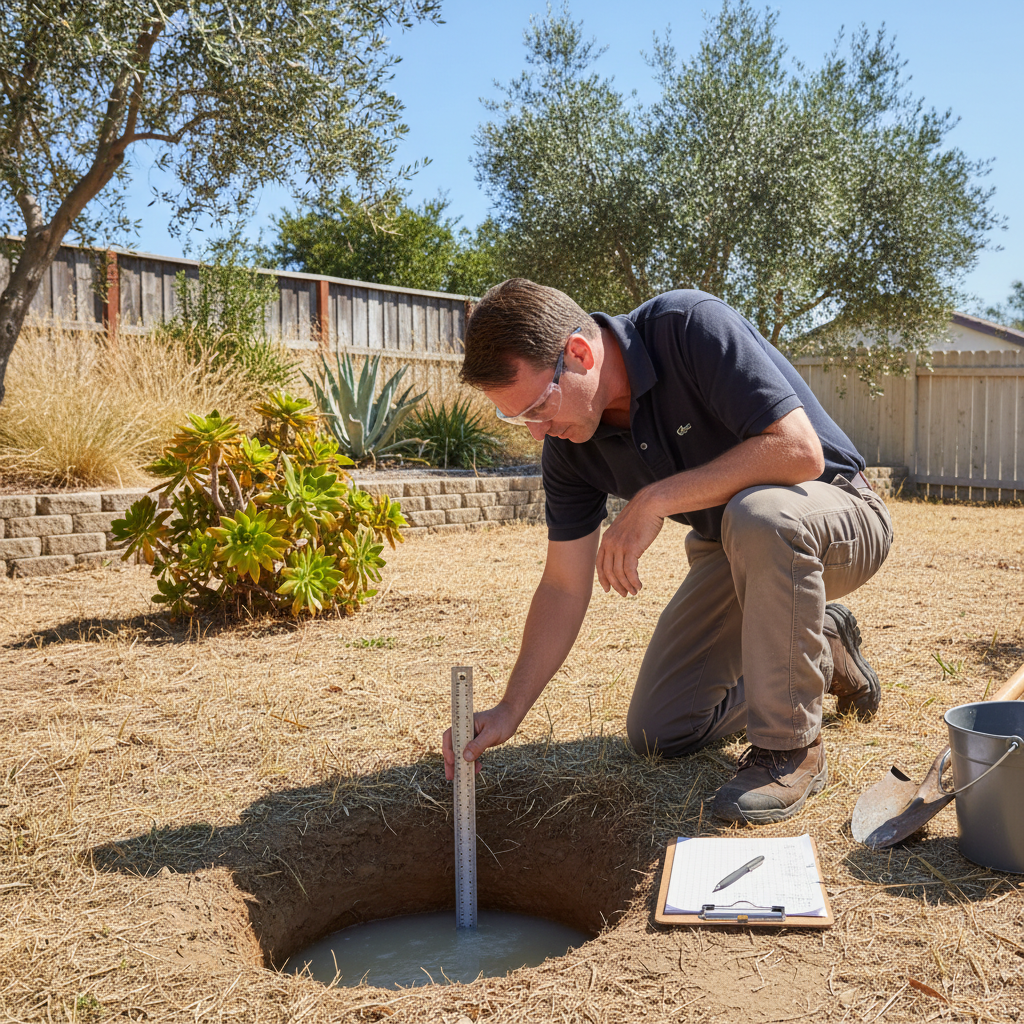
- Percolation Tests (Perc Tests): A critical step is usually a percolation test, which measures how quickly water drains into the soil. This test determines the appropriate size and design of the drain field required for the combined wastewater load.
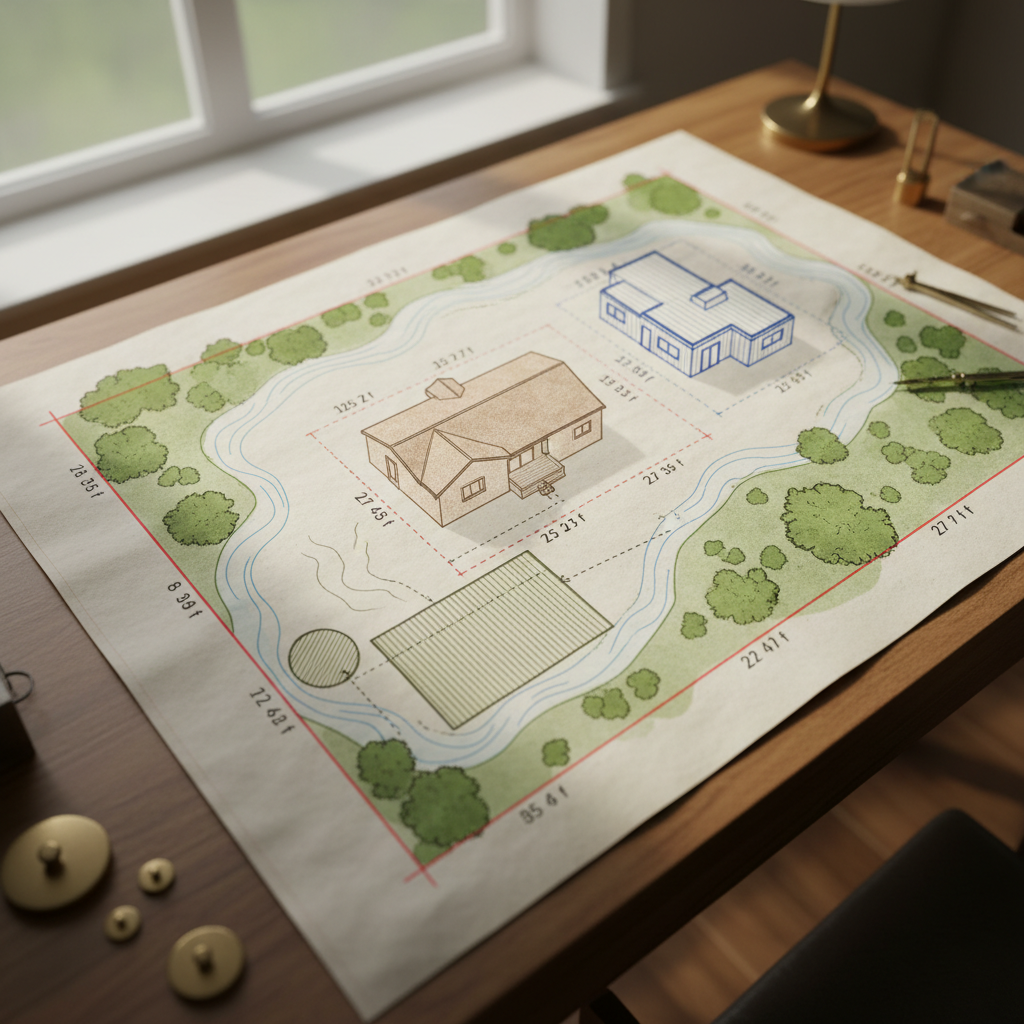
- Setback Requirements: Septic tanks and drain fields must maintain specific distances (setbacks) from wells, property lines, buildings (including the proposed ADU), and bodies of water. The ADU's footprint must respect these existing setbacks.
- Permitting Process: Expect to involve the county health department in your ADU permitting process. They will review plans, approve any proposed upgrades or new systems, and conduct inspections.
Given the variability in local ordinances, what's acceptable in one county may differ slightly in another. This is why local expertise is paramount. To understand the specific requirements for your property, it’s invaluable to consult with an experienced ADU specialist who is familiar with your county's regulations.
Evaluating Your Existing Septic System's Viability
Before you even draw up ADU plans, a thorough assessment of your current septic system is essential. This typically involves:
1. Reviewing Existing Records
Check with your county health department for records of your septic system's original design, installation, and any past maintenance or repairs. This can provide valuable information about its age, capacity, and type.
2. Professional Inspection and Pumping
Hire a qualified septic system inspector to evaluate the system's current condition. They will assess the tank for leaks or damage, check the drain field for signs of failure (like standing water or foul odors), and determine if it needs pumping. Regular pumping is crucial for system longevity.
3. Percolation Test and Soil Analysis
A certified professional will perform a percolation test to determine if your soil can adequately absorb the additional wastewater. This test is often required by the health department for ADU projects. Soil conditions vary widely, and poor percolation may necessitate a larger drain field or an alternative system.
4. Capacity Calculation
Based on the number of bedrooms in your main home and the proposed ADU, an engineer will calculate the total wastewater generation and determine if your existing system has sufficient capacity. For example, a typical 2-bedroom home plus a 1-bedroom ADU might be treated as a 3-bedroom property for septic sizing purposes.
Options for Septic System Upgrades or Expansion
If your existing septic system is deemed insufficient for an ADU, you'll likely need to upgrade or expand it. Here are common scenarios:
1. Drain Field Expansion
If your soil has good percolation but the current drain field is undersized, you might be able to add more trenches to increase its capacity. This requires available space on your property that meets setback requirements.
2. New Conventional Septic System
In some cases, especially with older or failing systems, it might be more cost-effective to install an entirely new septic system designed to accommodate both your main house and the ADU. This involves installing a new tank and a new, appropriately sized drain field.
3. Advanced Treatment Units (ATUs)
If space is limited, soil percolation is poor, or environmental regulations are stringent, an Advanced Treatment Unit (ATU) might be necessary. ATUs provide a higher level of wastewater treatment than conventional systems, often producing effluent clean enough for smaller drain fields or even alternative dispersal methods. While more expensive upfront and requiring more maintenance, ATUs can be a viable solution for challenging sites.
4. Connecting to Municipal Sewer (If Available)
Though not always an option for properties on septic, it's worth investigating if a municipal sewer line is accessible nearby. Connecting to the public sewer system would eliminate all septic-related concerns for your ADU, though the connection costs can be substantial.
ADU Plumbing Considerations with a Septic System
Integrating your ADU's plumbing with a septic system requires careful design. All wastewater from the ADU (both blackwater from toilets and greywater from sinks, showers, and laundry) must flow into the main septic tank. This means:
- Proper Pipe Sizing and Sloping: The new plumbing lines from the ADU must be correctly sized and sloped to ensure efficient gravity flow to the main septic line or directly to the septic tank.
- Location of the ADU: The ADU's position relative to the septic tank and drain field is critical. It must be at a sufficient elevation for gravity flow and respect all setback requirements.
- Water-Saving Fixtures: To minimize the impact on your septic system, consider installing water-efficient toilets, showerheads, and appliances in your ADU. This reduces the overall wastewater volume.
The Permitting and Approval Process
Building an ADU with a septic system adds an extra layer to the already complex permitting process. Here's a general overview:
- Initial Feasibility Assessment: GatherADU can help you determine the viability of your project early on, often with a preliminary site visit.
- Septic System Evaluation: As discussed, this involves inspections, perc tests, and capacity calculations by a licensed septic engineer.
- Design and Engineering: Your ADU plans will need to incorporate the septic system design (either existing or proposed upgrade/new system). A septic engineer will prepare detailed plans for health department review.
- Health Department Approval: These plans, along with your ADU architectural and structural plans, are submitted to the county health department for review and approval. This can be a lengthy process, often involving multiple revisions.
- Building Permits: Once health department approval is secured for the septic component, you can proceed with obtaining your general ADU building permits.
- Inspections: Various inspections will occur throughout construction, including rough plumbing and final septic system inspections by the health department.
Navigating these choices can be complex, but an expert ADU builder can simplify the process. Get a free project estimate to understand your options and potential costs.
Cost Implications of an ADU with a Septic System
It's important to budget for the additional costs associated with an ADU on a septic system:
- Septic System Inspection and Testing: Percolation tests, engineering reports, and initial inspections can range from $1,000 to $5,000+.
- Permitting Fees: Health department fees for septic plan review and permits are separate from general building permit fees.
- Septic System Upgrades/Installation: This is the most significant variable cost.
- Drain field expansion: $5,000 - $15,000+
- New conventional septic system: $15,000 - $40,000+
- Advanced Treatment Unit (ATU): $25,000 - $60,000+ (plus ongoing maintenance costs)
- Engineering and Design: Fees for a septic engineer to design and oversee the system.
- Site Work: Excavation, grading, and landscaping to accommodate the new or expanded system.
These costs are in addition to the standard ADU construction costs and can significantly impact your overall project budget. Accurate estimates from qualified professionals are crucial.
The Importance of Professional Expertise
Building an ADU with a septic system is not a DIY project. It requires a team of experienced professionals:
- Licensed Septic Engineer: Absolutely essential for assessing your existing system, performing tests, designing any necessary upgrades, and securing health department approvals.
- ADU Designer/Architect: To design an ADU that fits your property, meets your needs, and integrates seamlessly with the septic system constraints.
- Experienced ADU Builder (like GatherADU): A general contractor with specific experience in ADU construction on properties with septic systems understands the unique challenges, coordinates with all necessary professionals, and navigates the complex permitting process. They can ensure compliance, manage the budget, and keep your project on track.
Conclusion
While building an ADU on a property with a septic system adds layers of complexity, it is by no means impossible. With thorough planning, a clear understanding of California's regulations, and the right team of professionals, your dream of a backyard home can become a reality. The key is to address the septic system early in the planning process, ensuring it can adequately handle the increased demand and comply with all local health department requirements.
Don't let the complexities of a septic system deter you from your ADU dream. With GatherADU, you have a trusted partner to guide you through every step, ensuring a compliant and successful project. Book a free ADU consultation today to explore your property's potential and start planning your backyard home.