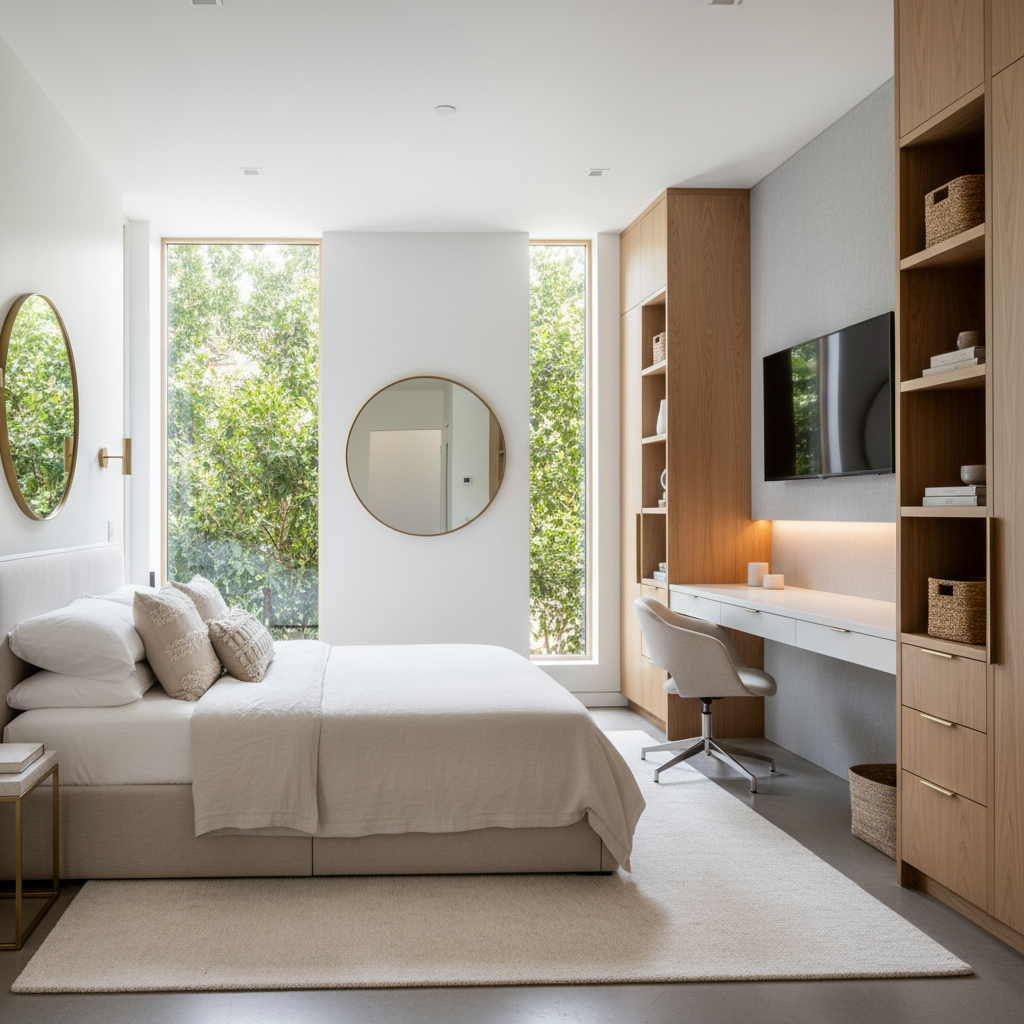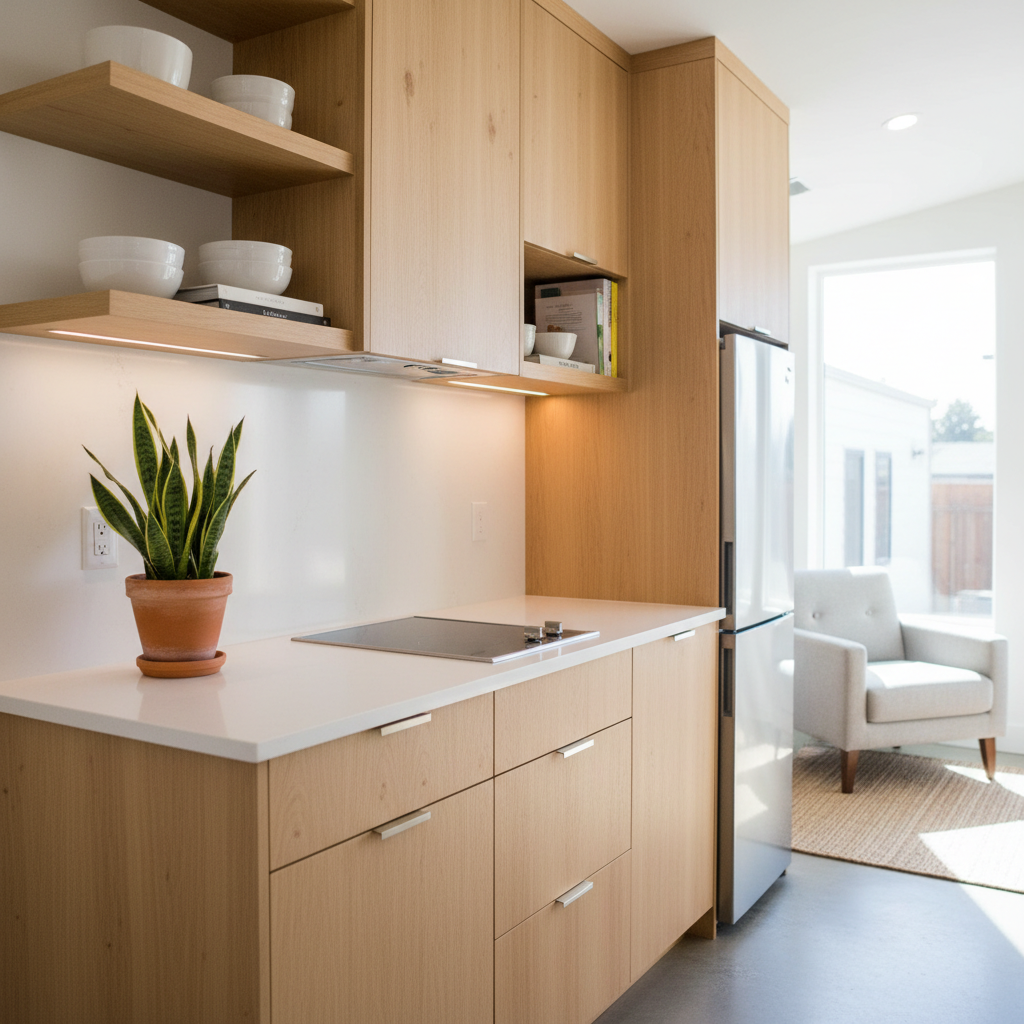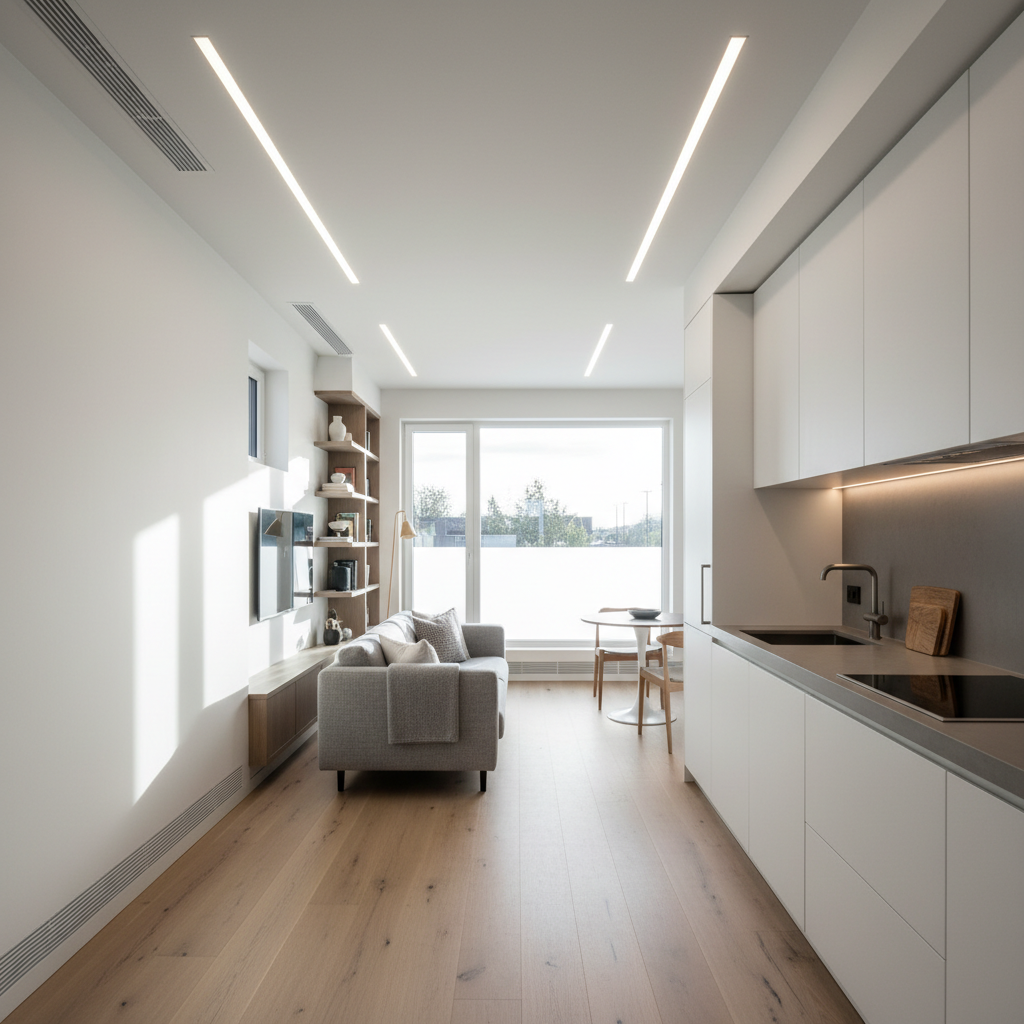
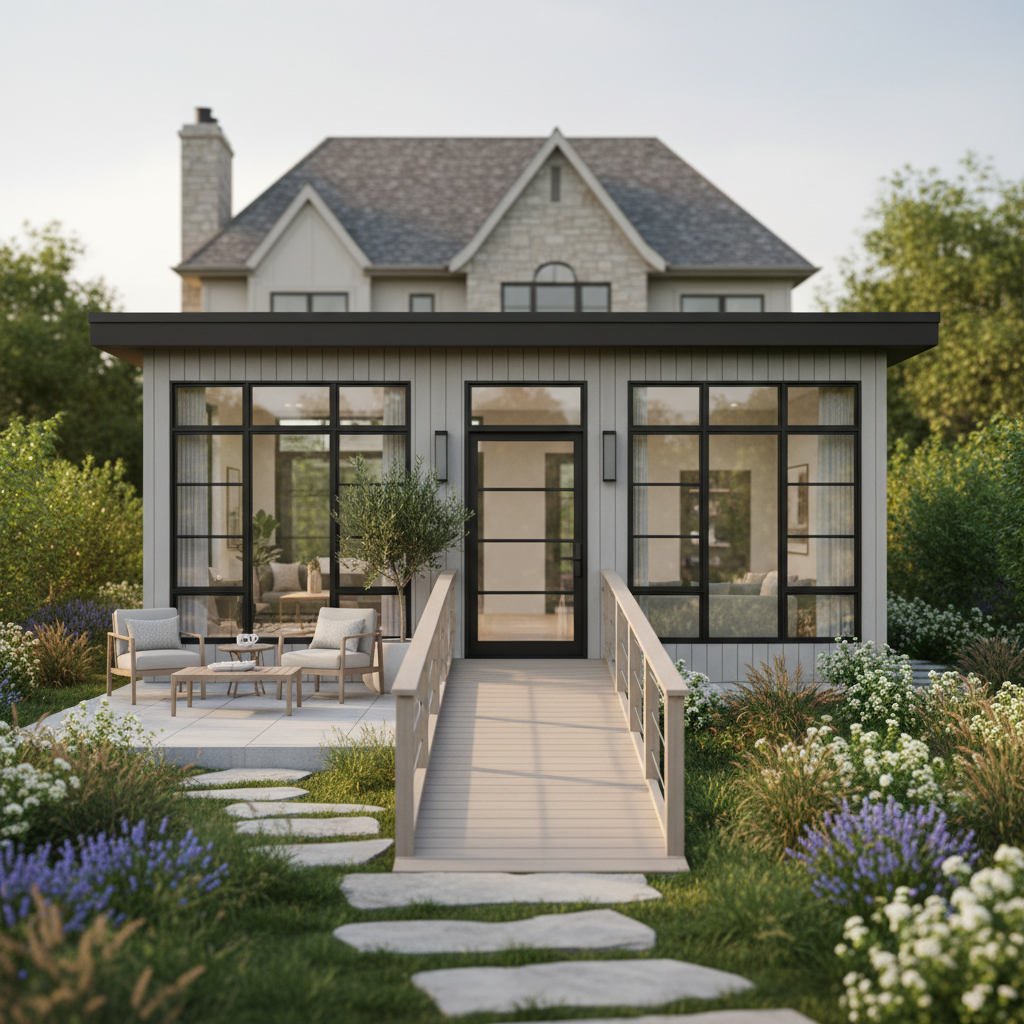
As our parents age, the desire to keep them close while preserving their independence becomes a heartfelt priority for many families. An Accessory Dwelling Unit (ADU), often called a granny flat or backyard home, presents an ideal solution. But simply building an ADU isn't enough; designing an ADU for an aging parent requires careful consideration of specific features that genuinely make a difference in their daily comfort, safety, and quality of life. At GatherADU, we understand these unique needs and specialize in creating spaces that not only look beautiful but are also highly functional and future-proof.
This comprehensive guide will walk you through the essential design elements that transform a standard ADU into a nurturing, accessible, and safe haven for your elderly loved one.
The Growing Need for Thoughtfully Designed ADUs for Seniors
The aging population in California and across the nation highlights a pressing need for suitable housing solutions. Traditional senior living facilities can be costly and may not always offer the personalized care or proximity to family that many desire. An ADU offers a compelling alternative, providing:
- Proximity and Support: Parents are nearby, allowing for easier family visits, daily check-ins, and immediate assistance if needed, fostering stronger family bonds.
- Independence and Dignity: An ADU grants seniors their own private space, empowering them to maintain autonomy and a sense of self, which is crucial for mental and emotional well-being.
- Cost-Effectiveness: While an initial investment, an ADU can be more economical in the long run compared to assisted living, and it adds significant value to your property.
- Familiar Surroundings: Staying near family often means staying within familiar communities, reducing the stress of relocating.
Essential Design Features for an ADU for an Aging Parent
Creating a truly effective ADU for an aging parent goes beyond aesthetics. It involves integrating universal design principles and specific features that address potential mobility challenges, safety concerns, and comfort requirements.
1. Prioritizing Accessibility and Mobility
Mobility can change over time, so designing an ADU with seamless accessibility is paramount from day one.
- No-Step Entryways: Eliminate all steps at entrances. Ramps with gentle slopes (max 1:12 ratio) or grade-level entries are crucial for wheelchair users, walkers, or even just unsteady footing.
- Wider Doorways and Hallways: Standard doorways can be restrictive. Aim for a minimum of 36-inch wide doorways throughout the ADU and 42-inch wide hallways to comfortably accommodate wheelchairs, walkers, or caregivers.
- Open Floor Plans: A clear, open layout minimizes obstacles and provides ample turning radius, especially beneficial in living areas and kitchens.
- Lever-Style Door Handles: Traditional doorknobs can be difficult for arthritic hands. Lever-style handles are much easier to operate.
- Flooring Choices: Opt for low-pile carpeting or, even better, non-slip, hard-surface flooring like vinyl plank, laminate, or engineered wood. Avoid high-pile rugs that can be tripping hazards.
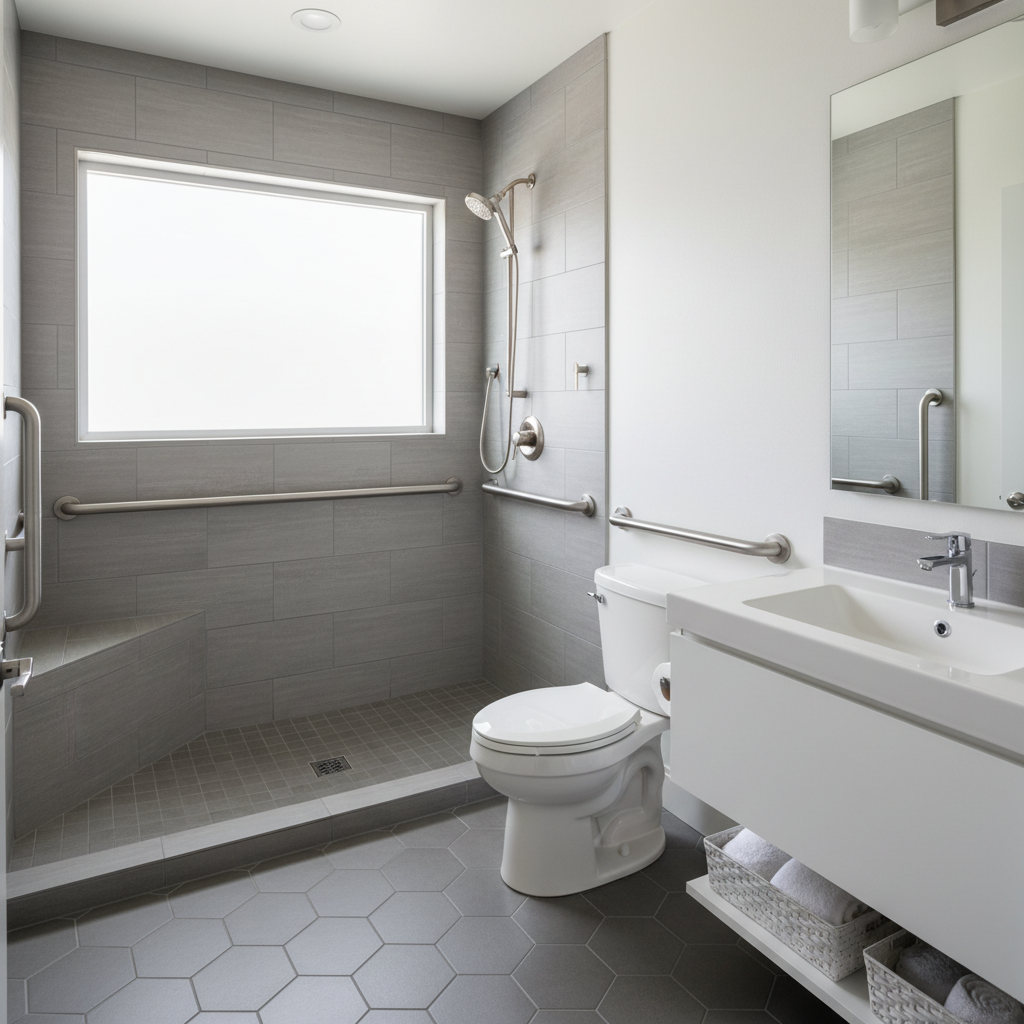
2. Bathroom Safety and Comfort: A Critical Area
The bathroom is often the most hazardous room for seniors. Thoughtful design here can prevent falls and promote independence.
- Roll-In or Curbless Showers: These showers eliminate the need to step over a curb, making them accessible for wheelchairs and walkers. Include a built-in bench or space for a portable shower chair.
- Grab Bars: Install grab bars in the shower, next to the toilet, and near the tub (if included). Crucially, reinforce the walls during construction to ensure these can withstand significant weight.
- Comfort-Height Toilets: These toilets are taller than standard models, making it easier to sit down and stand up.
- Anti-Scald Devices: Thermostatic mixing valves or pressure-balanced valves prevent sudden temperature changes in the shower, protecting against burns.
- Ample Turning Radius: Ensure enough space (at least 60 inches in diameter) for a wheelchair to turn around comfortably.
- Non-Slip Flooring: Use tiles with a high Coefficient of Friction (COF) or other non-slip materials.
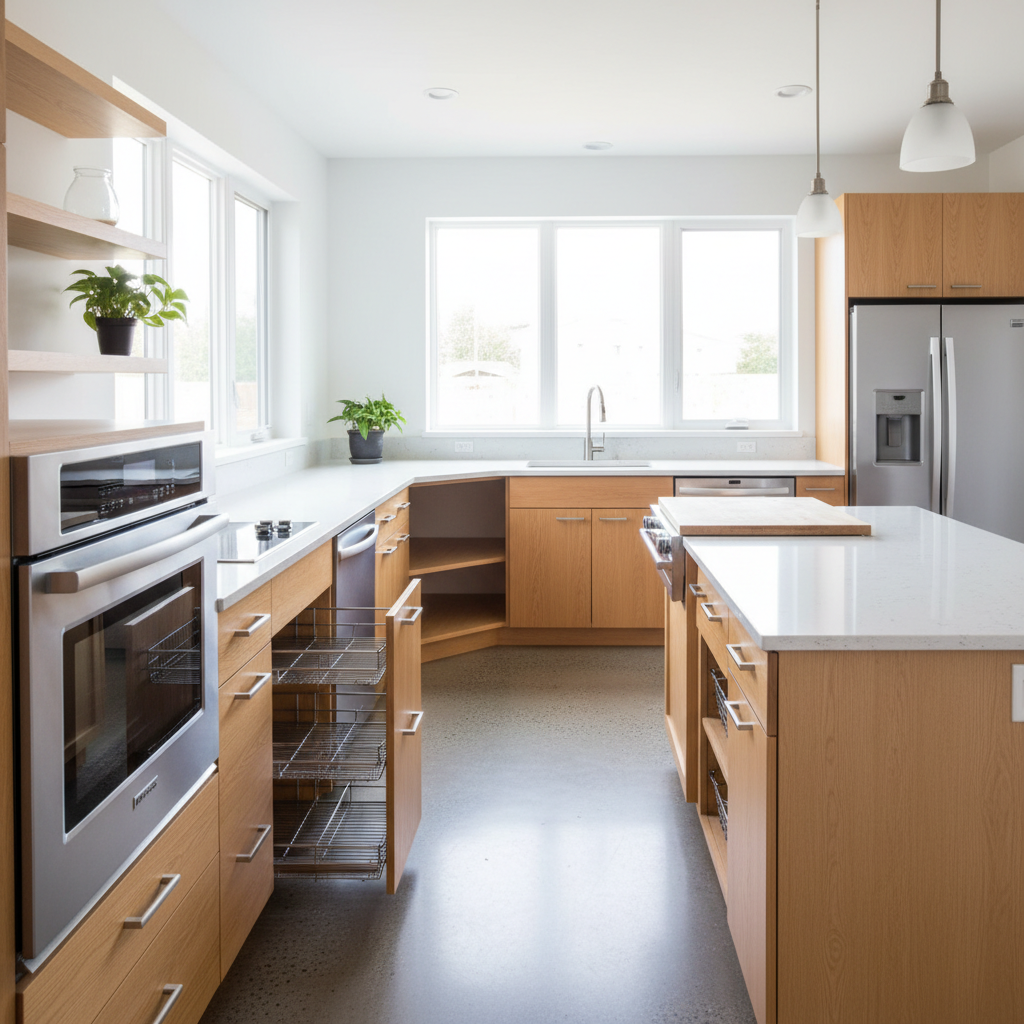
3. Kitchen Functionality and Ease of Use
A well-designed kitchen allows seniors to prepare meals safely and enjoyably.
- Adjustable or Varied Countertop Heights: Consider sections of countertops at different heights, some lower for seated preparation.
- Pull-Out Shelves and Drawers: Eliminate the need to reach deep into cabinets. Pull-out pantry shelves and drawers make items easily accessible.
- Easy-to-Reach Appliances: A side-opening oven, a microwave at counter height, and a front-loading washer/dryer (if laundry is in the unit) reduce bending and reaching.
- Lever-Handle Faucets: Similar to door handles, these are easier to operate than twist knobs.
- Good Task Lighting: Ensure bright, shadow-free lighting over all work surfaces.
4. Optimal Lighting and Visibility
Good lighting is essential for safety, mood, and performing daily tasks, especially as vision declines with age.
- Ample Natural Light: Large windows and skylights reduce the need for artificial light and connect occupants to the outdoors, improving mood and circadian rhythms.
- Layered Artificial Lighting: Combine ambient (general room lighting), task (focused light for reading or cooking), and accent lighting.
- Rocker Light Switches: These are easier to operate than toggle switches, especially for those with limited dexterity. Consider illuminated switches for nighttime visibility.
- Motion-Activated Lighting: Install in hallways, bathrooms, and entryways for automatic illumination, reducing the risk of falls in the dark.
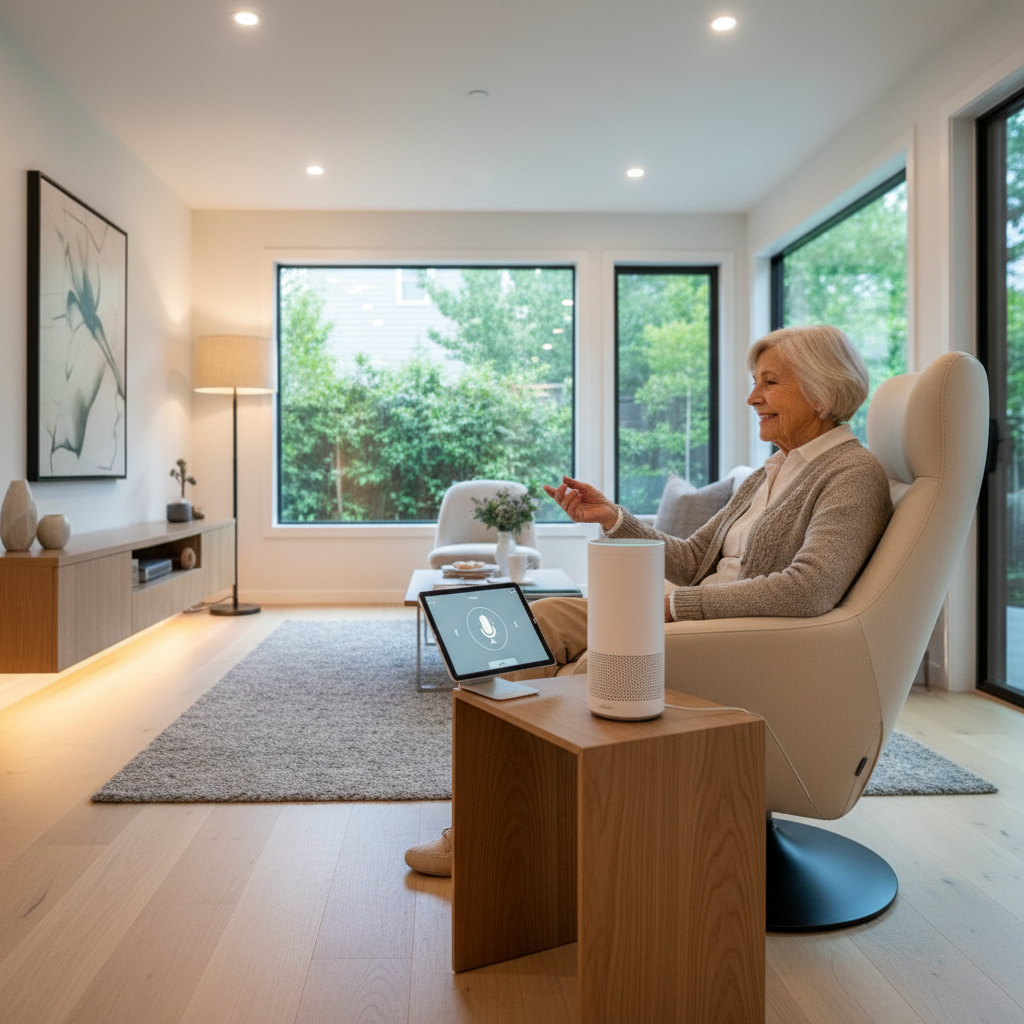
5. Smart Home Technology and Safety Systems
Technology can significantly enhance safety and convenience for aging parents.
- Smart Thermostats: Allow for easy temperature control, often via voice command or a simple app, ensuring comfort.
- Video Doorbells: Provide security and allow your parent to see and speak to visitors without opening the door.
- Emergency Call Systems: Integrate panic buttons or wearable devices that can alert family members or emergency services in case of a fall or medical event.
- Voice-Activated Controls: For lighting, entertainment, or even calling family, voice control can be a game-changer for those with mobility limitations.
6. Comfort, Environment, and Connection
Beyond basic accessibility, an ADU should be a truly comfortable and inviting home.
- Efficient HVAC System: Ensure consistent, comfortable temperatures year-round. Individual climate control for the ADU allows your parent to set their preferred temperature.
- Soundproofing: Good insulation and soundproofing between the ADU and the main house (if close) provide peace and quiet.
- Private Outdoor Space: A small, private patio or garden area with easy access can offer a vital connection to nature and a space for relaxation.
- Comfortable Seating: Plan for furniture that is easy to get into and out of.
- Connectivity: Ensure robust Wi-Fi and easy access to communication tools to stay connected with family and friends.
7. Future-Proofing Your ADU Design
Consider how needs might evolve over time. While you might design for current mobility, plan for potential future changes:
- Reinforce Walls: Even if grab bars aren't installed immediately, reinforce walls in key bathroom areas during construction so they can be added easily later.
- Flexible Spaces: Design rooms that can adapt. For example, a den that could convert to a bedroom for a caregiver if needed.
- Space for Medical Equipment: Ensure there's adequate space for potential future medical equipment like oxygen tanks or hospital beds.
Working with an Expert ADU Builder
Designing and building an ADU with these specialized features requires expertise. A seasoned ADU builder like GatherADU understands not only the local zoning and permitting challenges unique to California but also the nuances of universal design and senior-friendly construction. We can guide you through material selections, layout optimizations, and technology integrations to create a space that truly serves your parent's needs for years to come.
To explore how these thoughtful features can integrate into your custom ADU plan, schedule a free design consultation with GatherADU today.
Conclusion
An ADU for an aging parent isn't just an extra dwelling; it's an investment in their safety, independence, and well-being, as well as your family's peace of mind. By focusing on accessibility, safety, and thoughtful design, you can create a home that supports their evolving needs while keeping them close to the heart of your family. Remember, the goal is to build a space where they can thrive, maintain their dignity, and enjoy life comfortably for many years.
Ready to take the next step toward creating a safe, comfortable, and independent living space for your aging parent? Book your free ADU consultation with GatherADU and let our experts guide you through every stage, from concept to completion.