When planning your Accessory Dwelling Unit (ADU), conversations often revolve around floor plans, finishes, and square footage. But beneath the surface, there's a critical, often overlooked element that significantly impacts your ADU's functionality, cost, and long-term livability: the ADU mechanical chase.
For many homeowners, this term might sound technical and obscure. However, neglecting its proper design can lead to costly headaches, compromised aesthetics, and even permit delays. At GatherADU, we believe in empowering our clients with knowledge, ensuring every aspect of their backyard home is meticulously planned. Let's delve into what a mechanical chase is and why its careful consideration during the design phase is paramount for your California ADU.
What Exactly Is a Mechanical Chase in an ADU?
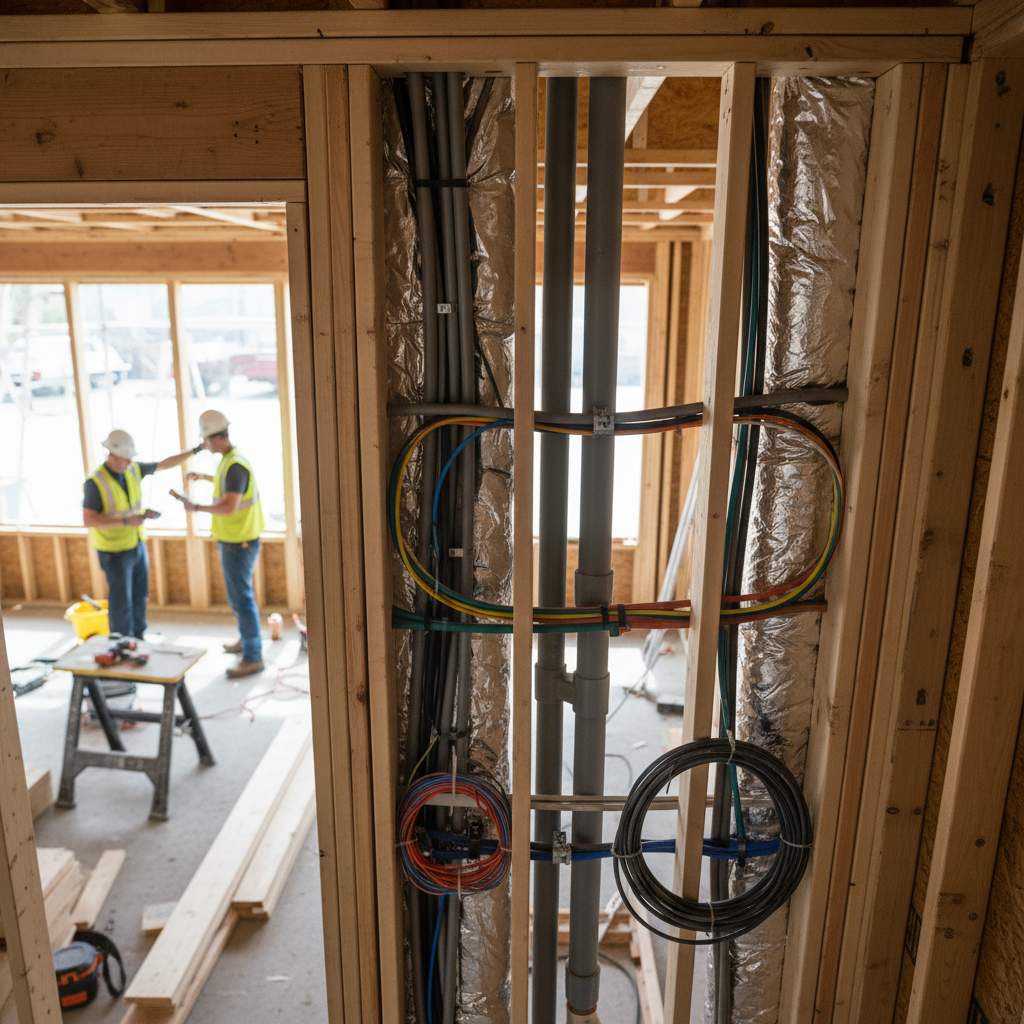
At its core, a mechanical chase is a dedicated vertical or horizontal space within a building's structure designed to house and conceal essential utility lines. Think of it as the building's central nervous system, discreetly carrying everything from plumbing pipes and electrical conduits to HVAC ducts and ventilation systems.
In a traditional large home, these chases might be generous and easily integrated. However, in an ADU, where space is at a premium, the mechanical chase becomes a sophisticated puzzle piece. It's not just a void; it's a carefully engineered pathway that allows your ADU to function as a comfortable, self-sufficient living space.
Key Components Housed in a Mechanical Chase:
- Plumbing Lines: Water supply (hot and cold), drain-waste-vent (DWV) pipes for sinks, showers, toilets.
- Electrical Conduits: Wiring for power outlets, lighting, appliances, and possibly a sub-panel.
- HVAC Ductwork: Supply and return air ducts for heating, ventilation, and air conditioning systems.
- Ventilation Systems: Exhaust ducts for bathrooms, kitchens, and laundry areas to ensure healthy indoor air quality.
- Communication Lines: Coaxial cables, Ethernet, or fiber optic lines for internet and TV.
The goal is to consolidate these systems into a compact, accessible, and code-compliant pathway, minimizing their visual impact and maximizing usable living space within the ADU.
Why the ADU Mechanical Chase is Critical for Your Design
Understanding what a mechanical chase is merely the first step. Appreciating its critical role in ADU design is where true planning intelligence comes in. Here's why it matters:
1. Maximizing Precious Space in a Small Footprint
ADUs are inherently space-efficient. Every square foot counts. A poorly planned mechanical chase can eat into valuable living area, reduce ceiling heights, or create awkward bulkheads. By strategically designing the chase, architects can:
- Optimize Room Layouts: Ensure rooms remain functional and aesthetically pleasing without unsightly exposed pipes or ducts.
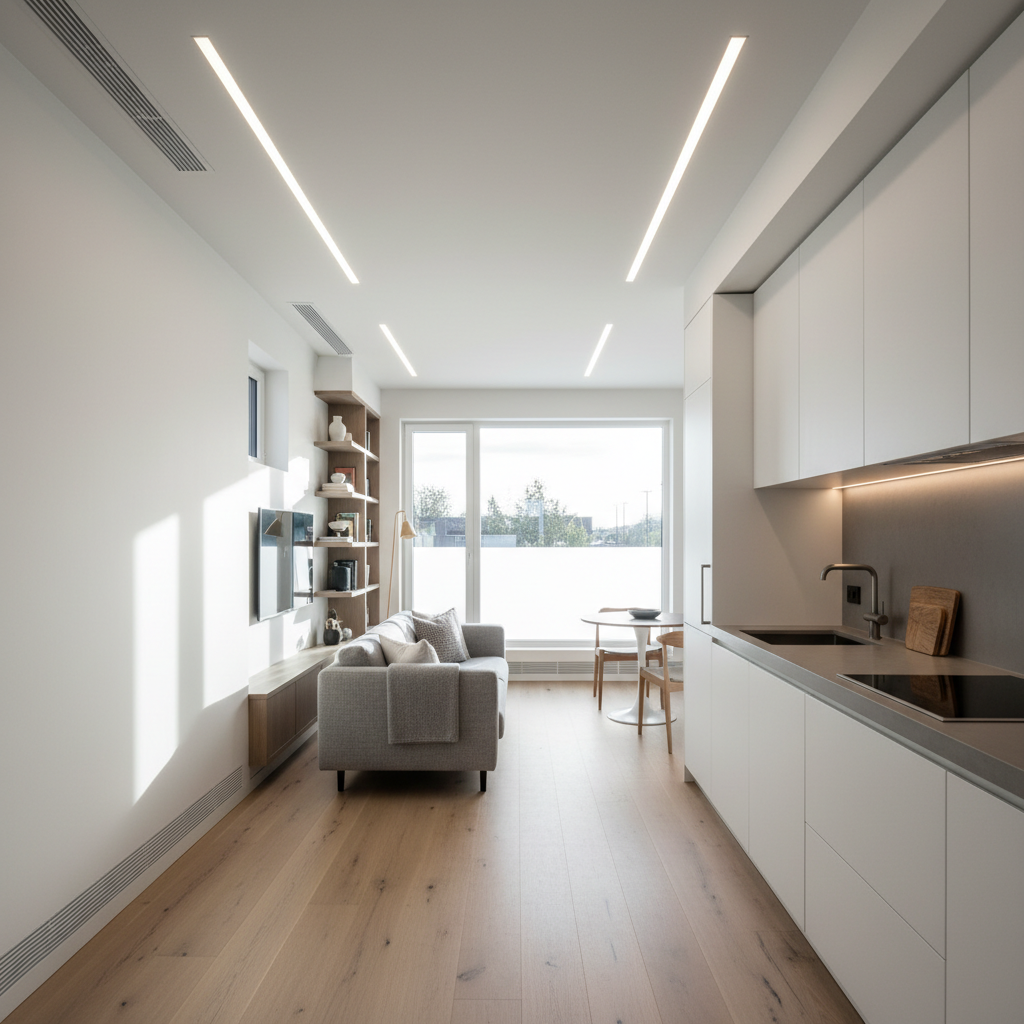
- Maintain Ceiling Heights: Prevent the need for dropped ceilings, which can make small spaces feel even more confined.
- Create Seamless Transitions: Allow for smooth integration of utilities without interrupting the architectural flow.
2. Ensuring Code Compliance and Permitting Success
California's building codes are stringent, especially concerning plumbing, electrical, and HVAC systems. The mechanical chase must adhere to specific requirements for:
- Fire Safety: Proper firestopping materials and techniques are necessary to prevent the spread of fire through vertical shafts.
- Structural Integrity: Chases must not compromise the structural stability of the ADU.
- Accessibility: While concealed, certain components may require access for inspection or maintenance.
- Ventilation: Proper sizing and routing of exhaust ducts are critical for health and safety.
Failing to meet these standards can lead to costly revisions, inspection failures, and significant delays in obtaining your ADU permit – a scenario no homeowner wants.
3. Cost Efficiency and Avoiding Costly Rework
Designing the mechanical chase early and thoroughly is one of the most effective ways to control your ADU construction budget. Retrofitting or relocating utilities after framing is complete is incredibly expensive and time-consuming. Early planning ensures:
- Streamlined Installation: Trades (plumbers, electricians, HVAC technicians) can work efficiently without conflicts.
- Reduced Material Waste: Accurate planning minimizes errors and the need for excess materials.
- Fewer Change Orders: A well-defined plan reduces unforeseen issues during construction, which are notorious for driving up costs.
4. Enhancing Aesthetics and Livability
Nobody wants to see exposed plumbing pipes or bulky HVAC ducts running across their ceiling. The mechanical chase ensures these essential but unappealing elements are hidden, contributing to a clean, modern, and comfortable living environment. This thoughtful concealment enhances:
- Interior Design Freedom: Walls and ceilings remain smooth, allowing for greater flexibility in decor and finishes.
- Noise Reduction: Properly insulated chases can help mitigate noise transfer from mechanical systems.
- Overall Home Value: A well-designed, functional, and aesthetically pleasing ADU commands higher value and tenant appeal.
5. Facilitating Future Maintenance and Accessibility
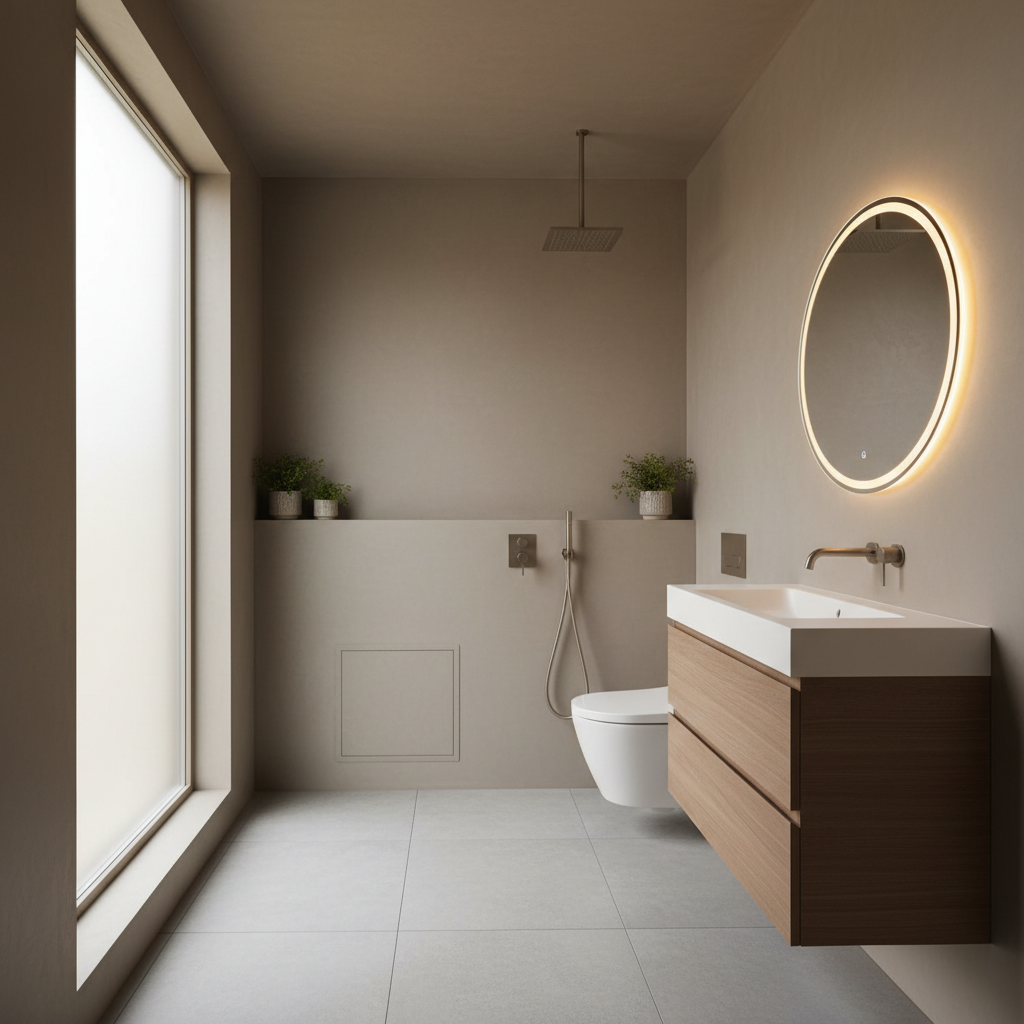
While the goal is to hide utilities, they still need to be accessible for future maintenance, repairs, or upgrades. A good mechanical chase design incorporates strategic access points – often hidden panels or removable sections – allowing professionals to service the systems without tearing down walls or ceilings. This foresight saves significant time and money down the line.
Considering an ADU? Schedule a free design consultation with GatherADU!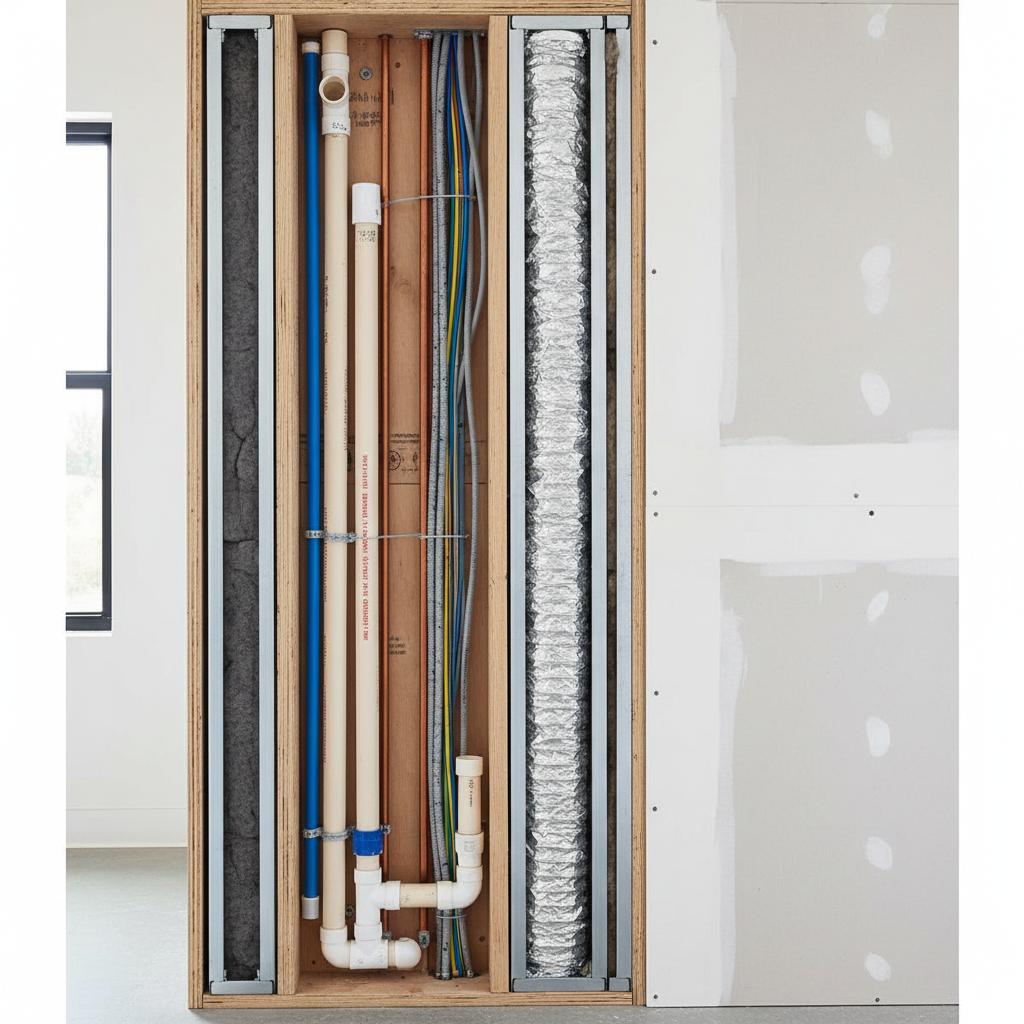
Common Mechanical Chase Challenges in ADUs
Given the compact nature of ADUs, designing an effective mechanical chase presents unique challenges:
- Limited Wall Cavity Space: Standard 2x4 or even 2x6 walls can be insufficient for larger ducts or multiple pipes.
- Conflicting Systems: Plumbing, electrical, and HVAC often compete for the same limited chase space.
- Structural Integration: Chases must be integrated without compromising load-bearing elements.
- Sound Transmission: Noise from plumbing or HVAC can easily transmit through chases if not properly insulated.
- Ventilation Requirements: Ensuring adequate airflow and exhaust in a confined space.
Best Practices for Designing an ADU Mechanical Chase
Addressing these challenges requires expertise and a proactive approach. Here's how GatherADU approaches mechanical chase design:
1. Early and Integrated Planning
The mechanical chase isn't an afterthought; it's a fundamental part of the initial architectural design. Our team integrates utility planning from day one, often using 3D modeling to visualize how systems will fit together.
2. Collaborative Expert Input
We bring together architects, structural engineers, plumbers, electricians, and HVAC specialists during the design phase. This collaborative approach ensures all systems are accounted for, conflicts are resolved before construction begins, and the design meets all California building codes.
3. Strategic Placement and Sizing
We carefully consider the optimal location for chases, often centralizing them or aligning them with less visible areas (e.g., behind a closet, next to a bathroom core). Chases are sized adequately to accommodate all necessary components with room for insulation and future access.
4. Utilizing Innovative Solutions
Sometimes, standard solutions aren't enough. We explore options like:
- Horizontal Chases: Utilizing floor joists or attic space where vertical chases are restrictive.
- Compact Systems: Recommending smaller, more efficient tankless water heaters or mini-split HVAC systems that require less ductwork.
- Shared Walls: Designing ADUs where bathrooms and kitchens share a wall to consolidate plumbing.
5. Ensuring Accessibility for Maintenance
Thoughtful design includes integrating discreet access panels in strategic locations, allowing for easy maintenance without causing disruption or damage to finished surfaces.
Get a free estimate for your ADU project today!The Impact of Poor Mechanical Chase Design
Ignoring the mechanical chase during the initial ADU design phase can lead to a cascade of negative consequences:
- Budget Overruns: Unexpected modifications, rerouting of pipes, or structural changes can add thousands to your project cost.
- Construction Delays: Conflicts between trades, re-inspections, and redesigns can push back your completion date by weeks or even months.
- Compromised Aesthetics: Unsightly bulkheads, dropped ceilings, or exposed conduits detract from the ADU's appeal.
- Maintenance Nightmares: Inaccessible systems make repairs difficult, costly, and potentially destructive.
- Code Violations: Failing inspections due to improper utility routing or firestopping can halt your project entirely.
- Reduced Livability: Noisy systems, poor ventilation, or cramped spaces diminish the quality of life for occupants.
These issues underscore why a holistic design approach, one that prioritizes the mechanical chase from the outset, is not just beneficial but essential for a successful ADU.
GatherADU's Approach to Seamless Mechanical Chase Integration
At GatherADU, we pride ourselves on our meticulous planning and integrated design-build process. Our in-house team of experts understands the nuances of California ADU regulations and the critical importance of a well-designed mechanical chase. We don't just build ADUs; we craft highly functional, beautiful, and code-compliant living spaces.
By engaging with us early, you benefit from:
- Expert Planning: Our architects and engineers meticulously plan every system, ensuring seamless integration.
- Cost Predictability: Thorough planning reduces surprises and helps us deliver accurate project estimates.
- Faster Permitting: Code-compliant designs mean smoother sailing through the permitting process.
- Superior Aesthetics: Your ADU will be free of unsightly utility intrusions, maximizing livable space.
- Long-Term Value: A well-designed ADU is more efficient, easier to maintain, and holds greater value.
Conclusion
The mechanical chase, though often out of sight and out of mind, is a foundational element in the success of any ADU project. Its thoughtful design is not just about hiding pipes and wires; it's about optimizing space, ensuring safety, controlling costs, and enhancing the overall quality and longevity of your backyard home. By prioritizing the ADU mechanical chase from the very beginning of your design process, you lay the groundwork for a truly efficient, beautiful, and compliant ADU.
Don't leave this critical aspect to chance. Partner with experts who understand the intricate details of ADU construction. Ready to discuss your ADU vision and ensure every element, including the mechanical chase, is perfectly planned? Book your free ADU consultation with GatherADU today and let's build your dream backyard home!