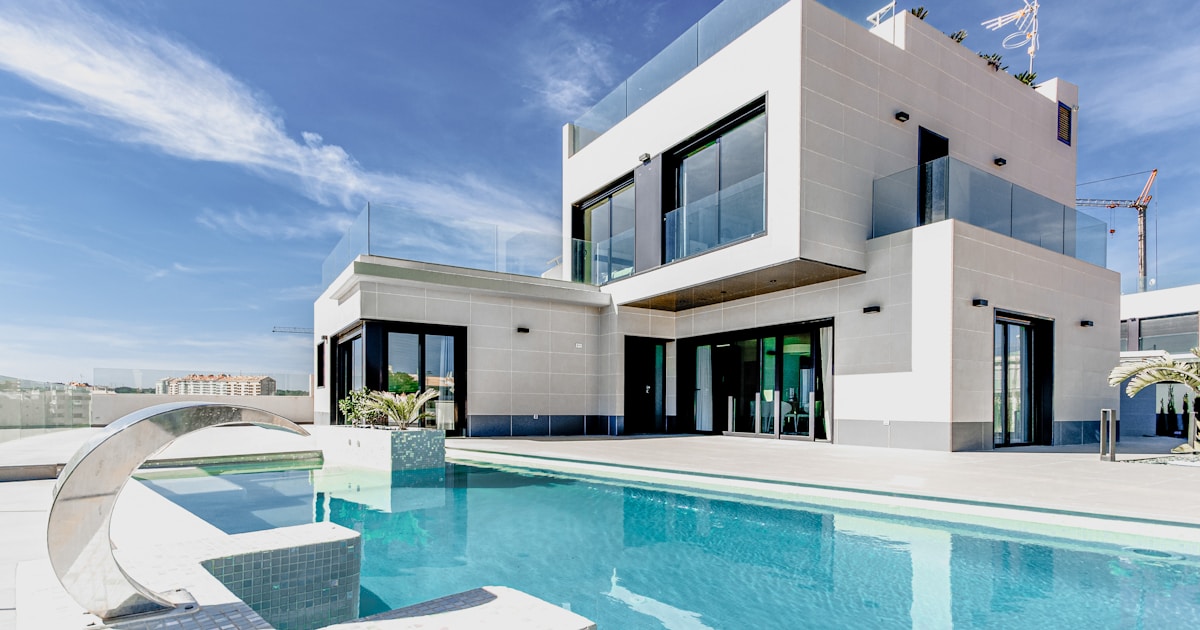
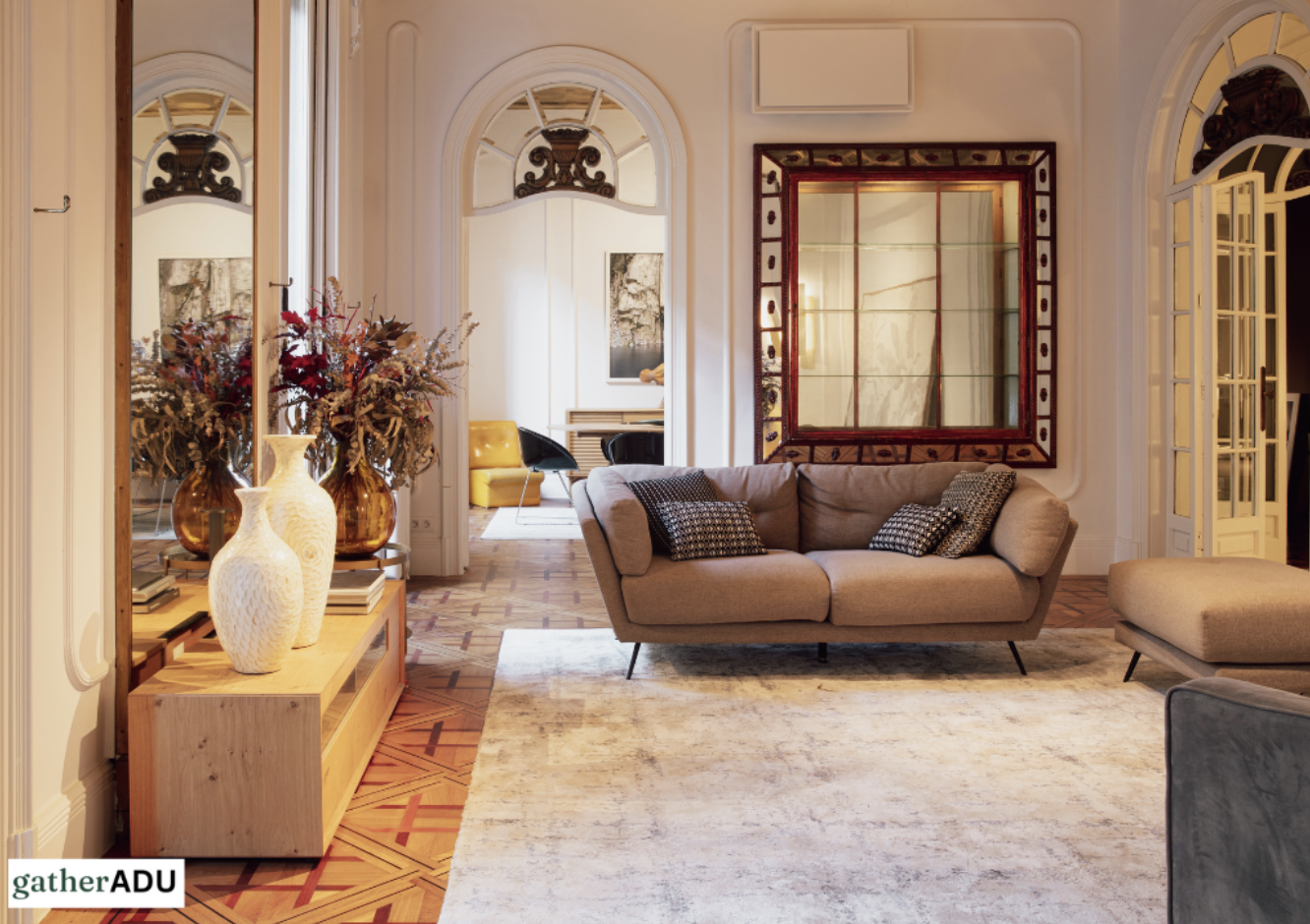
All ADU designs in Central Oregon must follow single-family building codes. The unit must have its own separate door, kitchen, and bathroom. Furthermore, it must follow zoning rules for size, setbacks, and height. Detached ADUs need to be placed correctly and be far enough from the main house. Also, the design must look similar to the main house. This process keeps the ADU safe, functional, and visually consistent.
Gather ADU simplifies this whole process by matching every project to local rules. Specifically, our team handles permits, construction, and planning from the beginning to the end. We help people build modern, compliant ADUs. Therefore, these new units raise property value. In addition, they keep comfort and function high. Finally, these units ensure long-term sustainability across Central Oregon.
How to Design an ADU That Fits Oregon’s Zoning Standards?
To design a compliant ADU, you must know your local Oregon zoning requirements. First, check key limits like setback distances, height, and size. Next, your ADU must have a kitchen, a bathroom, and a place to sleep. Finally, always check for code compliance, parking, and owner-occupancy rules. Ultimately, confirm all requirements before you send in your permit application.
Key zoning factors include:
- Maximum ADU size (usually 800–1,200 square feet)
- Required setbacks from property lines
- Lot coverage limitations
- Parking and access requirements
First, confirm all zoning rules like setbacks, height, and size. Then, change your ADU design to match the look of the site and neighborhood. This alignment supports community beauty and makes the approval process simple. It can also increase the property value. Furthermore, this step prevents permit delays. It also lowers the cost of design and build changes. Ultimately, doing this saves you time and money during the building phase.
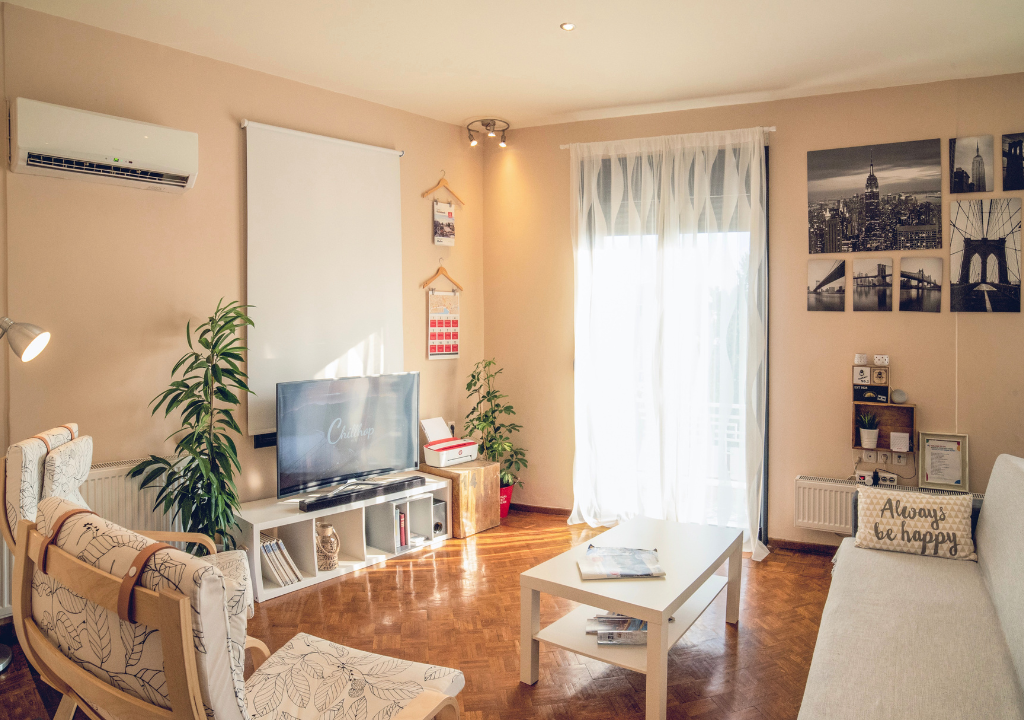
What Are the Minimum Size and Height Rules for ADUs in Central Oregon?
Oregon has no state rules for ADU size or height. Instead, each local city or county sets these limits. Therefore, the specific rules change based on where you live. For example, in Corvallis, an ADU cannot be larger than 900 square feet. Or, it cannot exceed 85% of the main house size, whichever is smaller. Also, the ADU must follow the height rules for its zone. In contrast, Salem limits detached ADUs to 25 feet in height.
Smaller detached ADUs or conversions must meet minimum size rules. This applies to living areas, bathrooms, and kitchens. In addition, the structure must have good ventilation and insulation. Also, the outside look should match the main house. Finally, always check your city's ADU handbooks for the final approval rules.

How Do Building Codes Impact ADU Design and Safety?
Building codes set the minimum rules for a home's structure and safety. Specifically, they cover fire safety, plus the electric and plumbing systems. They also ensure energy efficiency. Furthermore, these rules guide the ADU's design and make it safer. For example, codes affect things like lot coverage, size, and height. In addition, they require features like escape windows and separate doors.
Meeting these codes often influences design details like:
- Ceiling height and stair dimensions
- Emergency egress window placement
- Fire-rated walls and separation distances
- Electrical and plumbing layout efficiency
First, these factors ensure occupant safety, a strong structure, and long-term durability. Therefore, you must understand and meet all permit rules before you start building. This step helps maintain compliance and stops violations. Ultimately, this keeps the ADU project secure and efficient. This focus also ensures the project follows Oregon's building rules through every phase.
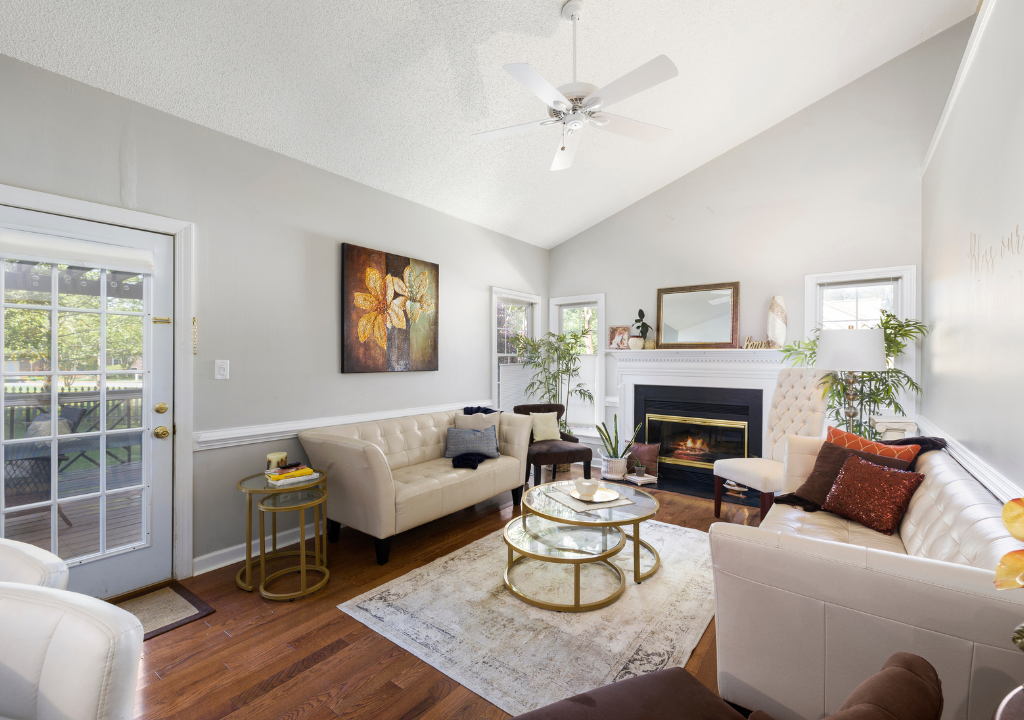
What Utility and Access Requirements Must Be Met for ADUs?
ADUs must have a separate, independent door. Also, they often need their own meters for water, electric, and gas service. Finally, the ADU needs to connect to public systems like water and sewer. Access to a public street is also required. This access must include a safe, easy-to-use walkway. However, the exact rules can change based on your local city or county.
Essential utility standards:
- Separate or shared utility meters based on city code
- Safe utility trenching and electrical conduit placement
- Adequate drainage and backflow prevention systems
- Emergency access paths for first responders
Working with licensed builders makes utility work quick and controls costs. This also ensures the system works well for many years. Good planning is vital for safe water, sewer, and electric hookups. Plus, it makes sure those hookups meet all city rules. As a result, this method stops expensive problems and improves how the ADU works. Ultimately, it guarantees the ADU runs reliably and follows the rules for years ahead. This process can provide complete comfort and privacy.
How Does Design Harmony Affect ADU Approval?
ADU approval depends on local rules and your specific zone. Crucially, making the design match is very important in historic districts. Likewise, you must check the rules from your Homeowners Association (HOA). However, while many areas want matching designs, it is not always a strict rule for approval.
ADUs that look similar to the main house get fast approval. Therefore, builders must use quality materials and similar window designs. Also, they should use finishes that work well together. This balance meets design rules. Plus, it raises the property value and helps the ADU fit into the neighborhood.
Ready to Build a Code-Compliant ADU in Central Oregon?
Building an ADU can feel challeging because of complex zoning and construction rules. Consequently, many homeowners struggle to understand building codes and handle permits. Furthermore, it is hard to manage design plans that meet all state and city standards both efficiently and affordably.
Gather ADU removes the confusion with expert planning, transparent communication, and full project management. Our team designs and builds ADUs that comply with Oregon’s regulations, enhance property value, and meet your lifestyle goals. Contact Gather ADU today to start your stress-free ADU journey in Central Oregon.
FAQs
How much does it cost to build an ADU in Central Oregon?
Building an ADU in Central Oregon costs between $125,000 and $350,000, depending on size, finishes, and site conditions. Early budgeting and professional design help control expenses. Furthermore, this ensures all construction meets current building and energy standards. Ultimately, meeting these standards guarantees long-term value.
Can I rent my ADU after construction?
Yes, most cities in Central Oregon allow homeowners to rent ADUs for long-term housing. However, short-term rentals may require special permits or restrictions. Always confirm local ordinances before leasing your ADU. This ensures compliance with all zoning and property-use regulations.
How long does it take to build an ADU?
Typical ADU projects take six to twelve months from design to completion. The timeline depends on permit processing, weather, and contractor scheduling. Early planning with an experienced builder reduces delays. Furthermore, this keeps every phase of construction on schedule.
Do I need separate utilities for my ADU?
Some cities require separate utility meters, while others allow shared connections. This depends on local codes and property layout. Consulting your builder and utility providers ensures compliance. Furthermore, this helps design the most efficient system. Ultimately, the system will also be cost-effective for your ADU project.
Do I need a permit to build an ADU in Central Oregon?
Yes, you must get a building permit before building an ADU in Central Oregon. The permit process makes sure your design follows all rules for structure, safety, and zoning. Therefore, sending in correct plans and documents early makes approval faster. Ultimately, this stops expensive delays and makes sure your ADU fully follows all the rules.