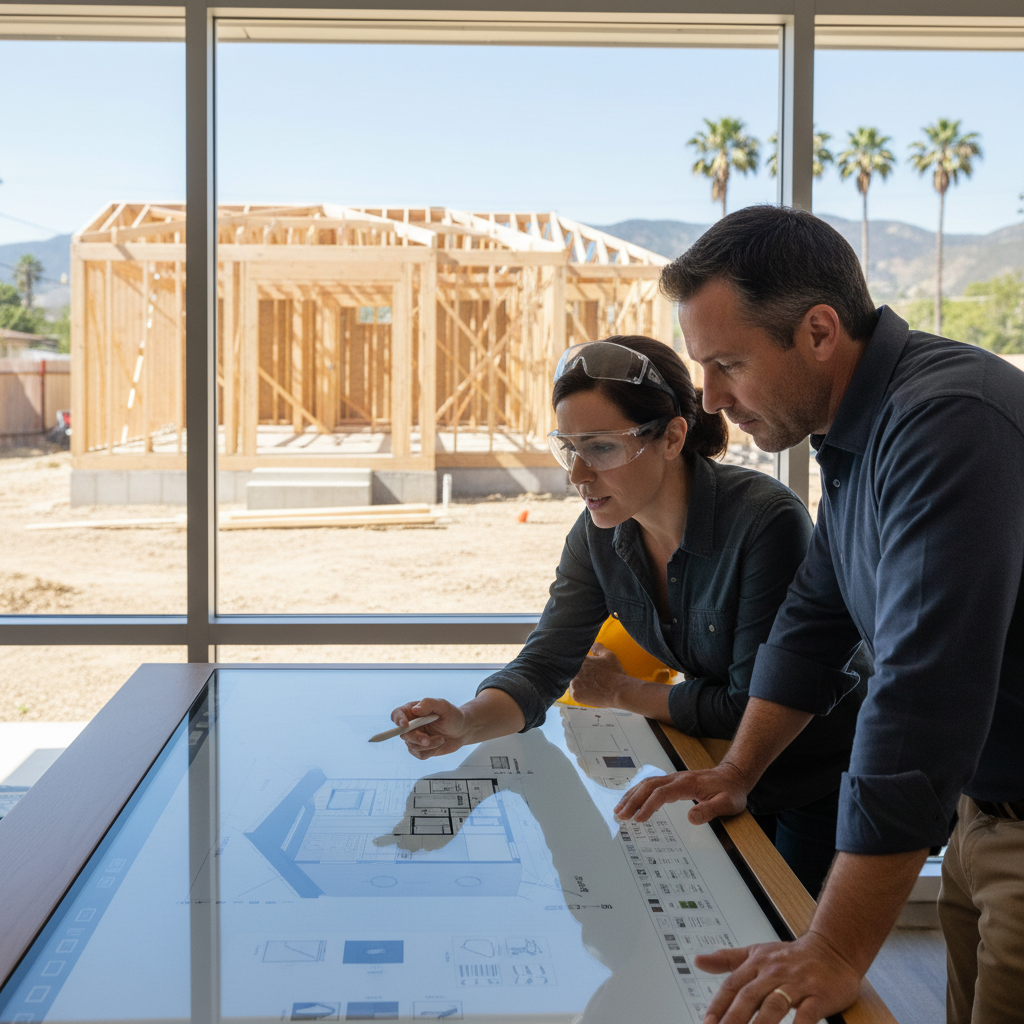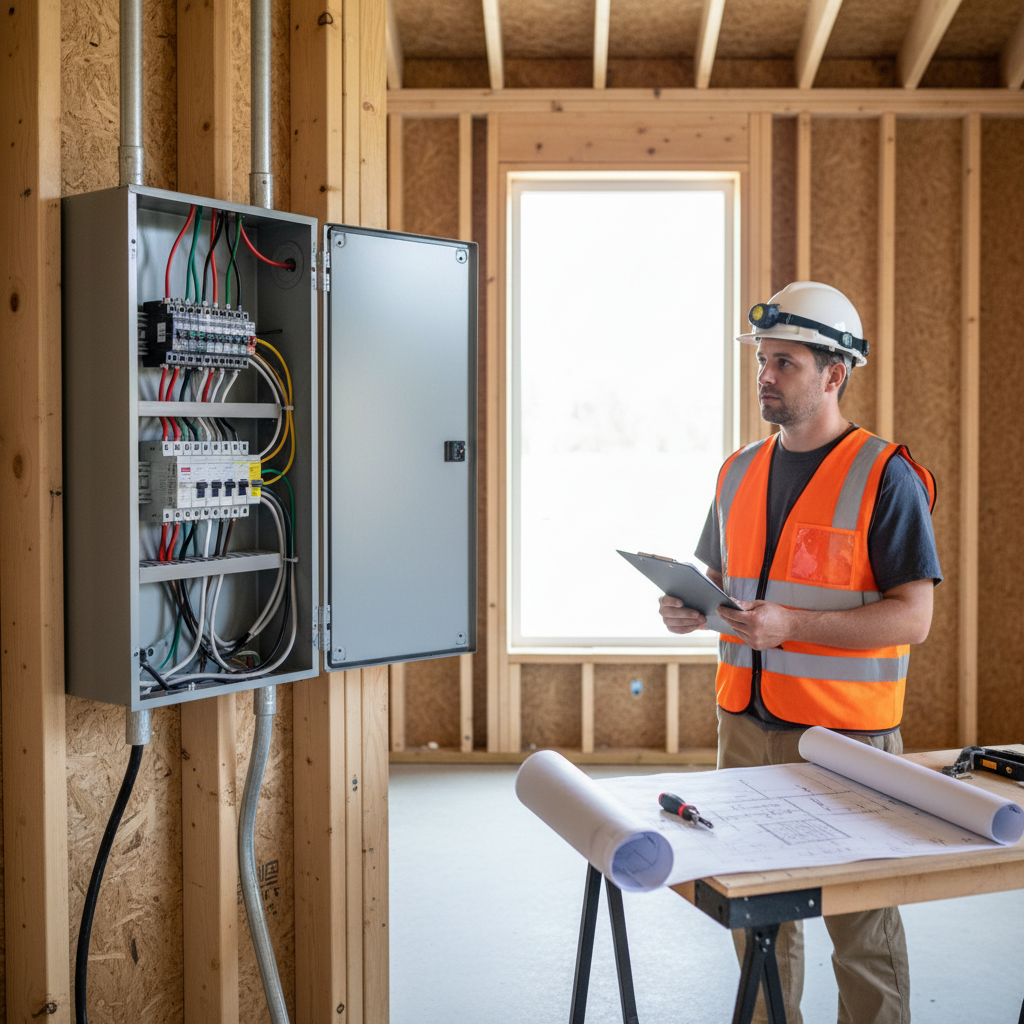
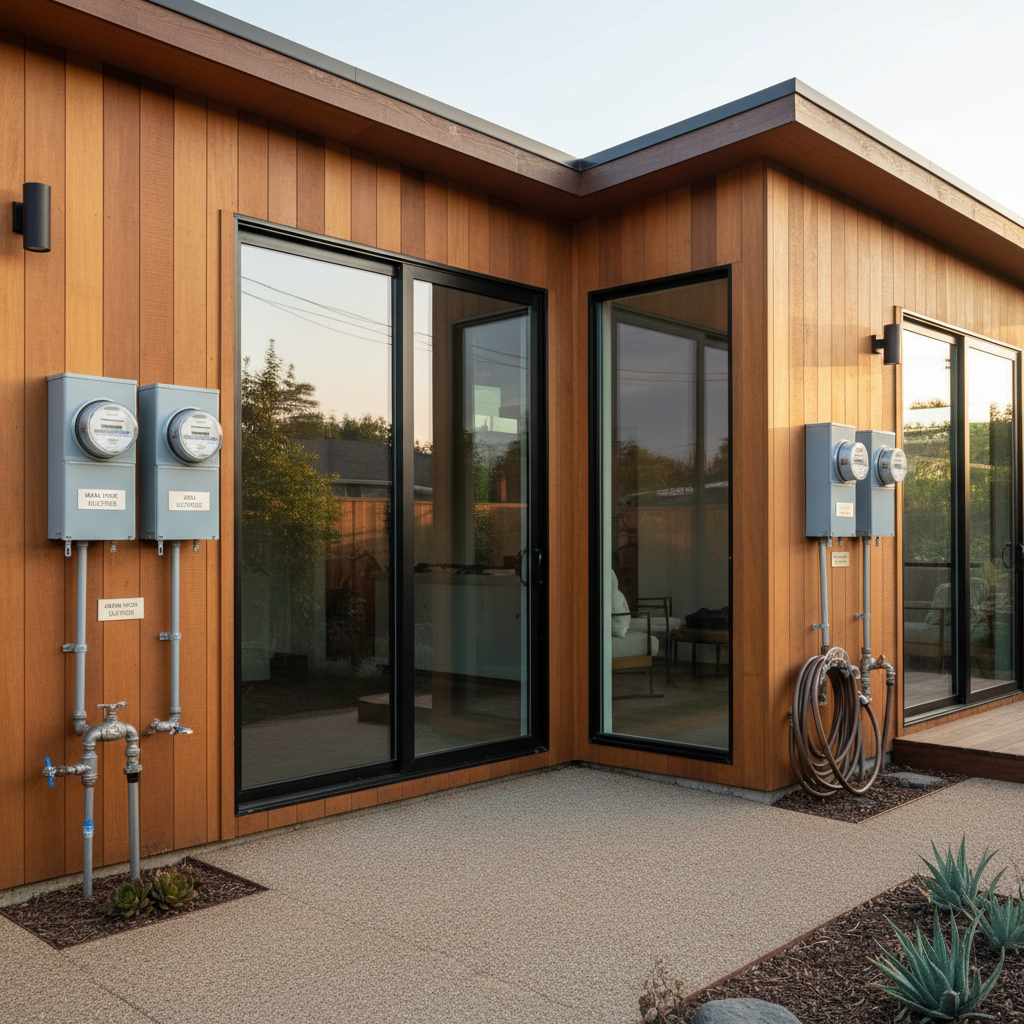
Planning an Accessory Dwelling Unit (ADU) in California brings exciting possibilities, but also requires careful consideration of practical details. One of the most common questions homeowners ask is about ADU utilities California: will your new backyard home share services with the main house, or will it require its own separate connections? Understanding the nuances of shared versus separate metering is crucial, as it impacts everything from upfront costs to ongoing billing and potential rental income. This comprehensive guide from GatherADU will walk you through the options, regulations, and tradeoffs to help you make an informed decision for your ADU project.
Shared Utilities: Streamlined Connection
When an ADU utilizes shared utilities, it means the new unit taps into the main home's existing water, gas, and electrical service. There aren't separate meters installed for the ADU; instead, its consumption is measured collectively with the primary residence.
- Pros:
- Lower Upfront Costs: This is often the most significant advantage. You avoid the substantial expenses associated with installing new utility lines, meters, and paying separate connection fees to utility companies.
- Simpler Initial Hookup: The process of connecting to existing services is generally less complex and faster than establishing entirely new ones.
- Cons:
- Increased Main Home Bill: The primary homeowner's utility bills will naturally increase to reflect the ADU's usage.
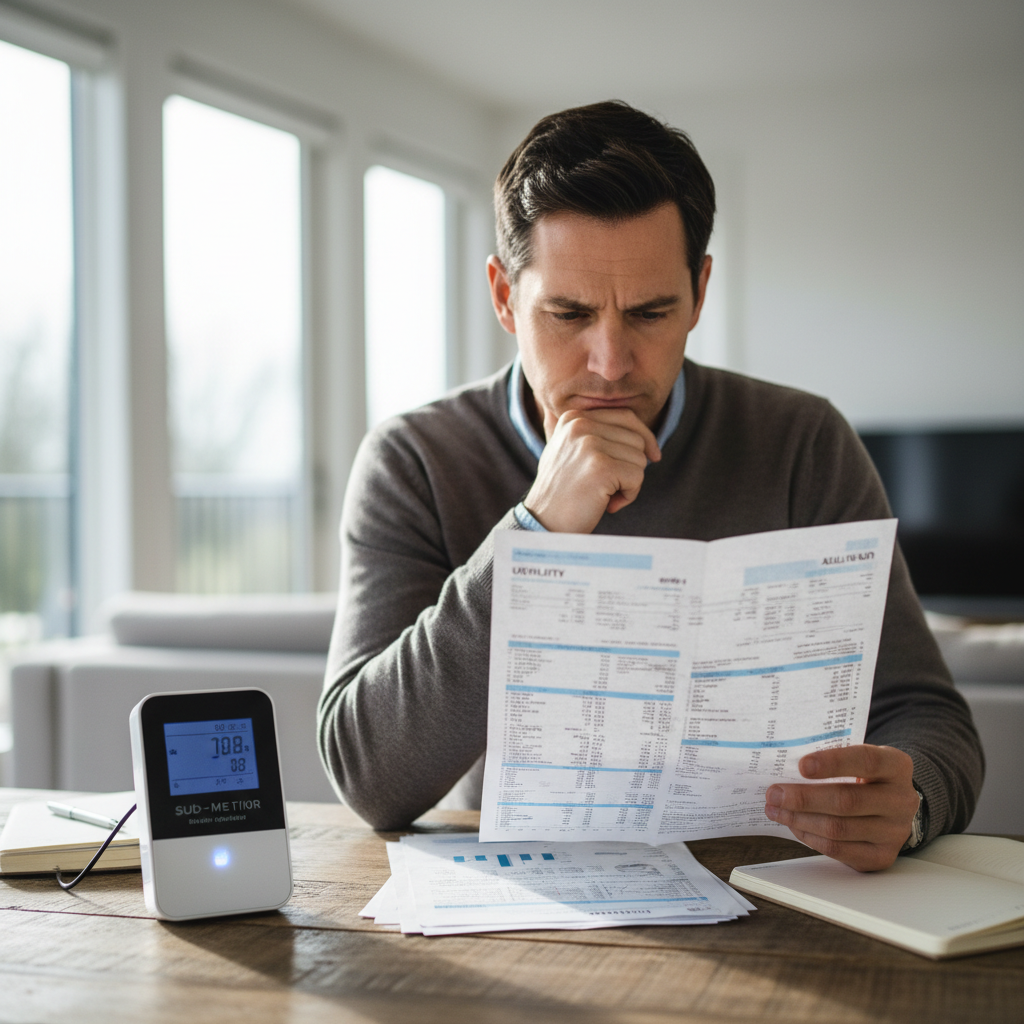
- Billing Complexities: Determining how to fairly charge an ADU occupant for their share of utilities can be challenging. This often requires careful negotiation, sub-metering, or a fixed utility fee as part of the lease agreement.
- Potential for Disputes: Without clear usage tracking, disagreements over utility costs between the homeowner and ADU tenant can arise.
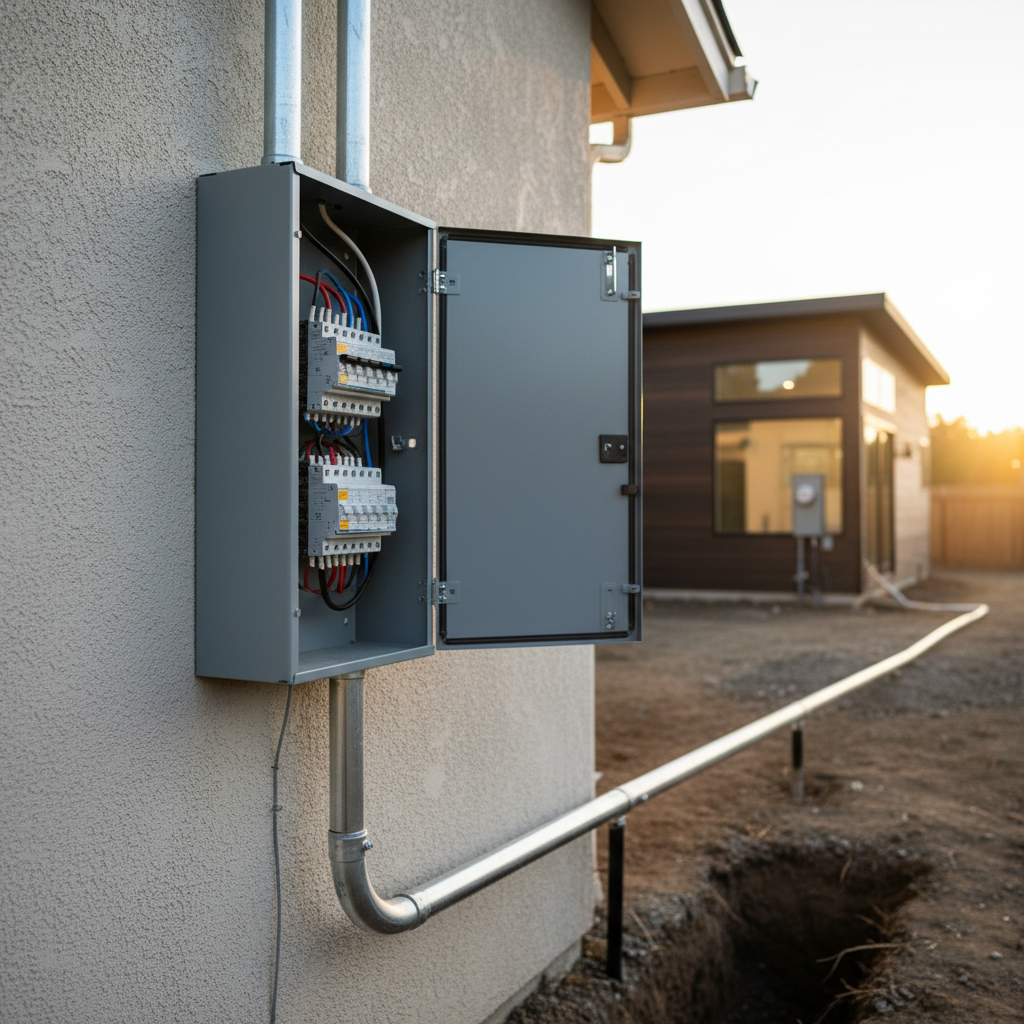
Separate Utilities: Independent Service
Opting for separate utilities means your ADU will have its own dedicated meters and accounts for each utility service—water, gas, and electricity. This essentially treats the ADU as a standalone property from a utility perspective.
- Pros:
- Clear, Independent Billing: Tenants receive and pay their own utility bills directly to the providers, eliminating any ambiguity or disputes with the homeowner.
- No Impact on Main Home's Usage: The ADU's utility consumption does not affect the primary residence's bills or usage tiers.
- Easier Property Valuation: For future appraisals or sales, separate utility accounts can sometimes simplify valuation as they clearly delineate two independent living units.
- Cons:
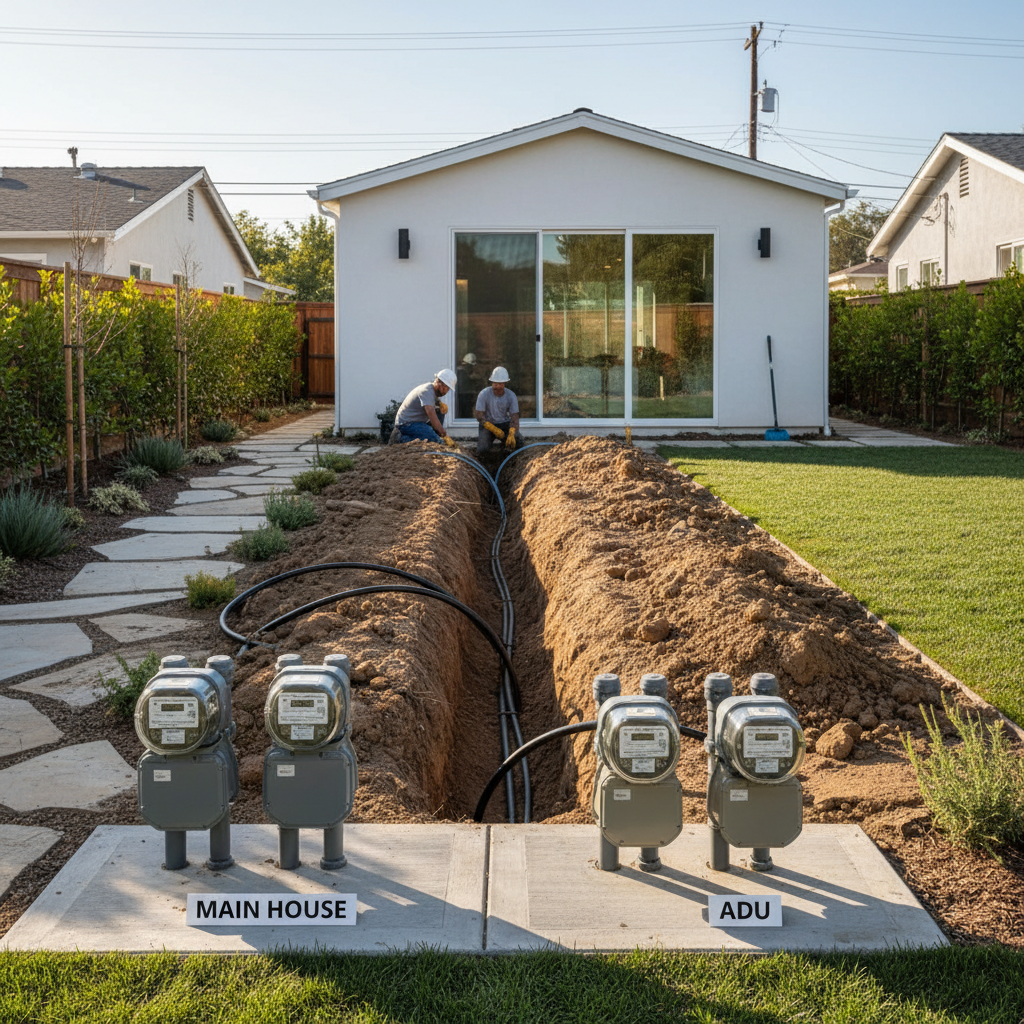
- Significantly Higher Upfront Costs: This is the major drawback. Installing separate utility lines involves extensive trenching, new meter installations for each service, significant utility company connection fees, and potentially impact fees from the city or county. These costs can add tens of thousands of dollars to your project budget.
- More Complex Permitting: Establishing new utility connections requires additional coordination and approvals from various utility providers and local agencies, adding layers to the permitting process.
California Regulations & Local Mandates
Understanding the regulatory landscape for ADU utilities California is paramount. While state law aims to streamline ADU development, local jurisdictions retain significant authority over utility requirements.
State Law Framework: California state law generally encourages shared utilities for ADUs to reduce development barriers, especially for attached units. The intent is to make ADUs more affordable and accessible to homeowners.
Local Ordinance Divergence: Crucially, many cities and counties across California impose their own specific requirements that can override state recommendations. For instance:
- Some cities, particularly in denser urban areas or for specific types of ADUs, may mandate separate meters for detached ADUs (e.g., certain areas within Los Angeles, San Diego County, or Santa Clara County).
- Other cities might allow shared service for both attached and detached units, provided certain conditions are met.
- Attached ADUs, which are part of the existing structure, often default to shared utility services.
Permit Requirement: Regardless of whether you choose shared or separate, your utility connection plan is a mandatory component of your ADU permit submittal. It must be designed by qualified professionals, approved by the city/county, and adhere to all local and state building codes and utility company standards. This is not an afterthought; it's a critical design element that needs to be addressed early in the planning process.
Given the varying requirements across California cities, understanding your specific local ordinances is paramount. For precise guidance tailored to your property and to ensure your utility plan aligns with all regulations, connect with a GatherADU specialist.
Cost & Billing Considerations
Beyond the regulatory mandates, the financial implications of shared vs. separate utilities are a major factor in your decision-making.
Upfront Costs:
- Shared Utilities: Generally minimal. Costs are primarily for connecting the ADU's internal plumbing and electrical systems to the main home's existing lines. There are typically no new utility company fees or trenching involved.
- Separate Utilities: Substantial. This option incurs significant costs for:
- Trenching: Excavating new pathways for utility lines from the street or property line to the ADU.
- New Meter Installation: Fees for installing individual water, gas, and electricity meters.
- Utility Company Connection Fees: Charges levied by providers (e.g., PG&E, SoCalGas, local water districts) for establishing new service.
- Impact Fees: Some jurisdictions may charge additional fees for new utility connections to offset infrastructure strain.
Ongoing Billing & Management:
- Shared Utilities:
- Lease Agreement: A clear, legally sound lease agreement with your tenant is essential. It must explicitly define how utility costs will be shared.
- Sub-meters: For more accurate billing, consider installing sub-meters for electricity and water. These devices track the ADU's usage, allowing you to bill the tenant based on their actual consumption. Note that gas sub-metering is often more complex or impractical for residential units.
- Negotiated Percentage/Flat Fee: Without sub-meters, you'll need to negotiate a fixed monthly utility charge or a percentage of the total bill. This method can sometimes lead to disagreements if usage fluctuates significantly.
- Separate Utilities:
- Straightforward: This is the simplest option for ongoing billing. Tenants receive their own bills directly from the utility providers and are responsible for payment. This eliminates any landlord-tenant disputes over utility usage or cost allocation.
Making the Right Choice for Your ADU
Your decision regarding ADU utilities California will ultimately hinge on a combination of factors specific to your project:
- ADU Type: Is it an attached ADU (part of your existing home) or a detached ADU (a separate structure)? This often influences local requirements.
- Intended Use: Will it house a family member, or will it be a rental unit? Rental properties often benefit from the clarity of separate meters.
- Budget: What is your tolerance for upfront costs? Separate utilities come with a significantly higher initial investment.
- Desire for Independence: Do you prioritize a clear separation of utility responsibilities between your main home and the ADU occupant?
- Local Requirements: This is frequently the ultimate deciding factor. Your city or county's specific ordinances will dictate what is permissible.
Navigating the complexities of ADU utility planning is a critical step. To ensure you make the most informed decision for your project, schedule a free ADU consultation with GatherADU. Our experts can clarify local mandates and help you weigh the financial implications.
Conclusion
Understanding ADU utilities California is a critical step in your backyard home journey. While state laws provide a framework, local ordinances and the specifics of your property will ultimately dictate whether shared or separate meters are the right—or required—path. Don't leave this crucial decision to chance. Partner with experienced ADU professionals who can guide you through the permitting process, advise on cost-effective solutions, and ensure your project complies with all regulations. Book your free, no-obligation ADU consultation today to discuss your project and get personalized insights into your utility options.