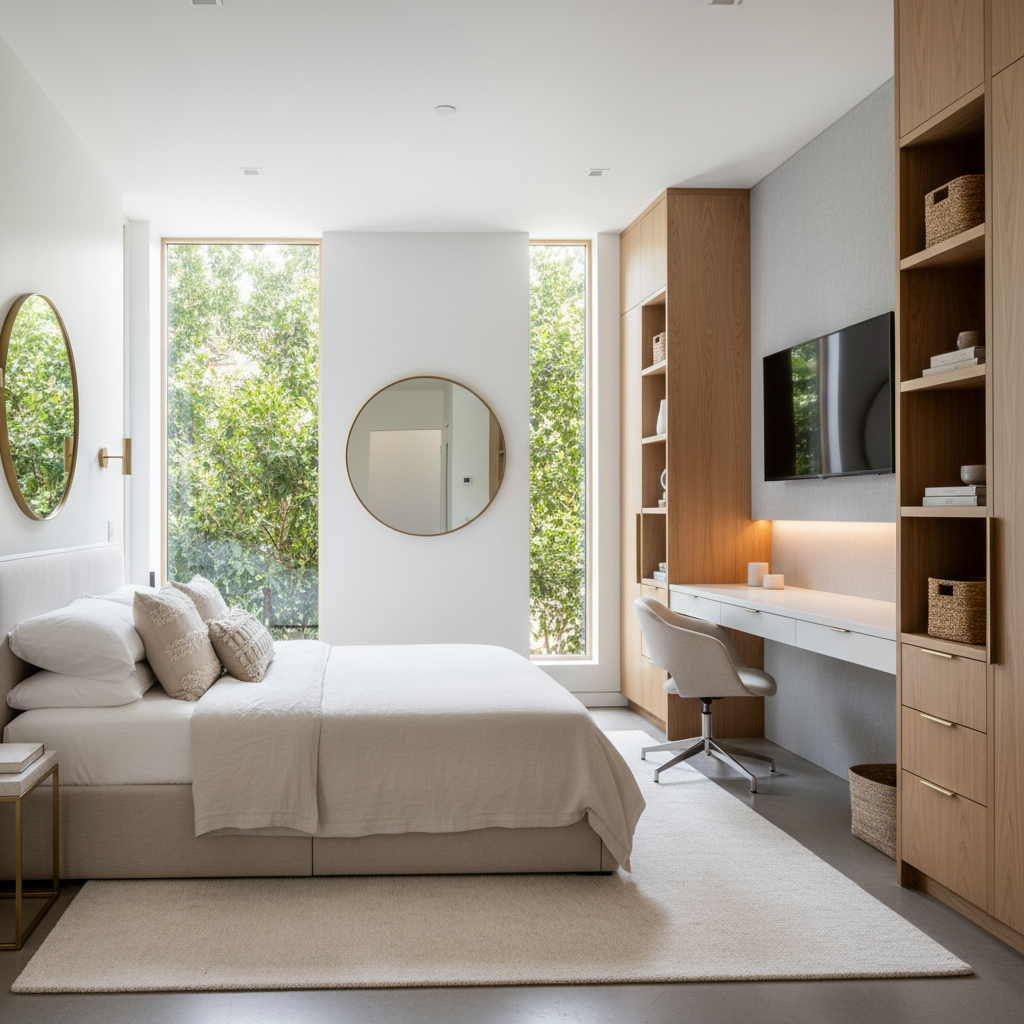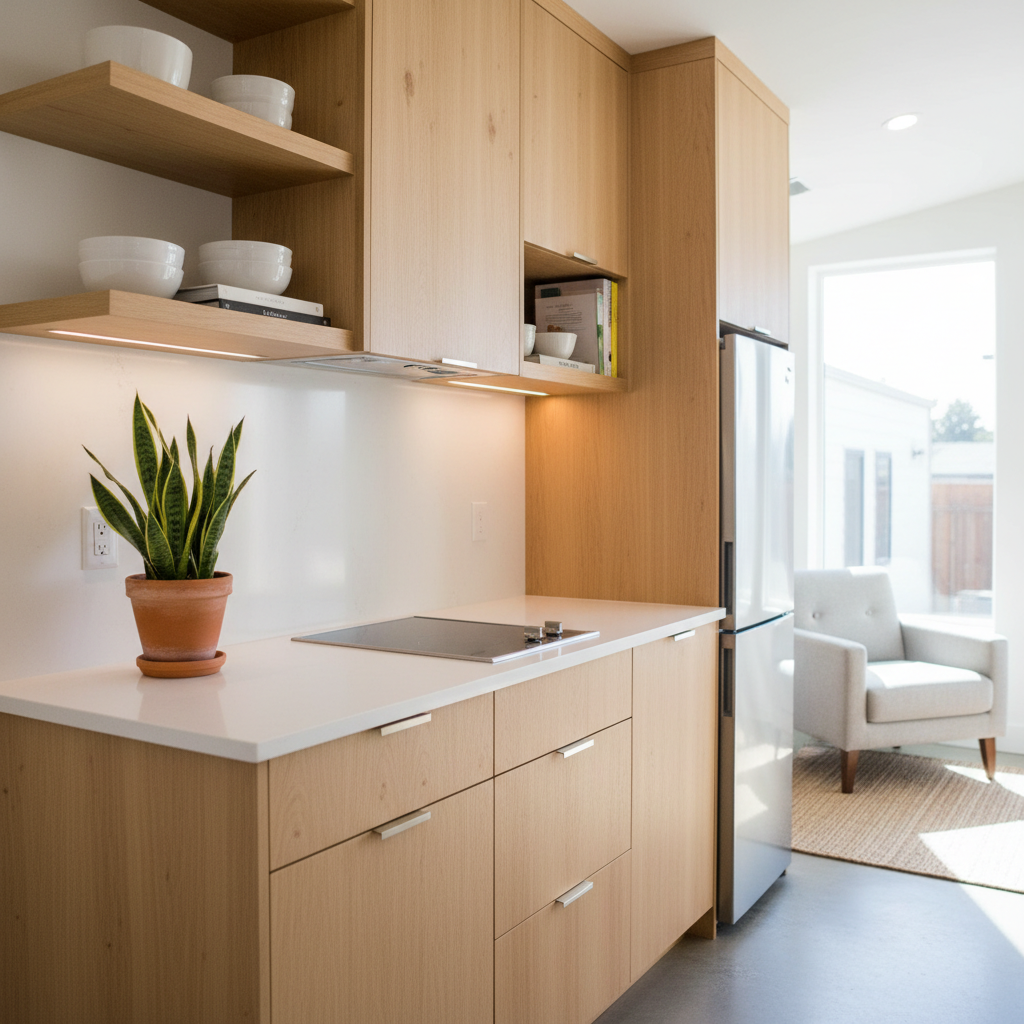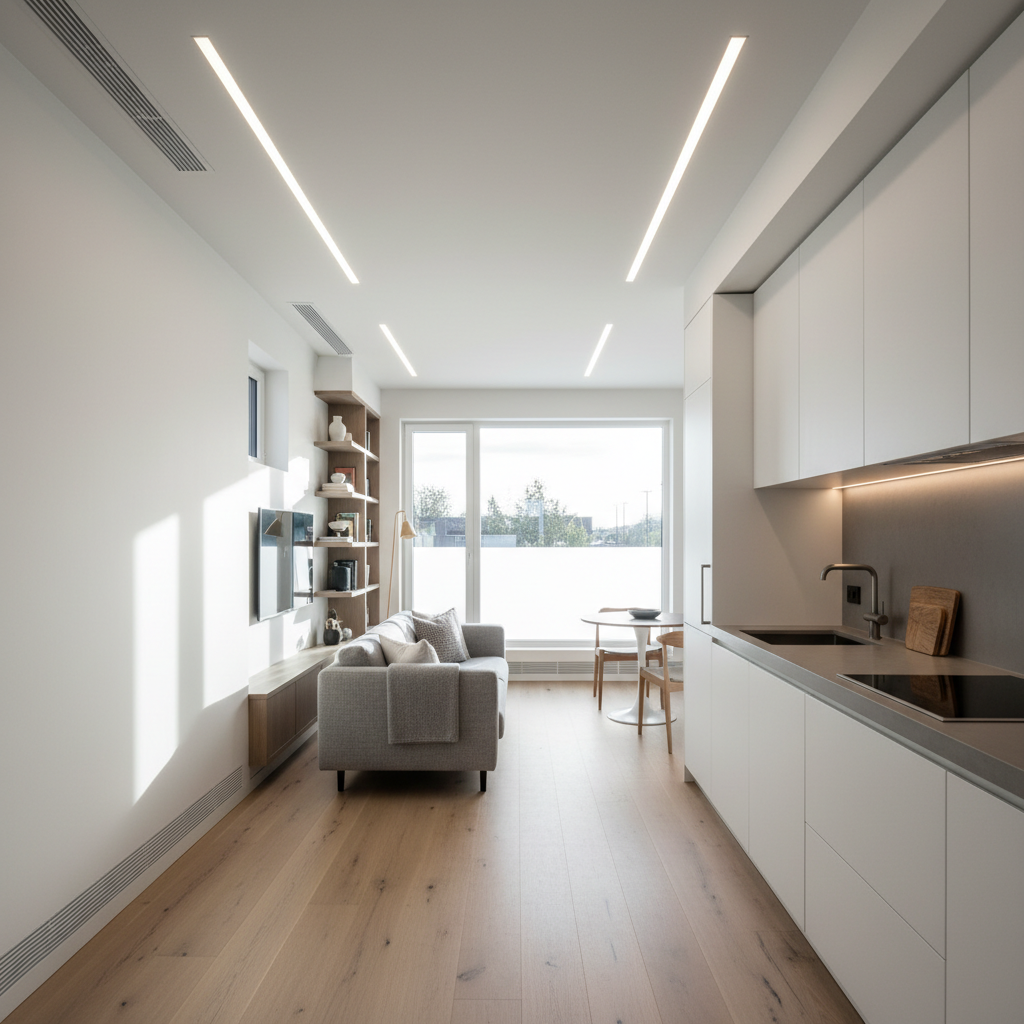
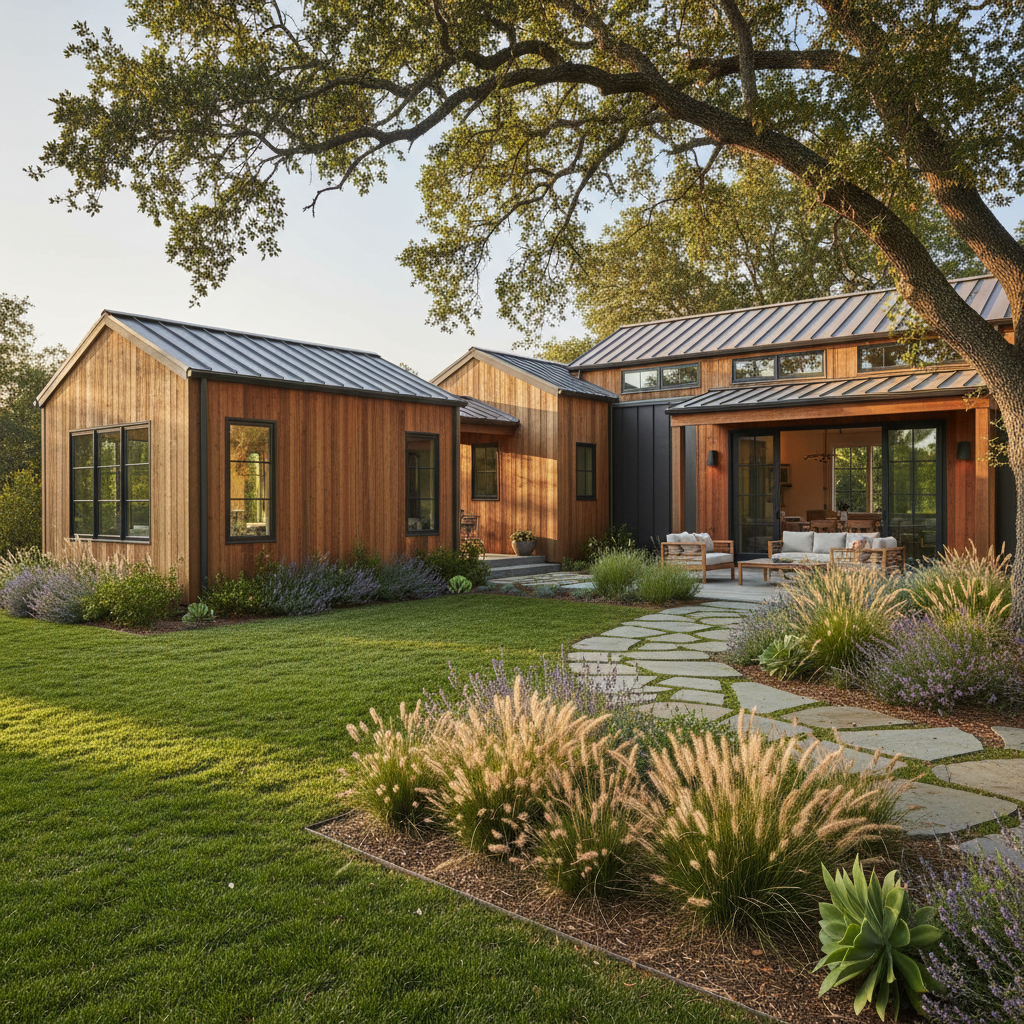
Adding an Accessory Dwelling Unit (ADU) to your property is an increasingly popular and practical way to expand living space, generate rental income, or provide housing for family members. However, a common concern for homeowners is ensuring their new backyard home doesn't look like an afterthought or a mismatched addition. The key lies in thoughtful ADU design integration – a process that ensures your ADU harmonizes seamlessly with your existing main house and landscape, enhancing your property's overall aesthetic and value.
At GatherADU, we understand that an ADU isn't just a structure; it's an extension of your home's story. A well-integrated ADU feels like it has always been there, contributing to a cohesive and beautiful property. This comprehensive guide will walk you through the essential steps and considerations to achieve this perfect blend, transforming your ADU into a truly integral part of your California home.
The Importance of Seamless ADU Design Integration
Why is design integration so crucial? Beyond mere aesthetics, a well-integrated ADU offers several benefits:
-
Increased Property Value: A cohesive property with a thoughtfully designed ADU is generally more appealing to potential buyers and can command a higher market price.
-
Enhanced Curb Appeal: An ADU that complements your main house elevates the entire property's visual appeal, creating a sense of unity and quality.
-
Improved Livability: When the ADU and main house feel connected, it enhances the experience for both residents, fostering a sense of shared space without sacrificing privacy.
-
Community Harmony: A well-designed ADU respects the architectural character of your neighborhood, avoiding any jarring visual disruptions.
Step 1: Analyze Your Existing Property's DNA
Before any design decisions are made, take a critical look at your current property. What is its unique character?
Architectural Style of Your Main House
Identify the dominant architectural style of your primary residence. Is it a Craftsman, Mid-Century Modern, Spanish Colonial, Ranch, Traditional, or something else? Pay attention to:
- Roofline and Pitch: Is it a low-slung gable, a steep hip roof, or a flat roof?
- Exterior Materials: What kind of siding dominates? Stucco, wood siding (horizontal, vertical, shingles), brick, stone?
- Window and Door Styles: Are they single-hung, casement, sliding? Do they have grids, trim details, or specific colors?
- Architectural Details: Are there exposed rafter tails, decorative brackets, specific porch columns, or trim details that define the style?
Landscape and Hardscape Elements
Your outdoor spaces play a significant role in integration. Consider:
- Existing Pathways and Patios: What materials are used (pavers, concrete, gravel, natural stone)? What is their general color and texture?
- Planting Palette: Are your existing plants drought-tolerant natives, formal hedges, or lush tropicals? How is the landscaping structured?
- Fencing and Walls: What materials and styles are used for boundary fences or retaining walls?
Neighborhood Context
While your ADU primarily relates to your own property, it's also part of a larger community. Observe the general aesthetic of homes on your street. A successful ADU often respects this broader context while still reflecting your personal style.
Step 2: Harmonizing Architectural Elements
Once you've cataloged your property's existing features, you can begin to apply these insights to your ADU design.
Roofline and Pitch
One of the most impactful ways to create harmony is by mirroring the roofline and pitch of your main house. A similar roof style (e.g., gable, hip, flat) immediately connects the two structures. If an exact match isn't feasible or desired due to site constraints or modern design preferences, choose a complementary style that doesn't clash.
Exterior Materials and Finishes
Using the same or highly complementary exterior materials is crucial. If your main house has stucco, use stucco on the ADU. If it's wood siding, match the siding style (e.g., horizontal lap siding, board and batten). Slight variations can work if they are intentionally chosen to add texture or a subtle modern twist, but the overall material palette should feel cohesive.
Window and Door Styles
Replicate the style, color, and even the grid patterns of your main house's windows and doors. This small detail can make a huge difference in creating a unified look. Consider matching trim details as well.
Color Palette
This is perhaps the most straightforward yet powerful tool for integration. Use the same exterior paint colors for your ADU as your main house. If you're planning a full exterior repaint, choose a palette that will work for both structures simultaneously. Don't forget trim colors, accent colors, and even roofing material colors.
Architectural Details and Trim
Small details like exposed rafter tails, eave depths, porch columns, railings, and even the style of exterior light fixtures can tie the ADU to the main house. These elements reinforce the architectural language of your property.
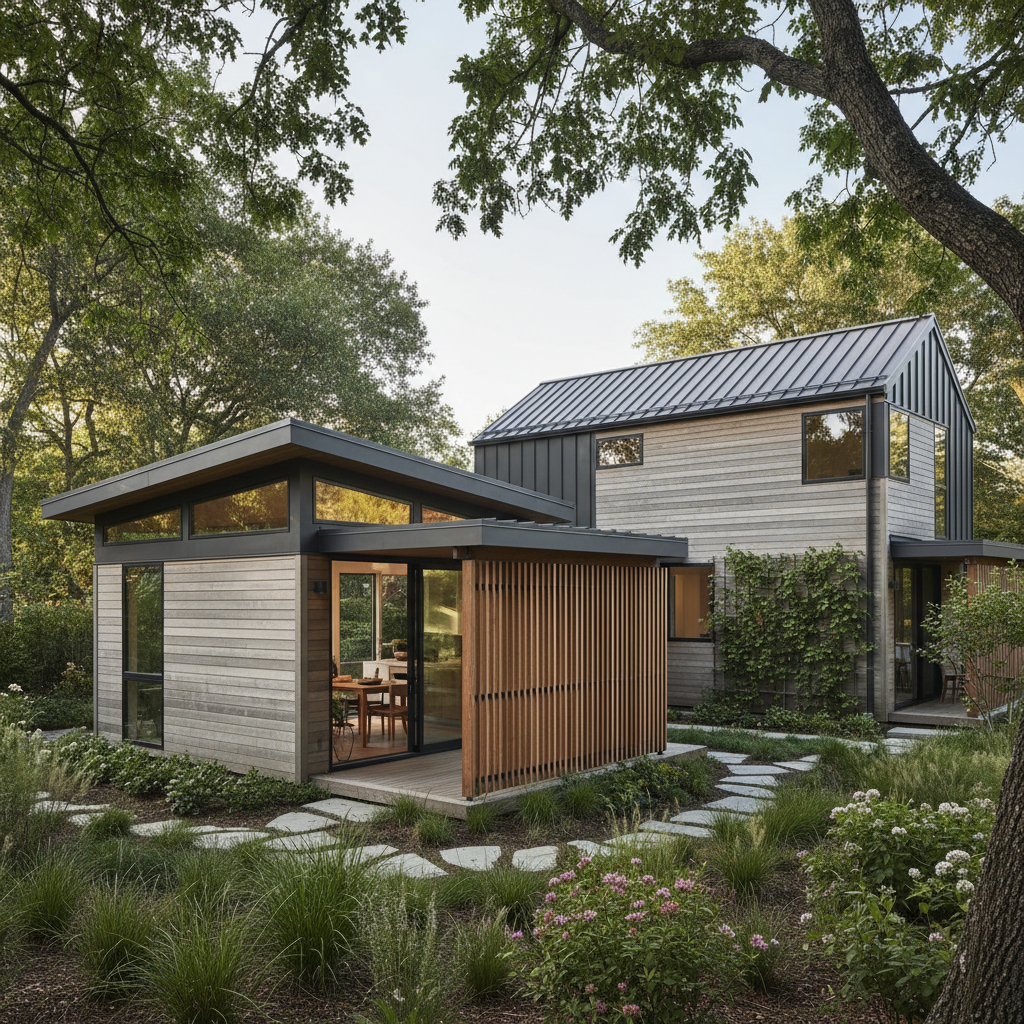
Step 3: Integrating with the Landscape
Beyond the structures themselves, the surrounding landscape plays a vital role in connecting your ADU to the main property.
Pathways and Access
Design pathways that lead gracefully from the main house or property entrance to the ADU. Use materials that match or complement your existing hardscape. A continuous material or style for paths, patios, and driveways creates a visual flow across the property.
Planting and Greenery
Extend your existing landscaping style to the ADU. Use similar types of plants, shrubs, and trees. Strategic planting can soften the edges of the ADU, integrate it into the garden, and create a sense of lushness. Consider drought-tolerant options, which are often favored in California, for sustainable and low-maintenance integration.
Outdoor Living Spaces
If space allows, consider creating a small patio, deck, or private garden area for the ADU residents that connects to the larger landscape. This provides a sense of outdoor amenity and helps the ADU feel like a complete home. Shared or distinct outdoor spaces should be clearly defined yet visually harmonious.
Fencing and Privacy
Use consistent fencing styles and materials throughout your property to maintain visual continuity. Strategic landscaping or architectural screens can also provide privacy for ADU occupants without creating a sense of isolation or separation from the main home.
Step 4: Mindful Placement, Scale, and Proportion
The physical placement and size of your ADU significantly impact its integration.
Optimal Siting
Work with your ADU designer to determine the best location on your lot. Consider factors like sun exposure, views, privacy for both dwellings, and convenient access. The goal is to place the ADU where it feels natural and doesn't overpower the main house.
Respecting Scale
While ADUs are typically smaller than the main house, their perceived size relative to the primary dwelling matters. An ADU that is too large or too small can feel out of place. Architects and designers are skilled at manipulating scale through rooflines, setbacks, and massing to ensure the ADU feels appropriately proportioned.
Privacy Considerations
Thoughtful placement and window orientation can maximize privacy for both the main house and the ADU residents. This includes considering sightlines from neighboring properties as well. Clever landscaping or architectural elements can further enhance privacy.
Step 5: Practical & Regulatory Considerations
Design integration isn't just about aesthetics; it also involves practical and regulatory aspects.
Utilities and Infrastructure
Consider how utilities (water, sewer, electricity, gas) will be run to the ADU. While sometimes separate, shared utility connections can often be managed effectively and discretely. Work with your builder to ensure these connections are integrated seamlessly and don't detract from the property's appearance.
California ADU Regulations
California's ADU laws are generally favorable, but specific local ordinances can impact design choices, setbacks, and size. Understanding these regulations early in the design process is crucial to avoid costly redesigns and ensure your integrated design complies with all requirements. GatherADU specializes in navigating these complexities.
The Value of Professional Expertise
Achieving truly seamless ADU design integration requires expertise. Architects and ADU specialists possess the knowledge of design principles, materials, construction techniques, and local regulations to bring your vision to life. They can identify opportunities for harmony you might not see and help you navigate challenges. For a personalized approach to integrating your ADU, consider consulting with professionals who understand California's unique architectural landscape and building codes. Book a free ADU consultation with GatherADU to discuss how we can help your backyard home blend perfectly with your existing property.
Conclusion
Building an ADU is a significant investment that promises to enhance your property's functionality and value. By prioritizing thoughtful ADU design integration from the outset, you ensure that your new backyard home not only serves its purpose but also elevates the overall aesthetic and harmony of your entire property. From matching architectural styles and materials to blending with the landscape and considering practical elements, every decision contributes to creating a cohesive and beautiful living environment.
Don't settle for an ADU that looks like an afterthought. Invest in a design that makes it feel like it was always meant to be there. With GatherADU's expertise, you can confidently build an ADU that seamlessly integrates with your existing home, adding beauty, value, and functionality for years to come. Ready to start designing an ADU that perfectly complements your California home? Get your free ADU project estimate today!