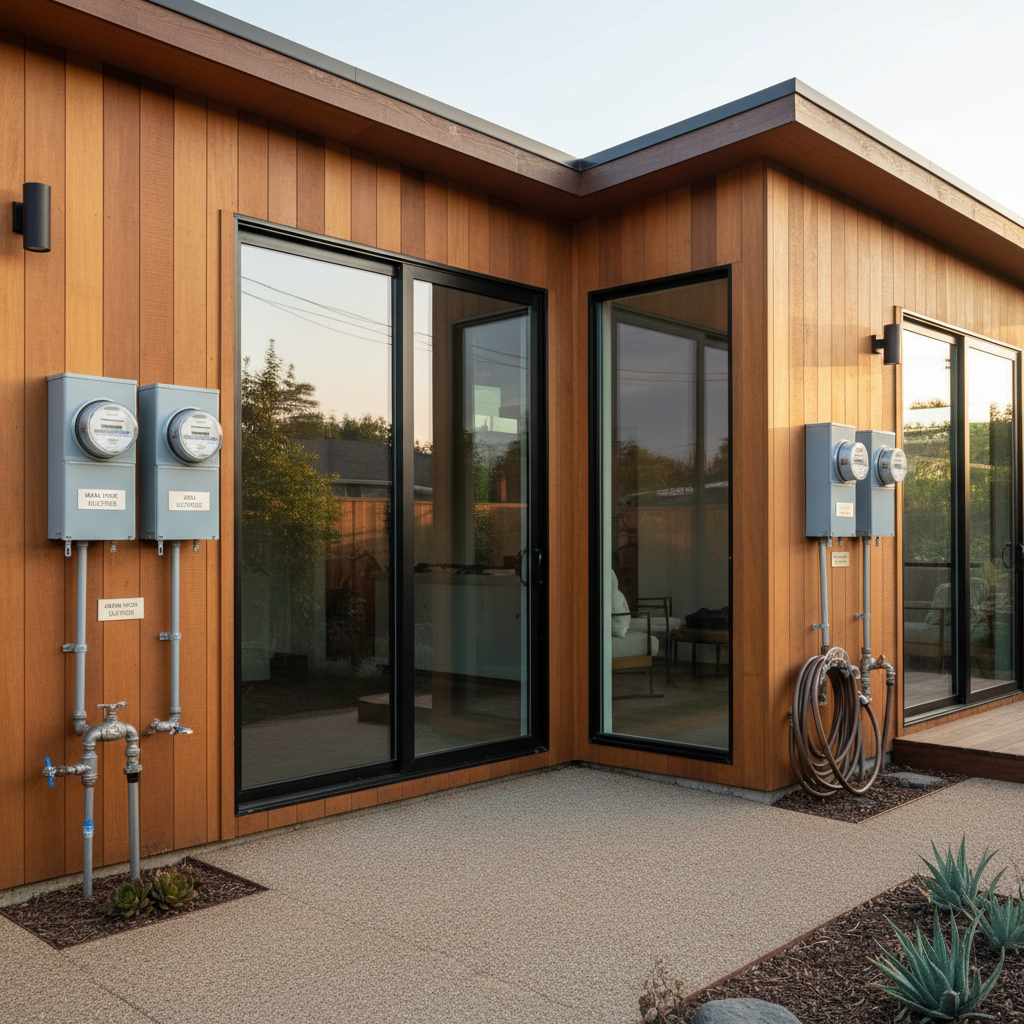
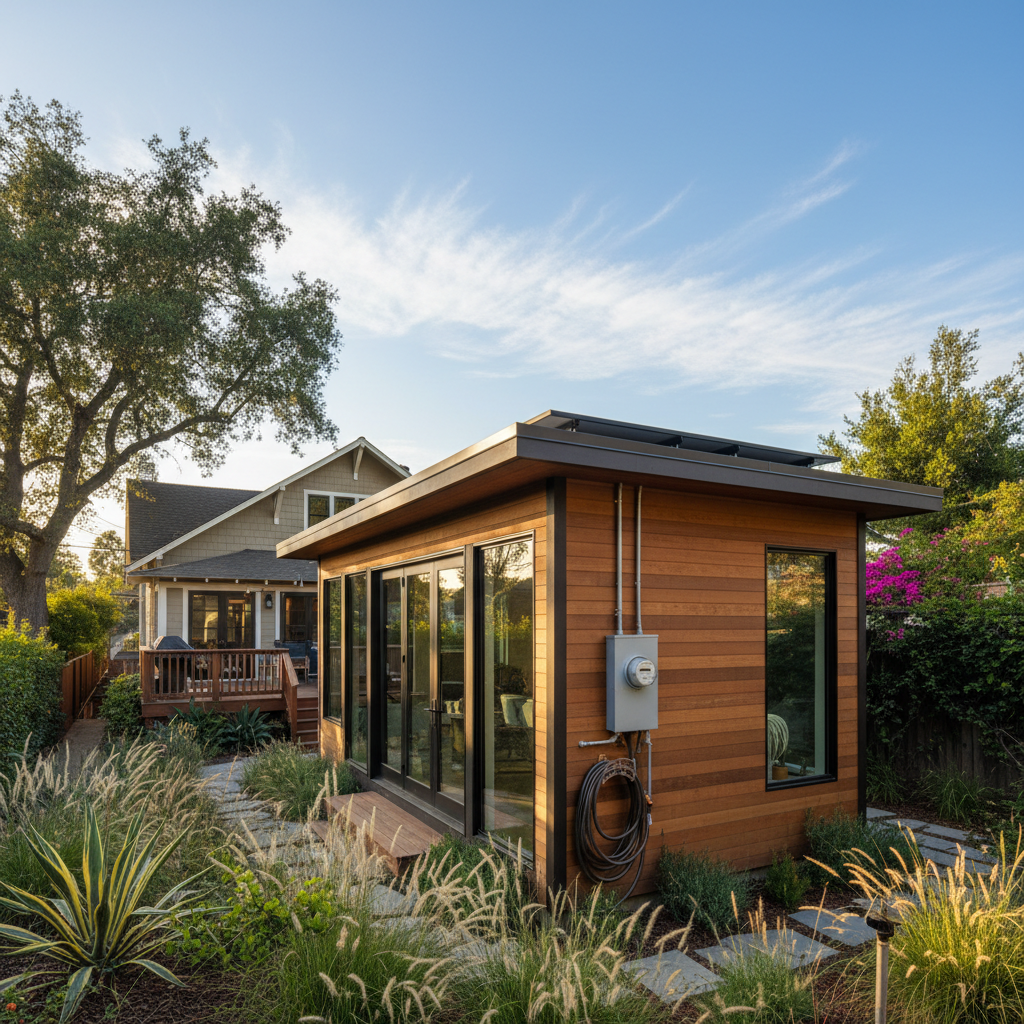
When planning an Accessory Dwelling Unit (ADU) in the Golden State, one of the most critical decisions you'll face is how to handle utilities. The choice between shared or separate ADU utility options in California can significantly impact your project's cost, complexity, future rental potential, and long-term convenience. This isn't just a technical detail; it's a fundamental aspect of your ADU's independence and functionality.
California homeowners have more flexibility than ever before thanks to recent state laws, but navigating these choices requires careful consideration of local ordinances, your budget, and your ultimate goals for the ADU. GatherADU is here to demystify the process, helping you understand the pros and cons of each approach so you can make an informed decision that aligns with your vision for your backyard home.
Understanding ADU Utilities: The Essentials
Before diving into shared versus separate, let's clarify what utilities we're discussing. For an ADU, these typically include:
- Electricity: Powering lights, appliances, heating, and cooling.
- Water: For plumbing, bathing, cooking, and drinking.
- Sewer/Septic: Waste removal.
- Gas: For heating, cooking, or water heaters (if applicable).
- Internet/Cable: Essential for modern living and often bundled.
Each of these can be connected to your main house's existing lines or run as entirely independent services from the street. The implications of each choice are vast.
Option 1: Shared Utilities for Your ADU
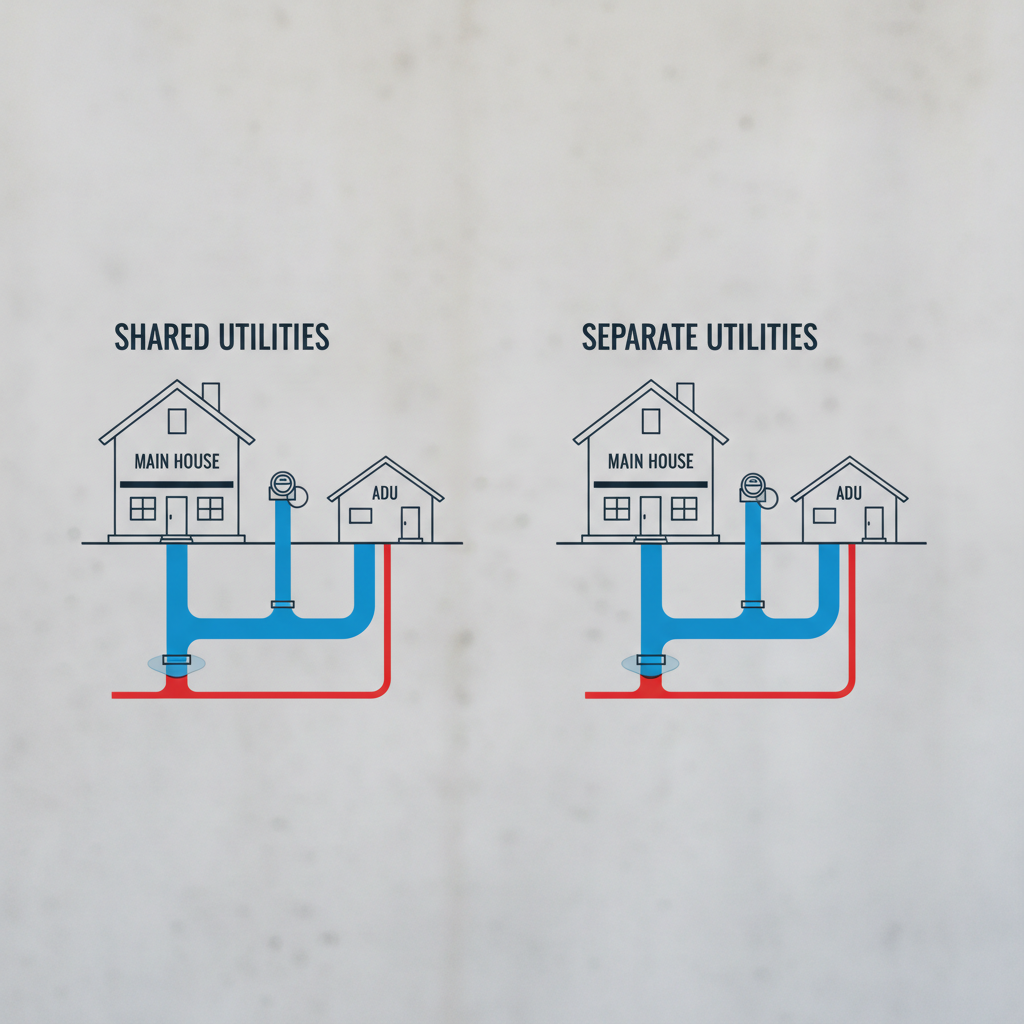
Shared utilities mean your ADU draws its power, water, gas, and sewer services directly from the existing connections of your primary residence. Essentially, it's an extension of your main home's utility system.
Pros of Shared Utilities:
- Lower Upfront Costs: This is often the biggest driver. You avoid the significant expenses associated with new trenching, separate meter installation, and utility company connection fees.
- Simpler Installation: Less complex trenching and fewer new service lines generally mean a quicker, less invasive construction process.
- Potentially Faster Permitting: Depending on your local jurisdiction, shared utility plans might streamline the approval process as they don't require new service connections from the street.
Cons of Shared Utilities:
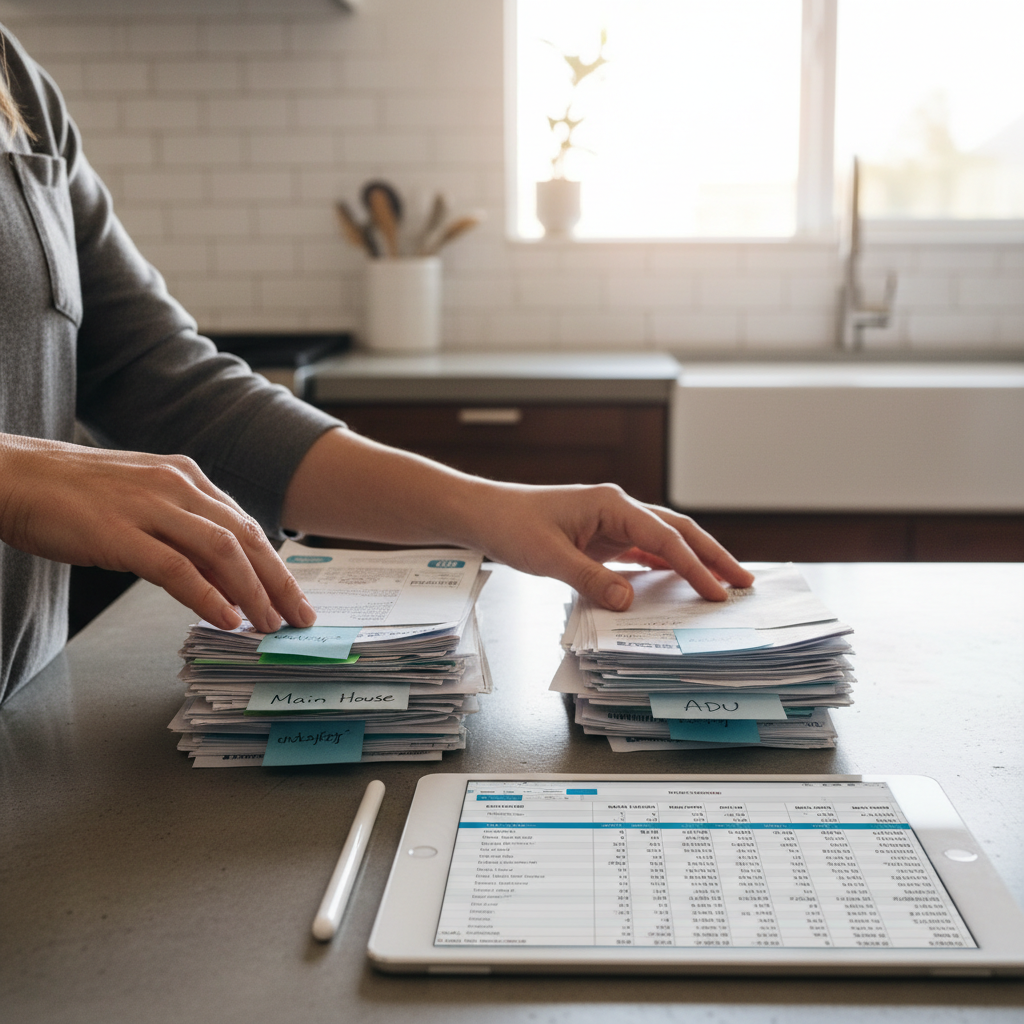
- Billing Complexities: The most common headache. With a single meter for both units, separating utility costs for a tenant (or even family members) can be challenging. You might have to estimate usage or include utilities in the rent, which can lead to disputes or unfair charges.
- Less Independence: Both units are tied to the same service. An issue with one unit's plumbing or electrical could affect the other.
- Lower Rental Income Potential: While not always the case, some tenants prefer the clarity of their own utility bills. Including utilities in rent can also make your advertised rent seem higher.
- Difficulty with Future Sale: If you ever decide to sell the ADU separately (which is rare for traditional ADUs but can happen with certain lot splits or condominiums), shared utilities become a major hurdle.
When Shared Utilities Make Sense: Shared utilities are often ideal if your ADU will house family members, or if you plan to use it as a home office, gym, or guest suite where precise billing isn't a concern. They are also a practical choice for homeowners looking to minimize initial construction costs.
Option 2: Separate Utilities for Your ADU
Separate utilities mean your ADU has its own dedicated connections for electricity, water, gas, and sewer, complete with individual meters. These services run independently from the street to the ADU.
Pros of Separate Utilities:
- Clear Billing and Financial Independence: Each unit receives its own utility bills, eliminating disputes and making it straightforward for tenants to manage their usage and costs. This is a significant advantage for landlords.
- Maximum Independence: An issue with one unit's utilities (e.g., a power outage or water leak) is less likely to affect the other.
- Higher Rental Income Potential: Tenants often prefer separate utilities, as it gives them control over their usage and costs, potentially making your ADU more attractive and allowing for higher rent in some markets.
- Increased Property Value: While an ADU generally boosts property value, separate utilities can make the ADU feel more like a standalone unit, which can be appealing to future buyers.
- Easier for Future Subdivision (if permitted): Though rare for ADUs, if future zoning allows for separate sale of the ADU, independent utilities are essential.
Cons of Separate Utilities:
- Higher Upfront Costs: This is the primary drawback. Installing new meters, trenching new lines from the street, and paying utility connection fees can add tens of thousands of dollars to your project budget.
- More Complex Installation: Requires coordination with multiple utility companies, more extensive trenching, and potentially longer construction timelines.
- Potential for Delays: Utility companies can have their own schedules for new connections, which might not align perfectly with your construction timeline.
When Separate Utilities Make Sense: This option is highly recommended if you plan to rent out your ADU to an unrelated tenant, or if you desire maximum autonomy and clarity in billing. If budget allows, the long-term benefits of separate utilities often outweigh the initial investment, especially for investment properties.

California Regulations and Considerations for ADU Utilities
California's ADU laws have evolved to encourage ADU development, and this includes provisions for utilities. Here's what California homeowners need to know:
State Law Mandates:
- Shared Utilities are Permitted: State law generally allows an ADU to share existing utility connections with the primary dwelling. This means local jurisdictions cannot force you to install separate utility meters for your ADU if you don't want to, unless there's a specific health and safety concern.
- No New Connection Fees for Shared Utilities: If your ADU uses the existing utility connection of the primary dwelling, utility providers cannot charge a new connection fee or capacity charge.
- New Connections Fees for Separate Utilities: If you opt for separate utilities, utility providers can charge connection fees, but these fees must be proportionate to the size or impact of the ADU.
Local Ordinances and Nuances:
While state law provides a framework, local jurisdictions (cities and counties) can still have specific requirements or preferences. It's crucial to consult with your local planning department and a knowledgeable ADU builder like GatherADU to understand the exact rules in your area. Some cities might encourage sub-metering even if they can't mandate full separate meters.
Sub-Metering: The Hybrid Solution
A popular compromise between fully shared and fully separate utilities is sub-metering. With sub-metering, the ADU's utilities still run off the main house's primary meter, but a smaller, secondary meter is installed specifically for the ADU. This allows you to accurately track the ADU's consumption of electricity, water, or gas, even though the bill still comes to the main house.
- Pros of Sub-Metering: Allows for accurate billing of tenants, avoids the high cost of new utility connections, and offers more independence than fully shared.
- Cons of Sub-Metering: Still requires the homeowner to manage the primary bill and then bill the tenant separately, which can involve some administrative work. Doesn't offer complete independence from the main house's service.
Sub-metering is an excellent option for landlords who want to recoup utility costs accurately without the significant upfront investment of separate meters.

Cost Implications: Beyond the Initial Build
When evaluating ADU utility options in California, it's essential to look beyond just the initial installation cost:
- Initial Investment: Separate meters and new service lines are significantly more expensive upfront due to trenching, materials, and utility company fees. Shared or sub-metered systems are generally much cheaper to install.
- Long-Term Operating Costs: While shared systems save money initially, the administrative burden and potential for tenant disputes over utility costs can be a hidden long-term cost. Separate meters provide peace of mind and clear financial boundaries.
- Property Value & Rental Income: As discussed, separate utilities can command higher rental income and potentially increase the perceived value of your property, offsetting the initial investment over time.
- Financing: Lenders may view ADUs with separate utilities more favorably, especially if the ADU is intended as an income-generating asset, as it simplifies income calculations.
Understanding the full scope of these costs is paramount. A comprehensive ADU project estimate from GatherADU can help you weigh these financial considerations accurately. Get your free project estimate and let's discuss the best utility strategy for your budget and goals.
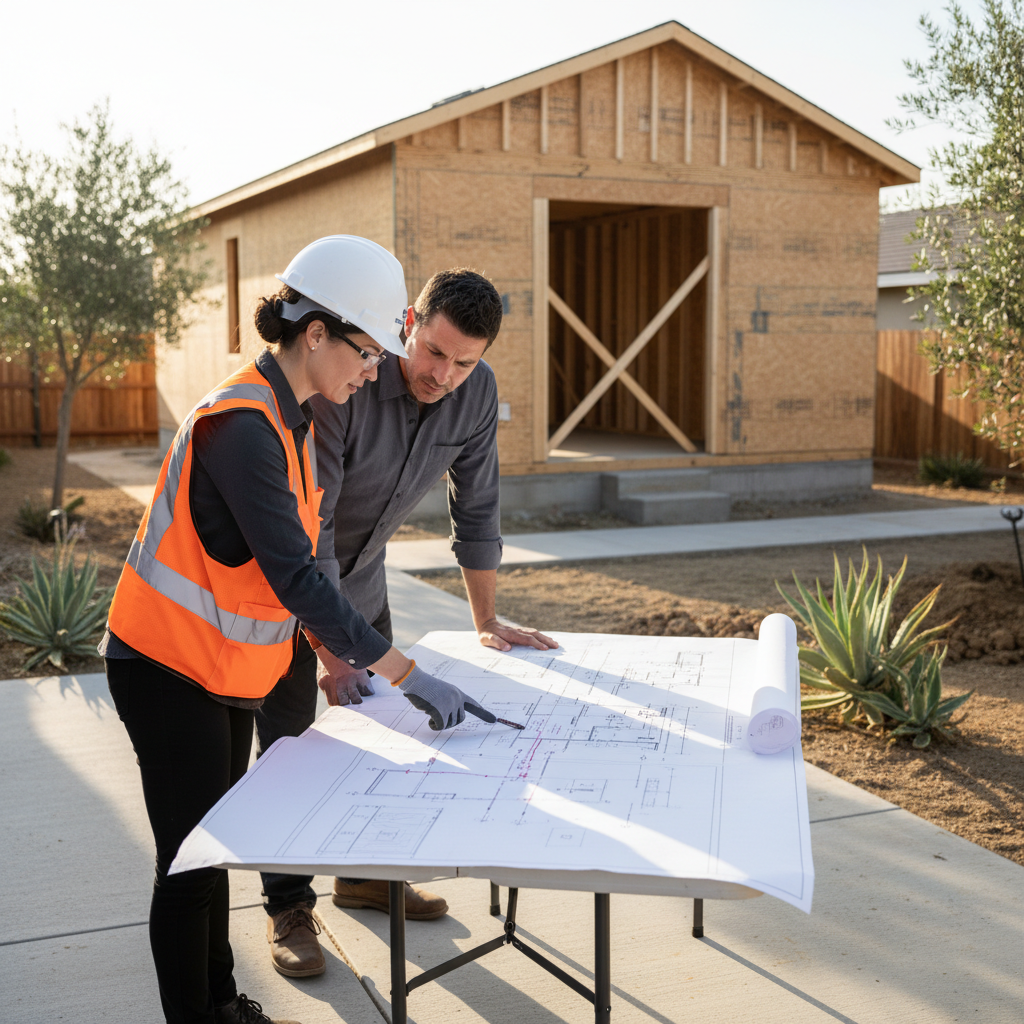
The Role of a Professional ADU Builder in Utility Planning
Navigating the complexities of ADU utility connections in California is not a task for the faint of heart. It involves understanding local zoning, state building codes, utility company regulations, and the practicalities of construction. This is where a seasoned ADU expert like GatherADU becomes invaluable.
- Expert Guidance: We'll help you understand the specific requirements and possibilities for your property based on its unique characteristics and your local jurisdiction.
- Design Integration: Utility planning must be integrated into the ADU design from the very beginning. Our team ensures that your chosen utility setup is seamlessly incorporated into the blueprints.
- Permitting Navigation: We handle the permitting process, ensuring all utility plans meet code and secure necessary approvals from the city and utility providers.
- Cost Optimization: We can provide detailed cost breakdowns for different utility options, helping you make the most financially sound decision for your project.
- Project Management: Coordinating with multiple utility companies (power, water, gas, sewer, internet) can be a headache. GatherADU manages this complex coordination, ensuring your project stays on track.
Choosing the right ADU utility options in California is a critical step in building a successful backyard home. Whether you prioritize upfront savings or long-term independence, GatherADU has the expertise to guide you through every decision, ensuring your ADU is built efficiently, compliantly, and to your complete satisfaction. Don't leave these vital details to chance.

Conclusion
The decision between shared and separate utilities for your California ADU is a foundational one that impacts everything from your initial budget to your long-term rental strategy. While shared utilities offer cost savings upfront, separate or sub-metered systems provide greater independence and clearer financial boundaries, which are often preferred for rental units. California's progressive ADU laws offer flexibility, but understanding the nuances of state regulations and local ordinances is key.
By carefully weighing the pros, cons, and cost implications of each ADU utility option, you can ensure your backyard home is not only compliant but also perfectly suited to your needs and goals. For expert advice tailored to your specific property and vision, don't hesitate to reach out. Book a free ADU consultation with GatherADU today, and let's build the perfect ADU for you.