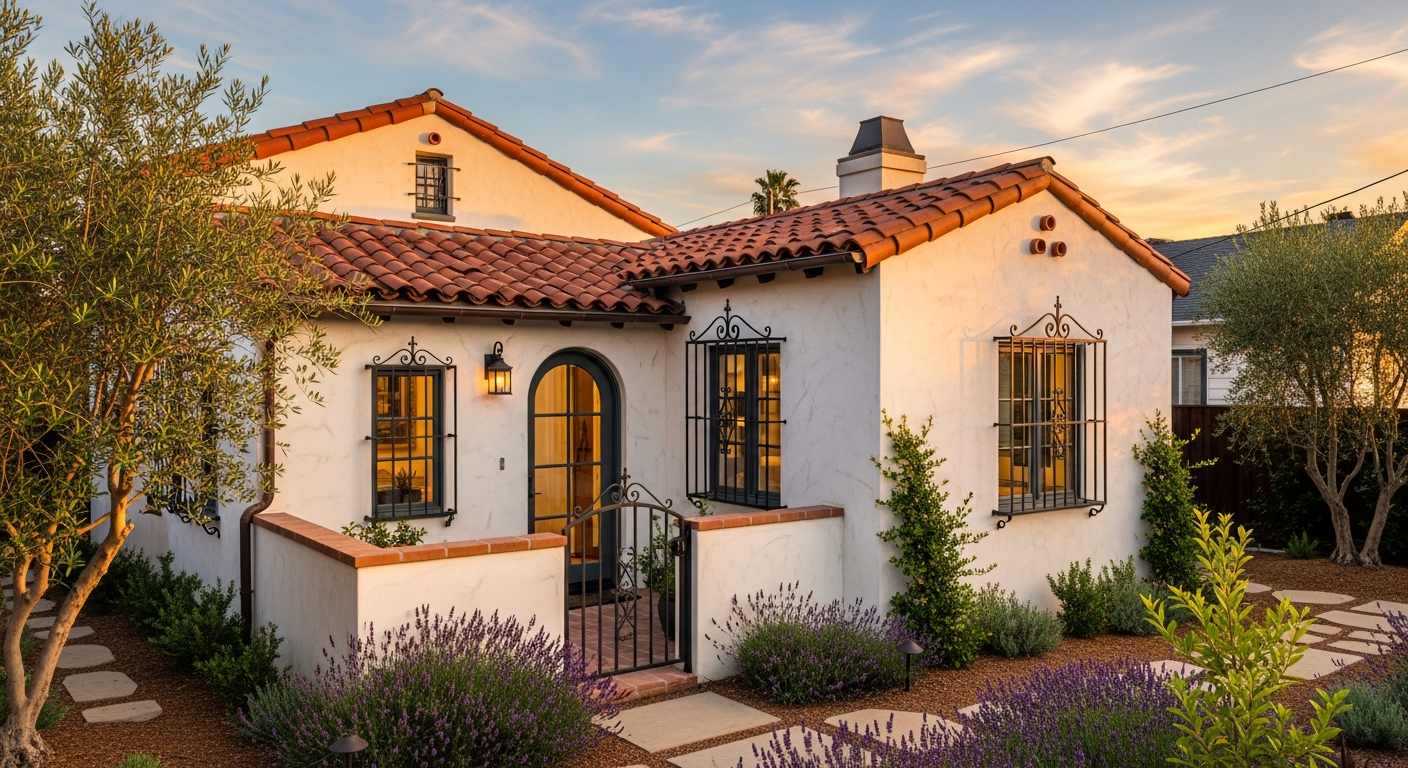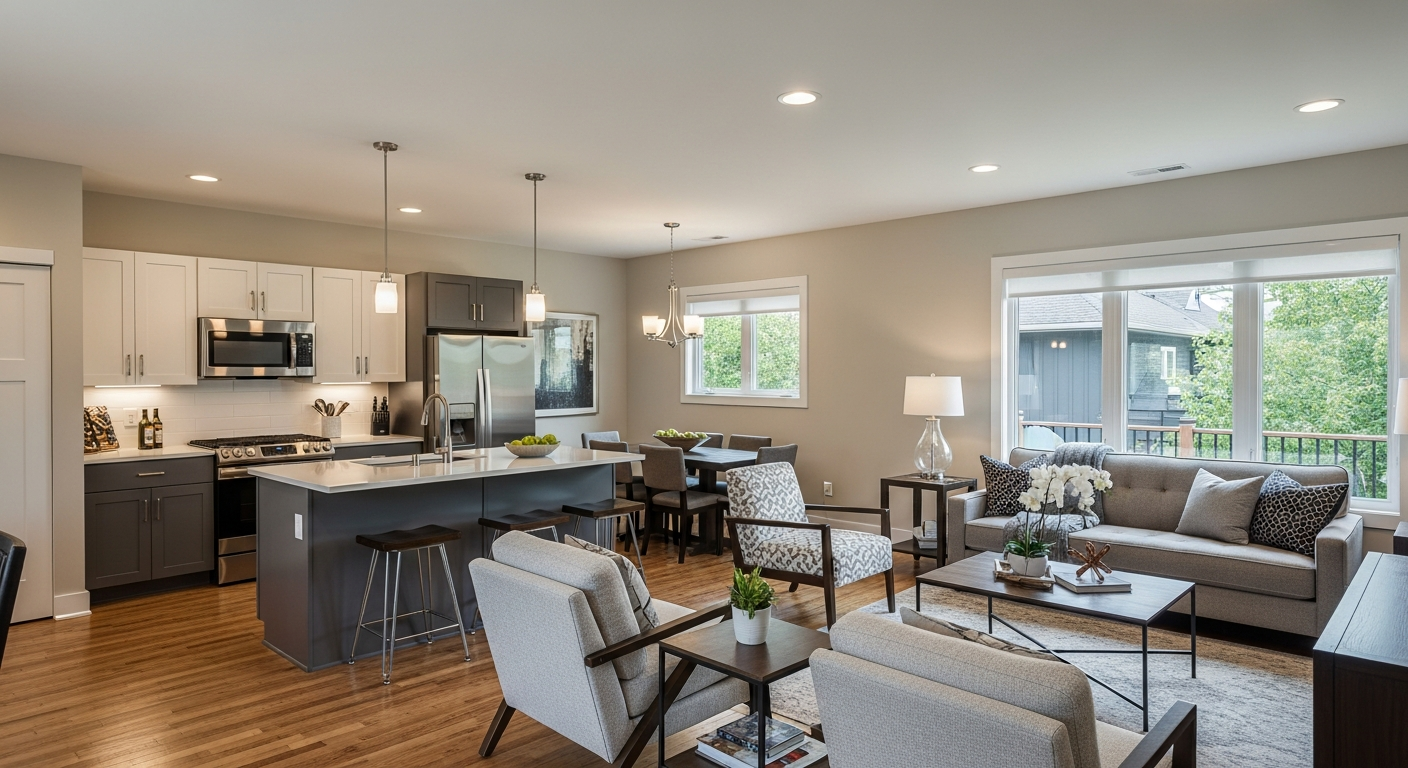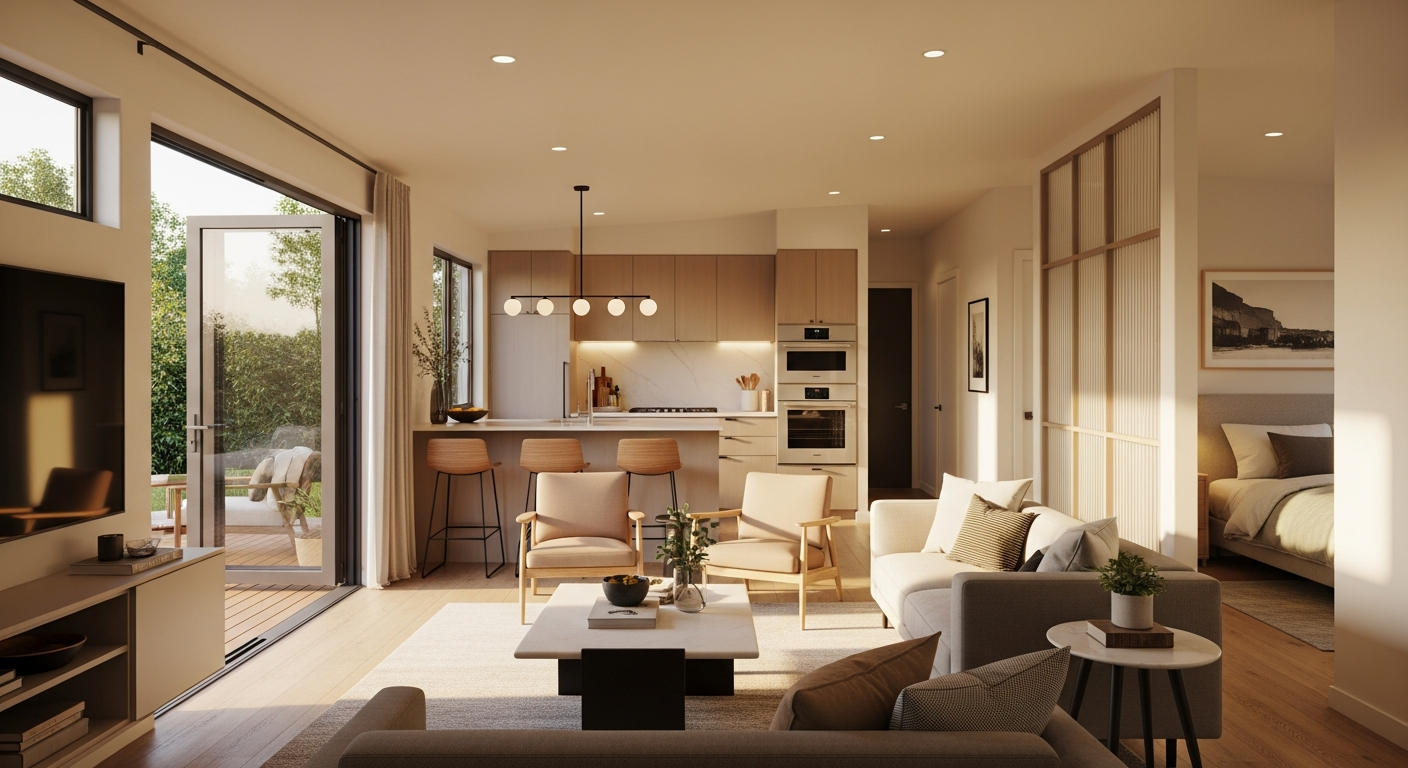
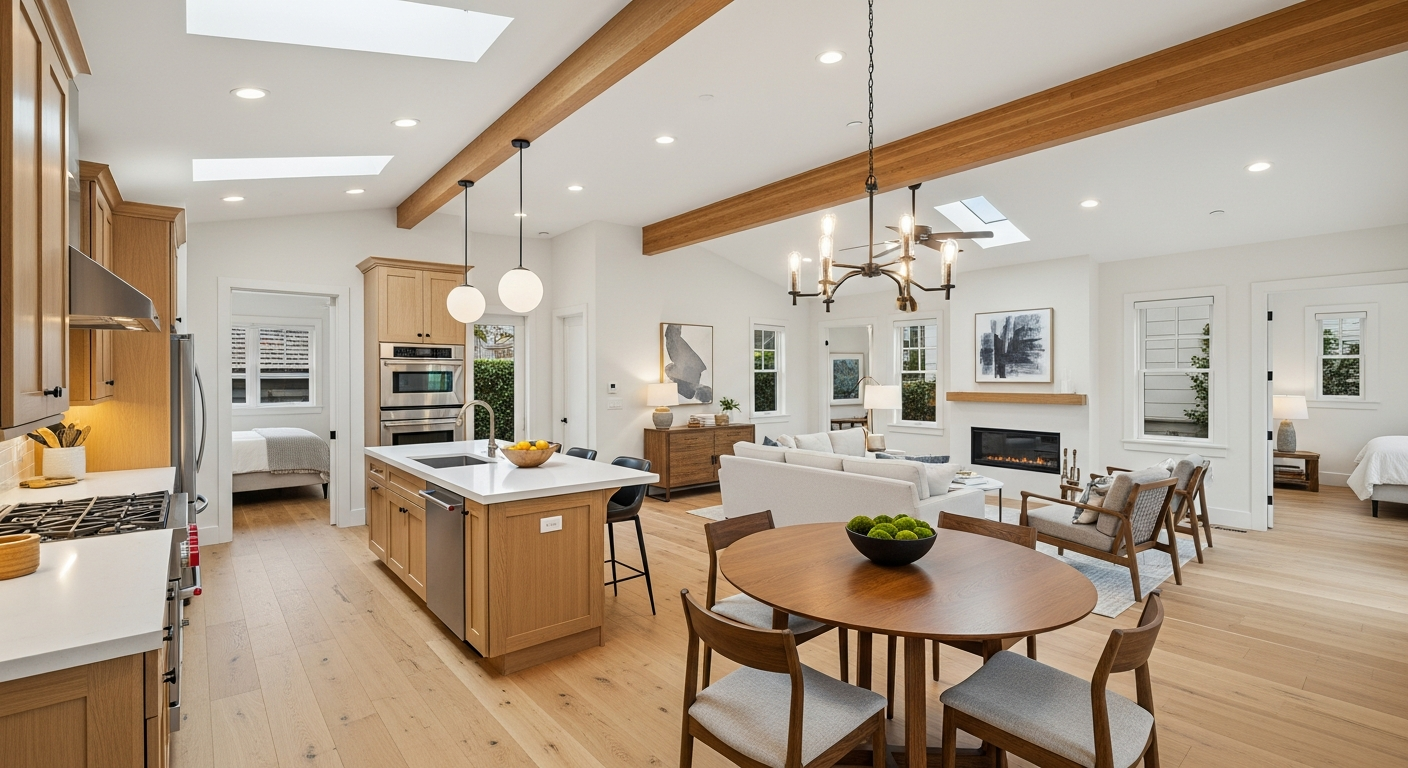
One thousand square feet is the number you hear when people talk about a "good-sized" small home. It's not tiny, it's not cramped, and it's large enough to accommodate multiple bedrooms and a layout that feels genuinely residential. For ADU projects, 1,000 square feet represents the upper end of what many homeowners can build, offering maximum flexibility and appeal.
But what does 1,000 square feet actually look like, and is it the right size for your project?
Visualizing 1,000 Square Feet
Let's put this number in perspective with comparisons you can picture:
A large two-bedroom apartment in many cities is around 900 to 1,100 square feet. If you've lived in or visited a spacious two-bedroom rental, you've experienced approximately this amount of space.
A 25x40 rectangle gives you exactly 1,000 square feet. That's slightly smaller than a tennis court (which is about 2,100 square feet) but generous for a living space.
A small ranch home from the 1950s or 1960s was often built at around 1,000 to 1,200 square feet. These were considered family homes at the time, housing parents and children comfortably.
Two average hotel rooms plus a kitchenette and living area approximates 1,000 square feet. Think of an extended-stay hotel suite where you could actually live for a while.
| Reference Point | Approximate Size |
|---|---|
| Large two-bedroom apartment | 900-1,100 sq ft |
| 25' x 40' rectangle | 1,000 sq ft exactly |
| 1950s ranch home | 1,000-1,200 sq ft |
| Half a tennis court | 1,050 sq ft |
What Fits in 1,000 Square Feet
At this size, you're not compromising. You can include everything a household needs:
Two bedrooms of proper size, each fitting a queen or king bed with furniture. No one has to squeeze into a cramped space.
One or two bathrooms depending on your priorities. A two-bedroom unit typically has at least one full bath, often with a second half-bath or even a second full bath for the master bedroom.
A full kitchen with room for a dining table rather than just bar seating. You can cook a holiday meal in a 1,000 square foot kitchen.
A generous living room that seats multiple people comfortably for movies, conversation, or entertaining.
In-unit laundry with a dedicated closet or room rather than stackables squeezed into a corner.
Storage including multiple closets, a linen closet, and possibly a coat closet or utility space.

Common Floor Plan Layouts
The Classic Two-Bedroom
This traditional layout puts two bedrooms at one end of the home with the living spaces at the other. The bedrooms typically share a bathroom located in a hallway between them, while the kitchen and living room flow together in an open concept.
This works well for roommates, small families, or anyone who wants flexibility between the bedrooms.
The Master Suite Layout
This configuration gives one bedroom a larger footprint with an attached private bathroom (the master suite), while the second bedroom is smaller and uses a separate bathroom off the hallway.
This appeals to couples who want the master suite experience, with the second bedroom serving as a guest room, office, or child's room.
The Flex Room Design
Instead of a traditional second bedroom, this layout includes a flex space that could serve as a bedroom, office, gym, or combination. It might have a Murphy bed, a closet sized for office storage rather than clothes, or no closet at all.
This design maximizes flexibility. A home office today can become a nursery next year or a guest room when family visits.
Building a 1,000 Square Foot ADU in California
California law allows ADUs up to 1,200 square feet for detached structures. At 1,000 square feet, you're well within this limit while maximizing your usable space.
Keep in mind that units over 750 square feet are subject to development impact fees that smaller units avoid. These fees vary by jurisdiction but can add $5,000 to $20,000 to your project cost. For many homeowners, the additional space justifies this expense.
Lot coverage and setback requirements determine whether your property can accommodate a 1,000 square foot footprint. Work with a professional to assess your specific lot before committing to this size.
Rental Potential
Larger ADUs command higher rents. In Los Angeles County, a well-finished 1,000 square foot two-bedroom ADU can rent for $2,500 to $3,500 monthly, significantly more than a studio or one-bedroom unit.
The two-bedroom format also opens your tenant pool to families with children, professional roommates, and anyone who needs more space than a one-bedroom provides. This can mean shorter vacancies and more qualified applicants.
However, the higher construction costs for a larger unit need to be weighed against this increased rental income. The per-square-foot rental rate is often lower for larger units, meaning your return on investment might be similar to a smaller, less expensive project.
Who Lives Well in 1,000 Square Feet?
Small families with one or two children find 1,000 square feet workable. Each child can have their own space (or share a room), parents have privacy, and there's room for family life.
Couples with work-from-home needs appreciate having a dedicated office space separate from the bedroom and living area.
Roommates sharing a two-bedroom unit each get genuine privacy with their own room.
Multi-generational households where an older parent wants a large, comfortable space near family find 1,000 square feet ideal.
Part-time residents using the ADU as a vacation home, weekend retreat, or second residence enjoy the spacious feel without maintaining a larger property.
The Financial Picture
Building a 1,000 square foot ADU typically costs $250,000 to $400,000 in Southern California, depending on construction type, finishes, and site conditions. This is a significant investment, but the returns can justify it.
At $3,000 monthly rent, you're generating $36,000 annually in gross income. After expenses, net income might be $28,000 to $32,000 per year. That's roughly an 8% to 10% return on a $350,000 investment, competitive with many other investment options while also building property value.
Speaking of property value, adding a permitted 1,000 square foot ADU can increase your home's value by 20% to 30% according to Freddie Mac research. On a $1.5 million Los Angeles property, that's potentially $300,000 to $450,000 in added value.
Planning a Larger ADU?
We can help you determine whether your property can accommodate a 1,000 square foot ADU and design a layout that maximizes your investment.
Call us at (323) 591-3717 or schedule a free consultation to explore your options.
Is 1,000 Square Feet Right for Your Project?
This size makes sense when:
You have the lot space. Not every property can accommodate a 1,000 square foot footprint with required setbacks and lot coverage limits.
You want two bedrooms. If you're targeting families or roommates as tenants, or housing family members who need more space, the second bedroom adds significant value.
Budget isn't the primary constraint. Building larger costs more, and the per-dollar return may be similar to a smaller unit. Choose this size because you want the space, not just to maximize square footage.
Long-term flexibility matters. A 1,000 square foot ADU can serve many purposes over the years, from rental income to family housing to your own eventual downsized residence.
If lot constraints, budget, or rental market research suggest a smaller unit would work better, don't feel pressured to maximize size. But if you can build 1,000 square feet and the use case supports it, you'll end up with a genuinely comfortable small home that serves you well for decades.
Sources cited:
- Freddie Mac. (2022). "ADUs: Impact on Property Values and Housing Supply."
- Apartment List. (2023). "Rent Report: Los Angeles Metro."