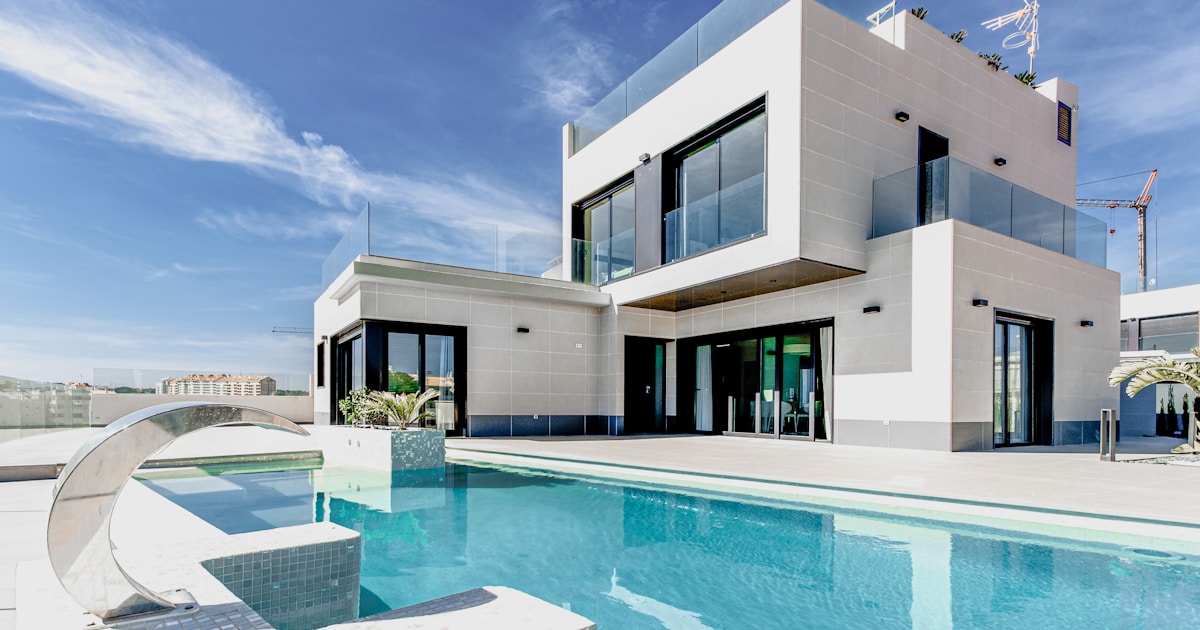

As housing prices continue to climb and families seek additional space, Accessory Dwelling Units (ADUs) have become an increasingly popular solution in areas like Crenshaw. These secondary units, often referred to as in-law suites, guest houses, or backyard cottages, offer flexibility, additional income potential, and increased property value. However, successfully building an ADU hinges on selecting the right contractor, as the process involves unique design, regulatory, and construction challenges.
Choosing the right ADU contractor in Crenshaw requires careful consideration of expertise, legal knowledge, communication style, and past work. This guide will walk you through the essential steps to make an informed decision and help ensure your ADU project is completed smoothly, on time, and within budget.
Why Hiring the Right ADU Contractor Matters
Hiring the right ADU contractor is crucial for several reasons:
- Specialized Knowledge: Building ADUs often requires specific experience with smaller spaces and unique zoning regulations, which not all general contractors possess.
- Navigating Permits: ADU projects in Crenshaw have stringent permitting and zoning requirements. An experienced contractor will know how to navigate these regulations.
- Project Efficiency: ADU projects involve several components, from utility connections to interior design. The right contractor will streamline the process, avoid costly mistakes, and stick to the timeline.
- Quality and Safety: A quality contractor ensures the structure is built safely, meets code requirements, and adds value to your property.
To achieve these goals, follow these key steps when choosing an ADU contractor in Crenshaw.
Step 1: Define Your ADU Goals and Budget
Before you start searching for a contractor, define your ADU project goals and establish a budget. Decide on factors such as the ADU’s size, purpose, and special features, and consider how much you’re willing to spend.
- Purpose of the ADU: Whether you’re building an ADU for rental income, a guest house, or extra family space, the purpose will influence design decisions and contractor recommendations.
- Project Scope: Think about the scale of the project, including design features and square footage. Knowing the scope will help you estimate a realistic budget and guide the contractor search.
- Set a Budget: ADU costs can vary widely depending on size, materials, and location. In Crenshaw, ADU projects may cost between $100,000 and $300,000 or more, depending on finishes and complexity. Calculate a feasible budget and leave room for unexpected costs.
Having clear goals and a budget will streamline your contractor search and ensure you find a team aligned with your expectations.
Step 2: Research ADU-Specific Contractors
Not all contractors are equipped to handle ADU projects. Seek out contractors who specialize in ADUs or have extensive experience with similar small-space projects in Crenshaw.
How to Find ADU Contractors
- Local Recommendations: Ask neighbors, friends, or real estate agents in Crenshaw who have completed ADU projects for recommendations.
- Online Resources: Websites like Houzz, Angi, and Yelp list contractors with reviews, portfolio pictures, and contact information.
- Industry Associations: The National Association of Home Builders (NAHB) and the Association of Professional Builders (APB) offer directories of licensed contractors who specialize in residential projects, including ADUs.
Look for contractors who are familiar with Crenshaw’s regulations and local building codes. ADU-specific contractors are more likely to know the ins and outs of Crenshaw’s permitting process, which can save time and avoid potential issues.
Schedule a free appointment with our ADU experts
Step 3: Verify Contractor Credentials and Licenses

Verify each contractor’s credentials before setting up consultations. This step is crucial to ensure they meet legal standards and have the experience required to complete the project.
What to Check
- Contractor License: California requires all contractors to hold an active state license. Confirm their license is valid and check for any disciplinary actions on the California Contractors State License Board (CSLB) website.
- Insurance and Bonding: Ask for proof of liability insurance and bonding to cover potential property damage, accidents, and substandard work. This is particularly important when building an ADU, as construction mishaps could impact your primary residence.
- Experience with ADUs: Inquire about their experience specifically with ADUs or similar small projects. Some contractors may have general residential experience but lack knowledge of the unique challenges posed by ADUs.
- Building Code Knowledge: ADUs in Crenshaw have particular zoning laws and building codes that differ from those for larger homes. Ensure the contractor understands these regulations, as any oversight could result in delays or legal issues.
Validating these credentials will provide peace of mind that you’re hiring a reputable and qualified ADU contractor.
Step 4: Review Portfolios and Past Work
A contractor’s portfolio offers insight into their design style, quality of work, and range of experience. Reviewing past work allows you to gauge whether they have successfully completed projects similar to yours.
What to Look for in a Portfolio
- ADU Examples: Look for projects that resemble your vision, especially if you have specific preferences in style or layout. Pay attention to the finishes and attention to detail in their work.
- Innovative Solutions: ADUs often require creative solutions to make the most of limited space. Look for evidence of innovation, such as clever storage solutions, efficient layouts, or multipurpose areas.
- Customer Testimonials: Many contractors include client testimonials or case studies in their portfolio. Read through these to get a sense of the contractor’s professionalism, timeliness, and communication.
- Before-and-After Images: Before-and-after photos can be helpful in assessing the contractor’s ability to transform spaces effectively.
After reviewing portfolios, shortlist contractors who align with your vision and demonstrate proficiency in building high-quality ADUs.
Step 5: Request and Compare Quotes
Once you’ve shortlisted a few contractors, request a detailed quote from each. Getting multiple quotes allows you to compare costs, timelines, and approaches.
What to Ask for in a Quote
- Itemized Pricing: Ensure the quote includes itemized costs for materials, labor, permits, and other expenses. This breakdown helps you identify where costs can be adjusted.
- Timeline: Ask for an estimated timeline, including start and completion dates. A clear timeline allows you to plan around the construction and minimize disruptions.
- Payment Terms: Discuss payment terms, including deposit requirements, payment schedule, and final payment upon completion. Be cautious of contractors who ask for large upfront payments, as this can be a red flag.
Comparing quotes helps ensure you’re getting a fair price and allows you to assess whether the contractor’s pricing aligns with your budget.
Step 6: Conduct In-Person Interviews
Meeting with contractors in person is essential for evaluating their professionalism, communication style, and compatibility with your project. Use this time to ask specific questions about their experience and approach.
Suggested Interview Questions
- What experience do you have with ADU projects in Crenshaw? This question ensures the contractor is familiar with local regulations and has relevant experience.
- How do you handle permitting and zoning requirements? This will reveal how knowledgeable they are about Crenshaw’s ADU laws and their approach to handling these details.
- What challenges do you foresee with my project? Contractors who can identify potential issues upfront are often more experienced and prepared.
- How do you communicate updates? Consistent communication is crucial for managing expectations and preventing misunderstandings.
- Who will be working on the project? Some contractors work with sub-contractors, so it’s important to know who will be on-site and handling specific aspects of the build.
Use these responses to gauge each contractor’s confidence, experience, and willingness to collaborate effectively.
Schedule a free appointment with our ADU experts
Step 7: Check References

After conducting interviews, ask each contractor for references from recent ADU projects. Speaking to past clients can provide additional insights into the contractor’s reliability and work quality.
Questions to Ask References
- Did the contractor meet deadlines and stay on budget? Timeliness and budget management are key factors in choosing a contractor.
- Were you satisfied with the quality of the work? Quality is essential for a durable, safe, and visually appealing ADU.
- How was the communication throughout the project? Good communication ensures the project progresses smoothly, and any changes are handled effectively.
- Were there any unexpected costs or issues? This question can give you an idea of potential issues and how well the contractor handled them.
- Would you hire them again? A positive response to this question is a good indicator of satisfaction and reliability.
Checking references allows you to hear firsthand accounts of the contractor’s work process and reliability, helping you make an informed decision.
Step 8: Review the Contract Carefully
Before signing, review the contractor’s contract thoroughly to ensure it covers all aspects of the project, including timelines, costs, and responsibilities.
What to Look for in the Contract
- Scope of Work: Ensure the contract outlines the entire scope of work, from demolition to final finishes. Clear terms will prevent misunderstandings about what’s included.
- Payment Schedule: Confirm that payment terms align with what was discussed. A balanced payment schedule incentivizes the contractor to complete the project on time.
- Timeline: A specific timeline, with milestones and a completion date, helps hold the contractor accountable.
- Warranty and Guarantees: Some contractors offer warranties on their work. Confirm any guarantees and the duration, as this adds protection if issues arise post-construction.
- Termination Clause: Check for a termination clause, which defines conditions under which you or the contractor can cancel the project.
Carefully reviewing the contract will ensure you fully understand the terms and help prevent conflicts during the project.
Step 9: Establish Clear Communication Channels
Maintaining open lines of communication with your contractor is key to a successful ADU project. Decide on the best way to stay updated, whether through weekly meetings, progress reports, or a project management app.
Best Practices for Communication
- Set Expectations Early: Discuss your preferences for receiving updates, including frequency and format.
- Be Available for Consultations: Being responsive to contractor inquiries helps avoid delays.
- Document Changes: If adjustments are needed, document all changes in writing to prevent misunderstandings.
Good communication helps ensure the project stays on track and fosters a positive working relationship.
Crenshaw ADU checks: K Line stations, garage conversions, and fees
Crenshaw is part of the City of Los Angeles, so an ADU here is reviewed under City zoning and California ADU law, then plan checked, permitted, and inspected by the Los Angeles Department of Building and Safety (LADBS). Before you compare bids, ask each contractor three Crenshaw-specific questions: how close your lot is to a K Line station, whether a garage conversion makes sense, and how big the ADU should be to keep fees down. State law answers part of each one.
Transit along Crenshaw Boulevard
Metro's K Line runs along Crenshaw Boulevard, and its stations include Expo/Crenshaw, Martin Luther King Jr, Leimert Park, and Hyde Park. Under Government Code Section 66322, the City shall not impose any parking standards for an ADU within one-half of one mile walking distance of public transit, a term state law defines to include bus stops as well as train stations. Ask your contractor to measure the walking route from your lot, not a straight line, and to note it on the plans if your ADU relies on that rule.
Garage conversions
On a lot that already has a detached garage, converting it is one ADU option to price. Under Government Code Section 66323, an ADU converted within an existing structure on a single-family lot is one of the types the City must approve ministerially. Under Government Code Section 66314, when a garage is converted to an ADU or demolished for one, the City cannot require those parking spaces to be replaced. A conversion still has to meet the building code for a dwelling, so ask the contractor what the existing slab, walls, and roof will need before they price it.
Size and impact fees
Under Government Code Section 66311.5, no impact fee may be charged for an ADU that has 750 square feet of interior livable space or less. Impact fees are separate from plan check and permit fees, so ask the contractor which fees their bid includes and which you will pay the City directly. Under Government Code Section 66317, the City must approve or deny a complete ADU application within 60 days.
Crenshaw questions for your contractor
- What is the walking distance from my lot to the nearest K Line station or bus stop, and does any parking requirement apply?
- Is my garage a good candidate for conversion, and what will it need to meet code?
- Would keeping the ADU at 750 square feet of interior livable space or less make sense for my budget?
- Which permit and plan check fees are in your price, and which will I pay the City?
- Who submits to LADBS, and who answers plan check corrections?
If you would like help planning a Crenshaw ADU before you hire, GatherADU has completed over 127 ADU project designs with a 95% on-time rate, and you can book a free consultation.
Last Words
Building an ADU in Crenshaw is a rewarding investment, but success depends heavily on choosing the right contractor. By defining your project goals, researching ADU-specific contractors, checking credentials, reviewing past work, comparing quotes, conducting interviews, checking references, and reviewing the contract carefully, you can select a contractor who aligns with your vision and budget.
The right ADU contractor will bring both experience and expertise to the table, navigating Crenshaw’s regulatory landscape, managing timelines, and delivering high-quality results. Following these steps will help ensure a smooth, successful ADU project that enhances your property and meets your needs for years to come.