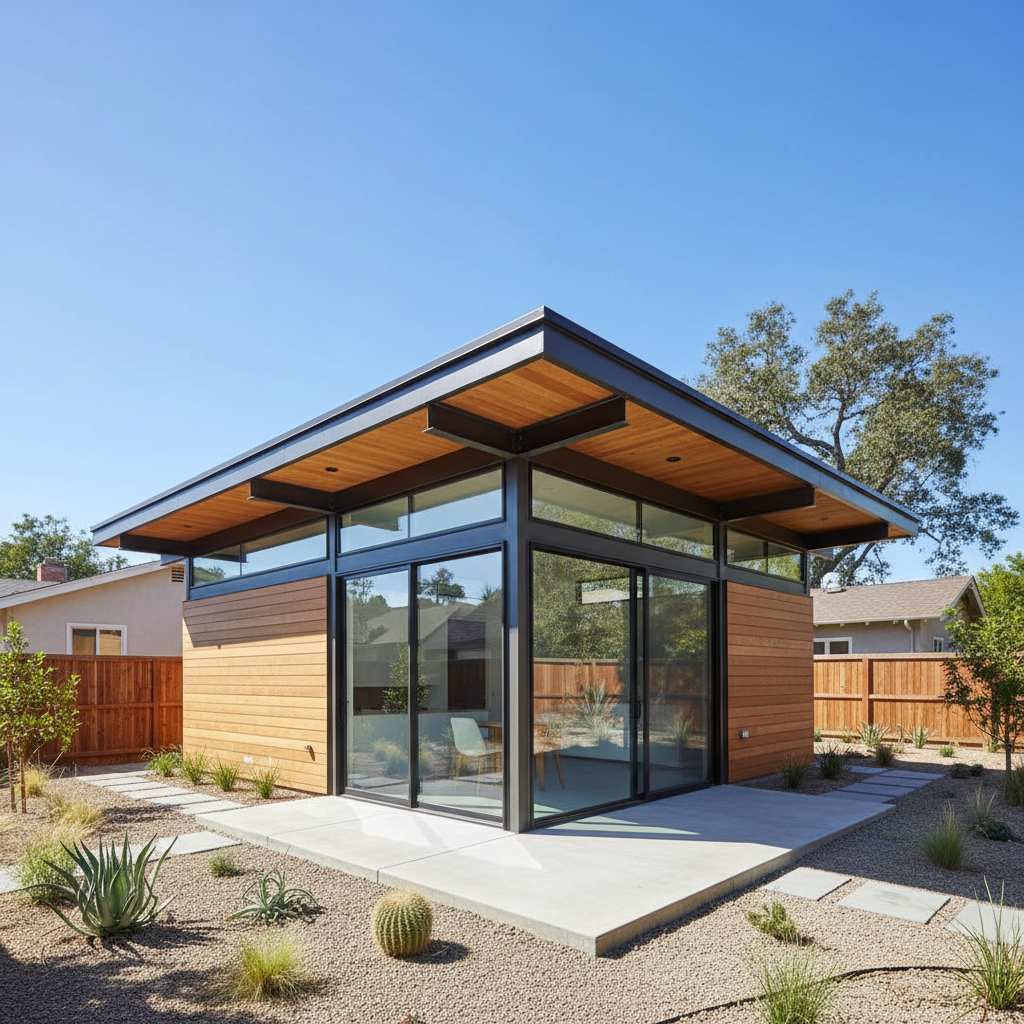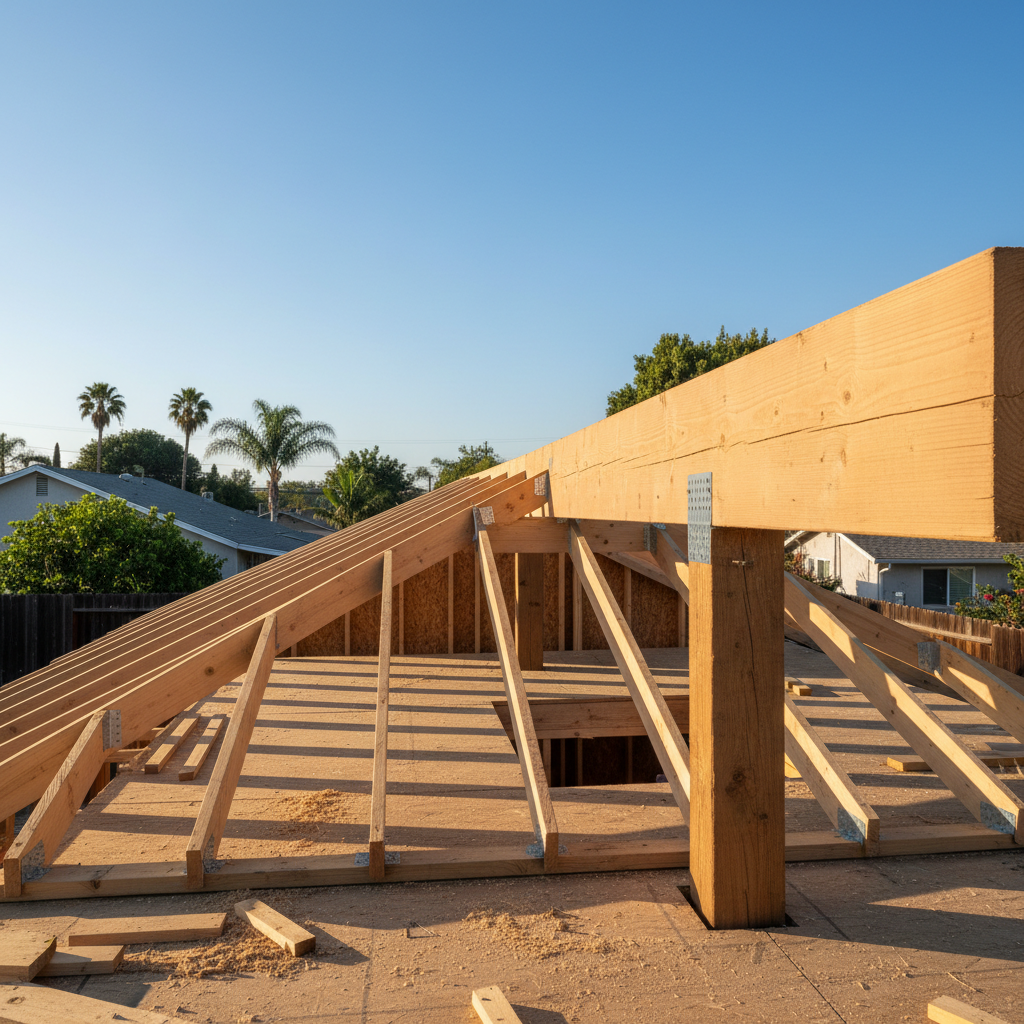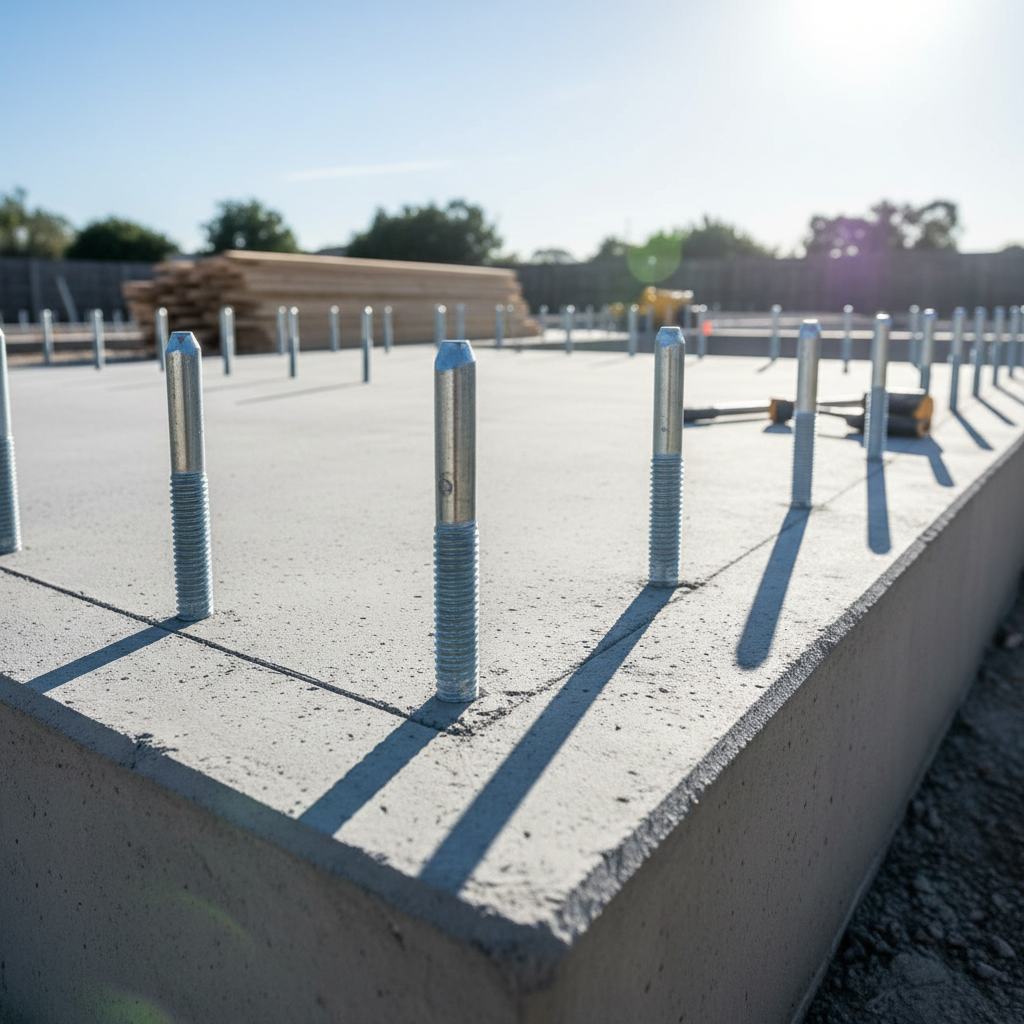

If you are thinking about building an ADU in Los Angeles, the permit stage is usually where confidence turns into questions. Homeowners often start with a clear goal - rental income, space for family, or a backyard office - then hit the reality of zoning rules, plan check comments, and city approvals. The los angeles adu permit process is manageable, but it works best when you understand what the city is reviewing, what can slow things down, and how to prepare before plans are submitted.
For most homeowners, the issue is not whether an ADU is allowed at all. California law has made ADUs far more accessible than they were a few years ago. The real challenge is that "allowed" does not mean "automatic." Your project still needs to satisfy site-specific requirements, code compliance, utility considerations, and documentation standards before permits are issued.
What the Los Angeles ADU permit process is really reviewing
The City of Los Angeles is not just checking whether you want to add a small home to your property. It is reviewing whether that specific unit, on that specific lot, can be built safely and legally. That includes zoning, setbacks, height, fire and life safety, structural design, energy compliance, and sometimes grading or utility details.
This is why two ADU projects that look similar on paper can move at very different speeds. A straightforward detached ADU on a flat single-family lot may be relatively clean to permit. A garage conversion with unpermitted prior work, a sloped property, or a lot in a hillside or special overlay area can trigger more review and more revisions.
Homeowners are often surprised to learn how much of the permit timeline is shaped before submission. If the initial feasibility work is weak, the city tends to expose those problems later. If the project is vetted carefully up front, the permit process is usually more predictable.
Start with feasibility before design
The smartest first step is not drafting floor plans. It is confirming what your property can realistically support. That means looking at lot zoning, access, existing structures, utility location, parking context, and any constraints tied to your parcel.
This early phase matters because ADU rules are favorable, but not every design idea is a good fit for every property. You may be legally entitled to build an ADU and still need to adjust unit size, placement, window locations, or roof form to fit code and site conditions. Catching those issues early protects both your budget and your timeline.
In practice, feasibility should answer a few critical questions. Can your lot support a detached ADU, attached ADU, garage conversion, or more than one unit type under current rules? Are there slope, access, or utility challenges that will affect cost? Is the most valuable layout the same as the easiest one to permit? Sometimes the highest-return project is not the biggest unit. It is the one that balances rental potential, construction efficiency, and permit simplicity.
Design and documentation drive permit speed
Once feasibility is clear, design moves from concept to a permit-ready set of plans. This is where many projects either gain momentum or lose weeks.
A proper submittal usually includes architectural drawings, a site plan, structural plans, Title 24 energy documentation, and other technical materials based on the property. Depending on the project, you may also need soils information, grading details, or utility-related documentation. The city reviews what is submitted, not what was intended, so incomplete or loosely coordinated plans tend to generate corrections.
Good permit drawings do more than show the ADU. They anticipate reviewer questions. Clear dimensions, code references, accurate site conditions, and coordination between architectural and structural sheets reduce the back-and-forth that stretches timelines.
This is one reason homeowners who try to assemble separate consultants on their own often feel stuck. The architect, structural engineer, energy consultant, and expeditor may all be competent, but if no one is managing the package as one coordinated submission, small inconsistencies can become repeated plan check comments.
How submission and plan check usually work
After the plans are prepared, they are submitted for city review. From there, the project typically enters plan check, where reviewers assess code compliance and issue corrections if anything needs clarification or revision.
The first review rarely comes back with no comments at all. That is normal. Corrections can range from minor drafting clarifications to more meaningful design updates. The key is whether those comments are expected and manageable, or whether they reveal that the project was not fully thought through before filing.
The los angeles adu permit process often feels slow because homeowners see submission as the finish line for design. In reality, submission is the start of a dialogue with the city. If your team is responsive and the plans were built on solid feasibility work, that dialogue is usually straightforward. If not, the same project can cycle through multiple rounds of revisions.
Timelines vary. A clean ADU submittal may move faster than a project with grading complications, prior code issues on the site, or multiple agency reviews. No ethical professional should promise a universal permit timeline, because city volume, reviewer workload, and property conditions all affect the pace. What a good team can do is reduce avoidable delays.
The most common reasons permits get delayed
Permit delays usually come from a small set of recurring issues. The first is poor property analysis. If setbacks, height limits, lot conditions, or utility constraints were not understood early, those oversights often surface in plan check.
The second is incomplete or inconsistent documentation. A mismatch between the site plan and architectural sheets, unclear structural details, or missing energy forms can force another review round. These are preventable problems.
The third is existing site conditions. Many Los Angeles properties have older garages, additions, or utility setups that do not line up neatly with current records. When a project touches those conditions, the city may require clarification or corrections before moving forward.
The fourth is scope creep during permit review. Homeowners sometimes decide to revise the layout, enlarge the unit, or add features after submission. That can be the right decision, but it usually affects timeline. The permit phase runs best when the design is settled before filing.
What homeowners should expect on cost and timing
Permitting costs are only one part of pre-construction cost. There are city fees, plan preparation costs, engineering, energy documentation, and sometimes additional studies or revisions. The right way to evaluate this phase is not just by asking what permits cost, but by asking whether the overall process is being managed efficiently enough to protect the larger project budget.
Timing also needs a realistic frame. Some ADU permits move efficiently, while others take longer because of plan check comments, site complexity, or outside agency coordination. Homeowners should be cautious about anyone who presents permitting as a fixed number of weeks without reviewing the parcel and project type first.
A dependable team will give you a timeline range, explain what could affect it, and keep the project moving through each response cycle. That kind of transparency matters more than an overly optimistic promise.
Why full-service coordination makes a difference
The permit process is not just paperwork. It is project management. Every decision made in feasibility and design shows up later in plan review, budget, and construction scheduling.
That is why a full-service ADU approach tends to create a smoother experience. When one team is responsible for feasibility, design, permitting, and construction planning, there is less room for disconnect between what is drawn, what is approved, and what can actually be built. For Los Angeles homeowners who want clarity instead of contractor coordination headaches, that structure saves both time and stress.
GatherADU works in that exact model because the city process rewards coordination. A permit-ready ADU is not just a nice design. It is a design that fits the lot, satisfies the code path, and is documented in a way the city can review efficiently.
How to prepare for a smoother permit experience
Homeowners do not need to become permit experts, but they do benefit from asking the right questions early. Ask whether your property has any unusual constraints. Ask what type of ADU is most efficient to permit on your lot. Ask what documents will be needed before submission and what issues commonly come up for similar properties.
Just as important, make decisions early about your goals. If the priority is rental income, that may shape layout and finish choices differently than if the unit is for aging parents or a private office. A clear use case helps the design team produce a permit package that matches both city requirements and your long-term return.
The permit process in Los Angeles can feel technical, but it does not have to feel chaotic. With the right feasibility work, coordinated plans, and realistic expectations, it becomes a structured step toward adding usable square footage and long-term value to your property.
The best way to think about permits is simple: they are not a hurdle to fear, but a stage to plan for carefully. When the groundwork is done right, the path to your ADU gets a lot more predictable.