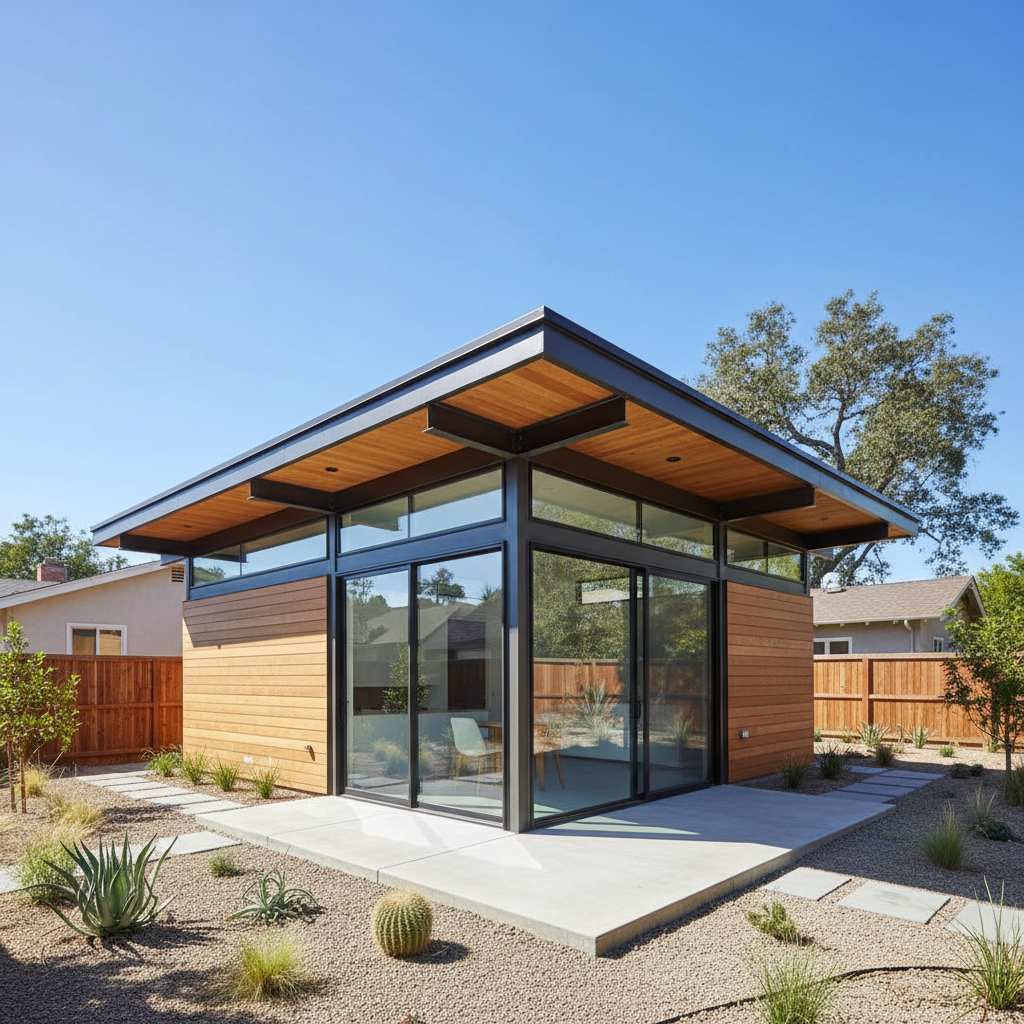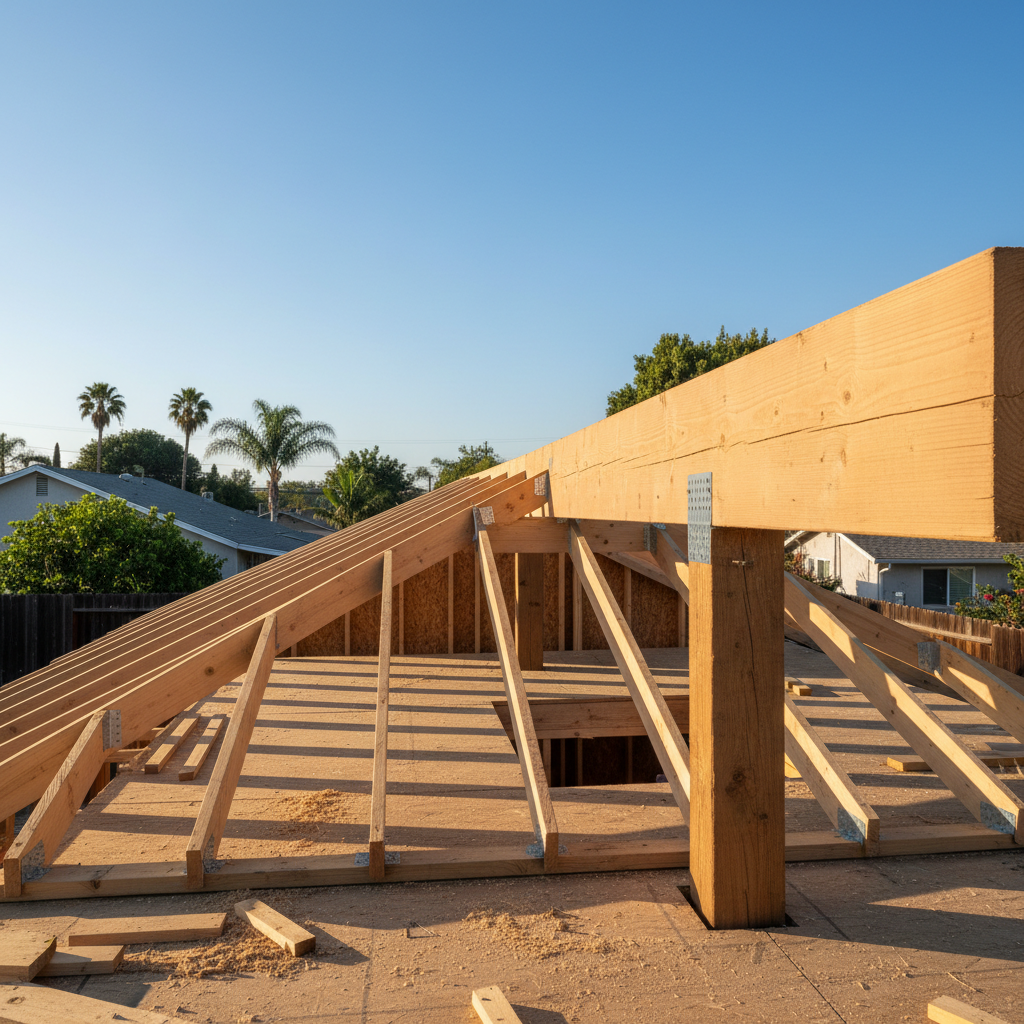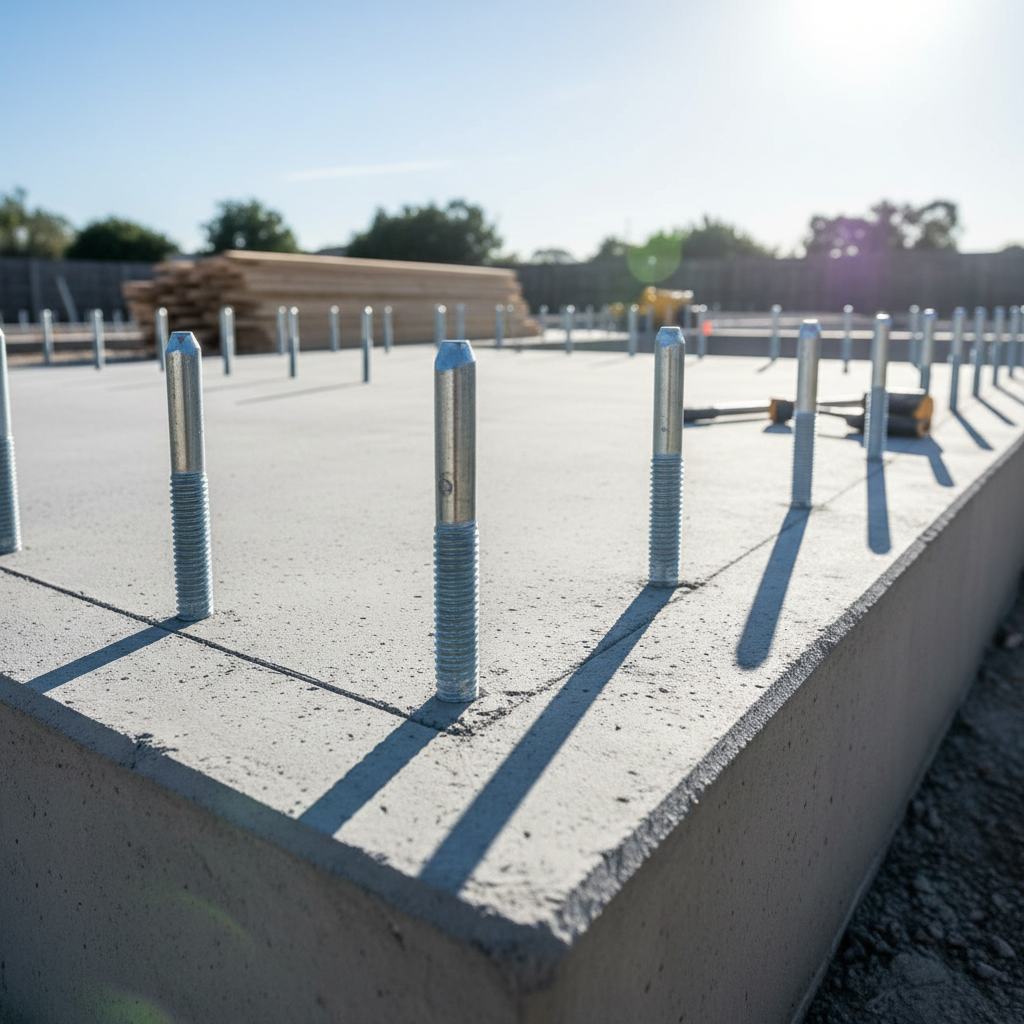

For many California homeowners, an Accessory Dwelling Unit (ADU) represents a valuable asset, whether it's generating rental income or providing space for family. However, if you have an unpermitted ADU, meaning it was built without the necessary permits, the prospect of selling your home with an unpermitted ADU in California can quickly turn exciting into alarming. This isn't just a minor detail; it's a significant concern that can complicate, delay, or even derail a sale.
The good news? Recent legislative changes in California, particularly AB 2533, offer a proactive solution. By understanding the challenges an unpermitted unit presents and embracing the legalization process, you can transform a potential liability into a legitimate asset, ensuring a smoother, more profitable home sale.
The Unseen Threat: Why Unpermitted Units Are a Problem When Selling
When you decide to sell your home, transparency is paramount, especially in California, which is a 'disclosure state.' Unpermitted structures, no matter how functional or aesthetically pleasing, introduce a host of complications.
Disclosure Obligations for Homeowners
As a seller, you have a legal and ethical obligation to disclose all known material facts about your property. An unpermitted ADU absolutely qualifies as a material fact. Attempting to conceal an unpermitted unit can lead to serious legal consequences down the line, including lawsuits for fraud or misrepresentation. Disclosing it, however, can raise red flags for potential buyers and their lenders.
While we cannot offer legal advice, the general principle is clear: if you know about it, you likely need to disclose it. The gray area often lies in how to disclose it without immediately scaring off buyers.
What Buyers and Their Agents Discover During Due Diligence
Today's buyers and their agents are highly sophisticated, especially in competitive California markets. They conduct thorough due diligence, and unpermitted units rarely escape detection:
- Home Inspections: Professional inspectors are trained to identify structures that may not meet code or appear to be unpermitted. They will flag these in their reports.
- Appraisals: Appraisers evaluate a property's value based on permitted square footage and legal structures. An unpermitted ADU often cannot be factored into the appraised value, meaning it won't contribute to the home's official worth in the eyes of a lender.
- Lender Requirements: Mortgage lenders are notoriously risk-averse. They require properties to be in full compliance with local building codes. An unpermitted ADU can cause a lender to refuse financing until the issue is resolved, or even worse, deny the loan altogether.
- Title Searches and Permit History: Buyers' agents often pull permit records from the local planning department. If a structure exists but no permits are on file, it immediately signals a problem.
- Insurance: Insurers may refuse to cover damage to unpermitted structures, leaving future homeowners exposed to significant financial risk.
How Unpermitted Units Complicate or Kill a Sale
The discovery of an unpermitted ADU can have several negative impacts on your home sale:
- Reduced Buyer Pool: Many buyers, especially those reliant on conventional financing, will simply walk away rather than deal with the headache.
- Price Reductions: Buyers who are willing to proceed will often demand significant price reductions to compensate for the risk, the cost of potential demolition, or the expense and effort of legalization.
- Escrow Delays: Resolving permit issues during escrow can lead to lengthy delays, potentially causing buyers to lose interest or miss out on other opportunities.
- Future Liability: Even if a sale goes through, subsequent issues with the unpermitted unit could lead to future legal action against you by the new owners.
Facing these challenges can be daunting, but there's a clear, proactive path forward for homeowners in California. Instead of waiting for these issues to arise, consider taking control of the situation before you list your home.


AB 2533: Your Proactive Solution for Legalization
California has recognized the widespread issue of unpermitted ADUs and, through legislation like Assembly Bill 2533 (which built upon previous laws like AB 881), has created a pathway for homeowners to legalize their existing units. This is a game-changer for anyone considering selling a home with an unpermitted ADU in California.
AB 2533 prevents local agencies from denying a permit application for an existing ADU solely because it was built without a permit. Instead, the focus shifts to ensuring the unit meets current health and safety standards. This means that if your unpermitted ADU is structurally sound and can be brought up to code, legalization is now a much more accessible option.
Why Legalizing Before Listing Puts You in a Stronger Position
Taking the initiative to legalize your ADU before putting your home on the market offers numerous advantages:
- Maximizes Property Value: A legally permitted ADU adds verifiable square footage and income potential, directly increasing your home's appraised value.
- Expands Buyer Pool: You can confidently market your property to all buyers, including those who rely on conventional financing.
- Streamlines the Sale Process: No last-minute surprises, no frantic negotiations over unpermitted structures, and fewer reasons for escrow delays.
- Eliminates Seller Liability: You sell a property free and clear of unpermitted construction issues, protecting you from future legal claims.
- Peace of Mind: Sell your home knowing you've done everything right, and the new owners are getting a fully compliant, valuable asset.
Ready to explore how AB 2533 can work for you? Book a free ADU consultation with GatherADU today to understand your specific legalization path.

The Legalization Path: What to Expect
While the idea of legalizing an existing structure might seem complex, GatherADU simplifies the process into manageable steps:
1. Initial Assessment and Feasibility Study
Our experts begin by evaluating your existing unpermitted ADU. This involves:
- Reviewing its current condition, construction quality, and existing features.
- Assessing its potential to meet current health and safety codes.
- Identifying necessary upgrades or modifications.
- Understanding your property's specific zoning and local ADU ordinances.
2. Design and Plan Development
Based on the assessment, our team will create detailed architectural and engineering plans. These plans are crucial for demonstrating to the city or county that your ADU:
- Complies with all relevant building, fire, and safety codes.
- Adheres to utility connection requirements (electrical, plumbing, sewer).
- Meets structural integrity standards.
This phase is about bringing your existing unit into full compliance, at least on paper.

3. Permitting and Review Process
Once the plans are finalized, we manage the submission of your permit application to the local planning department. This stage involves:
- Navigating local regulations and requirements.
- Responding to any questions or requests for additional information from city planners.
- Ensuring all necessary documentation is complete and accurate.
We leverage our experience with California's ADU laws and local jurisdictions to streamline this often-complex process.
4. Construction and Inspections
With permits in hand, any necessary construction work to bring the ADU up to code can begin. This might include:
- Upgrading electrical panels or plumbing.
- Adding egress windows or smoke detectors.
- Ensuring proper insulation and ventilation.
Throughout this phase, city inspectors will conduct periodic visits to verify that construction is proceeding according to the approved plans and meeting all safety standards.
5. Final Approval and Occupancy
Upon completion of all work and successful final inspections, the city will issue a Certificate of Occupancy or similar final approval. This document officially recognizes your ADU as a legal, permitted structure. At this point, your ADU is fully compliant, adding significant, indisputable value to your property and removing all the headaches associated with an unpermitted unit when you go to sell.


Why Legalizing Your ADU Now is the Smartest Move
For homeowners contemplating selling a home with an unpermitted ADU in California, the choice is clear: proactive legalization under AB 2533 is the most strategic and financially sound decision. It transforms a potential liability into a verified asset, safeguards your investment, and ensures a seamless transition when it's time to sell.
Don't let the anxiety of an unpermitted ADU overshadow your home selling journey. Take control, leverage California's supportive ADU legislation, and unlock the full potential of your property.
Conclusion
Selling a home with an unpermitted ADU in California presents unique challenges, but thanks to AB 2533 and a clear legalization process, homeowners have a powerful solution. By addressing permit issues before listing, you not only avoid potential deal breakers and legal liabilities but also significantly enhance your property's market value and appeal. GatherADU is here to guide you through every step of this transformation, turning your unpermitted unit into a fully compliant and valuable asset.
Ready to gain clarity and peace of mind? Don't wait until it's too late. Book your free ADU legalization consultation with GatherADU today to understand your options and start your path to a stress-free home sale.