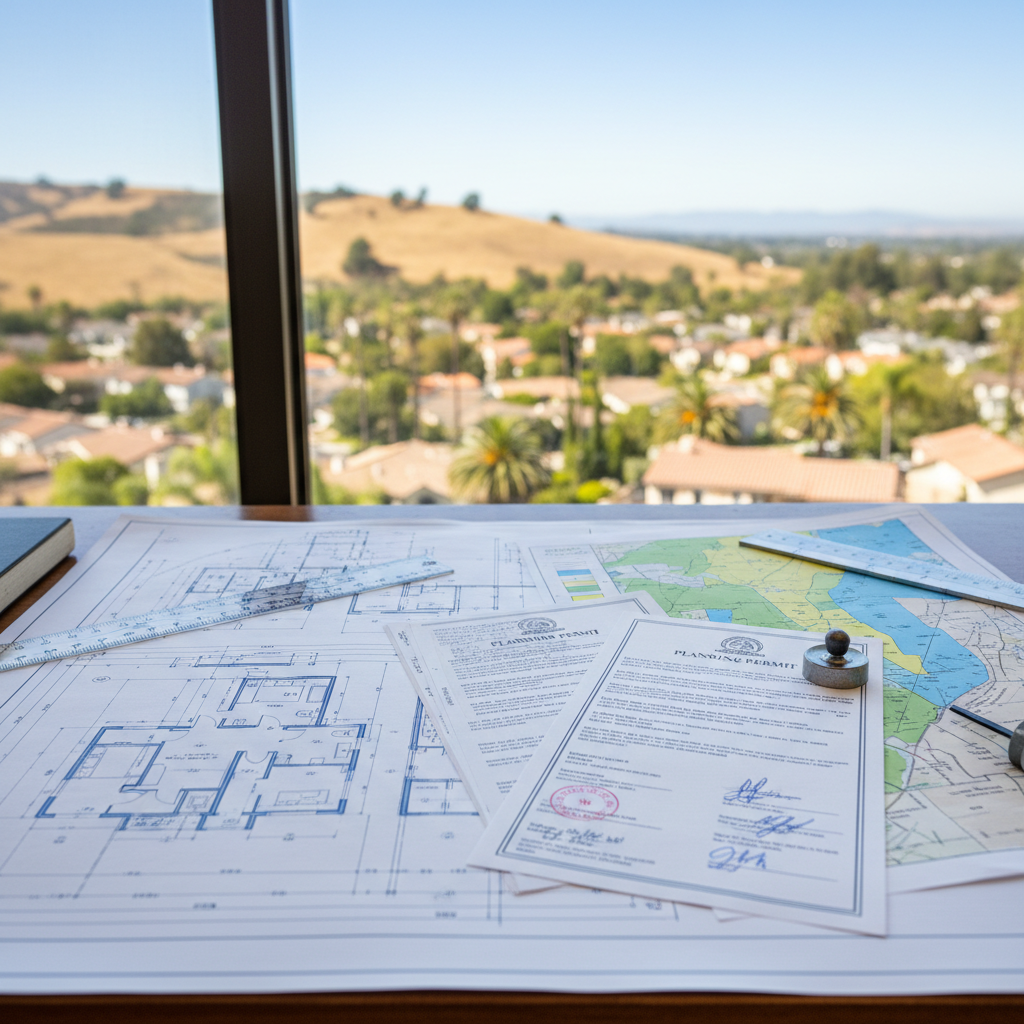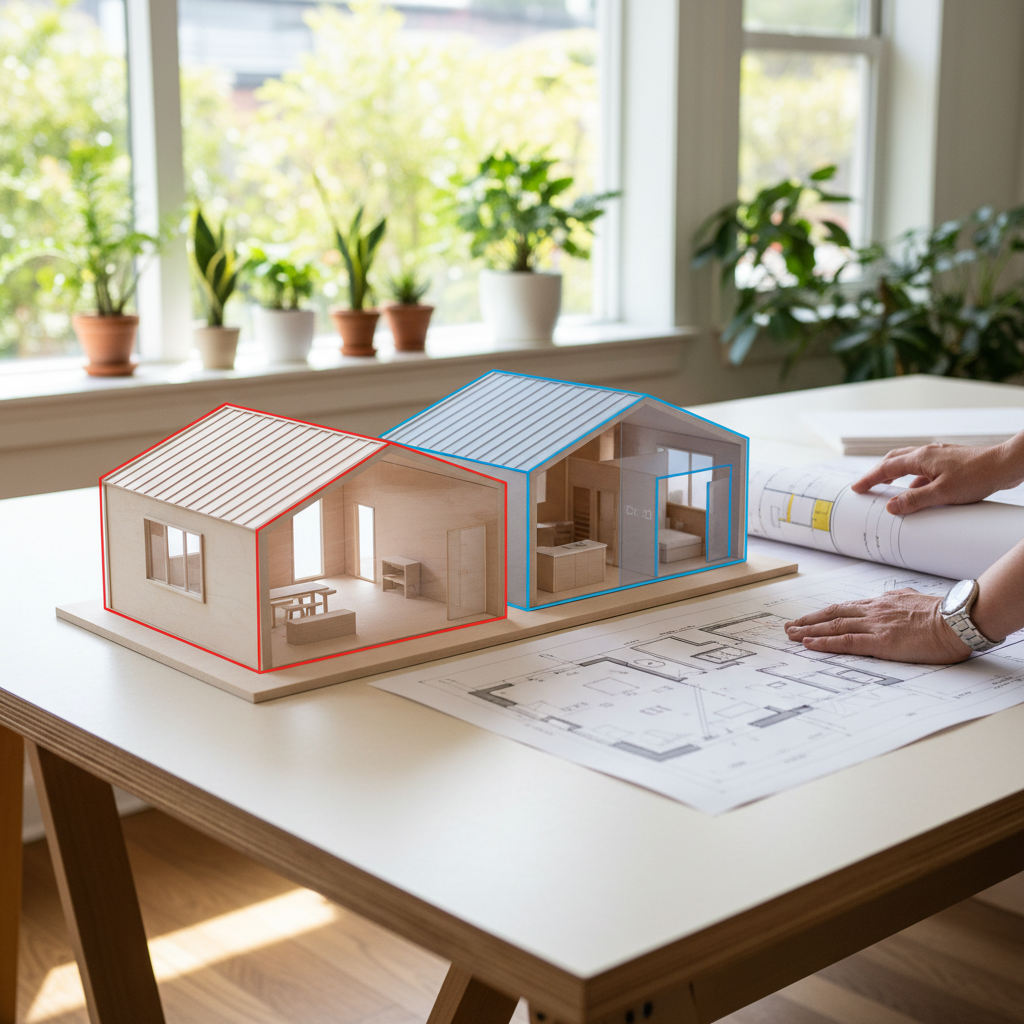
"My yard is just too small." "My lot is oddly shaped." "There's no way I can fit another structure back there." These are common refrains we hear from California homeowners dreaming of an Accessory Dwelling Unit (ADU), but who are worried about their property's limitations. The good news? Thanks to progressive state legislation, the reality of building an ADU in California is far more flexible and accommodating than many realize, especially when it comes to crucial space considerations like setbacks.
Understanding the California ADU setback rules is the first step to unlocking your backyard's full potential. These regulations are specifically designed to make ADUs more achievable, even on seemingly tight or challenging lots. Let's dive into the specifics and demystify how you can make an ADU work for your property.
Understanding State Minimum Setbacks for New Detached ADUs
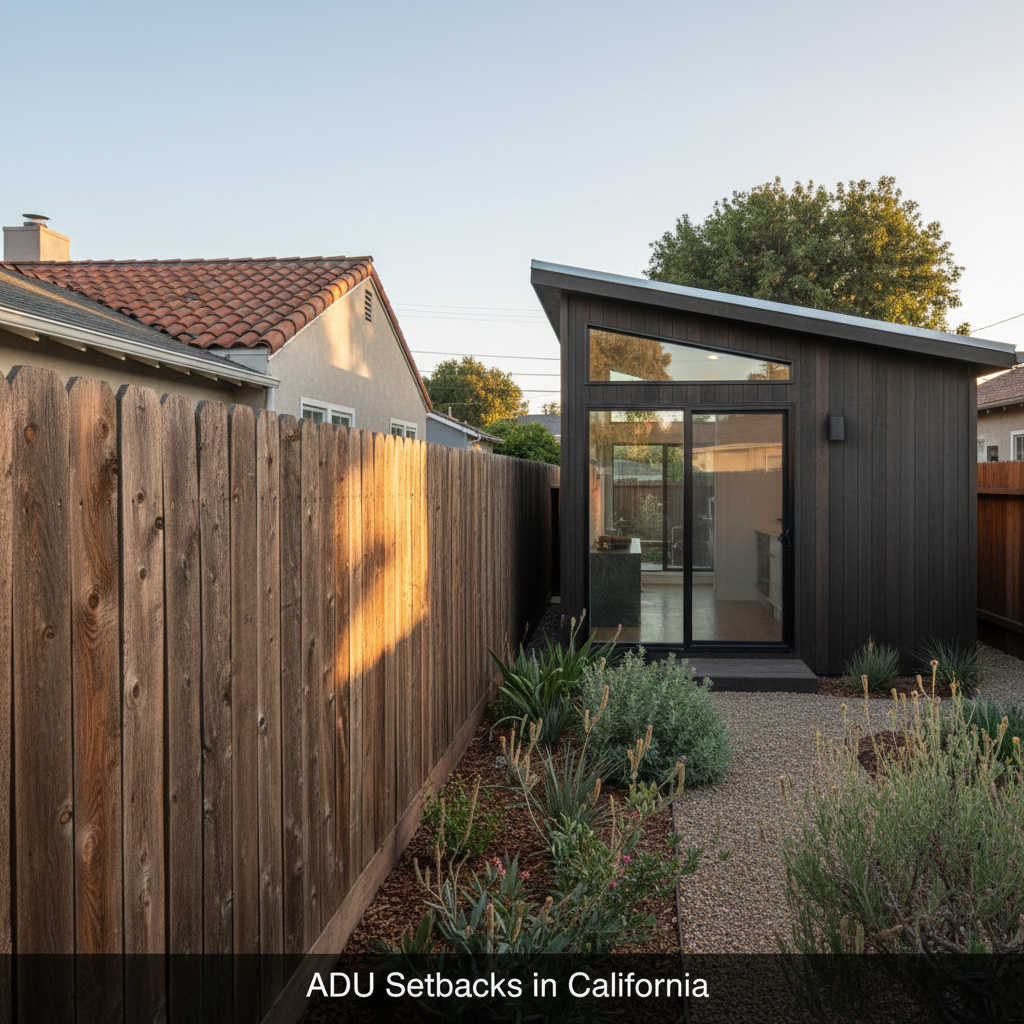
One of the most significant changes in California ADU law addresses setbacks, which are the minimum distances a structure must be from property lines. For a new, detached ADU, the state mandates remarkably homeowner-friendly minimum setbacks:
-
4 feet from the rear property line.
-
4 feet from the side property lines.
This means that if you're planning to build a brand-new ADU separate from your primary home, it only needs to be four feet away from your back fence and four feet from your side fences. This regulation is a game-changer for many properties, allowing ADUs to be tucked into spaces that were previously considered unusable due to more restrictive local zoning.
Why 4 Feet? The Rationale Behind the Rule
These specific setback distances aren't arbitrary. They are carefully chosen to balance safety, privacy, and livability:
-
Fire Safety: The 4-foot minimum provides adequate space for fire separation between structures, reducing the risk of fire spreading to adjacent properties.
-
Light and Air: It ensures sufficient access to natural light and air circulation for both the ADU and neighboring properties.
-
Maintenance Access: This distance generally allows enough room for maintenance activities on the exterior of the ADU, such as painting or minor repairs.
It's important to understand that these are state minimums. California law explicitly states that cities and counties cannot impose more restrictive setbacks than these 4-foot minimums for a standard, detached ADU. This prevents local jurisdictions from creating their own, more prohibitive rules that would effectively block ADU construction on many lots. This statewide mandate is crucial for empowering homeowners to build.
The Game-Changer: Setbacks for Converted Existing Structures
Even more flexible than the rules for new detached ADUs are those for converting existing structures. This is where many homeowners with truly tight lots find their solution.
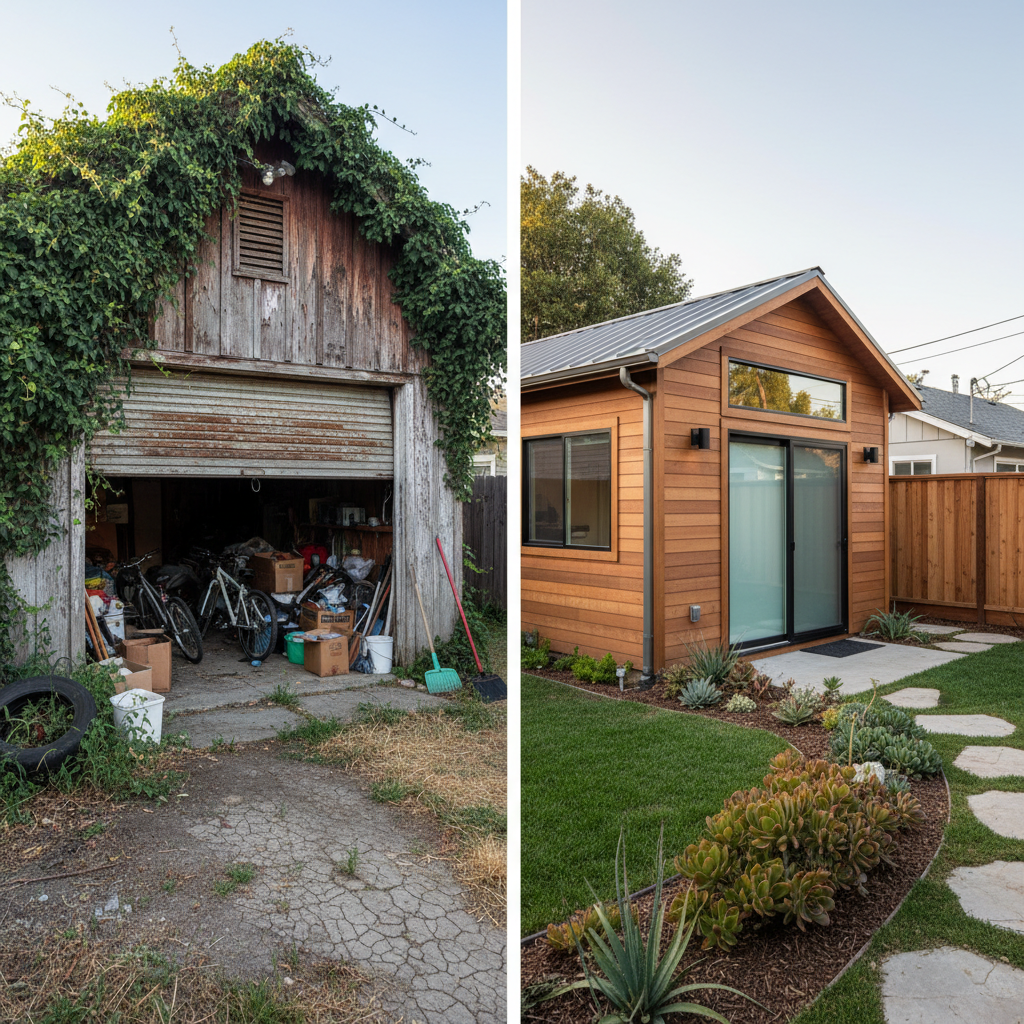
If you're converting an existing legal structure into an ADU – such as a garage, a portion of your primary residence, or another accessory structure like a shed or workshop – no additional setback is required beyond what already exists.
Let's break down what this means:
-
Garage Conversions: If your detached garage is already sitting on your property line, or just a foot or two from it, you can convert it into an ADU without having to move it or meet new setback requirements. This is incredibly common and often the most cost-effective path to an ADU for small lots.
-
Attached ADUs: If you convert a part of your primary home (e.g., an unused basement, an extra bedroom, or an addition) into an attached ADU, it simply inherits the existing setbacks of the main house. No new setbacks apply.
This exception is a powerful tool for maximizing space on properties where every foot counts. It leverages existing footprints, minimizing construction impact and often simplifying the permitting process.
Curious how these rules apply to your specific property? Don't leave it to guesswork. Book a free ADU consultation with GatherADU to discuss your lot's potential.
Front Setbacks and Local Control: Where Cities Still Have a Say
While state law is very prescriptive about side and rear setbacks for standard ADUs, it grants local jurisdictions more authority over front setbacks. This means:
-
Local Zoning Applies: The setback from the front property line (the one facing the street) for a new detached ADU will typically follow your city's existing zoning requirements for primary residences or accessory structures. These can vary significantly by city and even by specific zoning district within a city.
-
Street-Facing Rules: Cities may also have design review processes or architectural compatibility requirements for ADUs that are visible from the street. This is to ensure the ADU blends aesthetically with the neighborhood.
It's crucial to consult your local planning department or an experienced ADU builder like GatherADU to understand the front setback requirements for your specific address. While state law aims to streamline ADU development, local nuances for front yards still exist.
Practical Strategies for Small or Oddly Shaped Lots
Even with favorable state laws, building on a small or oddly shaped lot requires smart planning and design. Here are some practical considerations:
1. Two-Story ADUs (Where Allowed)
If your lot's footprint is severely limited, going vertical might be an option. Some jurisdictions permit two-story ADUs, allowing you to double your living space without expanding your ground-level footprint. This can be an excellent solution for maximizing square footage while adhering to setback requirements.
2. Compact Footprints and Clever Design
Modern ADU design excels at making the most of small spaces. Think about:
-
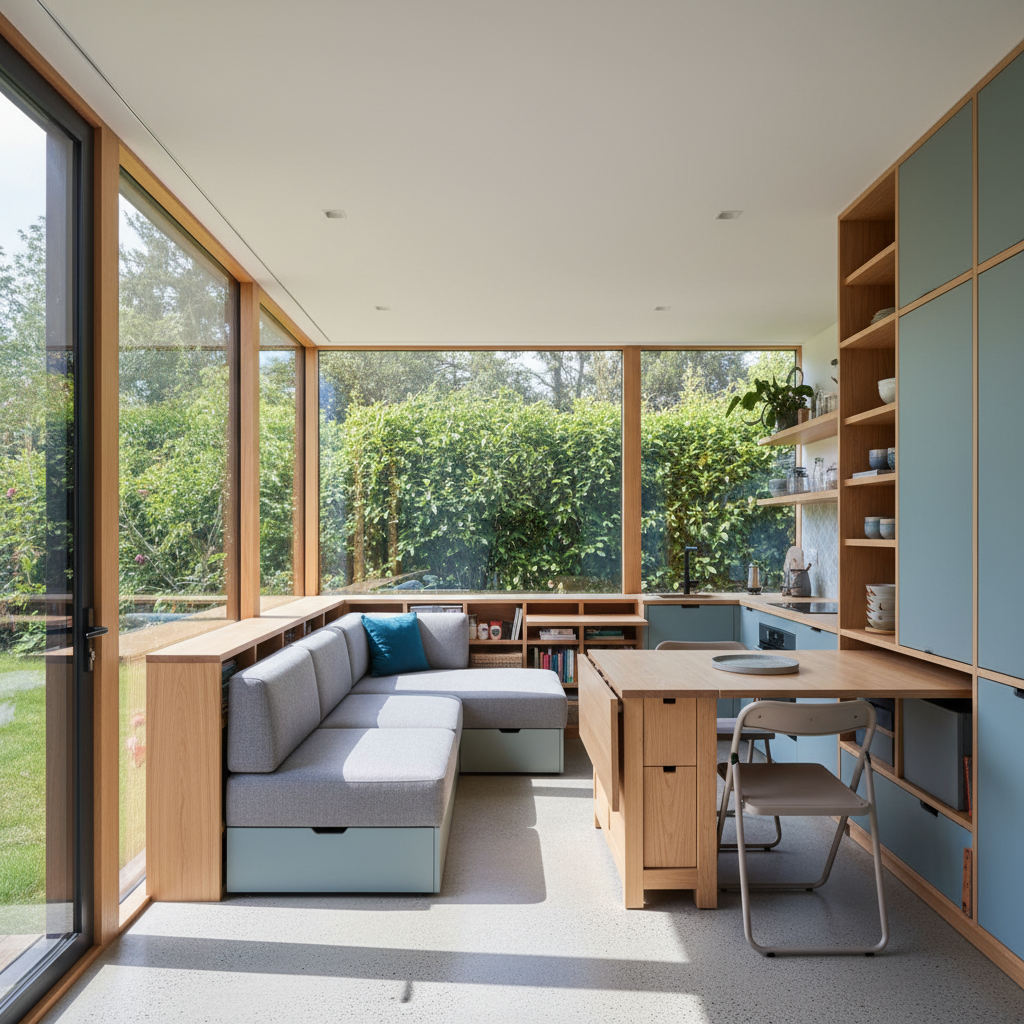
Multi-functional furniture: Built-in storage, Murphy beds, and transforming tables.
-
Open-concept layouts: Maximizing the feeling of spaciousness.
-
Vertical storage: Utilizing wall space effectively.
-
Strategic window placement: Bringing in light and views without compromising privacy.
3. Utilizing Existing Structures for Conversions
As discussed, converting an existing garage or other legal structure is often the most straightforward and cost-effective path for small lots. It not only bypasses new setback requirements but also reduces construction time and material costs. We can help you assess if your existing structure is a good candidate for conversion.
4. Creative Landscaping and Outdoor Integration
Even with a small footprint, clever landscaping can make an ADU feel larger and more integrated. Consider:
-
Small patios or decks: Extending living space outdoors.
-
Vertical gardens: Adding greenery without taking up precious ground space.
-
Thoughtful pathways: Connecting the ADU to the main house and enhancing curb appeal.
5. Professional Guidance is Key
Navigating the specific permitting and planning requirements for your property can be complex. While the state rules provide a solid foundation, local interpretations and additional requirements (like utility connections, fire sprinklers, or parking) can vary. An experienced ADU builder like GatherADU understands these nuances and can help you identify the best approach for your unique lot.
Ready to see how an ADU can fit on your property? Get your free project estimate and explore your options with GatherADU.
Conclusion: Don't Let Setbacks Hold You Back
The perception that ADUs are only for large lots is outdated. California's progressive ADU setback rules are specifically designed to empower more homeowners to build, offering incredible flexibility for properties of all shapes and sizes. Whether through the generous 4-foot minimums for new construction or the zero-additional-setback rule for conversions, your small or tight lot might be far more capable of hosting an ADU than you think.
At GatherADU, we specialize in turning these possibilities into realities. Our expertise in California ADU regulations and innovative design solutions means we can help you navigate the process, maximizing your property's potential and bringing your backyard home vision to life, even on the most challenging lots. Don't let perceived limitations deter you – let's explore what's truly possible for your property. Book a free ADU consultation with GatherADU today and take the first step towards your new ADU.