

For many California homeowners, an Accessory Dwelling Unit (ADU) represents a versatile investment, offering additional living space, housing for family, or a valuable source of rental income. However, the dream of generating significant revenue through platforms like Airbnb or VRBO by offering your ADU as a short-term rental comes with a crucial caveat: ADU short-term rental restrictions in California are a complex and evolving landscape. Understanding these rules is paramount for any current or prospective ADU owner.
This comprehensive guide will demystify what short-term rental restrictions entail, how they specifically apply to ADUs across California, and what steps you need to take to ensure compliance. Whether you're considering building an ADU or already own one, knowing these regulations is key to maximizing your investment and avoiding costly pitfalls.
What Exactly Are Short-Term Rental Restrictions?
Before diving into ADUs, let's define what we mean by short-term rentals and why they are regulated. A short-term rental (STR) typically refers to renting out a residential property for a period of less than 30 consecutive days. This contrasts with long-term rentals, which usually involve leases of 30 days or more.
Why Do Jurisdictions Regulate Short-Term Rentals?
The rise of online booking platforms has brought both economic benefits and significant challenges to communities, prompting local governments to impose various restrictions:
- Housing Supply: Critics argue that STRs remove housing units from the long-term rental market, exacerbating housing shortages and increasing rental costs for permanent residents.
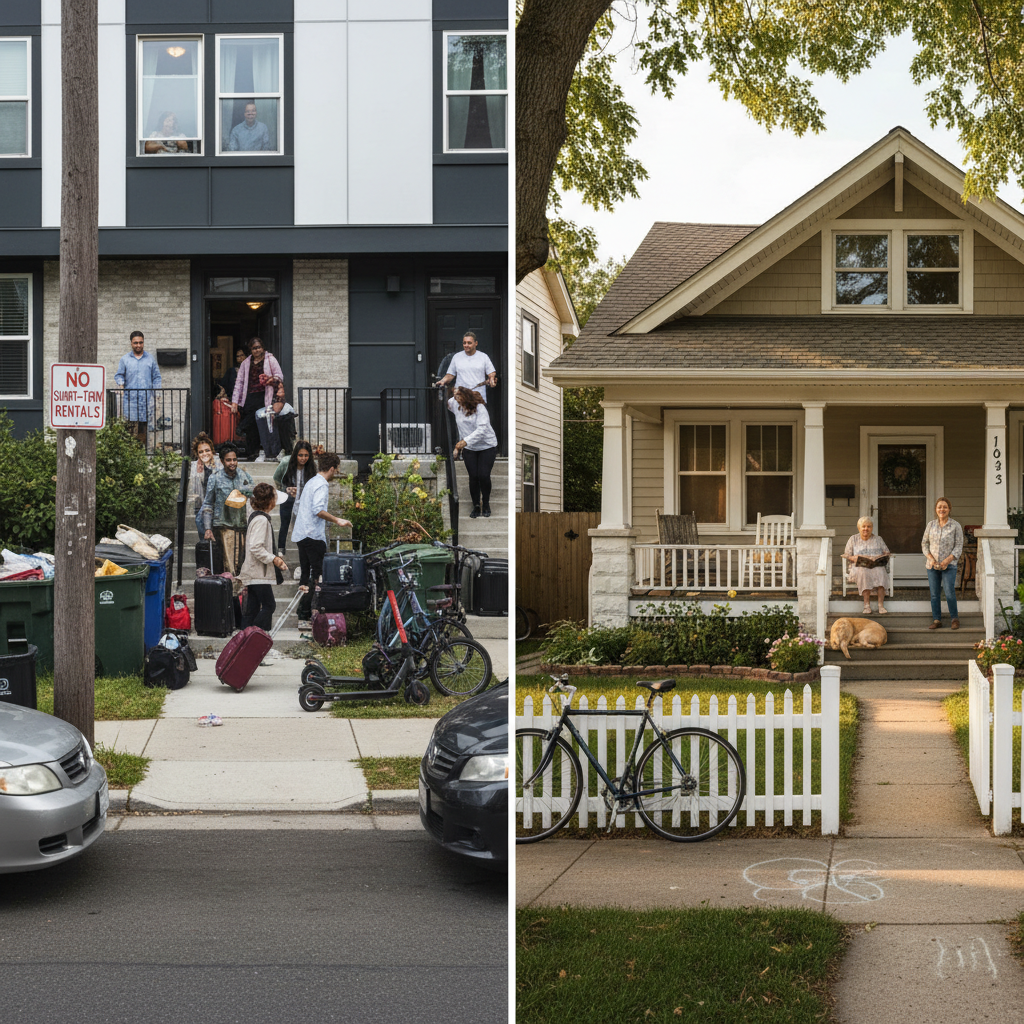
- Neighborhood Character: Frequent turnover of guests can lead to increased noise, traffic, parking congestion, and a loss of community feel in residential areas.
- Safety and Nuisance: Concerns about parties, increased crime rates, and inadequate safety measures (e.g., fire exits, occupancy limits) are common.
- Tax Revenue: Many jurisdictions seek to collect transient occupancy taxes (TOT) or similar lodging taxes from STRs, similar to hotels.
- Fair Competition: Hotels and traditional lodging providers often lobby for stricter STR regulations to ensure a level playing field.
Common Types of STR Restrictions
Restrictions vary widely but often include:
- Permitting and Licensing: Requiring owners to obtain specific permits or licenses to operate an STR, often with associated fees.
- Owner-Occupancy Requirements: Mandating that the property owner must reside on-site (either in the primary dwelling or the ADU itself) during the rental period.
- Duration Limits: Imposing caps on the maximum number of nights a property can be rented out annually or minimum stay requirements.
- Density Limits: Restricting the number of STRs allowed within a certain geographic area or building.
- Outright Bans: Prohibiting STRs entirely in certain residential zones or throughout the entire jurisdiction.
- Health and Safety Standards: Requiring compliance with specific building codes, fire safety, and accessibility standards.
The Evolving Landscape of ADU Regulations in California
California has been at the forefront of encouraging ADU development to address its severe housing crisis. Over the past decade, a series of state laws (notably AB 68, AB 881, SB 1069, AB 1033, AB 2221, SB 897, and others) have progressively streamlined the ADU permitting process, reduced fees, and limited the ability of local jurisdictions to impose overly restrictive requirements.
A key aspect of these state laws is their intent to preempt local ordinances that hinder ADU construction. This means that while local governments can still have ADU ordinances, they generally cannot be more restrictive than state law. However, there's a significant nuance when it comes to short-term rentals.
California State Law and ADU Short-Term Rentals: A Critical Distinction
While state law generally prohibits local agencies from requiring owner-occupancy for ADUs, there's a crucial exception that directly impacts short-term rentals:
California Government Code Section 65852.2, subdivision (a)(6) specifically states: "A local agency may, but is not required to, prohibit or regulate the rental of an accessory dwelling unit for a term of less than 30 days."
This single sentence is the linchpin. It means that while California state law *promotes* ADUs and makes it easier to build and rent them out for long-term purposes, it explicitly grants local jurisdictions the authority to regulate or even prohibit ADU short-term rentals. This is a critical difference that ADU owners must understand.
Therefore, unlike many other aspects of ADU development where state law heavily constrains local discretion, when it comes to short-term rentals, the power largely remains with the cities and counties. This leads to a patchwork of regulations across the state.
Local Control: How Cities and Counties Implement Restrictions
Given the state's allowance for local control over STRs, the rules can vary dramatically from one city or county to another. What's permissible in San Diego might be strictly forbidden in Santa Monica or Los Angeles.
Examples of Local Approaches to ADU Short-Term Rentals:
- Outright Bans: Some cities, often those with high tourism and high housing costs, have completely banned short-term rentals in residential zones, which includes ADUs. Examples include Santa Monica (with very limited exceptions) and certain unincorporated areas of counties.
- Owner-Occupancy Requirements: Many cities permit STRs only if the property owner lives on-site, either in the primary dwelling or the ADU itself, for a significant portion of the year. For instance, San Diego requires a primary resident to occupy the property. In these cases, the ADU can only be rented short-term if the owner lives in the main house (or vice versa, though less common for ADUs).
- Permitting and Cap Systems: Some jurisdictions allow STRs but require a rigorous permitting process, often with caps on the total number of permits issued city-wide or within specific neighborhoods. Los Angeles, for example, has a Home-Sharing Ordinance that largely restricts STRs to a primary residence, meaning you generally cannot STR an unoccupied ADU if you don't live on the property.
- Limited Duration: Cities might allow STRs but limit the number of days per year a property can be rented short-term if the owner is not present.
- Specific Zoning: Some areas might only allow STRs in certain commercial or mixed-use zones, effectively prohibiting them in most residential areas where ADUs are built.
This variability underscores the absolute necessity of researching the specific ordinances of your city and county. What you hear from a neighbor or read about another city might not apply to your property.
If you're feeling overwhelmed by the regulatory maze and want to understand how these rules might impact your ADU project, a professional consultation can provide clarity. Schedule a free ADU consultation with GatherADU to discuss your specific goals and local regulations.
Why Do These Restrictions Matter for ADU Owners?
The impact of ADU short-term rental restrictions in California extends far beyond mere compliance:
- Financial Viability: For many, the prospect of short-term rental income is a significant driver for building an ADU. If STRs are prohibited, your projected return on investment (ROI) changes dramatically, requiring a pivot to long-term rental income or other uses.
- Investment Strategy: Understanding STR rules *before* you build helps you design an ADU that aligns with its intended use. A long-term rental might prioritize different features than an STR.
- Compliance and Penalties: Operating an illegal STR can lead to substantial fines, cease-and-desist orders, and even legal action from the city or neighbors. Platforms like Airbnb often require hosts to attest to compliance with local laws, and violations can lead to de-listing.
- Property Value: The ability to legally generate STR income can influence a property's market value, while a history of illegal STR activity could deter future buyers.

Navigating the Complexities: What ADU Owners Should Do
Given the intricate nature of these regulations, proactive due diligence is crucial:
1. Research Your Local Ordinances Thoroughly
This is the most critical step. Do not rely on general information. Visit your city's planning department website, search for their specific ADU ordinance, and look for any separate short-term rental or transient occupancy ordinances. Pay close attention to definitions, permitted zones, owner-occupancy requirements, and permitting processes.
2. Consult Your Local Planning Department
When in doubt, contact the planning department directly. While they cannot provide legal advice, they can clarify their specific rules regarding ADUs and short-term rentals. Be prepared with specific questions about your property's zoning and your intended use.
3. Consider Professional Guidance
Navigating these waters can be daunting. Engaging with ADU specialists like GatherADU, who are deeply familiar with California's ADU laws, can save you time, money, and headaches. We can help you understand the feasibility of your project given local STR rules and design an ADU that aligns with your goals. Additionally, consulting with a local real estate attorney specializing in land use can provide valuable legal insight.
4. Understand the Nuances of Primary Residence vs. Investor ADUs
The state's ADU laws are largely designed to encourage ADUs as a form of affordable housing or housing for family members. They are less focused on facilitating pure investment properties for short-term rentals, which is why local control over STRs is preserved. Your primary residence status often dictates what kind of STR activity is permissible.
Making informed decisions about your ADU's rental strategy is vital for its success. Don't leave it to chance. Get your free project estimate from GatherADU and let our experts guide you through the regulatory landscape.
Future Outlook
The landscape of ADU short-term rental restrictions in California is dynamic. As housing challenges persist and the impacts of STRs continue to be debated, state and local governments may introduce new legislation or amend existing ordinances. Staying informed about potential changes through reputable sources and local government channels is always a good practice for ADU owners.
Conclusion
While California has made it significantly easier to build Accessory Dwelling Units, the rules surrounding their use as short-term rentals remain largely at the discretion of local municipalities. For any homeowner considering an ADU, or for those who already have one, understanding the specific ADU short-term rental restrictions in your California city or county is not just advisable—it's essential for legal compliance and financial success.
Before you embark on your ADU journey or adjust your rental strategy, invest the time in thorough research and seek expert advice. This proactive approach will ensure your ADU serves its intended purpose without running afoul of local regulations.
Ready to explore your ADU possibilities and navigate the regulations with confidence? Book a free ADU consultation with GatherADU today and let our experienced team help you design, permit, and build your dream backyard home, ensuring it aligns perfectly with your goals and local requirements.