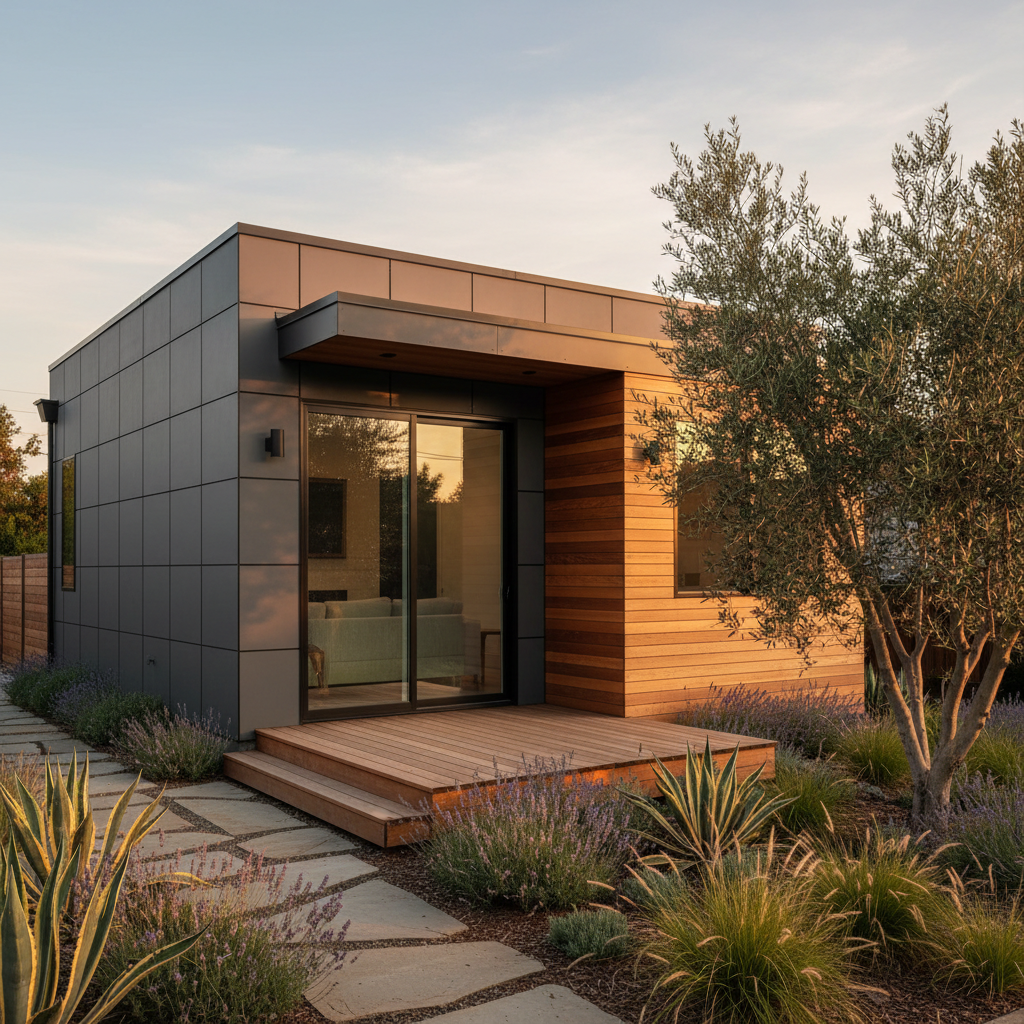
When planning your Accessory Dwelling Unit (ADU) in California, it’s easy to focus on the big-ticket items: floor plans, kitchen layouts, and exterior siding. Yet, some of the most crucial elements are often the least discussed. Among these vital, yet frequently overlooked, components is the ADU soffit. Far from being a mere decorative trim, the soffit plays a multifaceted role in protecting, ventilating, and enhancing the overall aesthetics and longevity of your backyard home.
At GatherADU, we believe that understanding every aspect of your ADU’s construction is key to making informed decisions and ensuring your investment stands the test of time. In this comprehensive guide, we'll demystify the soffit, exploring what it is, where it appears in your ADU, and why it's an indispensable part of quality construction.
What Exactly Is a Soffit?
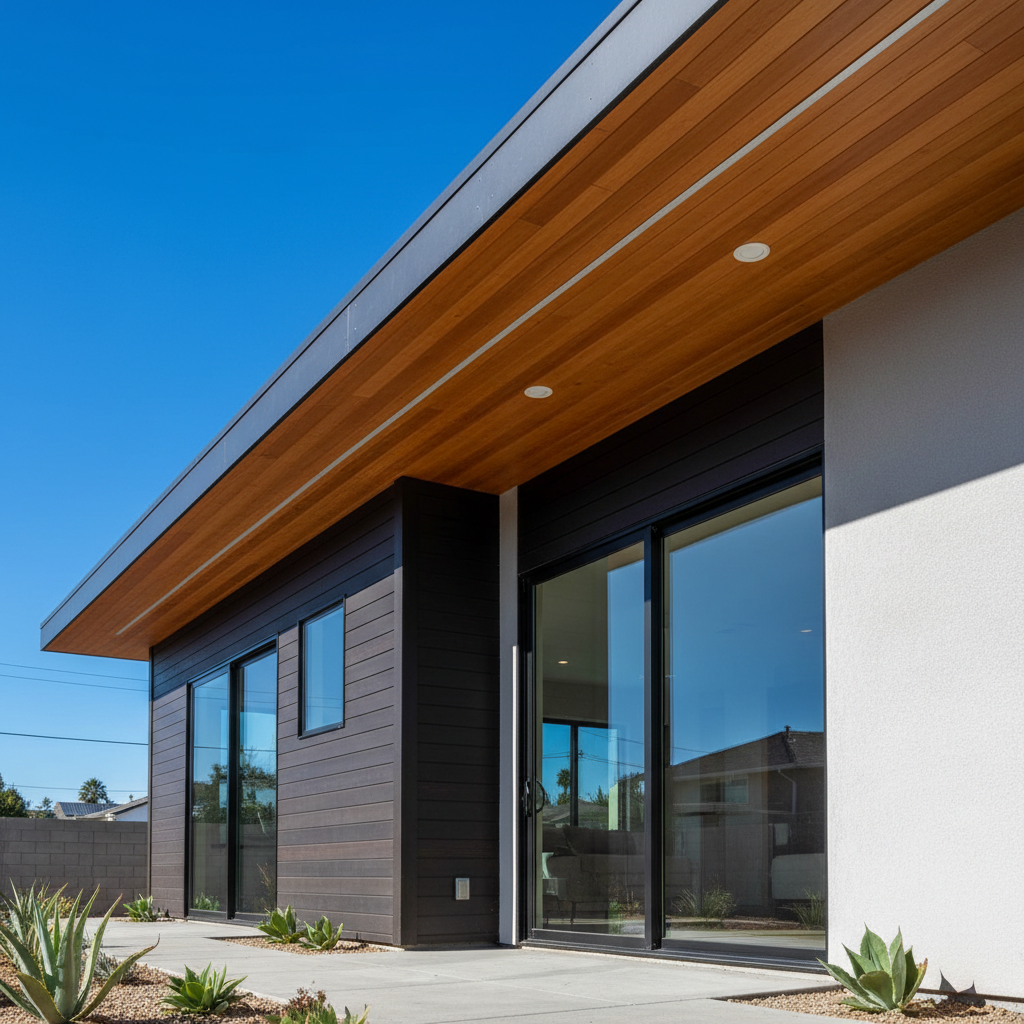
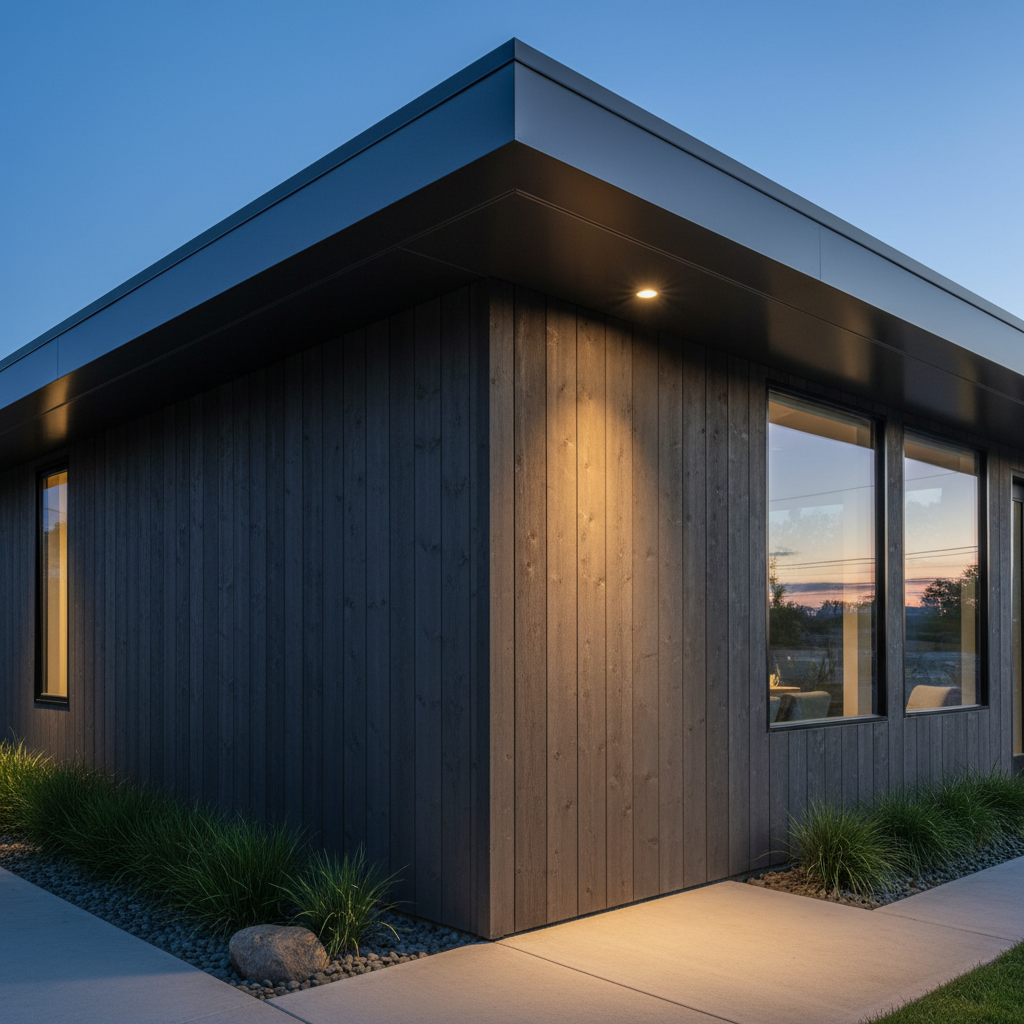
In architectural terms, a soffit refers to the exposed underside of any architectural feature. The most common application, and what we primarily refer to in ADU construction, is the material that bridges the gap between the exterior wall of your ADU and the edge of the roof (the eaves). Imagine standing directly beneath the overhang of your ADU's roof; the flat, finished surface directly above you is the soffit.
While often unnoticed, the soffit performs several critical functions:
- Aesthetic Finish: It provides a clean, finished look, covering the exposed rafters and framing of the roof overhang, contributing significantly to your ADU's curb appeal.
- Protection from the Elements: Soffits shield the roof structure and exterior walls from rain, wind, and sun, preventing water intrusion and UV damage.
- Pest Deterrent: By closing off open cavities, soffits prevent birds, rodents, and insects from nesting in your ADU's attic or roof structure.
- Ventilation: Many soffits are designed with vents, playing a crucial role in the attic's ventilation system, which is vital for moisture control and energy efficiency.
Beyond the Eaves: Where Soffits Appear in Your ADU
While soffits are most commonly associated with the eaves of a roof, their application can extend to other areas of an ADU's design:
- Roof Eaves: This is the classic location. The soffit runs horizontally along the underside of the roof overhang, connecting the fascia board (the vertical board at the roof's edge) to the exterior wall.
- Porch Ceilings and Overhangs: If your ADU features a covered porch, a patio overhang, or a carport, the underside of these structures will also typically be finished with soffit material, providing a cohesive aesthetic and protection.
- Staircases: Less common in single-story ADUs but present in multi-story homes or ADUs with exterior stairs, the underside of an exposed staircase can also be considered a soffit.
- Interior Applications (Less Common for ADUs): Occasionally, soffits are used indoors to conceal ductwork, plumbing, or wiring, creating a dropped ceiling section for a seamless look. However, for typical ADU construction, the focus is overwhelmingly on exterior applications.
Materials Matter: Choosing Soffits for Durability and Style
The choice of soffit material impacts not only the appearance but also the durability, maintenance, and overall performance of your ADU. Here are the most common options:
- Vinyl Soffits: A popular and cost-effective choice, vinyl is lightweight, durable, resistant to moisture, and comes in a wide range of colors. It's low maintenance and doesn't require painting, making it a favorite for many California homeowners looking for efficiency.
- Aluminum Soffits: Offering excellent durability and fire resistance, aluminum is another strong contender. It's rust-proof, won't rot or warp, and also requires minimal maintenance. It can be painted to match your ADU's exterior.
- Fiber Cement Soffits: Made from cement, sand, and cellulose fibers, fiber cement is incredibly durable, fire-resistant, and resistant to pests and rot. It can be painted any color and offers a high-end, substantial look, often coordinating with fiber cement siding.
- Wood Soffits: While offering a classic, natural aesthetic, wood soffits require more maintenance (painting, staining, sealing) to protect against moisture, pests, and rot. They are often chosen for specific architectural styles or when a premium, natural finish is desired, but less common for low-maintenance ADUs.
- UPVC Soffits: Similar to vinyl, UPVC (unplasticized polyvinyl chloride) is a robust, low-maintenance plastic material that offers excellent weather resistance and comes in various finishes. It's a common choice in modern construction for its longevity and ease of care.
Selecting the right material involves balancing aesthetic preferences, budget, climate considerations, and maintenance expectations. For expert guidance tailored to your specific ADU project and California's unique climate, don't hesitate to get a free project estimate from GatherADU. We can help you navigate the options.
The Breath of Your ADU: Ventilated Soffits and Their Role
One of the most critical functions of an ADU soffit, especially in California's varied climate, is facilitating proper attic ventilation. A well-ventilated attic is essential for:
- Moisture Control: Warm, moist air from the living space can rise into the attic. Without proper ventilation, this moisture can condense, leading to mold, mildew, and rot in the roof structure.
- Temperature Regulation: In hot California summers, an unventilated attic can become an oven, transferring heat into your ADU's living space and significantly increasing cooling costs. Soffit vents allow cooler outside air to enter, pushing hot air out through ridge vents at the top of the roof.
- Energy Efficiency: By keeping the attic cooler in summer and drier in winter, proper ventilation reduces the load on your HVAC system, leading to lower energy bills.
- Roof Longevity: Excessive heat and moisture can degrade roofing materials over time. Good ventilation extends the life of your roof.
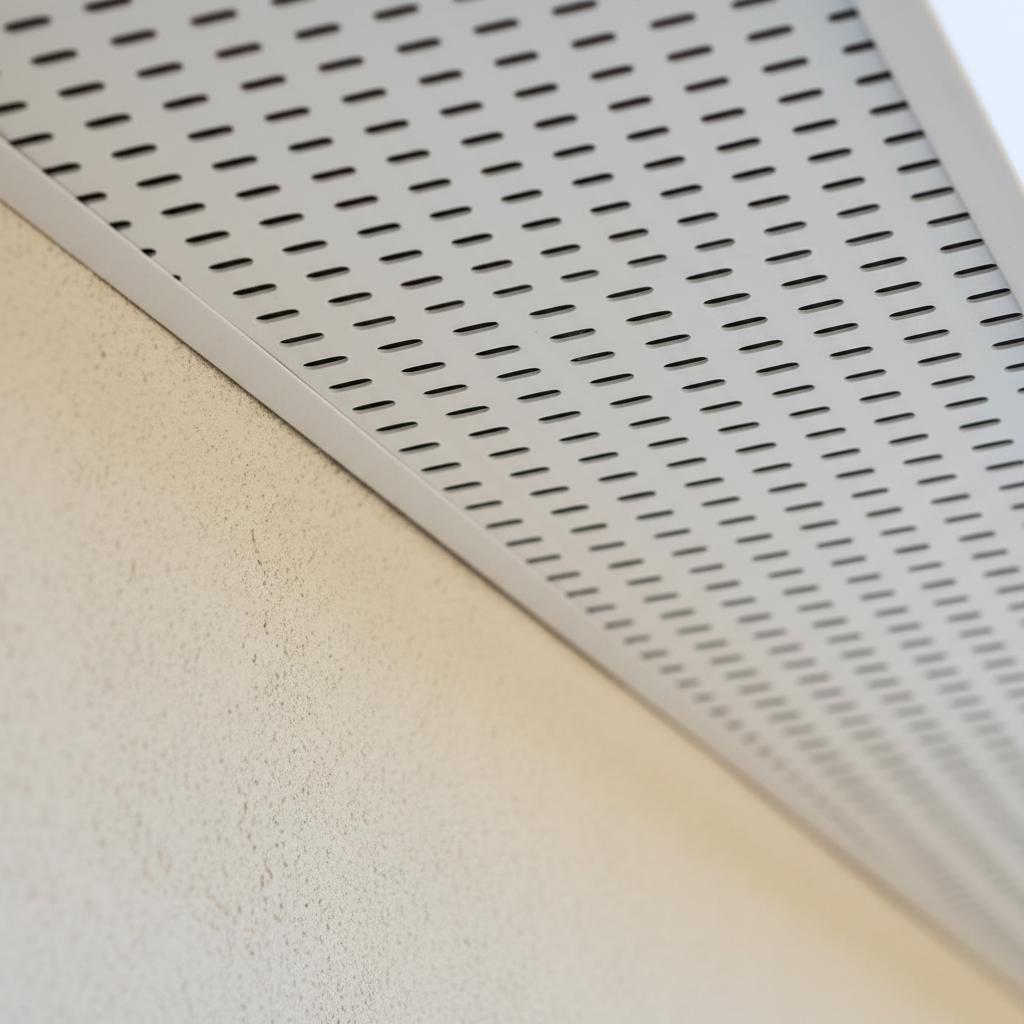
Ventilated soffits typically feature perforations, slots, or small grates that allow air to flow freely. They work in conjunction with other attic ventilation components (like ridge vents or gable vents) to create a continuous airflow, ensuring your ADU's attic remains dry and at a more stable temperature.
Why the Soffit is Non-Negotiable for Your California ADU
Given California's diverse climate – from coastal fog to inland heat and fire-prone zones – the importance of a robust ADU soffit cannot be overstated. Here's why it's a non-negotiable component:
- Enhanced Weather Protection: Soffits provide an extra layer of defense against California's seasonal rains and strong winds, preventing water from infiltrating the vulnerable areas where the roof meets the wall.
- Critical Pest Prevention: Open eaves are an open invitation for pests like wasps, birds, squirrels, and even larger rodents to nest in your ADU's attic. Soffits effectively seal off these entry points, protecting your investment from costly damage and unsanitary conditions.
- Superior Curb Appeal: A well-designed soffit provides a polished, professional finish to your ADU's exterior. It can hide unsightly structural elements and seamlessly integrate with your chosen siding and trim, significantly boosting your ADU's aesthetic value.
- Improved Energy Performance: As discussed, ventilated soffits are crucial for attic temperature regulation. This translates directly into a more energy-efficient ADU, keeping it cooler in summer and potentially warmer in winter, a significant benefit for utility costs in California.
- Compliance and Safety: While not always directly specified, the materials and installation of soffits can contribute to meeting local building codes, especially concerning fire resistance in certain Wildland-Urban Interface (WUI) zones in California. Using appropriate, fire-rated materials for soffits can be a part of a comprehensive fire-hardening strategy for your ADU.
Installation & Upkeep: Ensuring Your Soffits Last
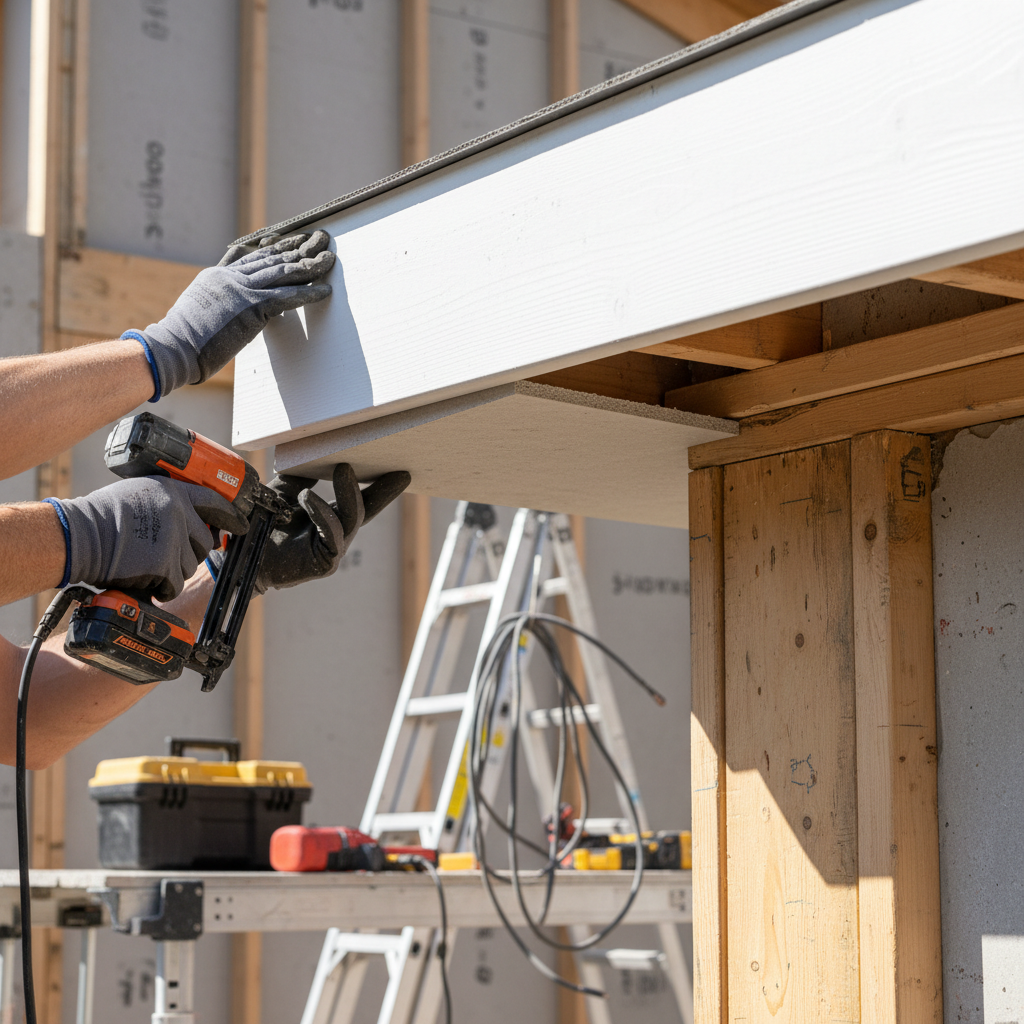
Proper installation of your ADU's soffits is paramount. A poorly installed soffit can gap, sag, or fail to provide adequate protection, negating its purpose. Professional installation ensures:
- Correct Ventilation: Ensuring that ventilated soffits are installed with proper baffling and clear airways to the attic space for optimal airflow.
- Secure Fastening: Soffit panels must be securely fastened to withstand wind and prevent pests from forcing their way in.
- Seamless Finish: A professional installer ensures clean cuts, tight joints, and a uniform appearance that enhances your ADU's exterior.
Maintenance is generally minimal, especially with vinyl or aluminum soffits. Regular inspection for damage, loose panels, or pest activity is advisable. Keep them clean of debris, leaves, and cobwebs to maintain their appearance and ensure vents aren't blocked. For any significant repairs or concerns about your ADU's exterior, it's always best to consult with experienced ADU builders like GatherADU. We understand the nuances of California construction and can ensure your ADU is built to last. Contact us today to discuss your ADU project.
Making the Right Choice: Factors for Your ADU Soffit
When designing your ADU, consider these factors for your soffit selection:
- Aesthetics: Does the material and color complement your ADU's siding, trim, and overall architectural style? Soffits can be a subtle accent or a striking design feature.
- Durability & Maintenance: What level of maintenance are you comfortable with? Vinyl and aluminum offer low maintenance, while wood requires more. Consider the longevity of the material in your specific climate.
- Ventilation Needs: Ensure your chosen soffit system provides adequate airflow for your attic, especially critical for energy efficiency and preventing moisture buildup.
- Cost: Different materials come with different price points for both material and installation. Work with your builder to find a solution that fits your budget without compromising on quality and function.
Conclusion
The ADU soffit, though often out of sight and out of mind, is a foundational element in the health, efficiency, and beauty of your Accessory Dwelling Unit. From protecting against the elements and pests to facilitating crucial attic ventilation and providing a polished finish, its role is indispensable. Understanding its importance ensures you're making informed decisions that contribute to a long-lasting, comfortable, and energy-efficient backyard home.
At GatherADU, we pride ourselves on our meticulous attention to every detail, ensuring that every component of your ADU, including the soffits, is designed and installed to the highest standards. Ready to build an ADU that's not just beautiful, but also robust and thoughtfully constructed from the ground up? Book a free ADU consultation with GatherADU today and let our experts guide you through every step of the process.