When planning or building an Accessory Dwelling Unit (ADU) in California, homeowners often focus on exciting design choices like finishes, layouts, and exterior aesthetics. However, beneath the surface of every well-built ADU lies a network of crucial structural elements that ensure its longevity, safety, and functionality. One such unsung hero of construction is blocking in ADU wall framing.
While not as visually glamorous as a custom kitchen island or a panoramic sliding door, proper blocking is absolutely fundamental. It’s a detail that, if overlooked, can lead to significant problems down the line, from sagging cabinets to compromised safety features. For anyone considering an ADU, understanding blocking isn't just about technical jargon; it's about appreciating the meticulous craftsmanship that goes into a truly quality build. At GatherADU, we believe in transparency and educating our clients about every aspect of their project, ensuring their ADU is built to the highest standards.
What Exactly Is "Blocking" in ADU Wall Framing?
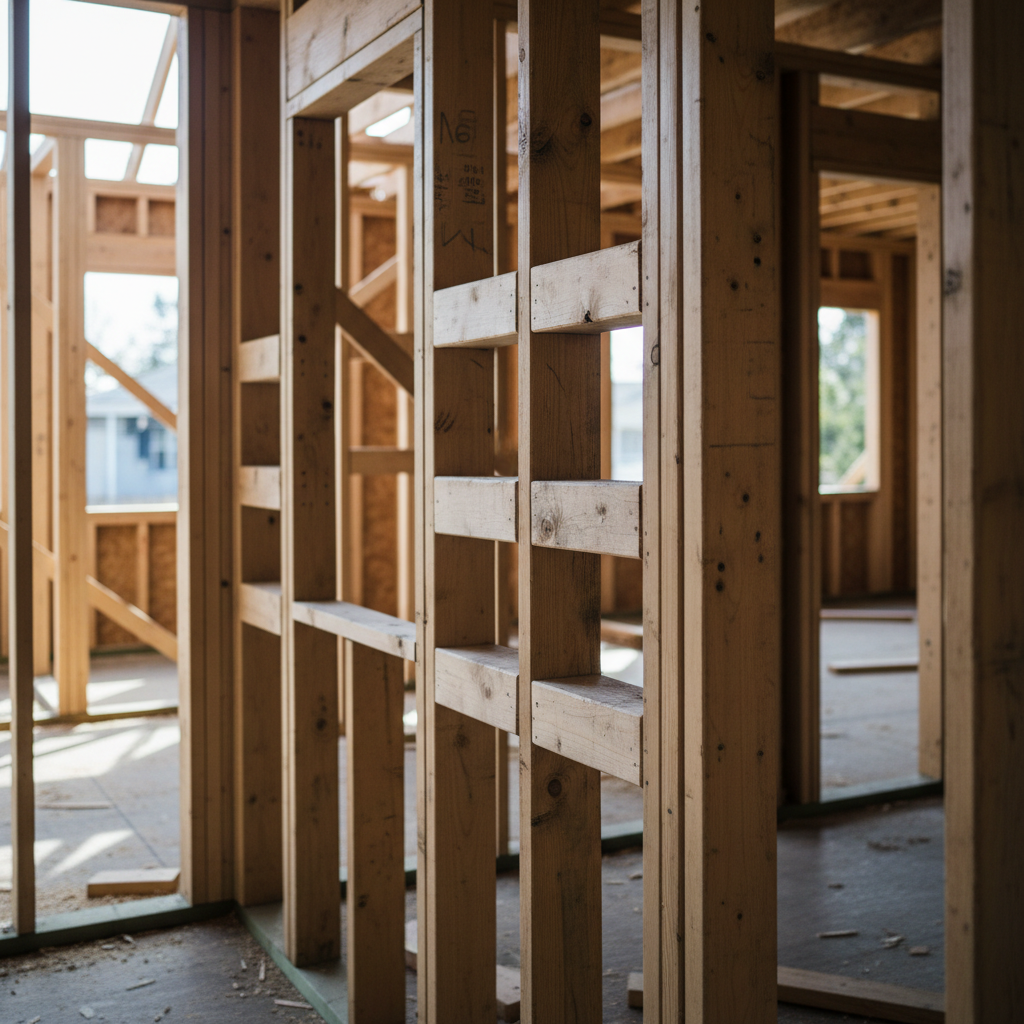
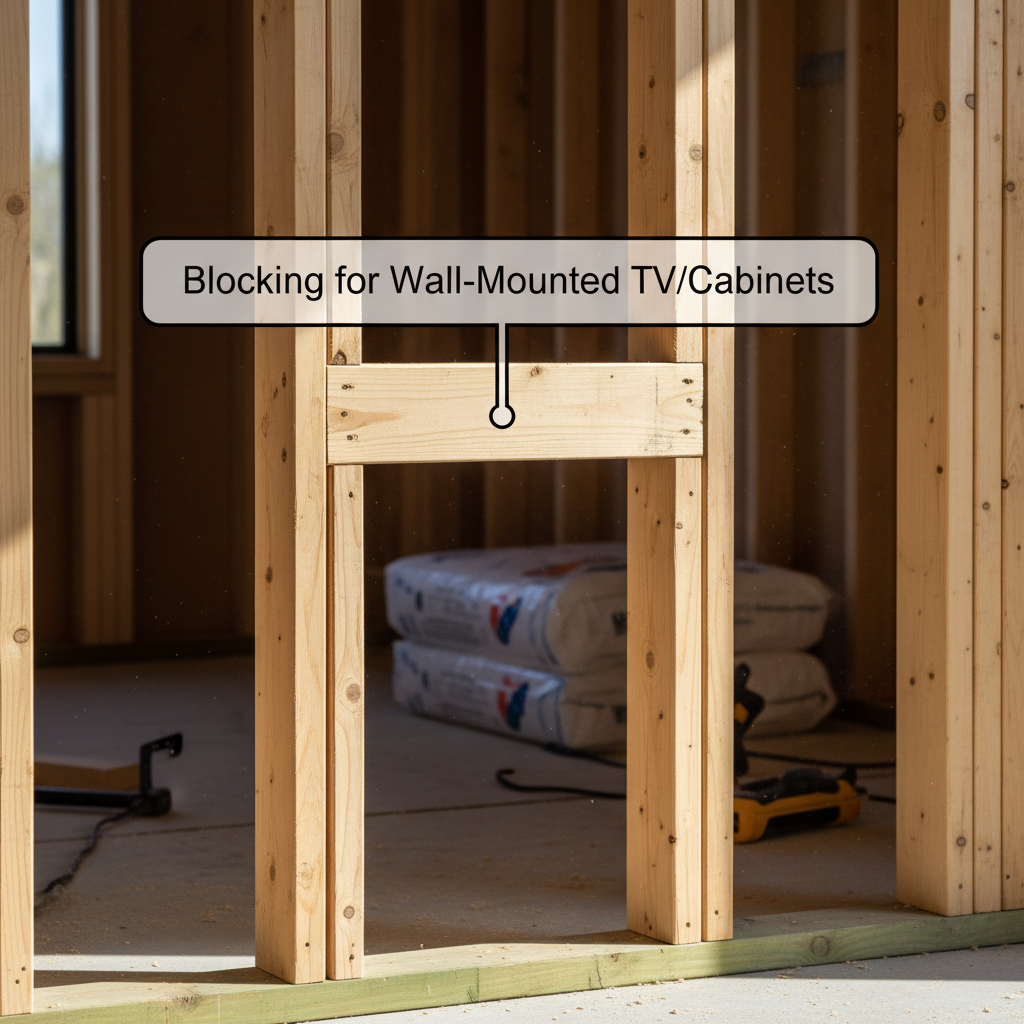
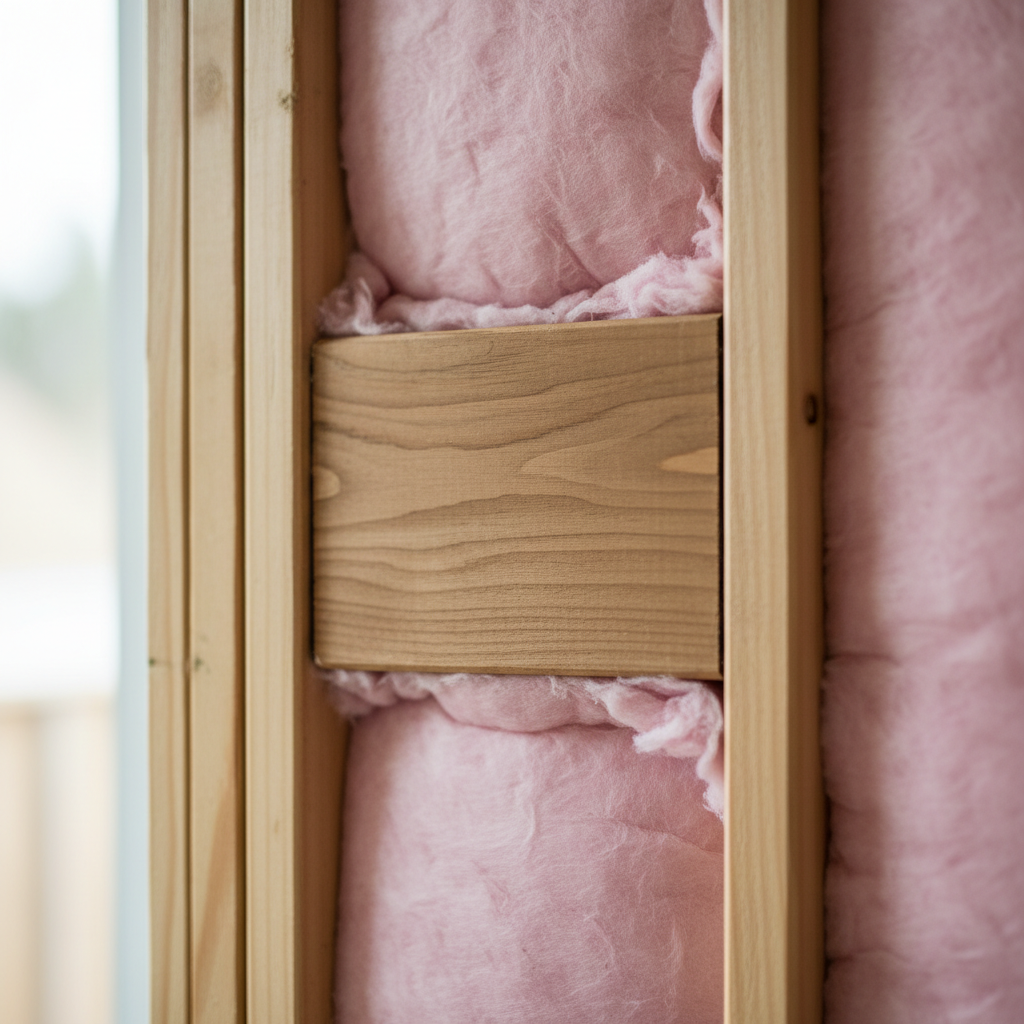
In the simplest terms, blocking refers to short pieces of lumber or engineered wood that are installed horizontally or vertically between wall studs, floor joists, or roof rafters. These pieces are cut to fit snugly and are securely fastened, creating a rigid connection within the framing system.
Think of your ADU's wall frame as a skeleton. The vertical studs are the long bones, providing the primary support. Blocking acts like strategic ligaments or additional bone structure, bracing and strengthening the frame at critical points. Unlike studs, which typically run from floor to ceiling, blocking serves very specific, localized purposes.
Why Is Blocking So Crucial for Your ADU?
The importance of proper blocking extends far beyond mere structural aesthetics. It plays a multifaceted role in the overall integrity and functionality of your ADU:
1. Structural Reinforcement and Rigidity
- Prevents Wall Bowing: Long, unsupported studs can sometimes bow or twist over time. Blocking helps to stiffen the wall assembly, preventing this deformation and ensuring flat, true walls for finishes like drywall.
- Distributes Loads: It helps to transfer and distribute loads more evenly across the wall frame, especially around openings or areas subject to concentrated weight.
- Adds Shear Strength: Blocking enhances the wall's resistance to lateral forces, such as those from wind or seismic activity, which is particularly important in California.
2. Essential Support for Fixtures and Finishes
This is arguably the most common and immediately noticeable benefit of blocking. Modern ADUs often feature numerous wall-mounted elements that require solid backing. Without blocking, attaching these items safely and securely would be impossible or severely compromised.
3. Sound Attenuation
Blocking can be strategically placed to help reduce sound transmission between rooms, especially when combined with insulation. By breaking up open air cavities, it interrupts sound waves, contributing to a quieter and more private living environment within your ADU.
4. Fire Safety (Fire Blocking & Draft Stopping)
This is a critical, code-mandated function. Fire blocking (also known as draft stopping) is specifically designed to compartmentalize wall and floor cavities. In the event of a fire, these blocks restrict the vertical and horizontal movement of flames and smoke within concealed spaces, buying crucial time for occupants to evacuate and for firefighters to respond. This is a non-negotiable safety feature.
5. Code Compliance
Many blocking requirements are explicitly laid out in the California Building Code (CBC) and local ADU ordinances. Adhering to these regulations is not optional; it's a legal necessity for obtaining permits and ensuring your ADU passes inspection.
When and Where Is Blocking Required in ADUs?
Understanding the specific scenarios where blocking is necessary is key to a well-built ADU. Here are the most common applications:
1. Support for Wall-Mounted Fixtures
This category covers a wide range of everyday items in your ADU:
- Kitchen and Bathroom Cabinets: Upper cabinets, especially when fully loaded, exert significant weight. Solid blocking behind all cabinet attachment points is essential to prevent them from pulling away from the wall.
- Grab Bars and Handrails: Crucial for accessibility and safety in bathrooms, showers, and hallways. Code often specifies requirements for grab bar blocking to ensure they can withstand substantial force.
- Wall-Mounted Televisions: Modern TVs, particularly larger screens, are heavy. Blocking provides a strong anchor point, preventing your expensive TV from crashing down.
- Heavy Shelving Units: For built-in shelving, floating shelves, or pantry units that will bear significant weight.
- Wall-Hung Toilets and Sinks: These require robust carriers and blocking within the wall cavity to support their weight and the forces applied during use.
- Towel Bars, Robe Hooks, and Toilet Paper Holders: While smaller, solid blocking ensures these don't loosen or pull out of drywall over time.
- Mirrors and Art: For exceptionally large or heavy mirrors or artwork, blocking provides peace of mind.
2. Fire Blocking and Draft Stopping
As mentioned, this is a code requirement in specific locations:
- Vertical Wall Cavities: Required at 10-foot intervals in concealed spaces of stud walls and partitions. This prevents fire from traveling unimpeded from floor to floor.
- Horizontal Wall Cavities: Required at the top and bottom of wall cavities, and where wall cavities intersect with floor and ceiling assemblies.
- Around Penetrations: Where pipes, ducts, or wires penetrate fire-rated assemblies, fire blocking helps maintain the integrity of the fire barrier.
3. Structural Blocking
- Mid-Height Blocking: In tall wall sections, horizontal blocking can be installed mid-height between studs to add rigidity and prevent bowing.
- Around Openings: While headers carry the primary load for windows and doors, blocking around the perimeter can provide additional support for trim, window frames, and ensure squareness.
- Intersections: At corners and intersections of walls, blocking can reinforce the connection between framing members.
4. Sound Attenuation Blocking
While not always strictly code-required for every ADU, incorporating blocking for sound insulation is a smart choice for comfort and privacy, especially between bedrooms, bathrooms, and living areas. This often involves staggered stud walls or specific sound-rated blocking materials.
Considering the myriad of details involved in ADU construction, from navigating permits to ensuring every structural element like blocking is perfectly placed, it's easy to feel overwhelmed. That's where an experienced partner makes all the difference. If you're ready to explore building an ADU without the stress of managing every minute detail, we invite you to get a free, no-obligation ADU project estimate with GatherADU. We handle the complexities, so you can focus on enjoying your new space.
Types of Blocking and Materials
Blocking primarily consists of:
- Dimensional Lumber: Typically 2x4s or 2x6s, matching the size of the studs, cut to fit tightly between framing members. This is the most common type.
- Engineered Wood Products: In some cases, specific engineered lumber may be used, especially in larger commercial projects, but for ADU residential framing, dimensional lumber is standard.
Installation methods vary slightly:
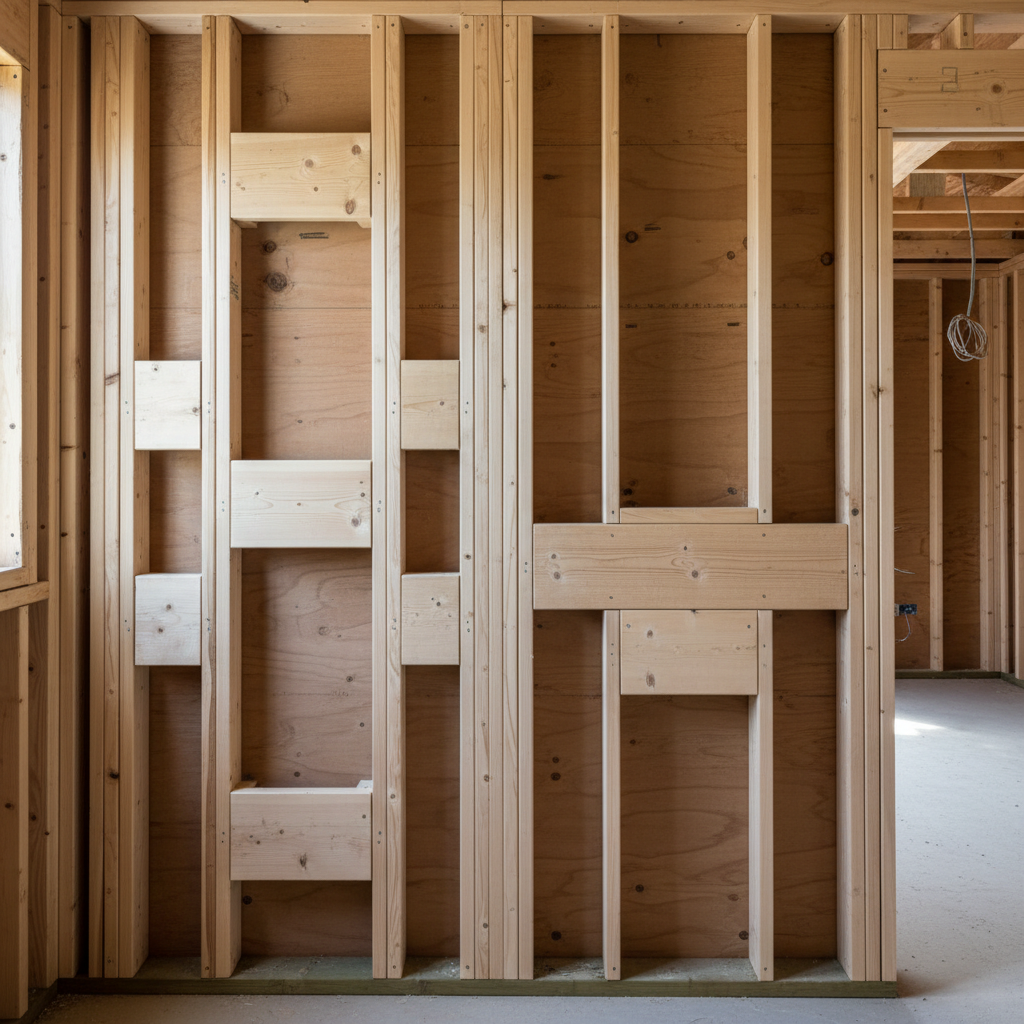
- Horizontal Blocking: Installed flat between studs, often for fixture support or fire blocking.
- Vertical Blocking: Less common, but used to connect horizontal elements or create specific pockets.
- Solid Blocking: Full pieces of lumber filling the gap between studs.
- Ladder Blocking: Where blocking is offset or staggered, often seen in sound-attenuating walls.
The Consequences of Skipping or Insufficient Blocking
Ignoring or inadequately installing blocking can lead to a host of problems that compromise both the safety and long-term enjoyment of your ADU:
- Damaged Drywall: Heavy items pulled from the wall can tear out drywall, creating unsightly and costly repairs.
- Sagging or Falling Fixtures: Cabinets, shelves, and TVs can sag, detach, or even fall, posing safety hazards and property damage.
- Code Violations: Inspections will often flag missing fire blocking or inadequate support for grab bars, leading to delays and additional costs to correct.
- Compromised Structural Integrity: Walls may not perform as intended under stress, potentially leading to long-term structural issues.
- Limited Future Flexibility: Without proper blocking, future homeowners or tenants may find it difficult or impossible to safely install desired wall-mounted items.
Ensuring every critical detail like blocking is correctly implemented is part of our commitment to building high-quality, durable ADUs. Our expert team understands the nuances of California's building codes and integrates best practices into every step of the framing process. If you're looking for a partner who prioritizes structural integrity and peace of mind, consider scheduling a free consultation with GatherADU to discuss your project.
Navigating Building Codes and Permitting for Blocking
California, with its stringent building codes, places significant emphasis on structural integrity and fire safety. The California Building Code (CBC) outlines specific requirements for fire blocking, bracing, and general framing practices that directly impact where and how blocking must be installed in an ADU. Local jurisdictions may also have additional or more specific requirements. An experienced ADU builder like GatherADU is intimately familiar with these codes, ensuring every project meets or exceeds regulatory standards, avoiding costly delays and re-inspections.
Conclusion
While often hidden behind drywall and paint, blocking in ADU wall framing is an indispensable component of a safe, functional, and durable Accessory Dwelling Unit. From providing critical support for everyday fixtures and enhancing sound insulation to, most importantly, acting as a vital fire safety measure, its role cannot be overstated. A well-designed and properly executed framing plan, including all necessary blocking, is the bedrock upon which your beautiful and long-lasting ADU will stand.
At GatherADU, we pride ourselves on our meticulous attention to detail and our unwavering commitment to quality construction. We ensure that every hidden element of your ADU, including all necessary blocking, is installed to the highest standards, providing you with a home that is safe, compliant, and built to last. Ready to build your dream ADU with a team you can trust? Book your free ADU consultation today and let's bring your vision to life!