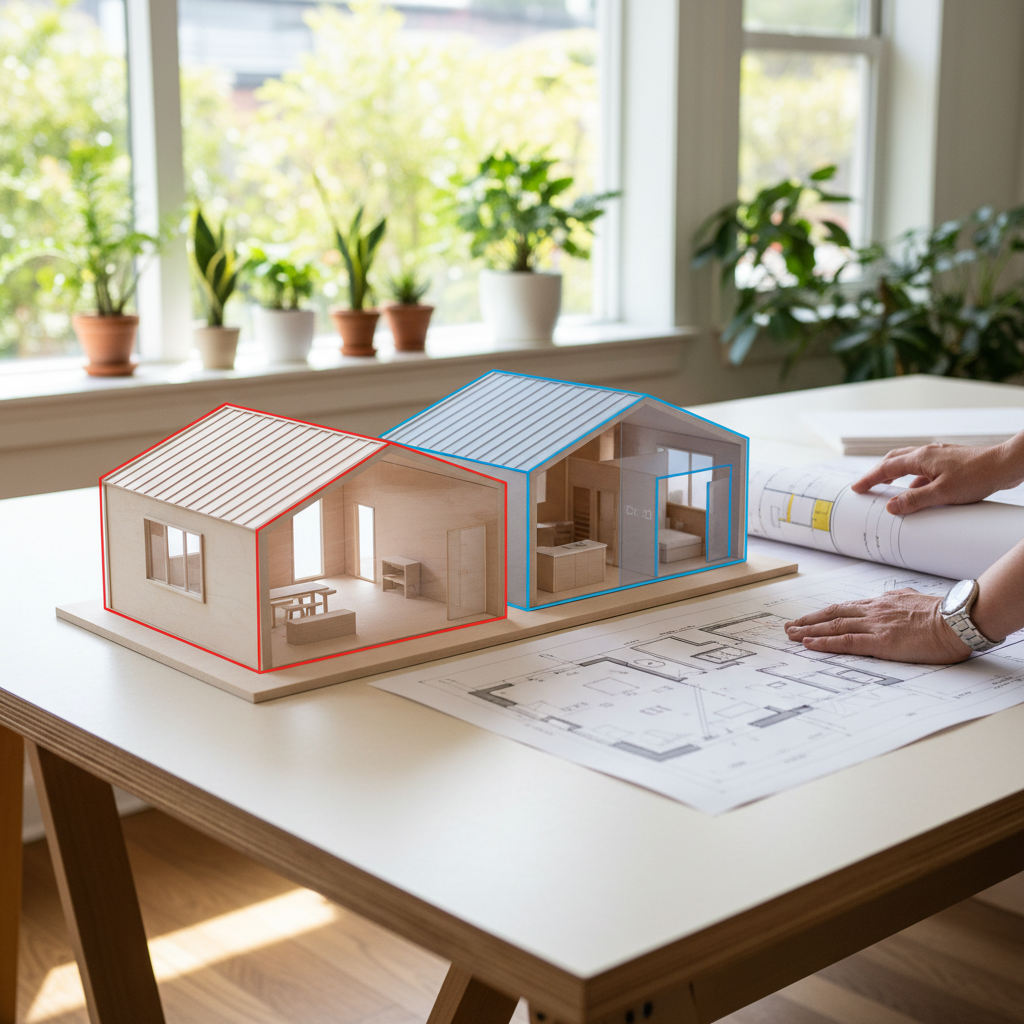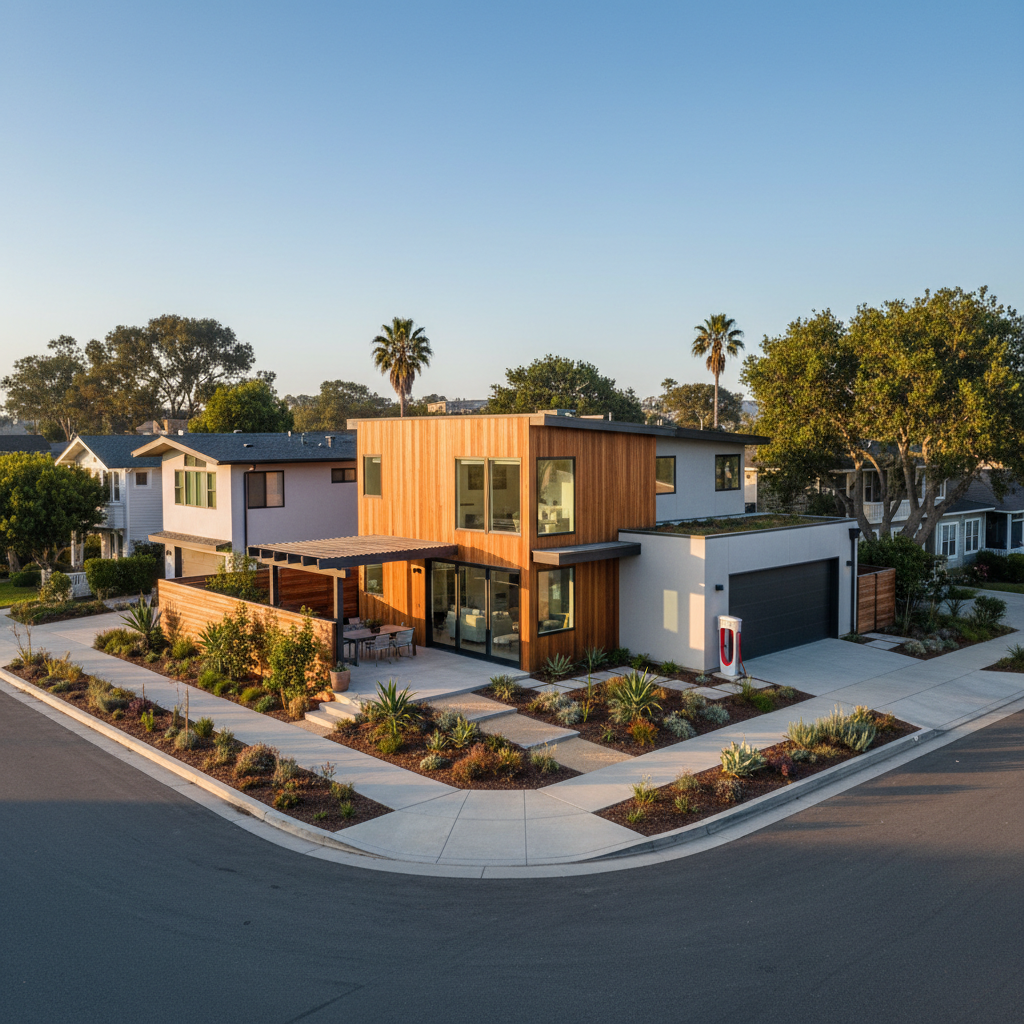
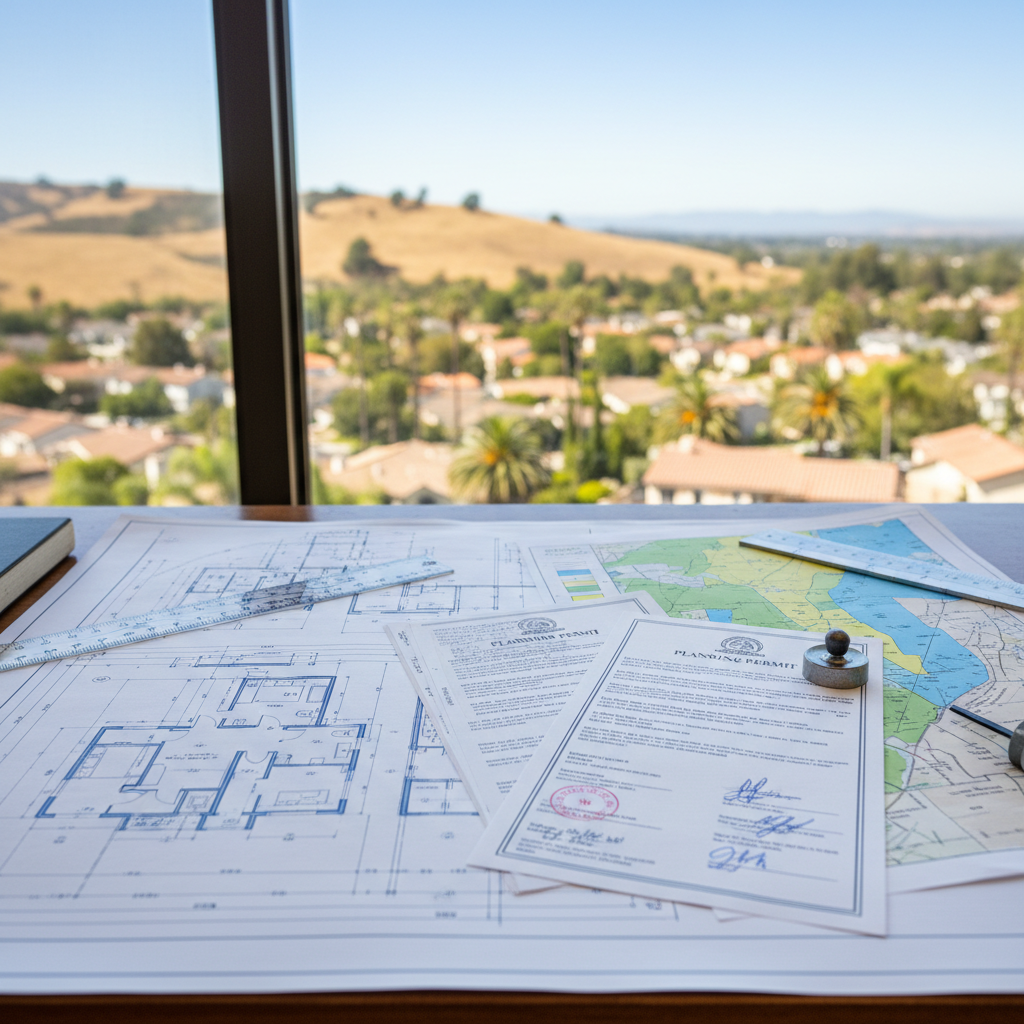
Building an Accessory Dwelling Unit (ADU) in California offers incredible benefits, from generating rental income to housing extended family. However, the path to a new backyard home involves navigating various regulations, including zoning laws. One term that often arises in land use discussions is a “zoning variance.” For homeowners considering an ADU, a critical question emerges: what is a zoning variance and does an ADU project ever need one in California?
The short answer is: for most compliant ADU projects, a zoning variance is rarely, if ever, needed. Thanks to comprehensive state laws, California has significantly streamlined the ADU approval process, minimizing the need for discretionary local review and, by extension, variances. However, understanding what a variance is and the rare circumstances in which it might apply is crucial for any homeowner embarking on an ADU journey.
What Exactly Is a Zoning Variance?
Before diving into ADU specifics, let's define a zoning variance. Zoning ordinances are local laws that govern how land can be used and what structures can be built on it. These rules dictate everything from building height and lot coverage to setbacks (how far a structure must be from property lines) and parking requirements. They are designed to ensure orderly development, protect property values, and maintain community character.
A zoning variance is an official authorization granted by a local planning or zoning board that permits a property owner to deviate from a specific zoning regulation. It is not a change to the zoning ordinance itself, but rather a waiver of a particular standard for a specific property. To be granted a variance, property owners typically must demonstrate:
- Unique Hardship: There are exceptional physical circumstances or conditions unique to the property (e.g., unusual topography, irregular lot shape, or existing structures) that prevent the property from being developed in strict conformity with the zoning ordinance. This hardship must not be self-imposed.
- No Special Privilege: Granting the variance will not confer special privileges to the property owner that are not enjoyed by other properties in the same zoning district.
- No Detriment to Public Welfare: The variance will not be detrimental to the public health, safety, or welfare, nor substantially injurious to adjacent properties.
It's important to understand that variances are generally difficult to obtain because they represent an exception to established rules. They are not granted merely for convenience or to save money.
The Regulatory Landscape for ADUs in California
California has been at the forefront of ADU legislation, enacting a series of laws (most notably starting in 2017 and updated significantly in 2020) designed to encourage ADU construction to address the state's housing crisis. These state laws largely preempt, or override, conflicting local zoning ordinances for ADUs that meet specific criteria.
Key aspects of California's ADU laws include:
- Ministerial Approval: Most compliant ADUs are subject to ministerial approval, meaning they only need to meet objective standards and do not require discretionary review or public hearings. This eliminates many of the hurdles that might traditionally necessitate a variance.
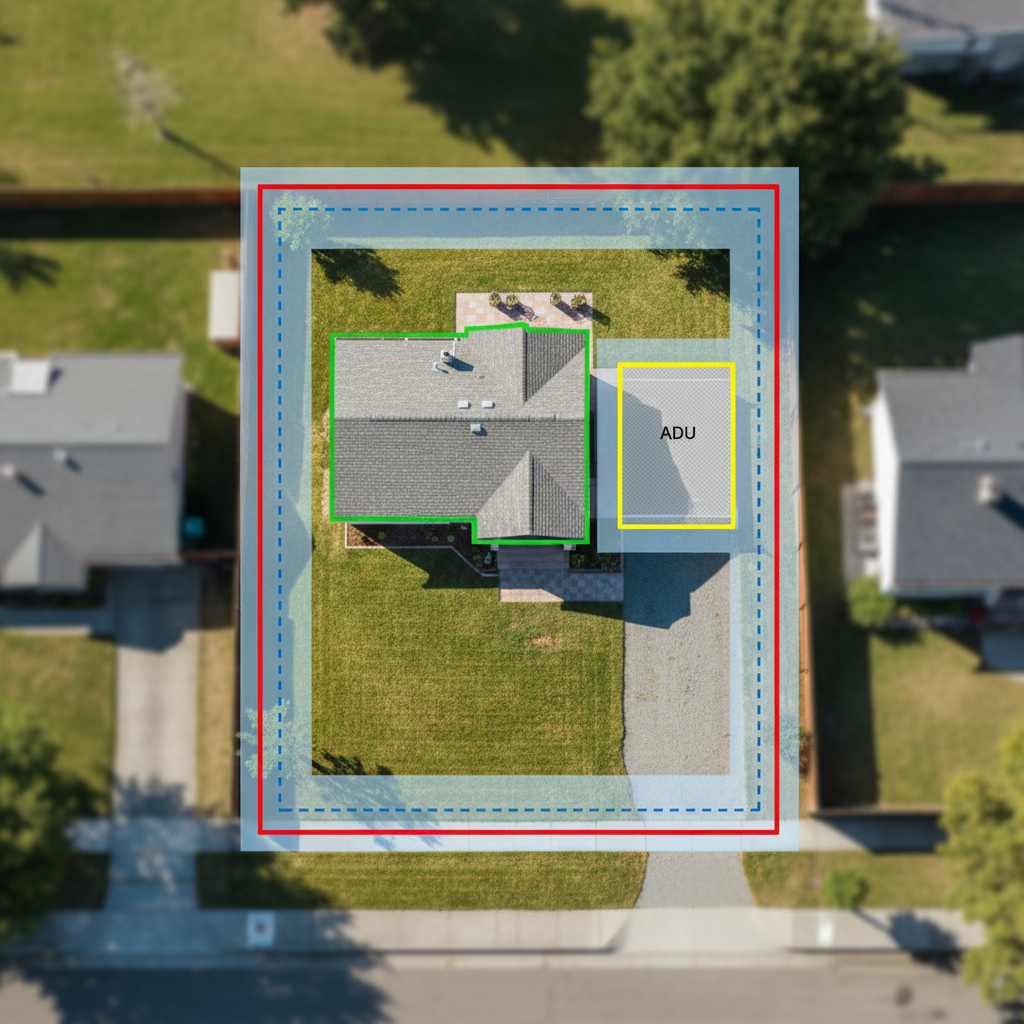
- Standardized Setbacks: State law mandates a maximum 4-foot side and rear setback for ADUs, regardless of what local zoning might otherwise require.
- Generous Size & Height: State law allows ADUs up to 1,200 square feet and up to 16 feet in height (or higher in some specific cases, like two-story ADUs near a primary residence).
- Parking Exemptions: Many ADUs are exempt from parking requirements, especially if they are within a half-mile of public transit, part of an existing structure, or located within a historic district.
- Lot Coverage & Floor Area Ratio (FAR): State laws often supersede local limits on lot coverage and FAR when it comes to ADUs, as long as the ADU meets other state-mandated size and setback requirements.
These statewide provisions are specifically designed to reduce the need for homeowners to seek exceptions like variances for standard ADU projects.
When Might an ADU Project *Potentially* Need an ADU Zoning Variance in California?
Given California's strong state-level preemption for ADUs, the instances requiring an ADU zoning variance California are exceedingly rare for projects that adhere to state standards. However, a variance could theoretically come into play under very specific, unusual circumstances:
-
Extraordinary Site-Specific Challenges: If your property has truly unique and extreme physical characteristics (e.g., an exceptionally steep slope, a highly irregular lot shape, or a significant natural impediment) that make it impossible to meet even the state's generous ADU standards (like the 4-foot setback) without causing undue hardship, a variance might be considered. This would be a case where the physical limitations of the land itself, not just a desire for a different design, create the impossibility of compliance.
-
Desire to Exceed State-Mandated Maximums: While state law sets minimums and maximums (e.g., up to 1,200 sq ft, 16 ft height), if a homeowner wishes to build an ADU that is significantly larger or taller than what both state law and local ordinances explicitly allow without a variance, they might need to seek one. For example, if a local ordinance *allows* for a larger ADU than the state maximum (e.g., 1,500 sq ft) but requires a discretionary permit or variance for anything over 1,200 sq ft, then a variance might be necessary for that particular deviation.
-
Specific Local Development Standards Not Fully Preempted: While rare for core ADU elements like size, height, and setbacks, some highly specific local design or environmental standards *not directly addressed or preempted by state ADU law* could theoretically lead to a variance request if they pose an unavoidable conflict. However, state law is very broad in its preemption for ADUs.
-
Historical Context (Less Relevant Now): Before the major state law changes in 2020, local jurisdictions had much more discretion, and variances were more common for ADUs. Today, a compliant ADU designed under current state law should not require a variance for standard items like setbacks or size.
Crucial Point: For the vast majority of homeowners planning an ADU in California, focusing on designing within the generous parameters set by state law is the most efficient and cost-effective approach. State law is intentionally crafted to make variances largely unnecessary for compliant ADUs.
The Variance Application Process (If Necessary)
If you find yourself in one of the rare situations where a variance might be genuinely necessary, be prepared for a potentially lengthy and challenging process:
-
Pre-Application Meeting: It's highly advisable to meet with your local planning department to discuss your specific situation and gauge the likelihood of a variance being granted. They can provide guidance on local requirements and the specific criteria that must be met.
-
Application & Fees: You'll submit a formal application, often with detailed plans, a narrative explaining the hardship, and significant application fees.
-
Public Notice & Hearing: Neighbors and the public are typically notified, and a public hearing is held where you present your case to a planning commission or zoning board. Opponents may also voice concerns.
-
Decision & Appeal: The board will make a decision. If denied, you may have the option to appeal to a higher local authority, like the city council.
This process can add months, or even a year or more, to your project timeline and significantly increase costs due to fees and the need for expert assistance (architects, land use attorneys, consultants).

Why GatherADU Can Be Your Partner in Navigating Regulations
At GatherADU, we specialize in designing and building ADUs that fully comply with California's state and local regulations. Our deep understanding of the intricacies of ADU law means we can:
- Design for Compliance: We create designs that leverage the latest state laws, minimizing the likelihood of needing a variance.
- Expert Guidance: We help you understand the specific rules applicable to your property and how to meet them effectively.
- Streamlined Process: By ensuring your project meets ministerial standards, we aim for a smoother, faster approval process, saving you time and money.
Instead of seeking exceptions, our approach is to design intelligently within the established legal framework, making your ADU journey predictable and efficient. If you're ready to explore what's possible on your property, get your free ADU project estimate and let our experts guide you.
Conclusion
While a zoning variance is a mechanism for property owners to deviate from strict zoning rules, it is a tool primarily reserved for cases of unique, unavoidable hardship. For the vast majority of homeowners planning an ADU in California, state laws have significantly reduced the need for such variances. By understanding the robust protections and streamlined processes offered by California's ADU legislation, you can typically avoid the time, cost, and uncertainty associated with seeking a variance.
Focusing on a design that aligns with current state and local ADU ordinances is the most direct path to realizing your backyard home dream. Let GatherADU be your trusted partner in navigating these regulations with confidence. Ready to take the next step? Book a free ADU consultation with GatherADU today and discover how simple building your ADU can be.