Building an Accessory Dwelling Unit (ADU) in Los Angeles represents one of the most significant property investments homeowners can make. With the city's housing shortage driving demand for additional living spaces, understanding the complete process of ADU design, permits, and construction has never been more important. This comprehensive guide walks you through every step of creating your Los Angeles ADU, from initial concept to final inspection.
Understanding the Los Angeles ADU Landscape
Los Angeles has emerged as a national leader in ADU construction, with the city processing thousands of ADU permits annually. According to the Los Angeles Department of City Planning, the number of ADU permits has increased by over 400% since California's landmark ADU legislation took effect. This surge reflects both the housing demand and the streamlined regulations that make ADU construction more accessible than ever before.
The California Department of Housing and Community Development reports that Los Angeles County leads the state in ADU production, with over 20,000 units permitted since 2017. This growth has created a robust ecosystem of designers, builders, and permit specialists who understand the unique requirements of Los Angeles ADU construction.
The Benefits of an All-in-One ADU Approach
Many homeowners initially consider managing their ADU project by hiring separate professionals for design, permitting, and construction. While this approach can work, it often leads to coordination challenges, timeline delays, and budget overruns. An all-in-one approach, where a single company manages the entire process, offers several distinct advantages. For more details, see our view our completed projects.
First, integrated project management ensures seamless communication between all phases. When the same team handles design and construction, they create plans that are both aesthetically pleasing and practical to build. Second, experienced all-in-one providers have established relationships with local building departments, which can significantly expedite the permit approval process. Third, having a single point of accountability simplifies decision-making and problem-solving throughout the project.
Explore our comprehensive ADU services to see how an integrated approach can streamline your project.
ADU Design Considerations for Los Angeles Properties
Designing an ADU in Los Angeles requires careful consideration of local regulations, climate conditions, and neighborhood aesthetics. The city's diverse architectural heritage, from Spanish Colonial Revival to Mid-Century Modern, means your ADU should complement your existing property while meeting all current building codes.
Size and Placement Requirements
Los Angeles allows ADUs up to 1,200 square feet for detached units, though the maximum size may be limited by your lot size and existing structures. Junior ADUs (JADUs) are limited to 500 square feet and must be created within the existing footprint of your home. Setback requirements have been significantly reduced under recent legislation, with rear and side setbacks now only 4 feet for many properties. For more details, see our California SB 1211 law changes.
The placement of your ADU affects everything from natural lighting to privacy considerations. South-facing units in Los Angeles benefit from excellent natural light throughout the year, reducing energy costs. Strategic window placement can capture ocean breezes in coastal areas or minimize heat gain in the San Fernando Valley. For more details, see our ADU cost estimation guide.
Architectural Style and Materials
While Los Angeles does not require ADUs to match the main home's architectural style, many homeowners choose designs that complement their existing property. Popular ADU styles in Los Angeles include:
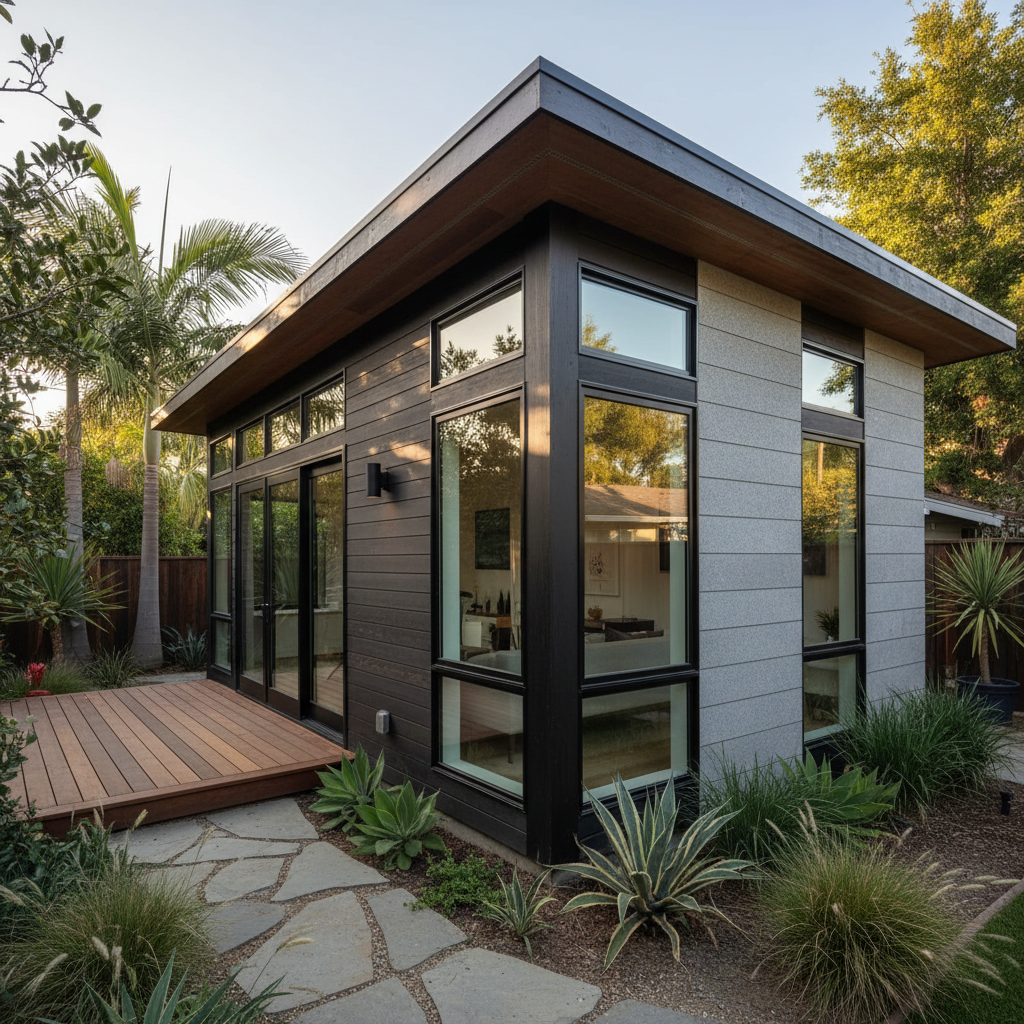
- Contemporary Modern: Clean lines, large windows, and open floor plans that maximize space efficiency
- Spanish Revival: Tile roofs, stucco exteriors, and arched doorways that echo Los Angeles's architectural heritage
- Craftsman: Exposed beams, built-in cabinetry, and attention to natural materials
- Mid-Century Modern: Integration with outdoor spaces, geometric forms, and large glass panels
Material selection impacts both construction costs and long-term maintenance. Stucco remains the most popular exterior finish in Los Angeles due to its durability, fire resistance, and relatively low cost. However, contemporary ADUs increasingly feature mixed materials including wood siding, metal panels, and fiber cement boards.

Navigating the Los Angeles ADU Permit Process
The permit process represents one of the most challenging aspects of ADU construction for many homeowners. Understanding the requirements and timeline can help you plan effectively and avoid costly delays.
Pre-Application Research
Before submitting your permit application, gather essential information about your property. This includes your property's zoning designation, lot size, existing structures, and any applicable overlay zones. The ZIMAS (Zone Information and Map Access System) provides this information for any Los Angeles property.
Key factors that affect your ADU project include:
- Single-family or multi-family zoning
- Hillside or coastal overlay requirements
- Historic preservation restrictions
- Homeowners association (HOA) covenants
- Utility availability and capacity
Required Documents and Plans
A complete ADU permit application in Los Angeles requires architectural plans, structural engineering, and various compliance documents. The typical submission package includes:
- Site plan showing property boundaries, existing structures, and proposed ADU location
- Floor plans with room dimensions and uses
- Elevations showing exterior appearance from all sides
- Structural plans and calculations
- Electrical, plumbing, and mechanical plans
- Title 24 energy compliance documentation
- Green building compliance (CALGreen)
Permit Timeline and Costs
Los Angeles has committed to processing ADU permits within 60 days of receiving a complete application, though actual timelines vary. Simple projects with complete documentation may receive approval in 4-6 weeks, while complex projects or those requiring plan corrections can take 3-4 months.
Permit fees in Los Angeles are based on the project's valuation and typically range from $5,000 to $15,000 for a complete ADU. Additional fees may apply for school district impact fees, utility connections, and other assessments. However, many fee waivers are available for ADUs under 750 square feet or those with affordable housing commitments.
View our transparent pricing to understand the full cost of your ADU project.
Construction Phase: From Foundation to Finish
Once permits are approved, construction can begin. The typical ADU construction timeline in Los Angeles ranges from 4-8 months, depending on project complexity, weather conditions, and material availability.
Site Preparation and Foundation
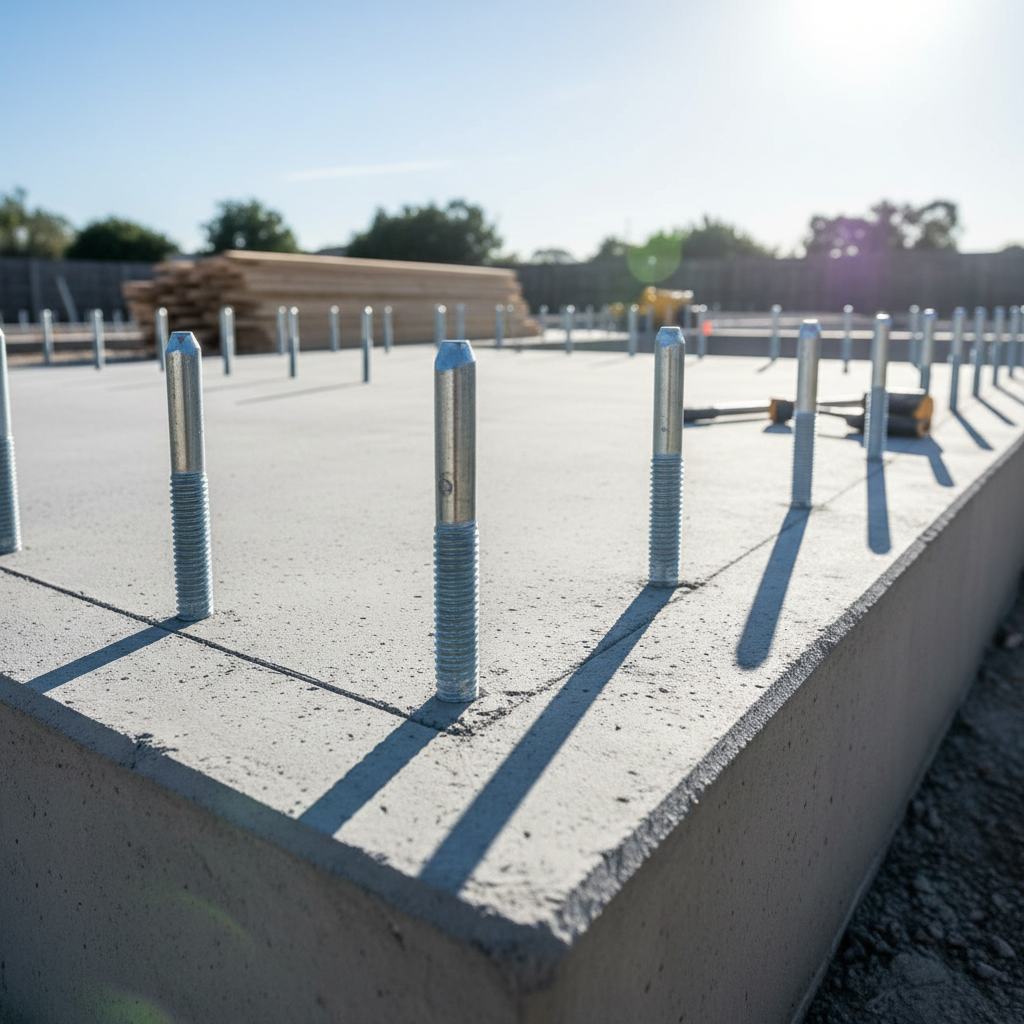
Construction begins with site preparation, including demolition of any existing structures, grading, and utility trenching. Foundation work in Los Angeles must account for seismic considerations, with most ADUs built on concrete slab or raised foundations with proper reinforcement.
Soil conditions vary significantly across Los Angeles. Properties in hillside areas may require additional engineering for slope stability, while areas with expansive soils need specialized foundation designs. A geotechnical report is often required to determine appropriate foundation specifications.
Framing and Systems Installation
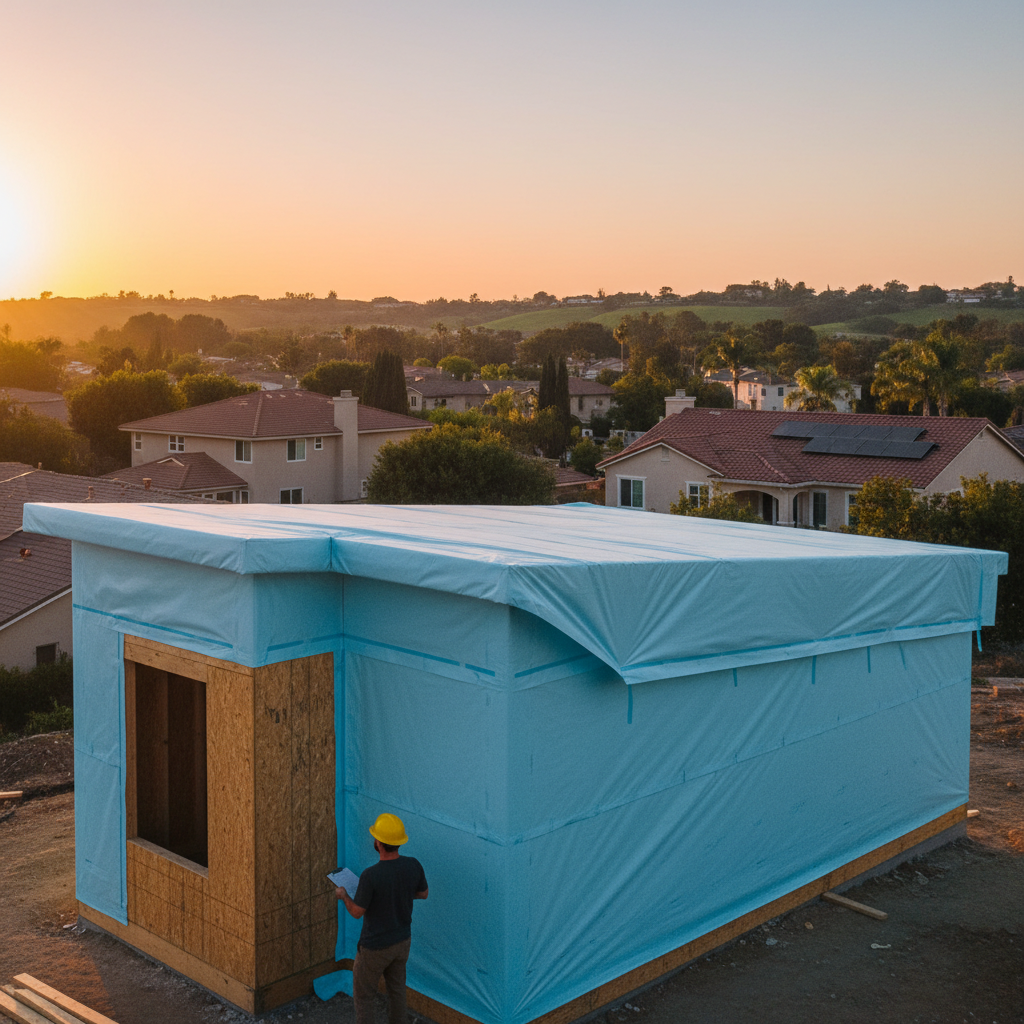
Framing establishes the structure's skeleton and typically takes 2-3 weeks for a standard ADU. Los Angeles building codes require specific construction methods for seismic resistance, including proper shear wall placement and hold-down hardware.
Following framing, rough plumbing, electrical, and HVAC systems are installed. This phase requires coordination between multiple trades and subsequent inspections before walls can be closed. Energy efficiency requirements under California's Title 24 mandate specific equipment efficiencies and installation methods.

Interior and Exterior Finishing
Finishing work transforms the structural shell into a livable space. This includes:
- Drywall installation and finishing
- Interior painting and trim work
- Flooring installation
- Cabinet and countertop installation
- Fixture and appliance installation
- Exterior stucco, siding, or other finishes
- Landscaping and hardscaping
Quality finishing work significantly impacts both the livability and rental potential of your ADU. Consider durable, low-maintenance materials that will withstand daily use while maintaining their appearance over time.
Cost Breakdown for Los Angeles ADU Projects
Understanding ADU costs helps homeowners budget effectively and make informed decisions. According to data from the California Department of Housing and Community Development, ADU construction costs in Los Angeles typically range from $150,000 to $400,000, with significant variation based on size, design, and finishes.
Cost Categories
| Category | Typical Cost Range | Percentage of Total |
|---|---|---|
| Design and Engineering | $8,000 - $25,000 | 5-8% |
| Permits and Fees | $5,000 - $15,000 | 3-5% |
| Site Work and Foundation | $15,000 - $40,000 | 10-15% |
| Framing and Structure | $25,000 - $60,000 | 15-20% |
| Mechanical Systems | $20,000 - $45,000 | 12-18% |
| Interior Finishes | $40,000 - $100,000 | 25-35% |
| Exterior Finishes | $15,000 - $35,000 | 8-12% |
Factors Affecting Cost
Several factors significantly impact ADU construction costs in Los Angeles:
- Site conditions: Hillside properties, difficult access, or poor soil conditions increase costs
- Utility connections: Distance from existing services affects connection costs
- Design complexity: Custom designs with unique features cost more than standard plans
- Finish quality: Premium materials and fixtures add to the bottom line
- Market conditions: Labor and material costs fluctuate with market demand
Schedule a free consultation to get an accurate estimate for your specific project.
Financing Your Los Angeles ADU
Various financing options exist for ADU construction, each with distinct advantages depending on your financial situation and goals.
Home Equity Options
Home equity loans and HELOCs (Home Equity Lines of Credit) remain popular ADU financing choices. With Los Angeles property values at historic highs, many homeowners have substantial equity available. Current interest rates and terms vary, so comparing offers from multiple lenders is essential.
Construction Loans
Construction loans provide funding specifically for building projects, with interest-only payments during construction and conversion to a permanent mortgage upon completion. These loans typically require detailed project documentation and may have higher interest rates than traditional mortgages.
ADU-Specific Programs
California offers several programs specifically designed to support ADU construction:
- CalHFA ADU Grant Program: Provides up to $40,000 for pre-development costs
- LA County ADU Accelerator Program: Offers technical assistance and financing options
- Local utility rebates: LADWP and SoCalGas offer incentives for energy-efficient construction

Maximizing Your ADU Investment
A well-designed and properly constructed ADU offers multiple paths to financial return, from rental income to property value appreciation.
Rental Income Potential
ADU rental rates in Los Angeles vary significantly by neighborhood, size, and amenities. According to rental market data, studio and one-bedroom ADUs in desirable Los Angeles neighborhoods command monthly rents of $1,800 to $3,500. Two-bedroom units can rent for $2,500 to $4,500 or more in premium areas.
Key factors affecting rental rates include:
- Location and neighborhood desirability
- ADU size and bedroom count
- Quality of finishes and appliances
- Outdoor space and parking availability
- Privacy from the main residence
Property Value Impact
Research from the Freddie Mac indicates that ADUs can add 20-30% to a property's value, often exceeding construction costs. This appreciation potential makes ADUs attractive both as income generators and long-term investments.
Common Challenges and How to Overcome Them
While ADU construction has become more streamlined, challenges remain. Understanding these obstacles helps homeowners prepare effectively.
Permit Delays
Permit delays often result from incomplete applications or plan check corrections. Working with experienced professionals who understand Los Angeles requirements minimizes these issues. Pre-application meetings with planning staff can also identify potential problems early.
Neighbor Concerns
While Los Angeles does not require neighbor approval for ADUs, maintaining good relationships matters. Communicate your plans early, address concerns about construction impacts, and design your ADU to minimize privacy intrusions.
Construction Complications
Unexpected issues during construction, from hidden utility lines to soil problems, can affect timelines and budgets. Thorough pre-construction investigation and contingency budgeting help manage these risks.
Choosing the Right ADU Partner
Selecting the right design-build partner significantly impacts your ADU project's success. Evaluate potential partners based on:
- Experience: Track record of completed ADU projects in Los Angeles
- Licensing: Valid California contractor's license and appropriate insurance
- References: Testimonials and project photos from previous clients
- Communication: Responsiveness and clarity in explaining the process
- Transparency: Clear pricing and contract terms
Browse our ADU floor plans to see examples of successful projects.
The Future of ADUs in Los Angeles
Los Angeles continues to refine its ADU policies, with recent changes making construction even easier. The elimination of owner-occupancy requirements, reduced fees for smaller units, and streamlined approval processes all support continued ADU growth.
Looking ahead, prefabricated and modular ADUs are gaining popularity, offering faster construction times and potentially lower costs. Advances in sustainable building materials and energy systems also promise to make ADUs more environmentally friendly and cost-effective to operate.
Getting Started with Your ADU Project
Building an ADU in Los Angeles requires careful planning, but the rewards—additional income, multigenerational living options, and increased property value—make the effort worthwhile. The key to success lies in thorough preparation, selecting experienced partners, and maintaining realistic expectations throughout the process.
Begin by assessing your property's ADU potential, researching local requirements, and developing a preliminary budget. Consulting with professionals early helps identify opportunities and challenges specific to your situation.
Schedule your free ADU consultation today to take the first step toward building your Los Angeles ADU. Our experienced team guides homeowners through every phase of design, permitting, and construction, ensuring a smooth path from concept to completion.

Frequently Asked Questions
How long does it take to build an ADU in Los Angeles?
The complete timeline from initial design to move-in typically ranges from 8-14 months. This includes 2-3 months for design and permitting, plus 4-8 months for construction. Complex projects or those with permit complications may take longer.
Do I need to live on the property to build an ADU?
No. California eliminated owner-occupancy requirements for ADUs in 2020. You can build an ADU on your property and rent both the main house and ADU, though local regulations may vary for specific situations.
Can I build an ADU if I have an HOA?
Yes. California law prohibits HOAs from outright banning ADUs. However, HOAs may impose reasonable design standards that don't unreasonably increase costs or effectively prohibit ADU construction.
What's the difference between an ADU and a guest house?
An ADU is a fully independent living unit with its own kitchen, bathroom, and entrance. Guest houses typically lack full kitchens and are considered accessory structures rather than independent dwelling units. ADUs can be legally rented; guest houses generally cannot.
How much can I rent my ADU for in Los Angeles?
ADU rental rates in Los Angeles typically range from $1,800 to $4,500 monthly, depending on size, location, and amenities. Premium neighborhoods and larger units command higher rents.
Zoning and Regulatory Requirements in Detail
Understanding Los Angeles zoning is fundamental to ADU success. The city's zoning code, while complex, has been significantly simplified for ADU construction. Single-family residential zones (R1, RE, RS, etc.) now permit ADUs by right, meaning no discretionary approval is needed if you meet the objective standards.
Lot Coverage and Floor Area Ratio
Traditional lot coverage and floor area ratio (FAR) restrictions that would otherwise limit construction are waived for ADUs meeting certain criteria. An ADU of at least 800 square feet is permitted regardless of these limitations, ensuring that homeowners on smaller lots can still build meaningful additional housing.
For larger ADUs, the rules become more nuanced. Properties in hillside areas face additional scrutiny, and those in very high fire hazard severity zones must meet enhanced fire safety requirements. Coastal zone properties require California Coastal Commission approval, adding time to the permit process.
Utility Connections and Infrastructure
ADU utility connections have been streamlined under recent legislation. New utility connections are permitted if adequate capacity exists, and connection fees have been capped or eliminated for many ADU sizes. The Los Angeles Department of Water and Power (LADWP) and local sewer agencies have specific requirements for ADU service connections.
Key utility considerations include:
- Water: New water meters may be required for some ADUs, though shared meters are often permitted
- Sewer: Connection capacity must be verified; some areas may require sewer main extensions
- Electrical: Service panel capacity typically requires upgrade for detached ADUs
- Gas: New gas lines must meet current code requirements and safety standards
Working with the Los Angeles Department of Building and Safety
The Los Angeles Department of Building and Safety (LADBS) processes ADU permits through a dedicated ADU unit, established to handle the high volume of applications. Understanding how to work effectively with LADBS can significantly impact your project timeline.
Plan Check Process
After submitting your permit application, plans enter the plan check queue. LADBS commits to completing plan check within 60 days for ADU applications, though complex projects or incomplete submissions may take longer. The plan check process reviews:
- Zoning compliance and dimensional requirements
- Structural adequacy and seismic resistance
- Mechanical, electrical, and plumbing systems
- Fire and life safety requirements
- Energy code compliance (Title 24)
- Green building requirements (CALGreen)
Plan check corrections are common, particularly for first-time ADU applicants. Working with experienced designers and engineers minimizes corrections and expedites approval.
Inspection Requirements
Construction inspections verify that work matches approved plans. Required inspections typically include:
- Foundation and slab inspections
- Framing inspection (before covering with drywall)
- Rough plumbing, electrical, and mechanical inspections
- Insulation and energy compliance verification
- Final inspection for certificate of occupancy
Design Excellence for Los Angeles ADUs
Great ADU design balances aesthetics, functionality, and budget. Los Angeles's diverse architectural landscape provides inspiration for virtually any style, while the mild climate enables design features that would be impractical elsewhere.
Maximizing Natural Light and Ventilation
Los Angeles's abundant sunshine should be captured through strategic window placement and skylights. South-facing windows bring in natural light throughout the day, while north-facing windows provide consistent, glare-free illumination. Cross-ventilation reduces or eliminates the need for air conditioning in many areas.
Design strategies for natural light include:
- Clerestory windows that admit light while maintaining privacy
- Skylights or solar tubes for interior spaces
- Light-colored interior finishes that reflect and distribute daylight
- Strategic landscaping that shades summer sun while admitting winter light
Creating Functional Floor Plans
Every square foot matters in ADU design. Successful floor plans minimize circulation space while maximizing usable area. Key principles include:
- Open floor plans that combine living, dining, and kitchen areas
- Built-in storage solutions that maximize efficiency
- Flexible spaces that can serve multiple functions
- Outdoor living areas that extend usable space
View our collection of optimized ADU floor plans for inspiration.
Construction Quality and Materials
ADU construction quality directly impacts livability, durability, and long-term maintenance costs. While budget constraints exist, certain investments pay dividends over time.
Foundation and Structure
Los Angeles's seismic reality demands robust structural systems. Most ADUs utilize either concrete slab-on-grade foundations or raised foundations with concrete perimeter footings. Each approach offers advantages depending on site conditions and design preferences.
Structural framing typically uses conventional wood framing, though some projects employ steel for specific applications. Proper shear wall placement, hold-down anchors, and connection hardware ensure seismic performance meets code requirements.
Exterior Envelope
The exterior envelope protects against weather and contributes significantly to energy efficiency. Quality weather barriers, properly installed windows and doors, and adequate insulation create comfortable, durable spaces.
Popular exterior finish options in Los Angeles include:
- Stucco: Traditional and durable with good fire resistance
- Wood siding: Natural appearance requiring regular maintenance
- Fiber cement: Durable, low-maintenance, multiple style options
- Metal panels: Contemporary appearance with excellent durability
Project Timeline Expectations
Understanding realistic timelines helps manage expectations and plan accordingly. While individual projects vary, typical ADU timelines in Los Angeles follow predictable patterns.
Pre-Construction Phase (2-4 months)
- Initial consultation and feasibility assessment: 1-2 weeks
- Design development: 4-6 weeks
- Engineering and permit drawings: 2-4 weeks
- Plan check and permit approval: 4-8 weeks
Construction Phase (4-8 months)
- Site preparation and foundation: 2-4 weeks
- Framing and roofing: 2-4 weeks
- Mechanical, electrical, plumbing rough-in: 2-3 weeks
- Insulation and drywall: 2-3 weeks
- Interior finishes: 4-8 weeks
- Final inspections and completion: 1-2 weeks
Total project duration from initial consultation to move-in typically ranges from 8-14 months, with simpler projects completing faster and complex sites taking longer.
Selecting Your ADU Partner
Choosing the right design-build partner significantly impacts your ADU experience and outcome. Consider these factors when evaluating potential partners:
Experience and Track Record
ADU-specific experience matters. General contractors may not understand the nuances of ADU regulations, while specialized ADU builders navigate the process efficiently. Ask potential partners about: For more details, see our ADU contractors in Los Angeles.
- Number of completed ADU projects in Los Angeles
- Familiarity with specific neighborhoods and their requirements
- Relationships with LADBS plan checkers and inspectors
- Portfolio of completed projects similar to your vision
Communication and Process
Clear communication throughout the project prevents misunderstandings and ensures satisfaction. Evaluate potential partners on:
- Responsiveness during the initial consultation
- Clarity of proposals and contracts
- Project management systems and update frequency
- Availability for questions and concerns
Schedule your free consultation to experience our communication approach firsthand.