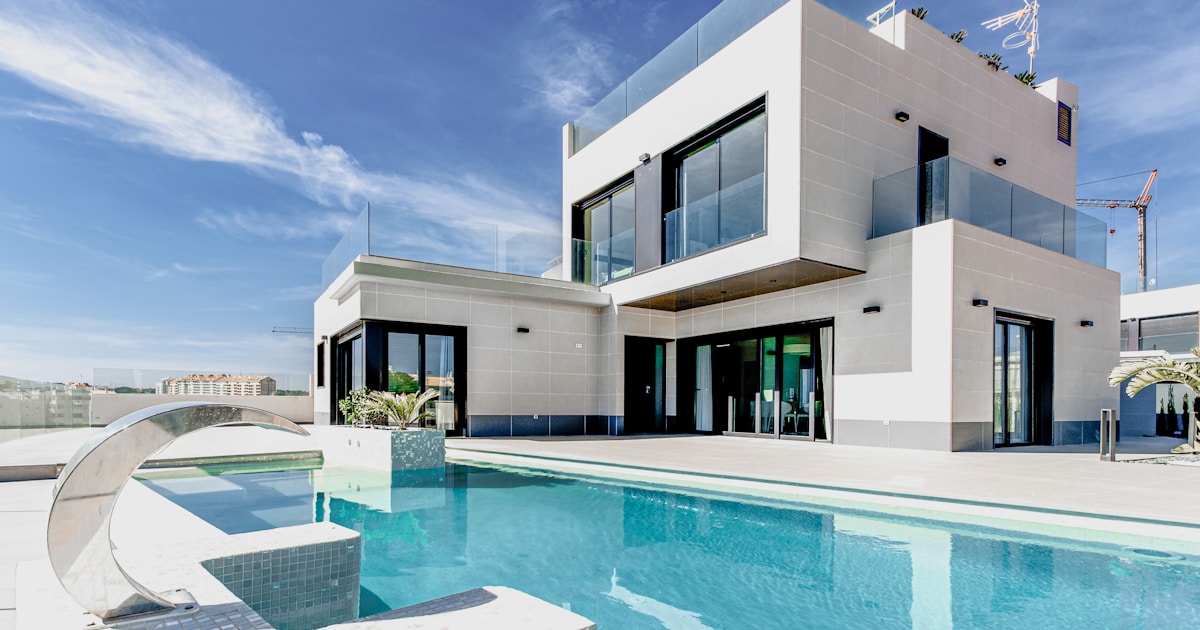

Accessory Dwelling Units (ADUs) are becoming a popular home addition for many homeowners across California. These versatile structures not only provide additional living space but can also serve as a source of rental income, housing for family members, or even as a private office. If you're a homeowner in West Covina, you might be wondering if you can build an ADU on your property and what the process entails. This comprehensive guide will walk you through everything you need to know about building an ADU in West Covina, from regulations and guidelines to benefits and real-life success stories.
Introduction to ADUs
ADUs, or Accessory Dwelling Units, are secondary housing units located on the same lot as a primary residence. They come in various forms, including detached units, attached units, garage conversions, and even basement apartments. The rising popularity of ADUs is largely due to their flexibility and the increasing need for additional housing options in urban and suburban areas.

Overview of ADU Regulations and Guidelines in West Covina, California
Before diving into the specifics of building an ADU in West Covina, it's essential to understand the general regulations and guidelines that govern these structures. Here's a detailed breakdown:
Setbacks
California state law dictates a minimum 4-foot setback from the rear and side yard for ADUs. The distance between an ADU and the primary residence isn't set at the state level and may be subject to local regulations.
Square Footage
In California, you can build an ADU up to 1,200 square feet, subject to local regulations. However, state law mandates that local jurisdictions must allow ADUs of at least 800 square feet and 16 feet in height.
Height
Generally, you should be able to build an ADU that's at least one-story and 16 feet in height. Depending on your residential zoning code, you may be able to build two stories.
Parking
Generally, conversion ADUs and junior ADUs don’t require any parking. Attached and detached ADUs will require one parking space unless your project qualifies for an exemption from the parking requirements.
Number of ADUs Allowed
If you have a single-family home, you can generally have one or two ADUs on it. The number of ADUs allowed on multi-family properties depends on the type of ADU constructed and how many dwelling units are already on the property.
Minimum Lot Size
The good news is that your property can be any size and be eligible for an ADU. There are no minimum lot size restrictions.
Allowed Locations
Generally, you can have an ADU on your property if residential uses are allowed on it, although exceptions may apply. You must have an existing or proposed single-family home on your property or an existing multi-family building.
Renting the ADU
Your ADU can be rented out, although most cities don’t allow short-term rentals of ADUs. This means you can probably only rent your ADU out for a period of a month or longer. Generally, the property owner will only have to live on the property if a Junior ADU (JADU) is built on it.
Benefits of Building an ADU in West Covina for Homeowners
Building an ADU in West Covina comes with numerous benefits, making it an attractive option for homeowners:
Additional Income
One of the most significant advantages of building an ADU is the potential for rental income. By renting out your ADU, you can generate a steady stream of passive income, which can help offset your mortgage or other expenses.
Increased Property Value
Adding an ADU can significantly increase the value of your property. Potential buyers often see the extra living space as a valuable asset, making your home more attractive in the real estate market.
Flexible Living Arrangements
An ADU provides flexible living arrangements for extended family members, such as elderly parents or adult children. It offers a sense of independence while still keeping loved ones close.
Office Space
With the rise of remote work, having a dedicated office space at home has become increasingly important. An ADU can serve as a private office, providing a quiet and productive environment separate from the main house.
Step-by-Step Guide on How to Get an ADU Project Approved and Built in West Covina
Building an ADU involves several steps, from initial planning to final construction. Here's a step-by-step guide to help you navigate the process:
1. Research and Planning
Start by researching the specific ADU regulations and guidelines in West Covina. Understanding the local zoning laws, setback requirements, and other regulations will help you plan your project effectively.
2. Design and Architectural Plans
Once you have a clear understanding of the regulations, work with an architect or designer to create detailed plans for your ADU. Ensure that the design meets all the local building codes and requirements.
3. Permit Application
Submit your architectural plans and permit application to the West Covina planning department. The application will undergo a review process to ensure compliance with all regulations.
4. Site Preparation and Construction
After receiving approval, prepare the site for construction. This may involve clearing the area, laying foundations, and connecting utilities. Once the site is ready, construction can begin. Get a quote for your ADU project
5. Inspections and Final Approval
Throughout the construction process, various inspections will be conducted to ensure that the work meets all building codes and standards. After passing the final inspection, you will receive a certificate of occupancy, allowing you to use the ADU.

West Covina's ADU ordinance and HCD's 2026 findings
The regulations overview above gives the basics. Before you rely on any West Covina rule, though, know where the City's ordinance stands. West Covina's ADU rules were last adopted in Ordinance No. 2519 on February 20, 2024. On January 12, 2026, the California Department of Housing and Community Development (HCD) sent the City a notice of potential violation, saying the City hadn't responded to an October 2025 letter about its outdated ordinance and that HCD had heard from applicants whose projects seemed affected. Then, in a February 24, 2026 review letter, HCD found that Ordinance No. 2519 didn't comply with state ADU law in 20 ways and gave the City until March 26, 2026 to respond with a plan to amend it or adopt findings explaining why it complies. Before you design, ask the Planning Division in writing whether the City has amended the ordinance since then, and which rules it's applying to new applications today.
What HCD said must change
HCD's findings are a good guide to what state law already allows in West Covina:
- More unit combinations: under Government Code Section 66323, as amended by SB 543 effective January 1, 2026, a single-family lot can combine a converted ADU, a JADU, and a new detached ADU of up to 800 square feet with 4-foot side and rear setbacks, along with a unit under local standards (Section 66314). The 2024 ordinance offered these as either-or options.
- Apartment lots: up to eight detached ADUs on a lot with an existing multifamily building (no more than the number of existing units), or two with a proposed one, with no size cap, plus conversions of non-livable space such as storage rooms, attics, basements, or garages. The 2024 ordinance allowed two detached ADUs of up to 1,000 square feet each and didn't spell out multifamily conversions in its definitions.
- Front setback: the ordinance required the zone's front setback unless you could show an 800-square-foot ADU wasn't feasible elsewhere. HCD said an ADU built under Section 66323 can go wherever the owner chooses, including the front setback.
- 10-foot separation: HCD said the 10-foot distance between a detached ADU and other structures can't be applied to Section 66323 ADUs beyond what fire and safety require.
- Design rules: the 2024 ordinance required ADUs to match the main home's materials, colors, roof design, and architecture, limited the placement of exterior stairs, required shielded lighting, and required attached ADUs to share a wall or floor with the home's living area. HCD said these can't be applied to Section 66323 ADUs.
- Two-story ADUs: an administrative permit with public notice and a hearing can't be required for a two-story ADU. ADU approval must be ministerial.
- Height near transit: a detached ADU within one-half mile walking distance of a major transit stop or high-quality transit corridor can be 18 feet, plus 2 more feet to match the main home's roof pitch.
- Mixed-use zones: ADUs must be allowed on mixed-use lots that permit homes and have a home on them.
- Parking: no parking can be required for an ADU applied for together with a new home on the same lot, in addition to the other state exemptions.
- Fire sprinklers: building an ADU can't trigger sprinklers in the existing home.
- No ADU deed restriction: the 2024 ordinance required a recorded deed restriction for every ADU. HCD said state law (Government Code Section 66315) doesn't allow that. A JADU still needs one, limited to a ban on separate sale and a size restriction.
- JADU owner occupancy: required only when the JADU shares a bathroom with the main home, under Government Code Section 66333 as amended by AB 1154. The 2024 ordinance required it for every JADU.
- Review timelines: the City must tell you in writing within 15 business days whether your application is complete, and approve or deny it within 60 days of a complete application. A denial must list every deficient item and how to fix it.
- Garage replacement: a demolition permit for a detached garage being replaced with an ADU must be reviewed and issued with the ADU.
State rules that apply either way
- No impact fees on smaller units: no impact fee for an ADU with 750 square feet of interior livable space or less, or a JADU of 500 square feet or less (Government Code Section 66311.5).
- Size floor: local size limits, front setbacks, lot coverage, floor area, and open space rules can't prevent an ADU of 800 square feet of interior livable space with 4-foot side and rear setbacks (Government Code Section 66321).
- Garage conversions: a garage, carport, or covered parking converted or torn down for an ADU doesn't have to be replaced (Government Code Section 66314).
- Unpermitted ADUs: an ADU built before January 1, 2020 can't be denied legalization just for building code or ADU-standard violations, unless a fix is needed for health and safety (Government Code Section 66311.7).
- Rentals: a city can require rental terms of 30 days or longer, and an ADU can't be sold separately except as Government Code Section 66341 allows.
Questions to ask a West Covina ADU builder
- Has the City amended Ordinance No. 2519 since HCD's February 2026 findings, and which rules are you designing to?
- Can my ADU be built under Government Code Section 66323, so the City's design, separation, and front-setback rules don't apply?
- Can I combine a converted ADU, a JADU, and a detached ADU on my lot?
- If I want a two-story ADU, how will the City process it without a hearing?
- Will the ADU stay at 750 square feet of interior livable space or less to avoid impact fees?
If you'd like help checking a West Covina lot or a builder's plans against state law and the City's current rules, book a free consultation with our team. We've completed over 127 ADU project designs.
Real-life Success Stories of Homeowners Who Have Built ADUs
Hearing about the experiences of other homeowners who have successfully built ADUs can provide valuable insights and inspiration. Here are a couple of success stories from West Covina:
A Client decided to build an ADU to provide a comfortable living space for their aging parents. They worked with a local contractor to design a detached ADU that includes a bedroom, bathroom, kitchen, and living area. The ADU has given their parents the independence they desire while allowing the Johnsons to keep them close.
Another clients wanted to generate additional income to help pay off their mortgage. They converted their garage into an ADU and rented it out to a young professional. The rental income has provided them with financial stability and peace of mind.
Conclusion
Building an ADU in West Covina is not only possible but also highly beneficial for homeowners. From additional income and increased property value to flexible living arrangements and dedicated office space, ADUs offer numerous advantages. By following the local regulations and guidelines, you can successfully navigate the process and enjoy the many benefits that come with having an ADU on your property.
Ready to take the first step in building your ADU in West Covina? Get a quote for your ADU project today to learn how we can help you design, permit, and construct your dream ADU. With our expertise and comprehensive services, we'll make the process seamless and stress-free.