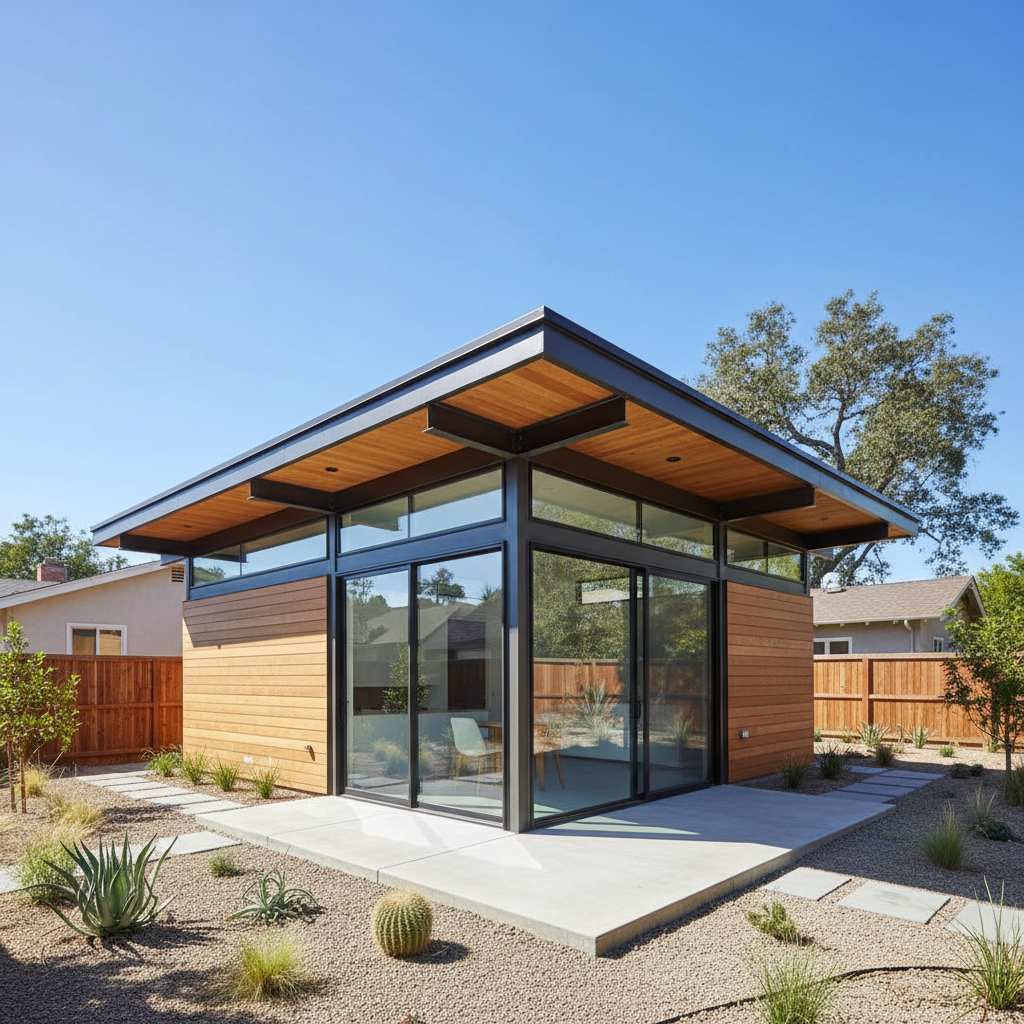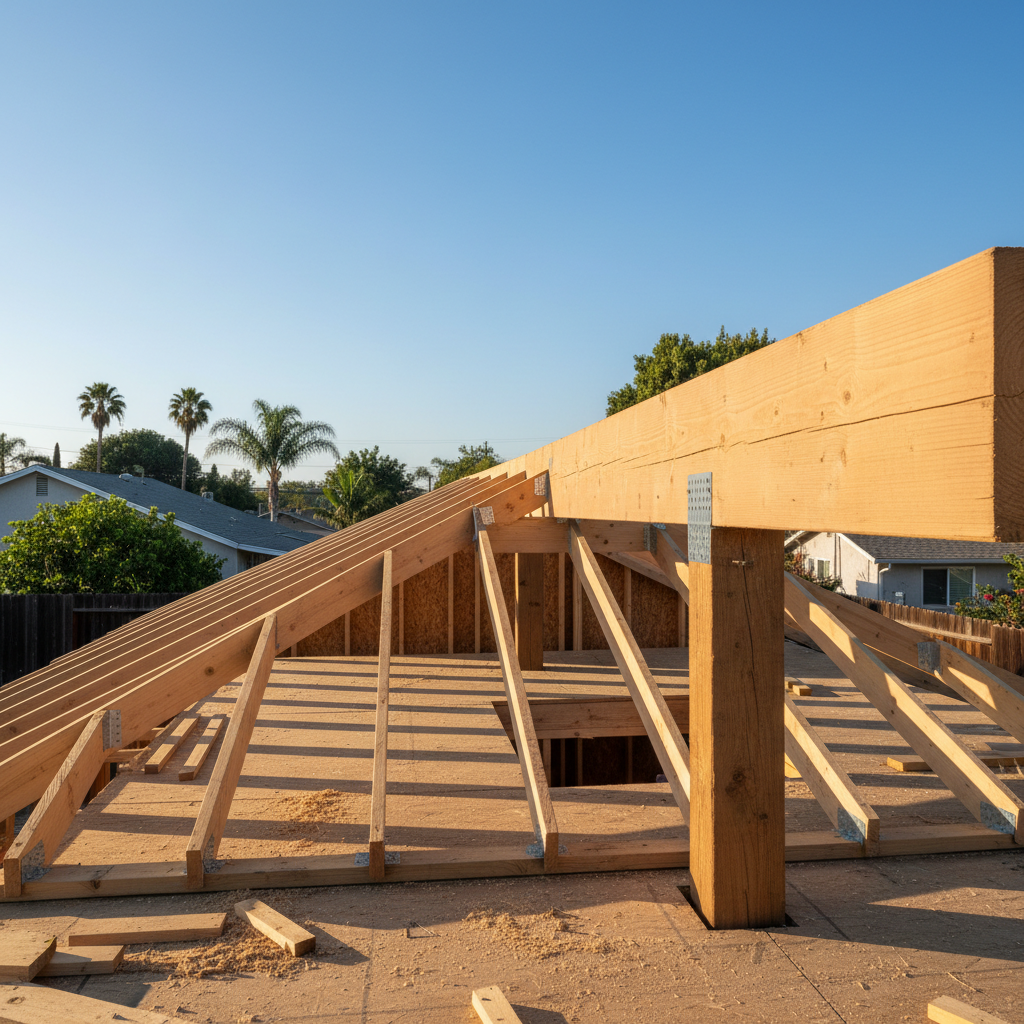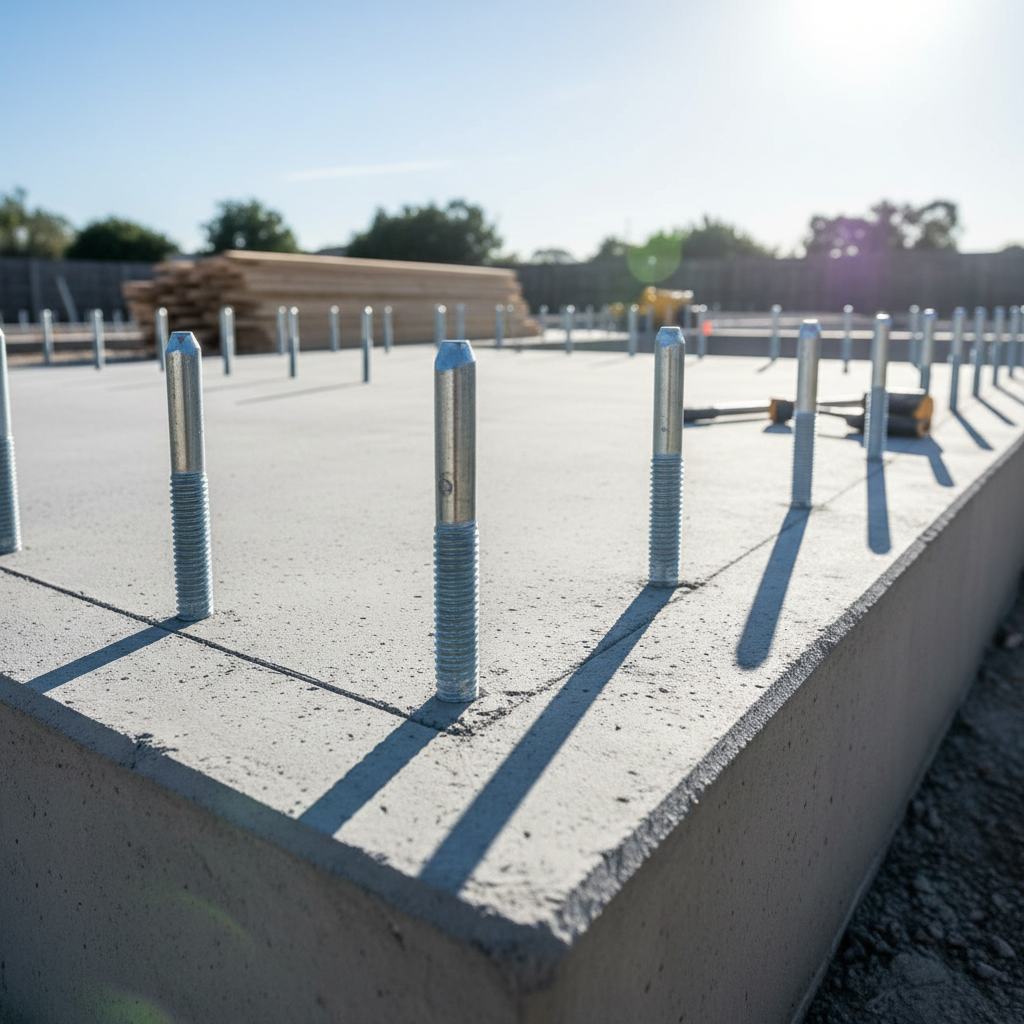
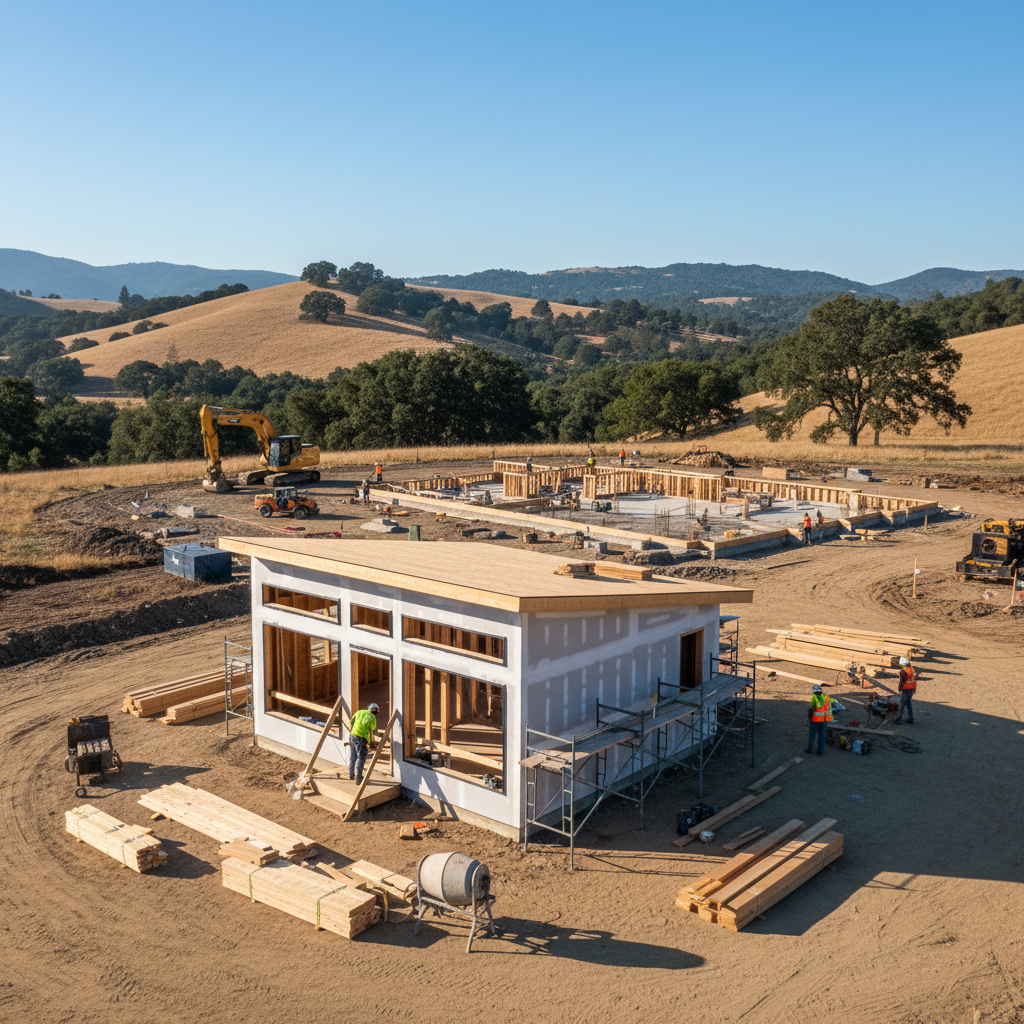
California homeowners are increasingly looking to Accessory Dwelling Units (ADUs) as a versatile solution for additional living space, rental income, or multi-generational living. A common question that arises for those planning a significant home renovation or a brand-new main home build is: Can you build an ADU while your main home is under construction in California? The short answer is yes, it's often possible, but it comes with a unique set of considerations, challenges, and opportunities that require careful planning and expert navigation. GatherADU is here to demystify the process and guide you through the intricacies of concurrent ADU construction.
Understanding California's Pro-ADU Stance
California has been at the forefront of ADU-friendly legislation, largely due to the state's housing crisis. Recent laws have streamlined the permitting process, reduced fees, and minimized restrictive local ordinances. This favorable regulatory environment generally extends to situations where a main home is also undergoing construction. The state encourages the creation of ADUs, viewing them as a vital component of its housing strategy.
- Streamlined Permitting: State law mandates that ADU permit applications be processed within 60 days.
- Reduced Setbacks: Many jurisdictions allow for reduced setbacks, making it easier to fit an ADU on your property.
- Utility Connections: New laws often simplify utility connection requirements and fees for ADUs.
While the state's intent is clear, the practical application, especially when coordinating with a main home build, requires a nuanced approach.
The Permitting Process: A Dual Challenge or Unified Effort?
The primary hurdle in any construction project is obtaining the necessary permits. When you're attempting to build an ADU while your main home is under construction in California, you typically have two main paths:
1. Separate Permit Applications
You can apply for permits for your main home and your ADU as entirely separate projects. This might seem simpler, as each project can be reviewed independently. However, it can lead to:
- Duplicated Efforts: Separate site plans, surveys, and potentially even separate plan checkers.
- Disjointed Timelines: One project might be approved significantly before the other, leading to awkward staging or extended overall construction time.
- Increased Fees: Some fees might be assessed twice for separate applications.
2. Concurrent or Unified Permit Application
The more efficient, albeit often more complex, approach is to submit both projects for permitting concurrently or as a unified plan. This means:
- Integrated Design: Both the main home and ADU designs are submitted together, allowing the planning department to review the entire property's development.
- Single Point of Contact: Potentially working with one set of plan checkers for the entire property.
- Coordinated Reviews: Ensures that utility connections, setbacks, and site access are planned holistically.
Key consideration: Local jurisdictions may have different preferences or requirements for handling concurrent projects. Some might encourage a unified approach, while others might prefer separate applications for clarity. It's crucial to consult with your local planning department early in the process. An experienced ADU partner like GatherADU can help navigate these local nuances.
Logistical Considerations for Concurrent Construction
Even with permits in hand, managing two construction projects simultaneously on a single property presents significant logistical challenges.
Site Access and Staging
Construction sites require space for materials, equipment, and worker parking. With two active projects, this space is at a premium. Careful planning is needed to ensure:
- Clear Access Paths: Separate access for each crew, if possible, or a well-coordinated shared access plan.
- Material Storage: Designated areas for lumber, plumbing, electrical, and other supplies that don't impede the other project.
- Waste Management: Sufficient dumpster space and a clear schedule for waste removal to prevent site clutter.
Utility Connections
Both your main home and ADU will require connections to water, sewer, gas, and electricity. When building concurrently, there's an opportunity for efficiency but also a risk of conflict:
- Shared Trenching: Digging trenches for utility lines once for both structures can save time and money.
- Capacity Planning: Ensuring that existing utility services or new upgrades can handle the combined load of both units.
- Meter Installation: Deciding whether the ADU will have a separate meter or be sub-metered from the main home (often preferred for rental income).
Contractor Coordination
Perhaps the most critical logistical aspect is managing the contractors. You might have one general contractor overseeing both projects, or separate contractors for each. Regardless, seamless communication is paramount:
- Unified Schedule: A master schedule that accounts for the interdependencies of both projects.
- Regular Meetings: Frequent site meetings involving all project managers and key subcontractors.
- Clear Responsibilities: Defining who is responsible for what, especially when tasks overlap (e.g., grading, foundation, utility rough-ins).
Noise, Dust, and Disruption
Two construction projects mean double the noise, dust, and general disruption. If you're living on-site during construction, or if neighbors are sensitive, this needs to be managed proactively:
- Neighbor Communication: Informing neighbors of the scope and duration of work.
- Work Hours: Adhering strictly to local noise ordinances and designated work hours.
- Site Maintenance: Keeping the site as clean and organized as possible to minimize dust and debris.
Financial Implications and Opportunities
Building an ADU while your main home is under construction in California can have significant financial implications, both positive and challenging.
Construction Loans
Securing financing for two concurrent projects can be complex. Lenders will evaluate the combined project value and your ability to service the debt. Some lenders may offer a single construction loan that encompasses both the main home and the ADU, potentially simplifying the financing structure. However, this often requires detailed plans and a comprehensive budget for both units from the outset.
Potential Cost Savings
There are several areas where concurrent construction can lead to cost efficiencies:
- Mobilization: The contractor only mobilizes once, saving on setup and demobilization costs.
- Bulk Material Purchases: Purchasing materials for both structures simultaneously might unlock volume discounts.
- Shared Trades: Electricians, plumbers, and framers can move between projects on the same site, reducing travel time and potentially idle time.
- Utility Trenching: As mentioned, digging trenches once for all necessary utility lines.
Potential for Increased Costs and Complexity
Conversely, poor planning or coordination can lead to cost overruns:
- Delays: A delay in one project can impact the other, leading to extended rental costs, interest payments, or subcontractor standby fees.
- Design Changes: Changes during construction are always expensive, and managing them for two projects compounds the issue.
Benefits of Building Concurrently
Despite the challenges, there are compelling reasons why building your ADU alongside your main home can be a smart move:
- Faster Occupancy: Both units can be completed and ready for occupancy around the same time, meaning quicker access to rental income or living space.
- Integrated Design & Aesthetics: Designing both structures together allows for a cohesive architectural style and landscaping, enhancing curb appeal and property value.
- One-Time Disruption: You get all the major construction disruption over with at once, rather than enduring two separate periods of noise and inconvenience.
- Potential Cost Efficiency: As discussed, economies of scale can be realized in labor, materials, and site work.
Potential Challenges and How GatherADU Mitigates Them
While the benefits are clear, successfully navigating a concurrent build requires expert guidance. Here are common challenges and how GatherADU helps:
Increased Complexity and Coordination
Managing two major construction projects simultaneously requires a high level of organization and project management expertise.
- GatherADU's Solution: Our integrated design-build approach means we manage the entire project from concept to completion. We act as your single point of contact, ensuring seamless coordination between all trades and phases for both your main home and ADU.
Permit Delays
Local jurisdiction processing times can vary, and a complex combined application might face more scrutiny.
- GatherADU's Solution: We have extensive experience with California's ADU regulations and local permitting offices. We prepare comprehensive, code-compliant plans that anticipate potential issues, helping to expedite the review process and mitigate delays.
Finding the Right Contractor
Not all contractors are equipped to handle two simultaneous projects, especially when one is a custom home and the other an ADU with specific regulations.
- GatherADU's Solution: Our team specializes exclusively in ADUs and understands the unique requirements. We work with a network of trusted, licensed contractors who are proficient in managing complex projects and adhering to state and local ADU guidelines.
Don't let the complexity deter you from maximizing your property's potential. Speak with a GatherADU expert today to discuss your specific project and learn how we can simplify concurrent construction.
Key Takeaways for California Homeowners
If you're contemplating building an ADU while your main home is under construction in California, here's what you need to remember:
- It's Possible, But Complex: State law generally allows it, but the execution demands meticulous planning.
- Early Planning is Crucial: Engage with professionals (architects, builders, ADU specialists) from the very beginning to integrate designs and permitting strategies.
- Understand Local Regulations: While state law is favorable, local ordinances can still impact the specifics of concurrent builds.
- Consider a Unified Approach: Whenever possible, aim for a coordinated design and permitting process for both structures.
- Partner with Experts: A seasoned ADU design-build firm like GatherADU can be invaluable in navigating the regulatory, logistical, and construction challenges.
Conclusion
Building an ADU while your main home is under construction in California is an ambitious yet highly rewarding endeavor. It offers the potential for significant cost savings, streamlined timelines, and a beautifully integrated property. While the complexities of permitting, site logistics, and contractor coordination can be daunting, they are entirely manageable with the right expertise and planning. GatherADU specializes in making your ADU journey smooth and successful, even for concurrent projects. We provide comprehensive support, from initial design to final construction, ensuring your main home and ADU are built efficiently and to the highest standards.
Ready to explore the possibilities of maximizing your California property with a new ADU, even alongside a main home build? Book your free ADU consultation with GatherADU today and let us help bring your vision to life.