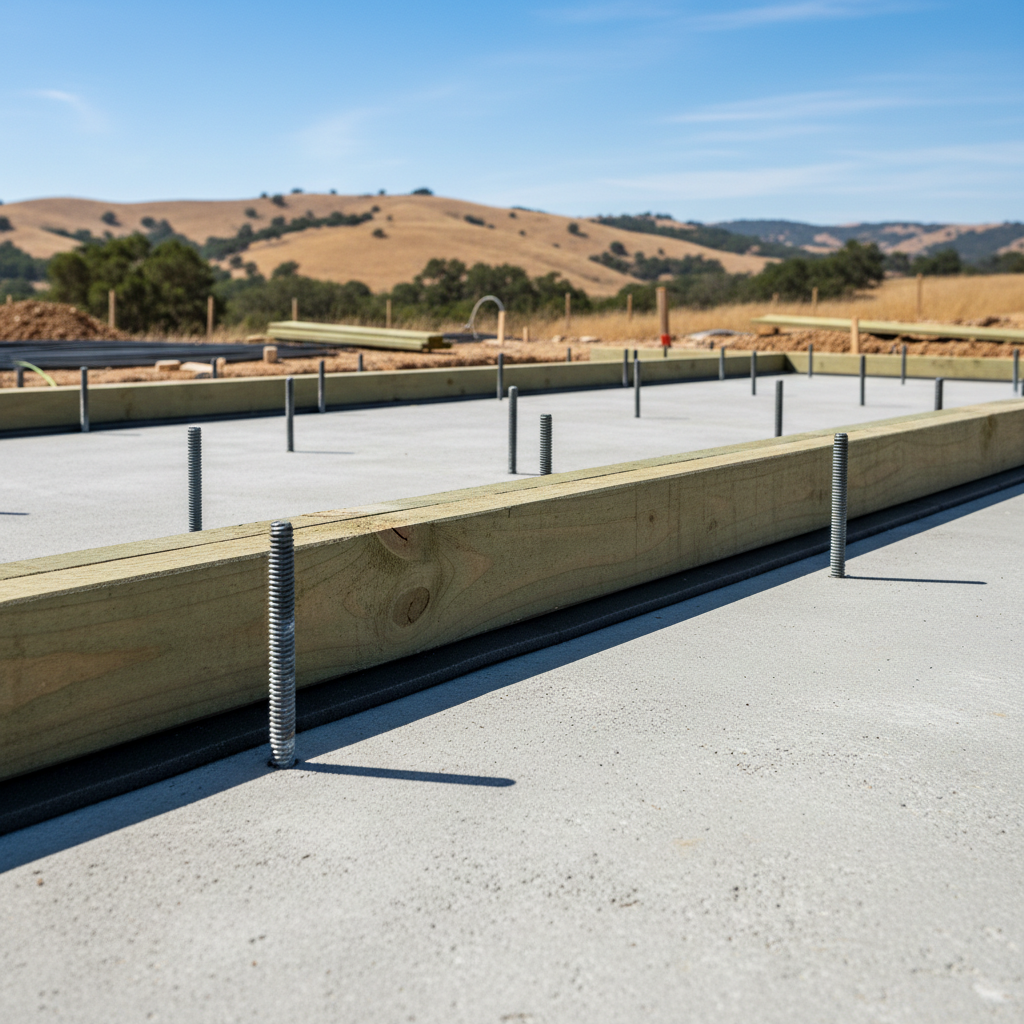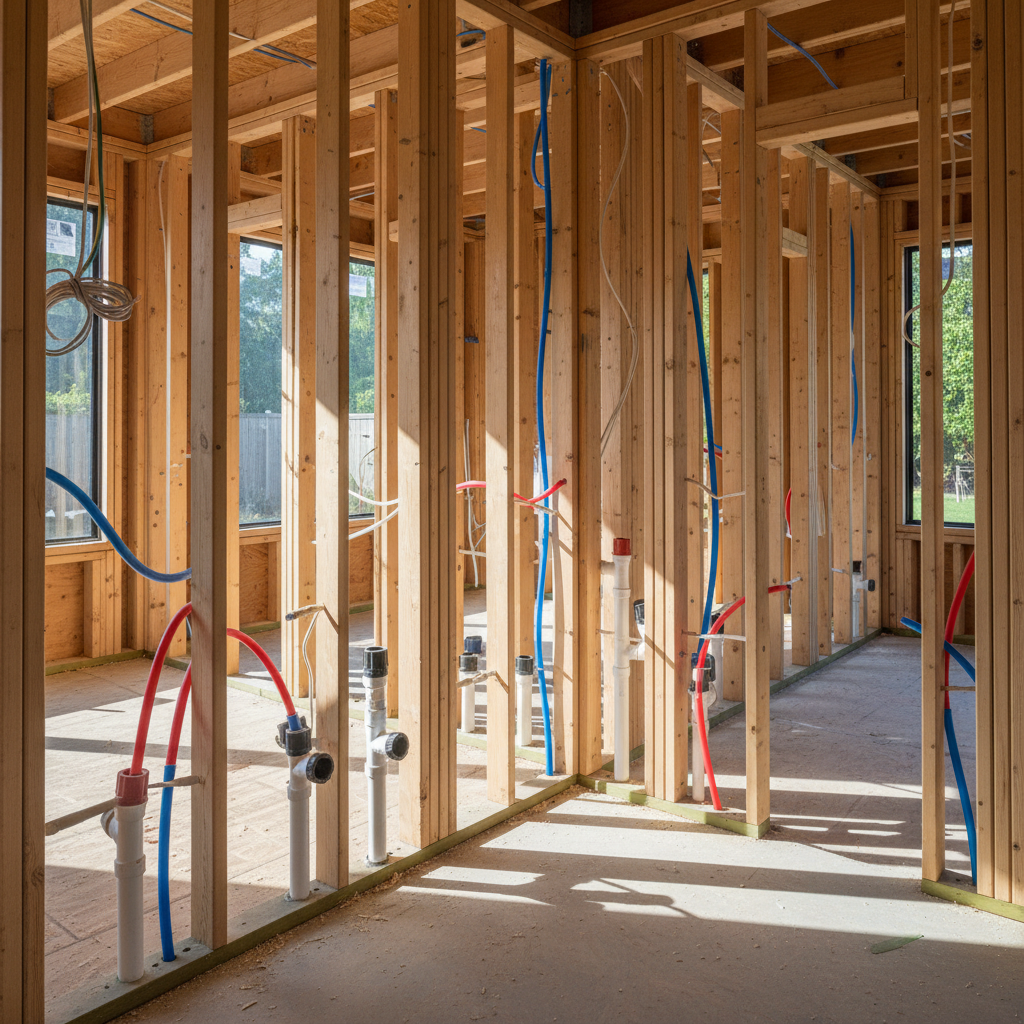
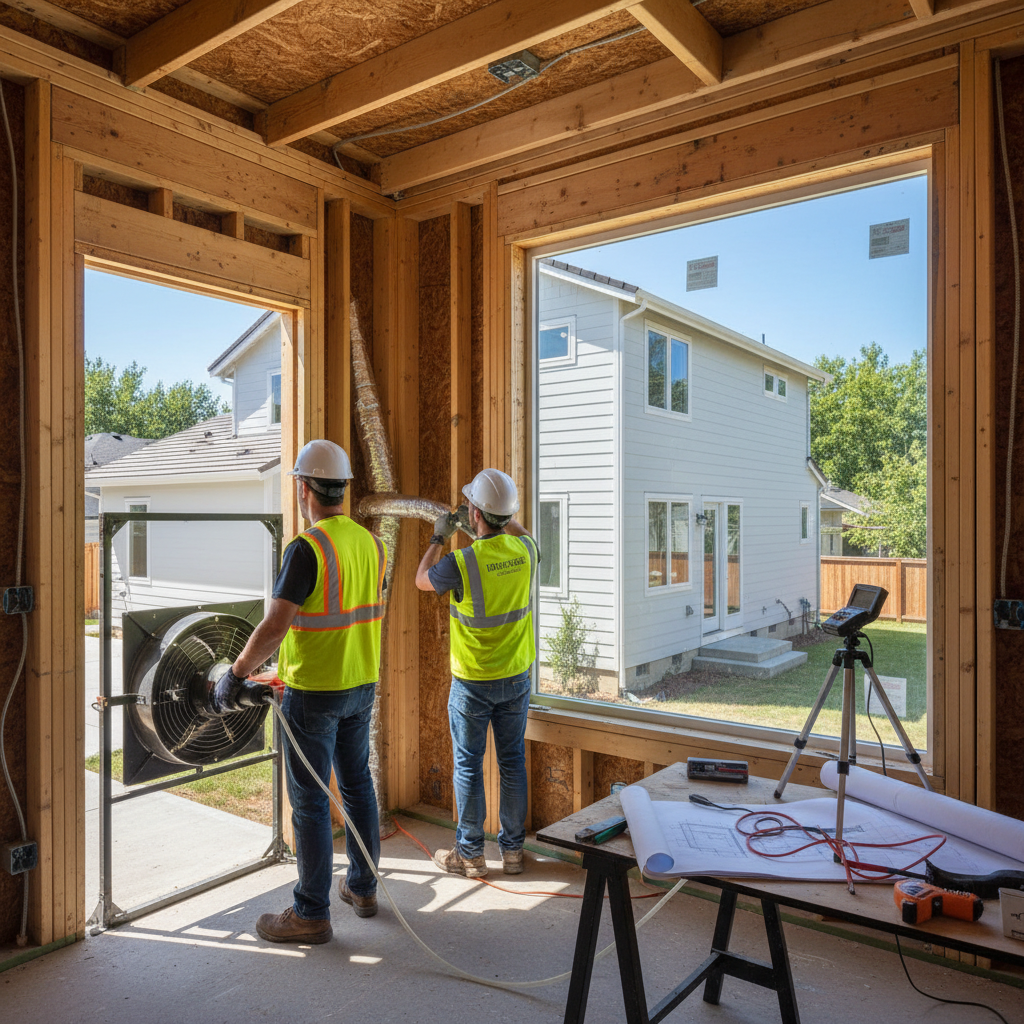
Building an Accessory Dwelling Unit (ADU) in California comes with a wealth of regulations, and among the most critical for long-term comfort and cost savings are those related to energy efficiency. This is where HERS testing for ADUs comes into play. If you're planning a backyard home, understanding the Home Energy Rating System (HERS) and its testing requirements is not just about compliance; it's about ensuring your new space is comfortable, sustainable, and affordable to operate.
At GatherADU, we believe in empowering homeowners with knowledge. This guide will demystify HERS testing, explaining what it is, why it's a mandatory part of ADU construction in California, and what you, as a homeowner, can expect from the process, from design to final inspection.
What Exactly is HERS Testing?
HERS stands for the Home Energy Rating System. It's a nationally recognized system for inspecting, testing, and calculating a home's energy performance. In California, HERS testing is a critical component of complying with the state's rigorous energy efficiency standards, known as Title 24, Part 6 of the California Building Standards Code.
A HERS Rater, a certified third-party professional, performs a series of diagnostic tests and inspections on new construction (like your ADU) to verify that the home meets the specified energy efficiency requirements. These tests go beyond visual inspections, using specialized equipment to measure actual performance data.
Why is HERS Testing Required for ADUs in California?
California is a leader in energy efficiency, constantly striving to reduce energy consumption and greenhouse gas emissions. Title 24 sets high standards for new construction and major renovations, including ADUs. The primary reasons HERS testing is mandatory for ADUs are:
- Code Compliance: It provides objective verification that your ADU meets the energy performance criteria outlined in Title 24.
- Energy Savings: By ensuring proper insulation, sealed ductwork, and efficient HVAC systems, HERS testing helps guarantee lower utility bills for the ADU occupants.
- Comfort and Air Quality: Tightly sealed homes with efficient systems lead to more consistent indoor temperatures, fewer drafts, and better indoor air quality by preventing outside pollutants from entering.
- Environmental Impact: Reducing energy consumption lessens the carbon footprint, contributing to California's broader environmental goals.
- Property Value: An energy-efficient ADU is a more valuable asset, appealing to tenants and future buyers alike.
Key Components of HERS Testing for ADUs
During your ADU's construction, a HERS Rater will perform several specific tests. While the exact requirements can vary based on your ADU's design and HVAC system, here are the most common and significant tests:
1. Duct Leakage Test (Duct Blasting)
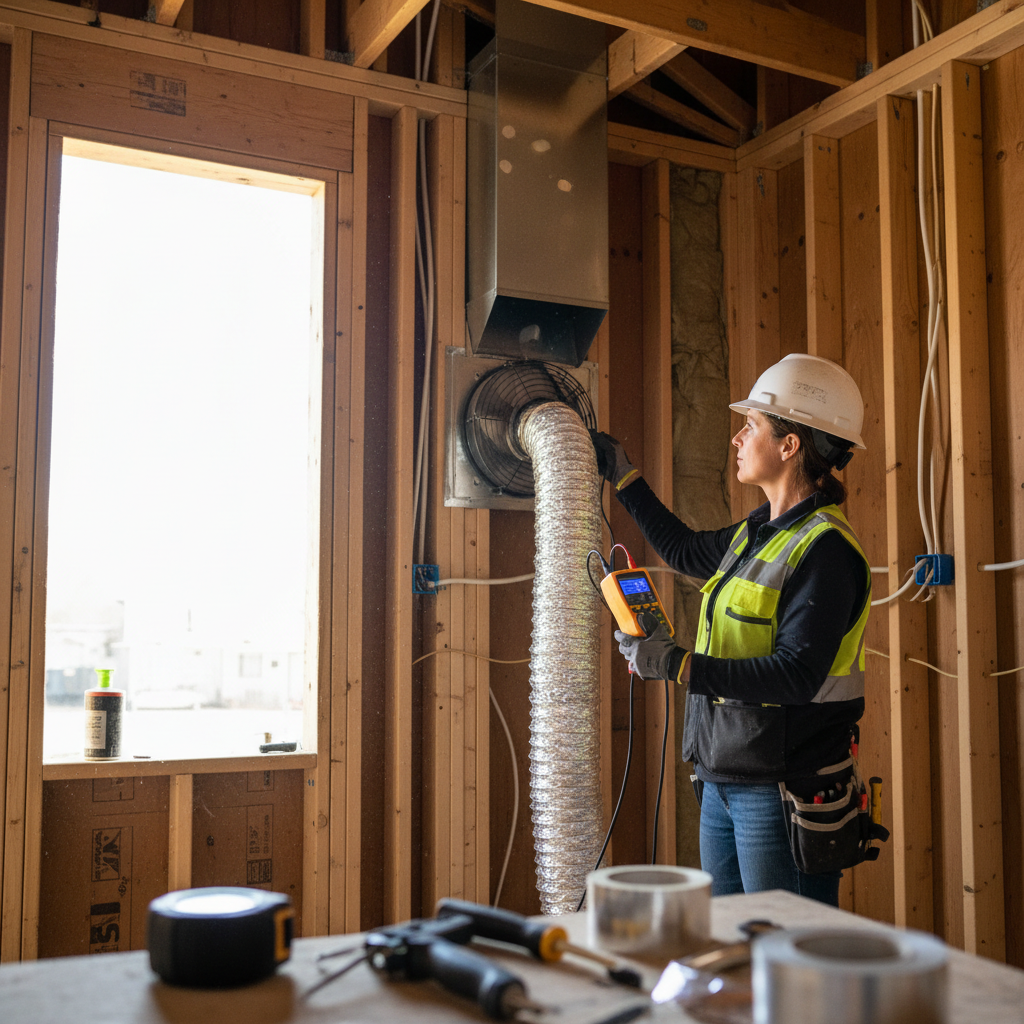
This test measures how much air escapes from your ADU's heating and cooling ductwork. Leaky ducts can waste a significant amount of energy, sending conditioned air into unconditioned spaces (like attics or crawl spaces) instead of into your living areas.
- How it works: The HERS Rater seals all supply and return registers, then attaches a specialized fan to the duct system, pressurizing it. A manometer measures the pressure and airflow to determine the leakage rate.
- When it happens: Typically performed during the rough-in phase, after ducts are installed but before drywall, allowing for easier repairs if leaks are found. A final test may be required after drywall.
2. Blower Door Test (Building Envelope Leakage)
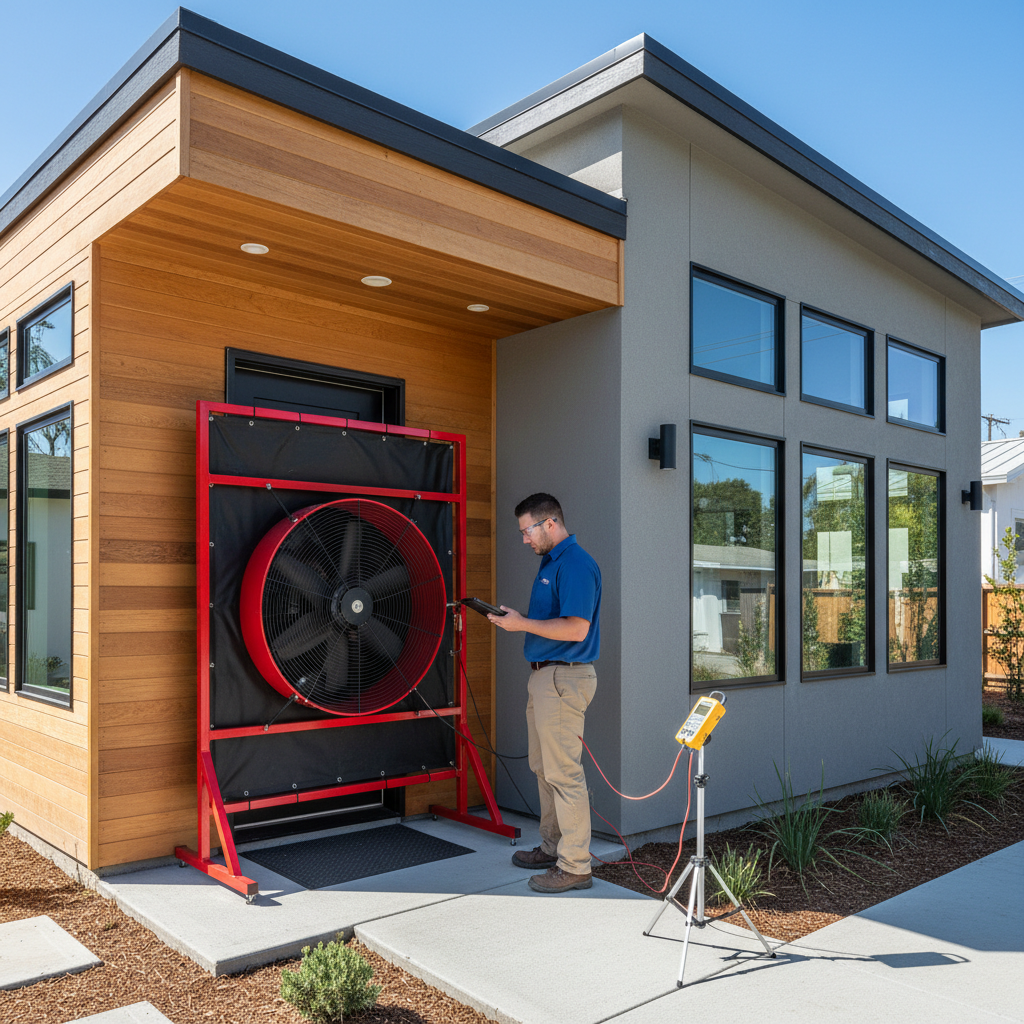
The blower door test measures the overall airtightness of the ADU's building envelope – its walls, ceiling, and floor. Air leaks can lead to drafts, heat loss/gain, and reduced comfort.
- How it works: A large fan is mounted in an exterior doorway, depressurizing the ADU. The fan's flow rate and the resulting pressure difference measure the amount of air leakage through cracks, gaps, and penetrations in the building's shell.
- When it happens: Usually performed at the final stage of construction, once the ADU is sealed and nearly complete.
3. Refrigerant Charge Verification (HVAC Systems)
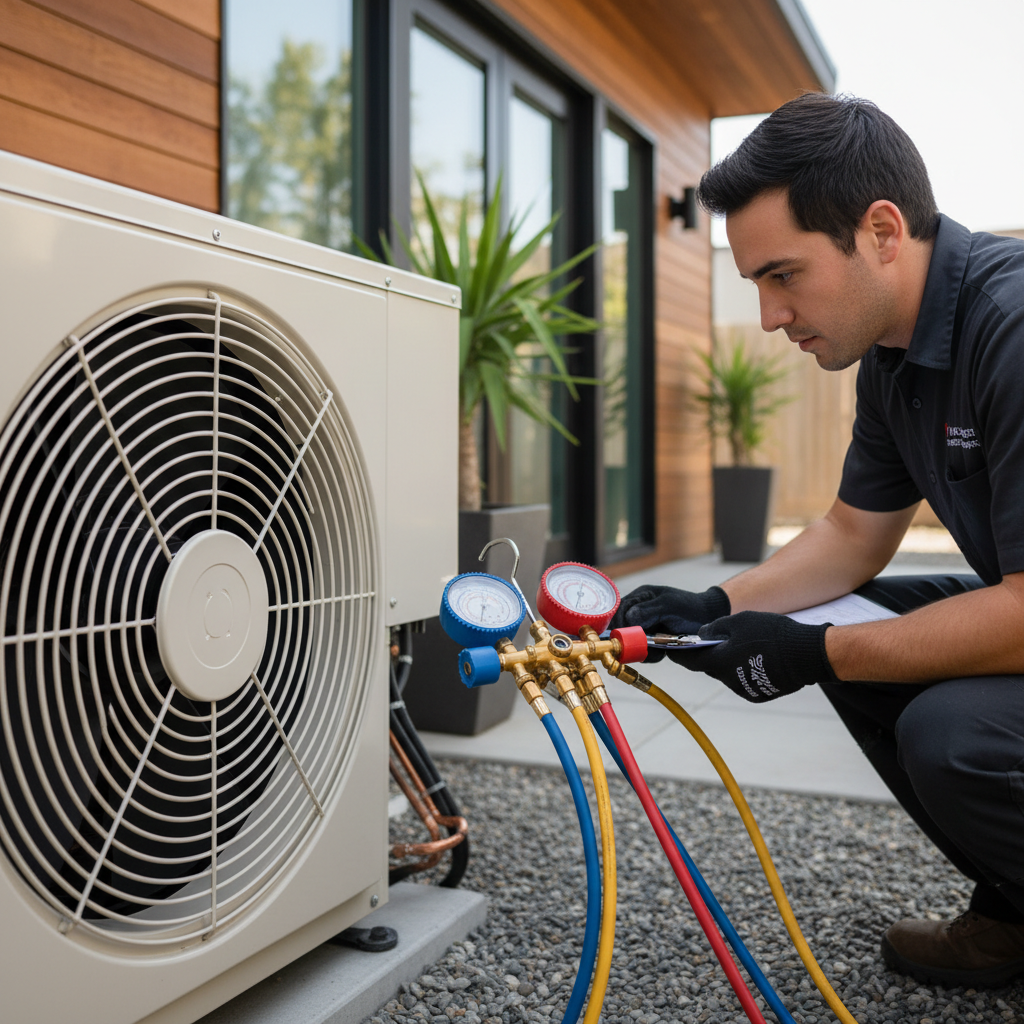
If your ADU includes a new air conditioning or heat pump system, its refrigerant charge must be verified. Improper refrigerant levels can severely reduce efficiency and shorten the lifespan of the unit.
- How it works: The HERS Rater uses specialized gauges to measure the pressure and temperature of the refrigerant lines, ensuring the system has the correct charge as specified by the manufacturer.
- When it happens: After the HVAC system is fully installed and charged.
4. Fan Efficacy (Exhaust Fans)
This test verifies that continuously operating exhaust fans (common in bathrooms or kitchens for ventilation) meet minimum airflow requirements while consuming minimal energy.
- How it works: A flow hood or similar device measures the actual airflow (CFM - cubic feet per minute) of the fan while its energy consumption is assessed.
- When it happens: During the final inspection, with all fans installed and operational.
5. Insulation Installation Verification
The HERS Rater will visually inspect the installation of insulation in walls, ceilings, and floors to ensure it meets the specified R-values and is properly installed without gaps or compression.
- When it happens: During the rough-in phase, before drywall is installed.
Understanding these tests is crucial for any ADU homeowner. To ensure your ADU project meets all California energy standards without headaches, consider partnering with a trusted builder. Schedule a free consultation with GatherADU to discuss how we integrate HERS compliance seamlessly into our design and build process.
The HERS Process During ADU Construction: What to Expect
The HERS testing process isn't a single event; it's integrated throughout your ADU's construction lifecycle:
1. Design & Permitting Phase
Even before construction begins, HERS plays a role. Your ADU's plans will include energy calculations (often called Title 24 reports) performed by an energy consultant. These reports specify the energy efficiency measures and HERS tests required for your specific project. The HERS Rater is often identified at this stage.
2. Pre-Drywall (Rough-in) Inspections
This is a critical stage for many HERS tests. The HERS Rater will visit the site to perform tests like duct leakage and insulation verification. It's essential that these tests are passed before insulation is covered by drywall, as failing them would necessitate costly and time-consuming rework.
3. Final Inspections
Once your ADU is substantially complete, the HERS Rater will return for final tests, including the blower door test, refrigerant charge verification, and fan efficacy. They will verify that all energy-related components are installed and operating correctly.
4. HERS Verification & Certificate
Upon successful completion of all required tests, the HERS Rater will issue a certificate of compliance. This document is essential for obtaining final approval from your local building department.
Benefits of a Smooth HERS Process for ADU Owners
- Faster Permitting & Occupancy: Passing HERS tests efficiently means fewer delays in getting your final inspection and certificate of occupancy.
- Guaranteed Energy Performance: You gain peace of mind knowing your ADU is truly energy-efficient, translating to lower utility bills and a more comfortable living environment.
- Reduced Rework & Costs: A builder who understands HERS requirements and plans for them from the start minimizes the chance of needing expensive fixes later.
- Increased Property Value: An ADU with verified energy performance is a more attractive and valuable asset, whether you plan to rent it out or sell your property.
Common Challenges and How GatherADU Mitigates Them
While HERS testing is beneficial, it can present challenges if not managed properly:
- Failure to Pass Tests: This is the biggest concern, leading to delays and additional costs for repairs and retesting. Common culprits include poorly sealed ducts, inadequate insulation, or leaky building envelopes.
- Coordination Issues: Scheduling the HERS Rater at the correct stages, alongside other trades, requires careful project management.
- Lack of Understanding: If the builder or subcontractors aren't familiar with HERS requirements, mistakes can be made during construction that impact test results.
At GatherADU, we proactively address these challenges:
- Integrated Design: Our designs are optimized from the start for Title 24 compliance, incorporating energy-efficient features.
- Experienced Team: Our construction teams are well-versed in HERS requirements and best practices for sealing, insulating, and installing HVAC systems correctly the first time.
- Dedicated Project Management: We manage the HERS Rater's schedule and ensure they have access to the site when needed, streamlining the verification process.
- Quality Assurance: We build with quality materials and craftsmanship, significantly reducing the likelihood of failing HERS tests.
Our commitment to quality and efficiency means a smoother construction journey for you, and an ADU that performs exceptionally well. Learn more about our seamless ADU building process and how we handle all aspects of compliance by requesting a free ADU consultation.
Conclusion
HERS testing for ADUs is more than just a regulatory hurdle; it's a vital process that ensures your new backyard home is built to the highest standards of energy efficiency, comfort, and sustainability. Understanding what HERS testing entails and what to expect during construction empowers you to make informed decisions and appreciate the value it adds to your investment.
By partnering with an experienced ADU builder like GatherADU, you can rest assured that your project will not only meet but often exceed California's stringent energy requirements. We handle the complexities of HERS compliance so you can focus on enjoying your beautiful, energy-efficient new ADU.
Ready to build an ADU that's efficient, compliant, and perfectly suited to your needs? Book your free ADU consultation with GatherADU today and take the first step towards your dream backyard home.