When you hear "400 square feet," it's hard to picture what that actually means. Is it tiny? Cozy? Surprisingly spacious? The truth is that 400 square feet can feel like any of these depending on how the space is designed, and until you've lived in or walked through a well-planned small space, the numbers are pretty abstract.
If you're considering a studio ADU, a compact guest house, or just trying to understand whether 400 square feet is enough for your needs, let me help you visualize what this amount of space actually looks like in the real world.
Putting 400 Square Feet in Perspective
Numbers are easier to understand when you can compare them to things you already know. Here are some reference points:
A standard two-car garage is about 400 square feet (20 feet by 20 feet). If you've ever stood in an empty garage, you have a good sense of this footprint.
A hotel room typically ranges from 250 to 400 square feet for a standard room. The nicer suites you've stayed in at decent hotels are often right around this size.
A studio apartment in a major city averages 400 to 500 square feet. If you've lived in or visited a studio in San Francisco, New York, or Los Angeles, you've experienced this scale.
Twenty feet by twenty feet is a perfect square at 400 square feet. That's roughly the size of a large living room in a traditional home.
A shipping container is about 320 square feet for a 40-foot container. So 400 square feet is a bit larger than the container homes you might have seen featured in design magazines.
| Reference Point | Approximate Size |
|---|---|
| Two-car garage | 400 sq ft (20' x 20') |
| Standard hotel room | 300-400 sq ft |
| Urban studio apartment | 400-500 sq ft |
| 40-foot shipping container | 320 sq ft |
| Large master bedroom | 250-400 sq ft |
What Can You Fit in 400 Square Feet?
Here's the practical question: what actually fits in this space? The answer is more than you might think, but it requires smart planning.
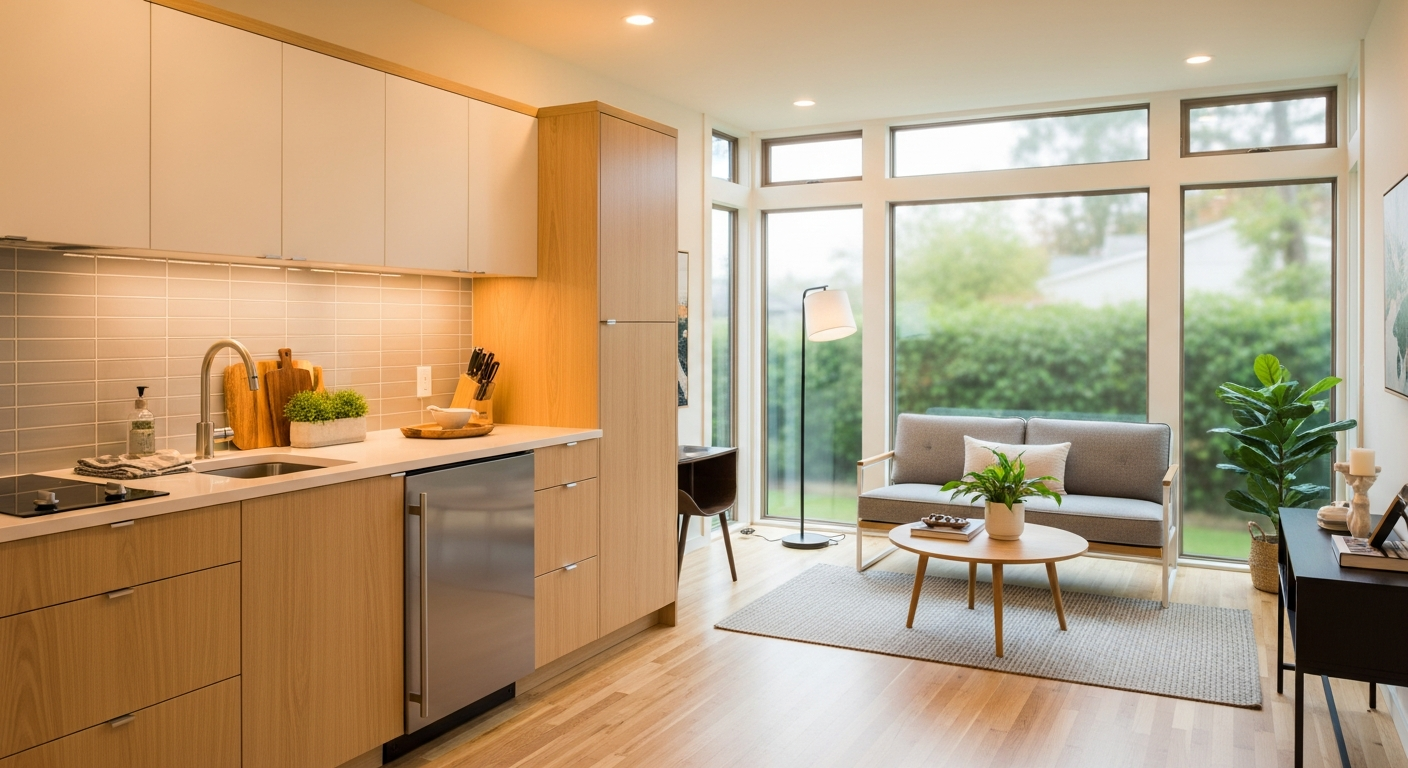
A well-designed 400 square foot ADU typically includes:
- A full kitchen with standard appliances, counter space, and storage
- A full bathroom with shower, toilet, and sink
- A sleeping area that can accommodate a queen or king bed
- A living area with seating for two or three people
- A small dining area, often combined with the kitchen counter
- Closet storage
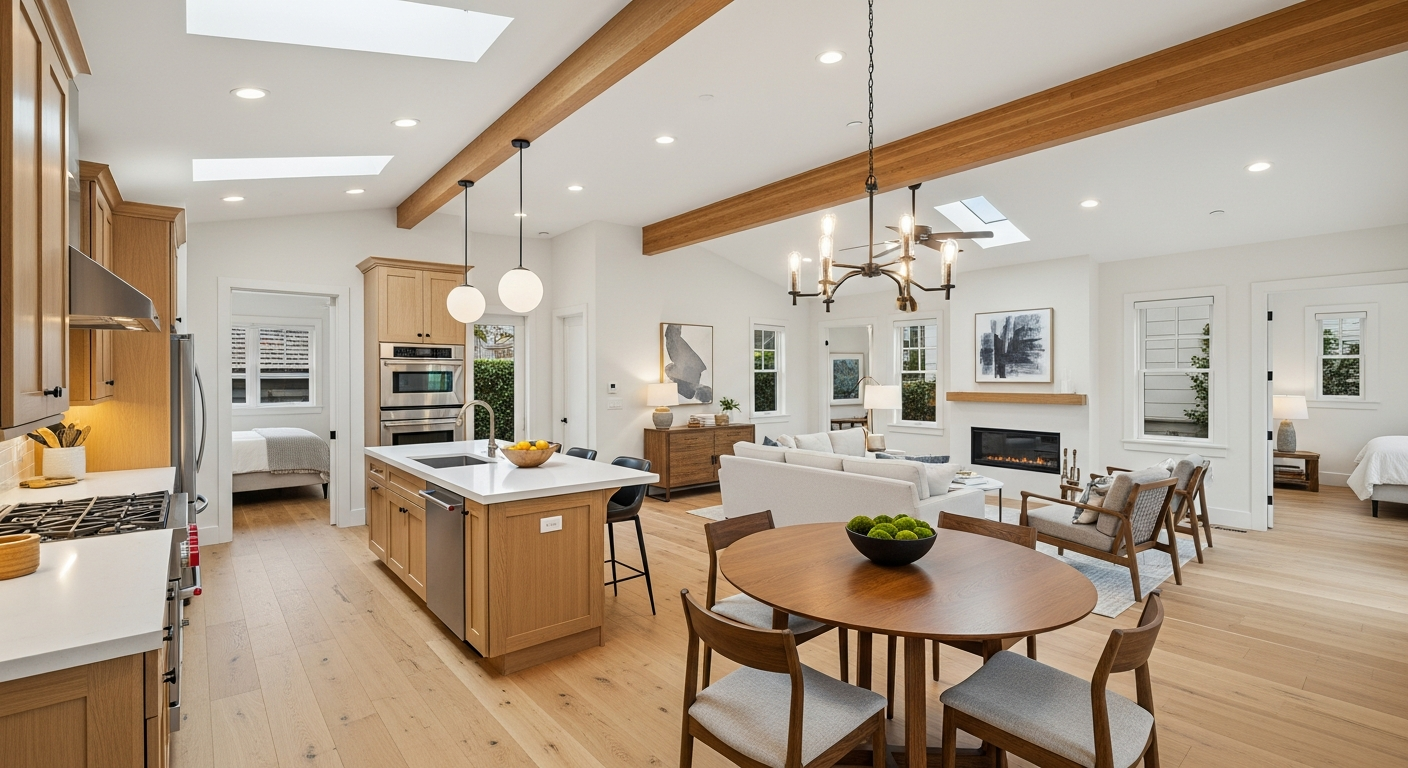
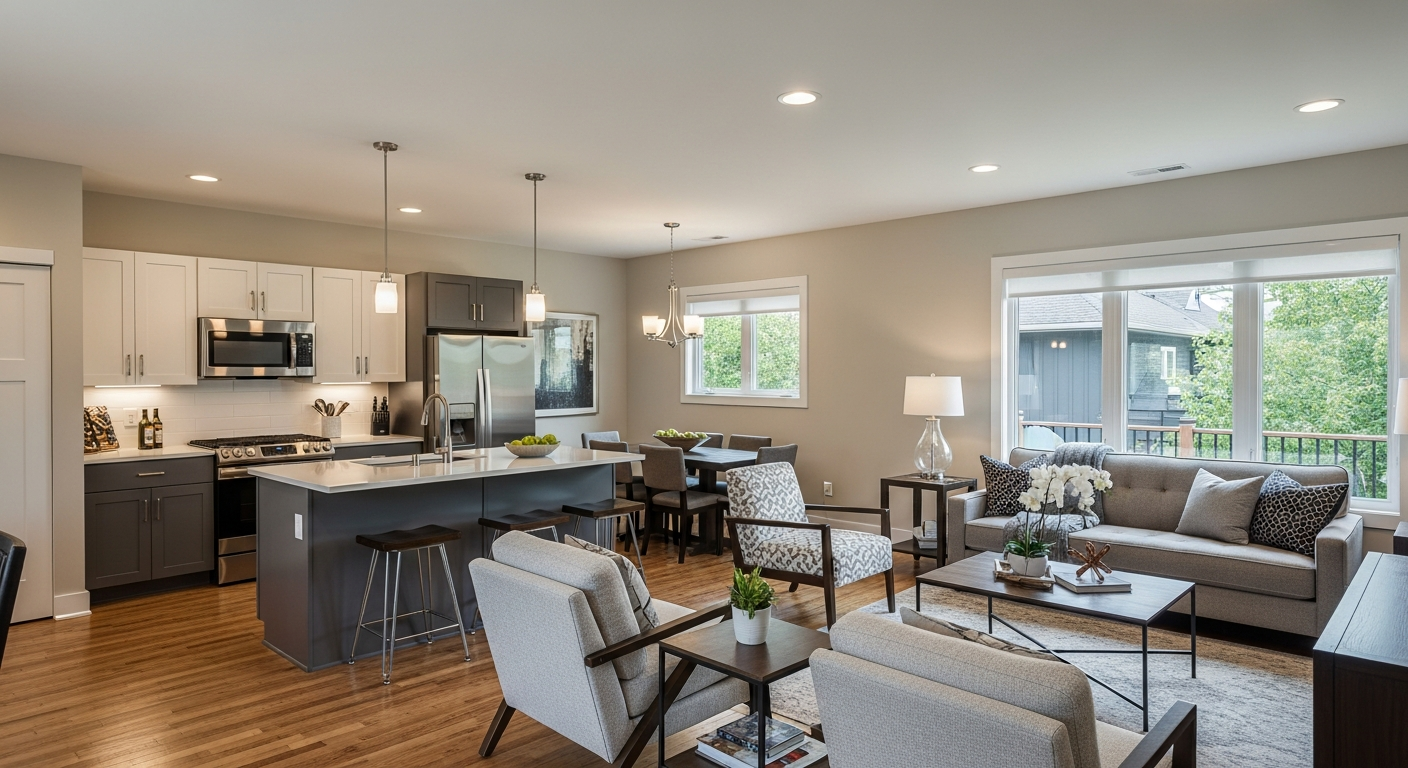
The key word is "combined." At this size, spaces serve multiple purposes. Your kitchen island might include bar seating that functions as your dining table. Your living area might be part of the same room as your sleeping area. Everything connects rather than being walled off into separate rooms.
This isn't cramped living. It's intentional, efficient living. Many people who move into well-designed small spaces report feeling liberated rather than constrained. There's less to clean, less to maintain, less unnecessary stuff accumulating.
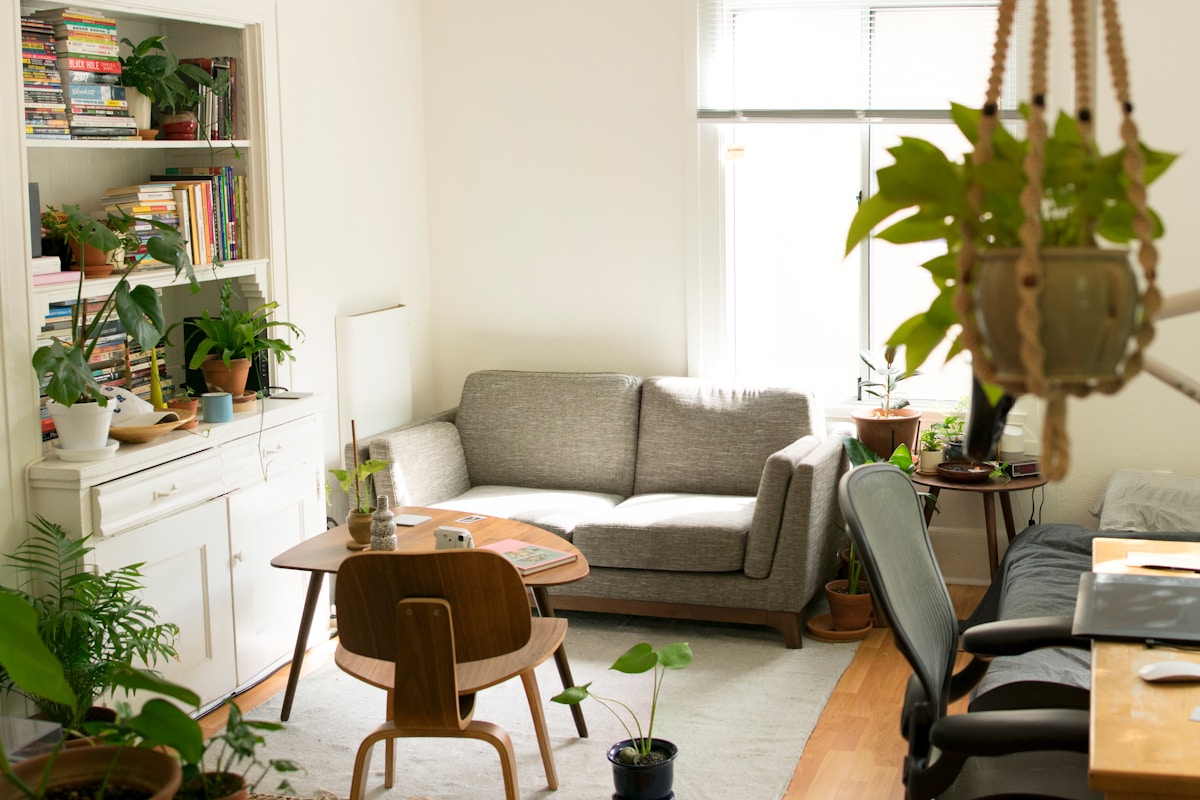
Floor Plan Layouts for 400 Square Feet
There are several common approaches to laying out a 400 square foot space. The right choice depends on your priorities and the shape of your lot.
The Open Studio
This is the simplest layout: one main room with the kitchen along one wall, bathroom tucked into a corner, and the remaining space serving as combined living and sleeping area. No interior walls except around the bathroom.
Pros: Maximum openness and flexibility. Natural light reaches everywhere. Feels larger than it is.
Cons: No privacy within the unit. The bed is always visible. Some people find this too exposed.
Best for: Singles or couples who don't need separation between sleeping and living areas.
The Defined Bedroom
This layout uses a partial wall or built-in storage unit to create a distinct sleeping area without fully closing it off. You can see into the bedroom from the living area, but the bed feels like it has its own space.
Pros: Some visual separation while maintaining openness. The bedroom feels intentional rather than like a bed sitting in a living room.
Cons: Still no complete privacy. Sound travels throughout the unit.
Best for: People who want a sense of separation without sacrificing the open feel.
The Separate Bedroom
At 400 square feet, you can actually have a small separate bedroom if you're willing to keep everything compact. A 10x10 bedroom (100 square feet) leaves 300 square feet for kitchen, bathroom, and living areas.
Pros: True privacy. Guests can visit without seeing your unmade bed. Better for couples with different schedules.
Cons: Each individual room feels smaller. Less flexibility in furniture arrangement.
Best for: People who prioritize privacy over openness, or those who might use the bedroom as a home office during the day.
Design Tricks That Make 400 Square Feet Feel Bigger
Professional designers use specific techniques to make small spaces feel larger than their measurements suggest.
Maximize Vertical Space
When floor space is limited, look up. Tall ceilings create a sense of volume even in a small footprint. If your ADU can have 10-foot ceilings instead of 8-foot ceilings, the same floor area will feel dramatically more spacious.
Use that vertical space functionally too. Tall cabinets that reach the ceiling provide storage that doesn't eat into floor area. Loft spaces for sleeping or storage can effectively increase usable square footage.
Let Light Flow
Natural light makes spaces feel larger and more pleasant. Large windows, glass doors, and skylights all help. The connection to the outdoors extends the perceived space beyond the walls.
For privacy, consider clerestory windows near the ceiling or frosted glass in bathrooms rather than small or blocked-out windows.
Choose Furniture Wisely
In a 400 square foot space, every piece of furniture matters. Choose pieces that serve multiple purposes: a sofa that becomes a bed, a coffee table with storage inside, a dining table that folds against the wall.
Scale is important too. Oversized furniture crowds a small space. Choose pieces proportioned for the room, even if they're smaller than what you'd put in a larger home.
Use Consistent Flooring
Different flooring in different areas visually breaks up a small space, making each section feel even smaller. One consistent flooring material throughout makes the whole space read as a unified whole.
Minimize Visual Clutter
Clutter shrinks a space faster than anything else. Built-in storage that hides belongings behind doors keeps the space feeling clean and open. Hooks and organizers that give everything a home prevent the accumulation that makes small spaces feel cramped.
Who Lives Well in 400 Square Feet?
This size works particularly well for certain lifestyles and situations.
Single professionals who spend most of their waking hours at work or out and about often find 400 square feet perfectly adequate. The space is a place to sleep, eat breakfast, and relax in the evenings. They don't need room for a home office or extensive entertaining.
Couples without children can live comfortably in 400 square feet if both partners are comfortable with closeness and the relationship is solid. It helps if at least one person has somewhere else to work during the day.
Students and young adults are often accustomed to small living spaces like dorm rooms or shared apartments. A 400 square foot studio of their own can feel like a luxury.
Retirees downsizing sometimes find that after decades in larger homes, they don't actually need or want all that space. A compact, efficient living situation close to family or in a desirable location can be exactly what they're looking for.
Second residents using the space part-time, whether as a home office, guest house, or vacation rental, don't need full-time living amenities. 400 square feet is plenty for occasional use.
400 Square Foot ADUs in Practice
For ADU projects, 400 square feet is a popular sweet spot. It's large enough to include a full kitchen and bathroom, meeting California's requirements for a legal ADU. It's small enough to keep construction costs manageable and to fit on properties where larger units wouldn't work.
From a rental perspective, 400 square foot studio ADUs in Los Angeles typically rent for $1,500 to $2,200 per month depending on location and finishes. That's significant income from a modest footprint.
The cost to build a 400 square foot ADU ranges from about $120,000 to $200,000 in Southern California, depending on whether you're doing new construction or a garage conversion, and what level of finishes you choose.
Considering a Compact ADU?
We can help you explore floor plan options that maximize every square foot while creating comfortable, livable space.
Call us at (323) 591-3717 or schedule a free consultation to discuss what's possible on your property.
Is 400 Square Feet Right for Your Project?
The answer depends on who will use the space and how.
For a studio rental unit targeting single tenants, 400 square feet is excellent. You can create a complete, appealing living space at lower cost than larger units.
For housing a family member long-term, consider whether they'll be comfortable in a studio layout. An aging parent might do fine. An adult child with a partner and work-from-home job might feel cramped.
For guest quarters used occasionally, 400 square feet is plenty. Guests don't need the space and storage that full-time residents require.
For a home office or studio that might occasionally host overnight guests, this size works beautifully. It's large enough to be a complete living space when needed, but not so large that it feels empty when used primarily as a workspace.
If you have the budget and lot space for something larger, there's nothing wrong with building bigger. But don't dismiss 400 square feet as too small until you've really explored what's possible with smart design. Many people living in well-designed compact spaces wouldn't trade them for anything larger.
Sources cited:
- National Apartment Association. (2023). "Average Apartment Size by City."
- Urban Land Institute. (2022). "The Macro View on Micro Units."