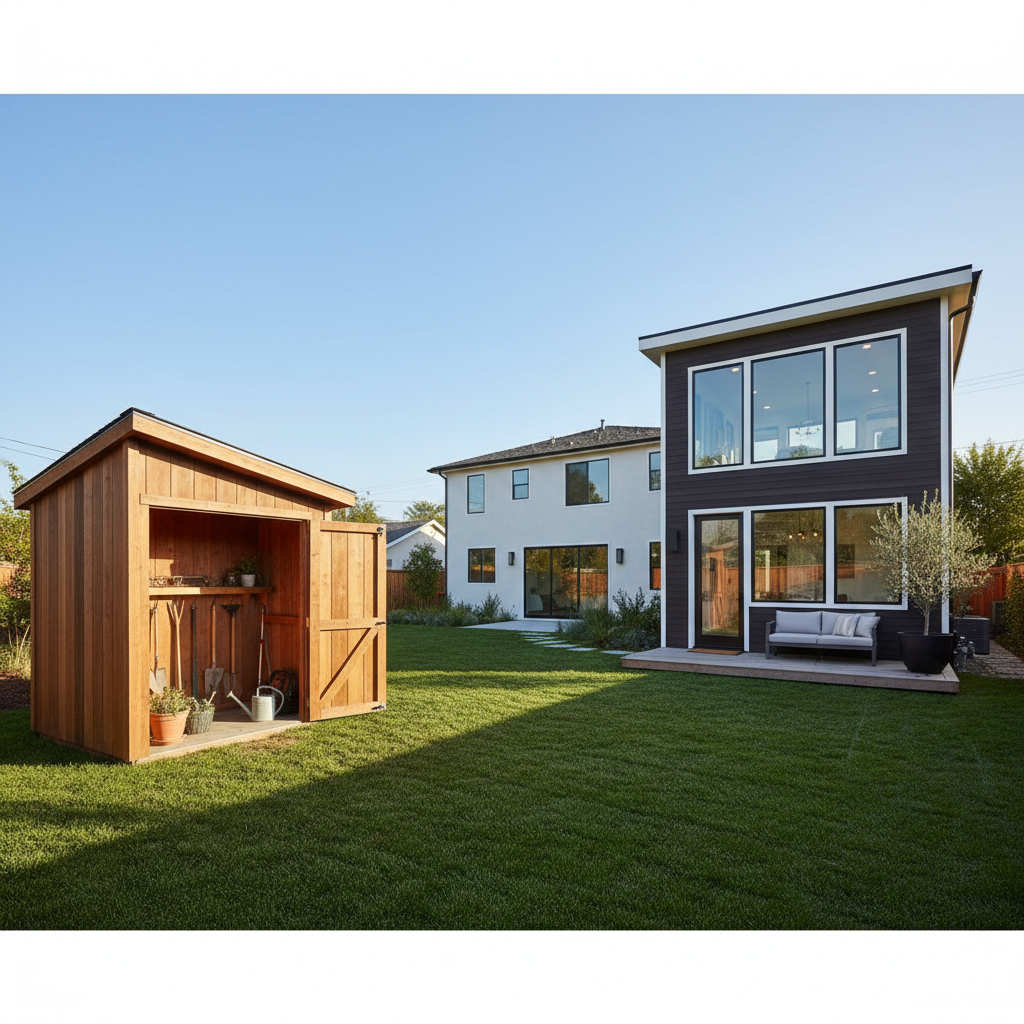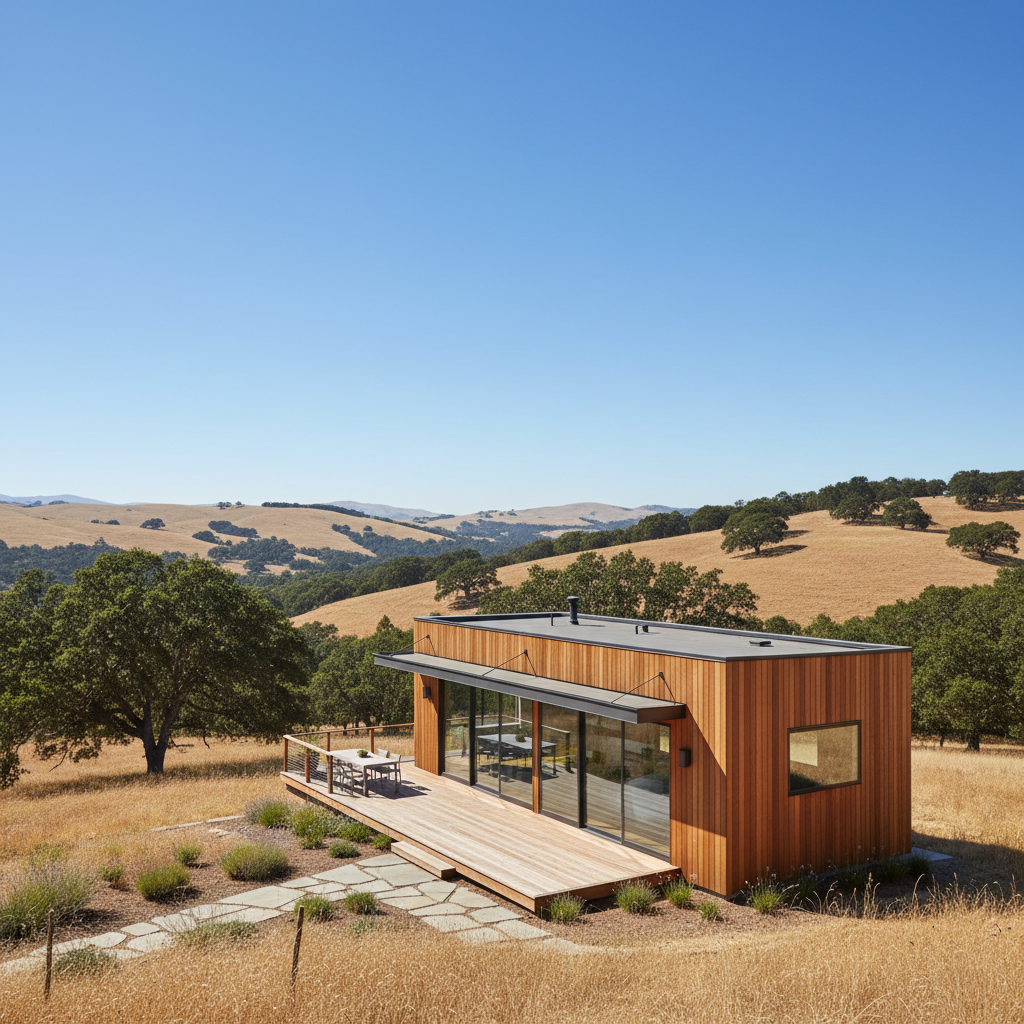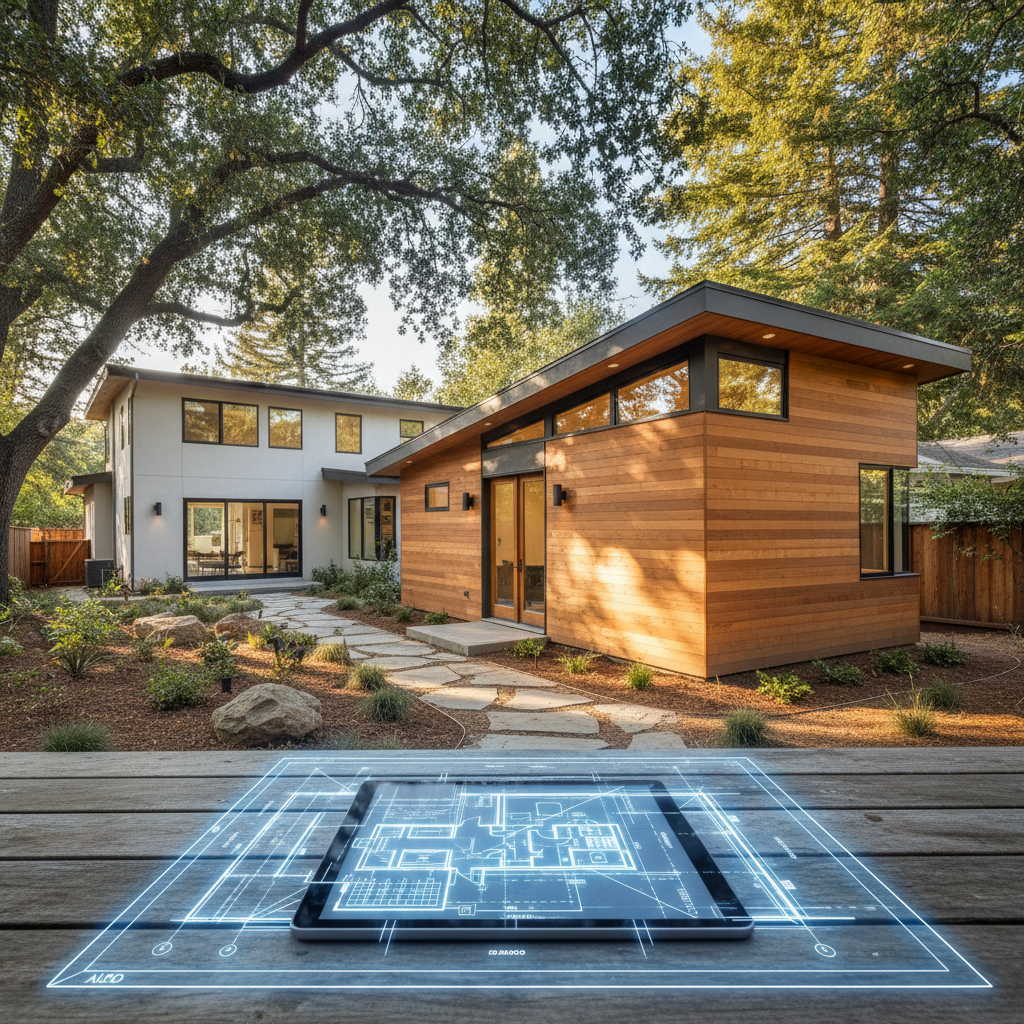
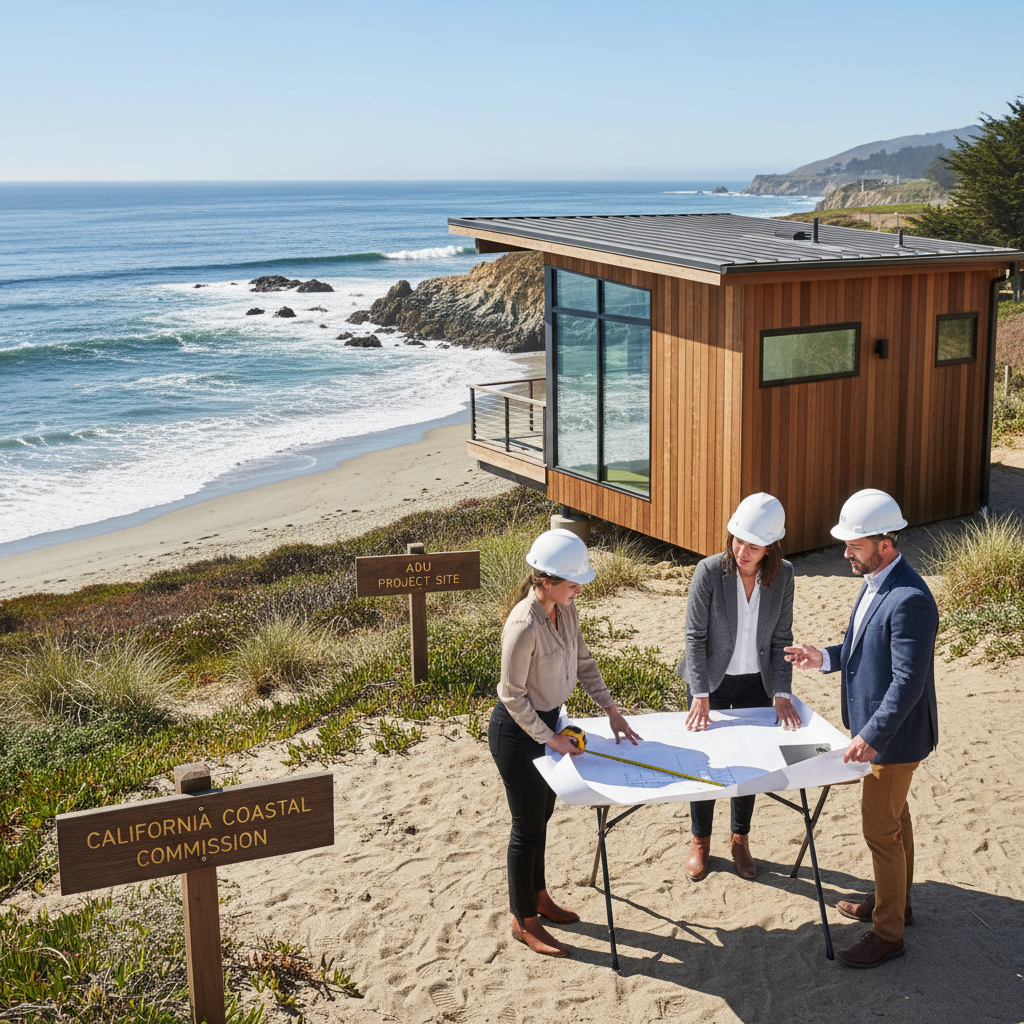
California's coastline is a national treasure, renowned for its breathtaking beauty, diverse ecosystems, and vibrant communities. For many homeowners in these coveted areas, adding an Accessory Dwelling Unit (ADU) offers a fantastic opportunity to enhance property value, provide housing for family, or generate rental income. However, building an ADU within the Golden State's unique coastal zone introduces a significant layer of regulatory complexity: the California Coastal Commission ADU projects.
Understanding the role of the California Coastal Commission (CCC) is not just about avoiding roadblocks; it's about successfully integrating your ADU into a sensitive environment while navigating a precise legal framework. This comprehensive guide will demystify the CCC's influence on ADU development, outline what you need to know, and help you prepare for a successful project.
What is the California Coastal Commission (CCC)?
Established by the California Coastal Act of 1976, the California Coastal Commission is a state agency charged with protecting and enhancing California's coastal resources and ensuring public access to the coast. Its mission is broad, encompassing:
- Protecting coastal ecosystems: Safeguarding wetlands, marine life, and sensitive habitats.
- Managing coastal development: Ensuring that new construction is environmentally sound and consistent with the Coastal Act.
- Preserving public access: Maintaining and enhancing opportunities for the public to reach and enjoy the coast.
- Protecting scenic and visual qualities: Preventing development that detracts from the natural beauty of the coastline.
Essentially, the CCC acts as the primary guardian of California's 1,100 miles of coastline, wielding significant authority over virtually all development within the designated Coastal Zone.
The California Coastal Zone: Where Does It Apply?
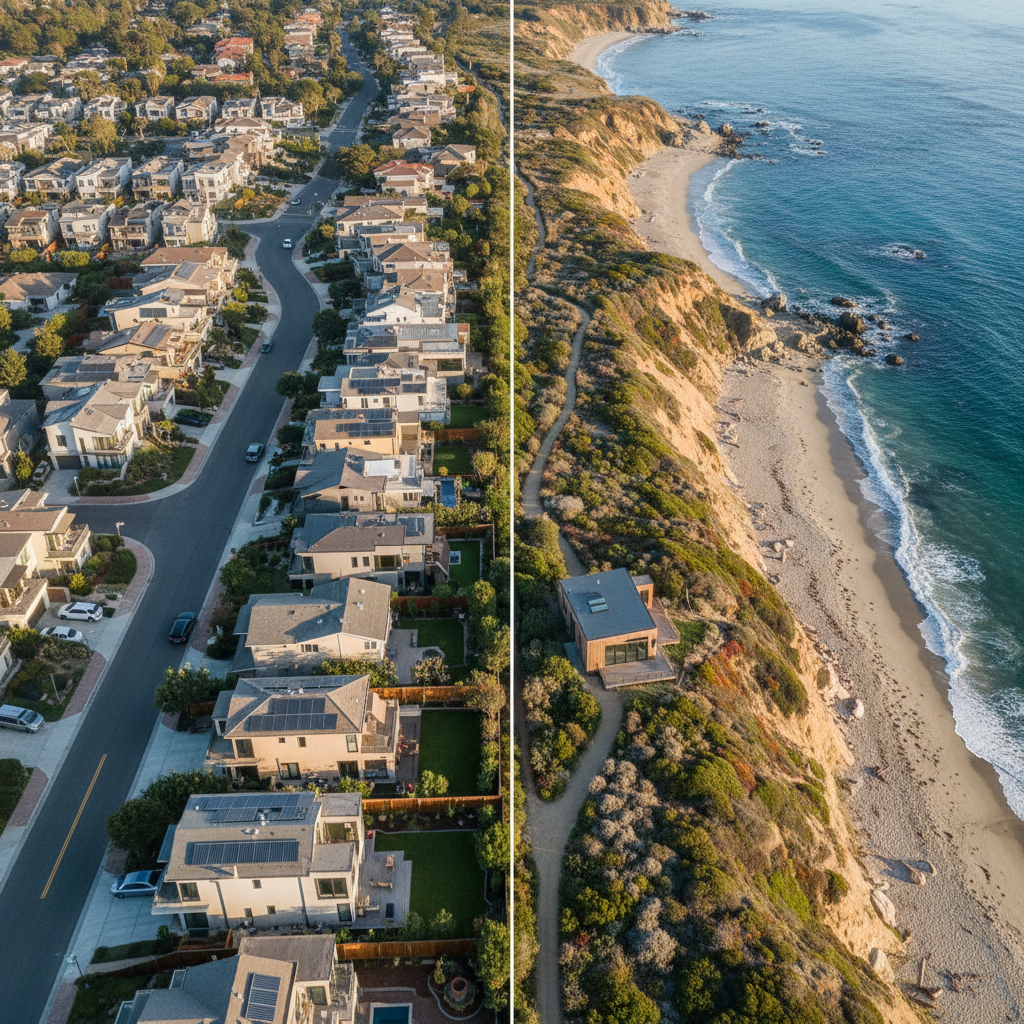
The Coastal Zone is not a uniform strip. While it generally extends 1,000 yards (about two-thirds of a mile) inland from the mean high tide line, its boundaries can vary significantly. In some urban areas, it might be only a few blocks wide; in rural areas or near significant estuaries, it can extend several miles inland. It also includes all offshore islands and a three-mile-wide band of ocean.
The first step for any homeowner considering an ADU project is to determine if their property falls within this zone. This can usually be done by consulting your local city or county planning department's zoning maps.
Why the CCC Matters for Your ADU Project
The CCC's jurisdiction means that even seemingly straightforward ADU projects can become complex. While state laws have significantly streamlined ADU development across California, the Coastal Act provides an overarching framework that can introduce additional requirements and review processes. For California Coastal Commission ADU projects, the primary concerns are:
- Environmental Impact: How will the ADU affect sensitive habitats, water quality, or erosion?
- Public Access: Does the ADU impede public views or access to the coast?
- Visual Character: Is the ADU consistent with the scenic qualities and existing character of the coastal community?
- Infrastructure Capacity: Can existing water, sewer, and road systems support the increased density?
Local Coastal Programs (LCPs): The Bridge Between State and Local
While the CCC sets the statewide policy, the day-to-day implementation of the Coastal Act is often carried out through Local Coastal Programs (LCPs). An LCP is a planning document developed by a local city or county government and certified by the Coastal Commission. It consists of a Land Use Plan (LUP) and an Implementation Plan (IP).
- Land Use Plan (LUP): Details the types, locations, and intensities of land uses permitted in the coastal zone, along with resource protection policies.
- Implementation Plan (IP): Contains zoning ordinances, zoning district maps, and other regulations to implement the LUP.
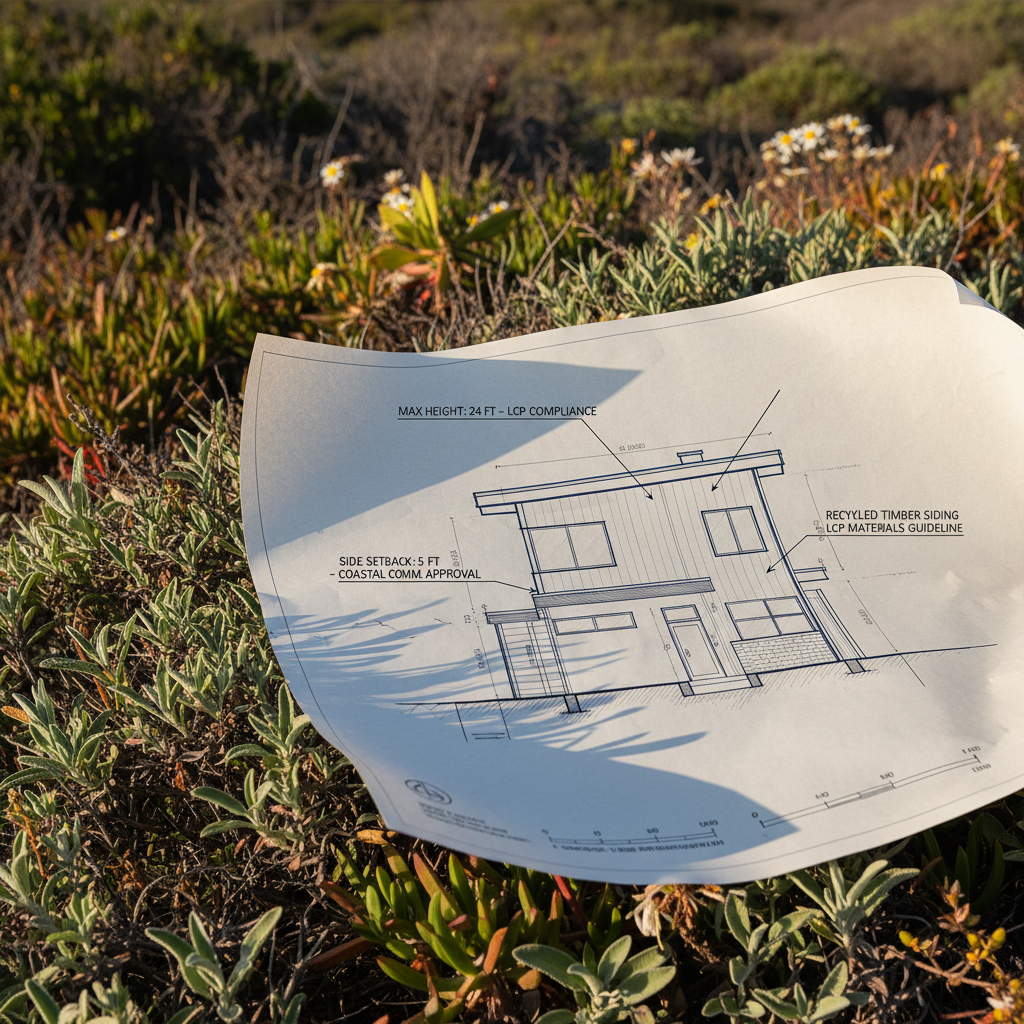
For homeowners, your LCP is the primary document governing ADU development in your specific coastal jurisdiction. It will outline specific requirements for setbacks, height, density, design, and environmental protection that may go beyond typical statewide ADU regulations. These local variations are crucial to understand.
Coastal Development Permits (CDPs) and ADUs
One of the most significant implications of the Coastal Zone is the potential requirement for a Coastal Development Permit (CDP). A CDP is a separate permit from your standard building permits and is required for most new construction or significant alterations within the Coastal Zone, unless an exemption applies.
When is a CDP required for an ADU?
- If your property is within the Coastal Zone and your local government has a certified LCP, the CDP will typically be issued by the local planning department.
- If your property is in an area without a certified LCP (known as a 'deferred certification' area or 'original jurisdiction' area), or if the project falls under specific circumstances, the CDP application must be submitted directly to the California Coastal Commission.
- Even with state ADU streamlining laws, LCPs often retain the ability to require a CDP for ADUs to ensure consistency with Coastal Act policies, particularly concerning environmental protection, public access, and visual impacts.
The CDP application process can be more rigorous than standard building permits, often involving detailed environmental reviews, public hearings, and potential appeals to the Coastal Commission. This added layer of review can extend project timelines and increase costs.
Key Considerations for ADU Projects in the Coastal Zone
If your property is in the Coastal Zone, be prepared to address these critical aspects:
-
Environmental Sensitivity: Your property may be near wetlands, sensitive habitats, or areas prone to erosion. The design and siting of your ADU must demonstrate minimal environmental impact. This could involve:
- Setbacks from environmentally sensitive areas.
- Limitations on grading or vegetation removal.
- Requirements for specific drainage or stormwater management.
-
Public Access and Visual Impact: The Coastal Act prioritizes public access and scenic protection. Your ADU must not:
- Block public views of the ocean or coastline from public roads or parks.
- Impair existing public accessways to the beach or coast.
- Be incompatible in scale, height, or design with the visual character of the surrounding coastal community.
-
Height, Setbacks, and Design: LCPs often have stricter requirements for building height, setbacks from property lines and the coast, and architectural design to maintain coastal character and minimize visual impact. While state law generally streamlines ADU height and setback rules, LCPs may impose additional review for coastal consistency.
-
Parking Requirements: While state ADU laws generally exempt ADUs from additional parking requirements, the CCC's review process might still consider parking impacts in relation to public access or traffic if not explicitly preempted by state law.
-
Water and Wastewater Infrastructure: Coastal communities often face limitations on water supply and wastewater treatment capacity. Your ADU project may need to demonstrate that it will not unduly burden existing infrastructure or degrade water quality.
-
Geologic Hazards: Many coastal areas are subject to bluff erosion, landslides, or seismic activity. Your ADU must be designed and sited to minimize risks from these hazards, often requiring geotechnical reports and specific foundation designs.

Navigating the Complexities: Your Path to a Coastal ADU
Successfully building an ADU in the Coastal Zone requires careful planning and a proactive approach. Here's how to navigate the process:
-
Early Research: Determine if your property is within the Coastal Zone and obtain a copy of your local jurisdiction's LCP. Understand its specific policies regarding ADUs.
-
Consult Local Planning Department: Your city or county planning department is your first point of contact. They can confirm CDP requirements, outline local LCP policies, and guide you through the initial application steps.
-
Engage Early with GatherADU: To streamline this process and ensure your ADU plans align with both state regulations and local coastal requirements, we highly recommend an early consultation with ADU specialists. Schedule a free ADU consultation with GatherADU to discuss your specific property and project goals.
-
Hire Experienced Professionals: Work with architects, designers, and contractors who have specific experience with Coastal Zone development and LCP requirements. They can help design an ADU that meets both your vision and regulatory standards, and may recommend environmental consultants or geotechnical engineers if needed.
-
Be Prepared for Public Review: CDP applications, especially those requiring Commission review, often involve public hearings. Be ready to present your project and address any concerns raised by the public or Commission staff.
-
Patience is Key: The Coastal Development Permit process can be lengthy, often taking several months to over a year, depending on the project's complexity and location. Factor this into your project timeline.
Understanding these intricate layers of regulation is paramount for a successful coastal ADU project. For personalized guidance on your specific property's potential and challenges within the California Coastal Zone, don't hesitate to get a free ADU project estimate from GatherADU.
State ADU Laws vs. Local Coastal Programs: A Balancing Act
Recent state legislation (like AB 68, AB 881, SB 9, etc.) has significantly eased ADU development across California by preempting many local ordinances. However, the Coastal Act remains a powerful overarching law. LCPs must conform to both state ADU laws and the Coastal Act. This creates a delicate balancing act where:
- State ADU laws aim to promote housing density and reduce regulatory barriers.
- The Coastal Act aims to protect coastal resources and public access.
In practice, this means that while state laws might reduce minimum lot sizes or increase allowable ADU heights statewide, an LCP can still impose stricter design standards or require a CDP if it can demonstrate that the ADU would adversely impact coastal resources or public access. The CCC often reviews LCP amendments to ensure this balance is maintained.
Conclusion
Building an ADU in California's stunning Coastal Zone offers incredible rewards, but it demands a thorough understanding of the California Coastal Commission's role and the specific requirements of your Local Coastal Program. The process involves more than just standard building permits; it requires navigating environmental regulations, public access policies, and design guidelines aimed at preserving the unique character of our coastline.
While the path to building an ADU in California's Coastal Zone can seem daunting, with the right knowledge and experienced partners, it is entirely achievable. GatherADU specializes in navigating complex regulatory environments, ensuring your dream ADU becomes a reality while respecting California's invaluable coastal resources. Ready to explore the possibilities for your property? Book your free, no-obligation ADU consultation with GatherADU today.