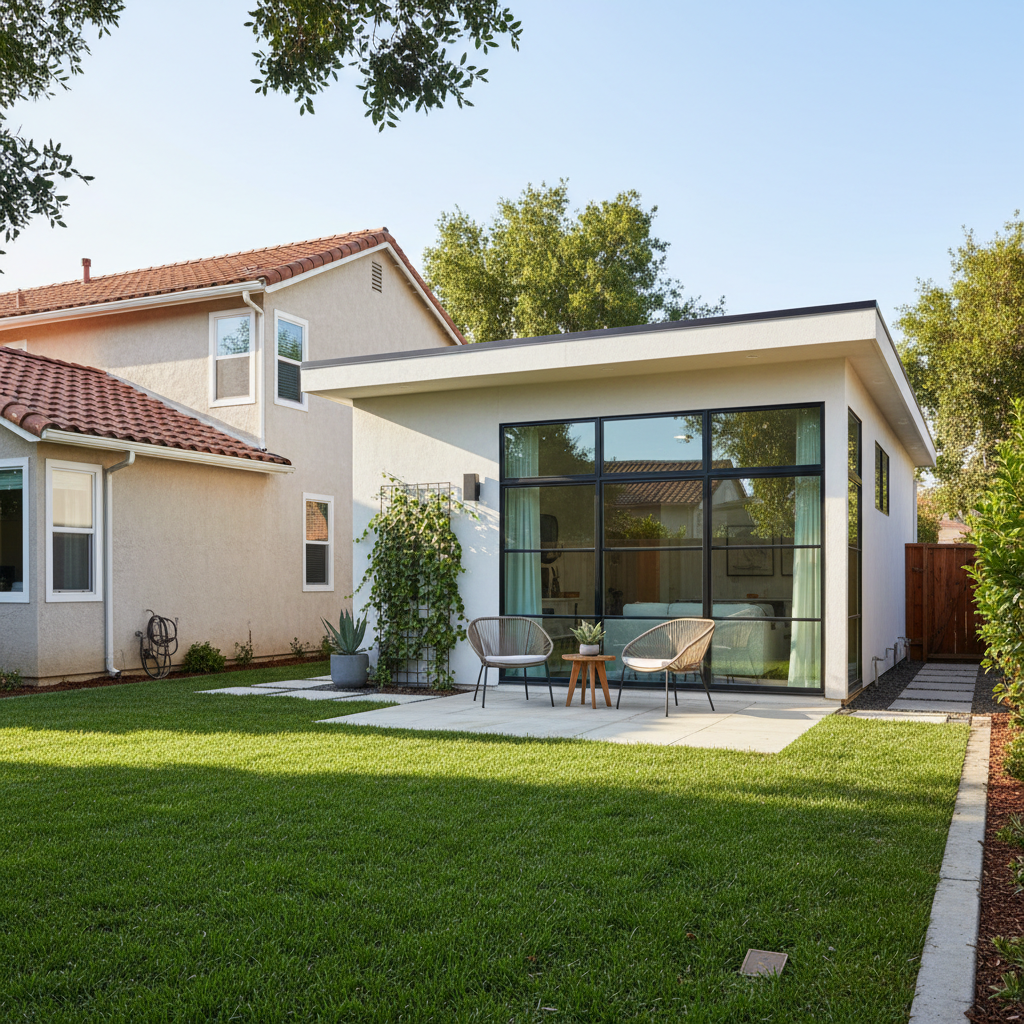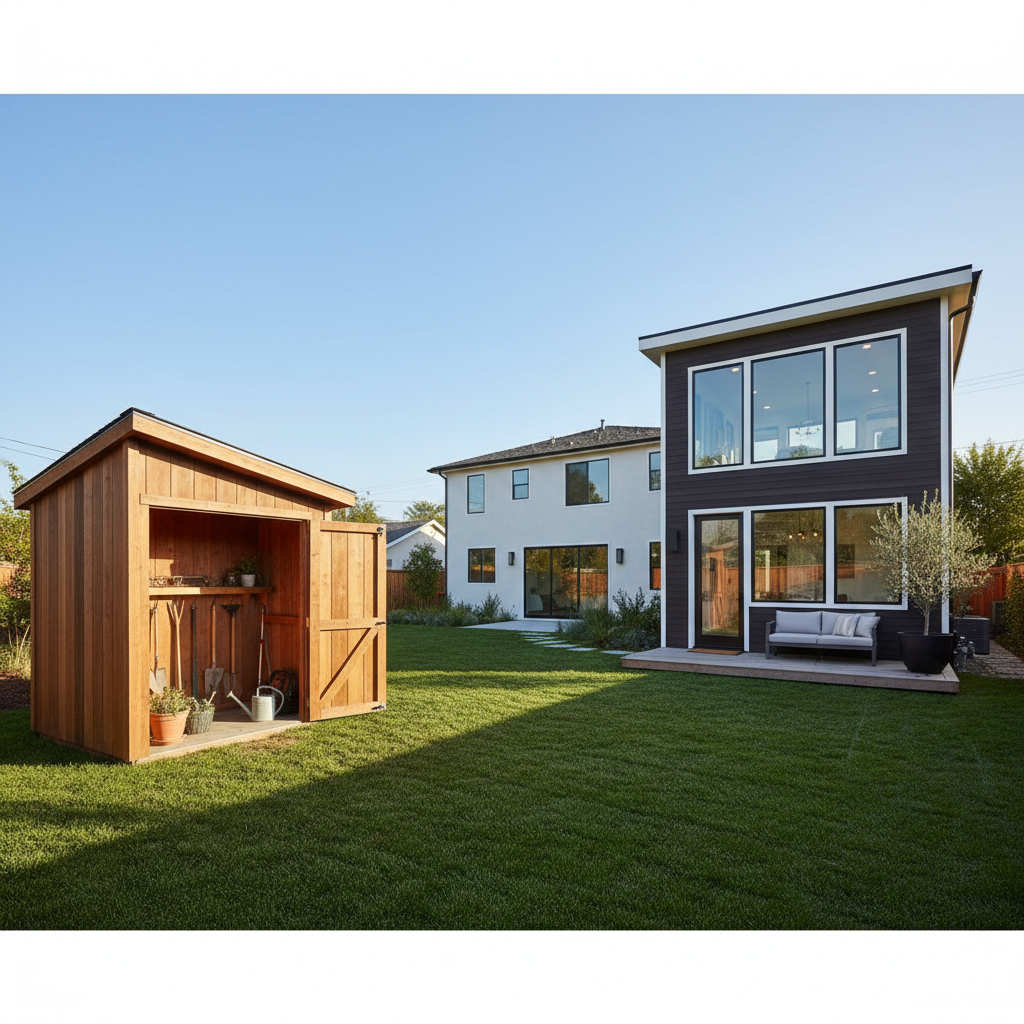
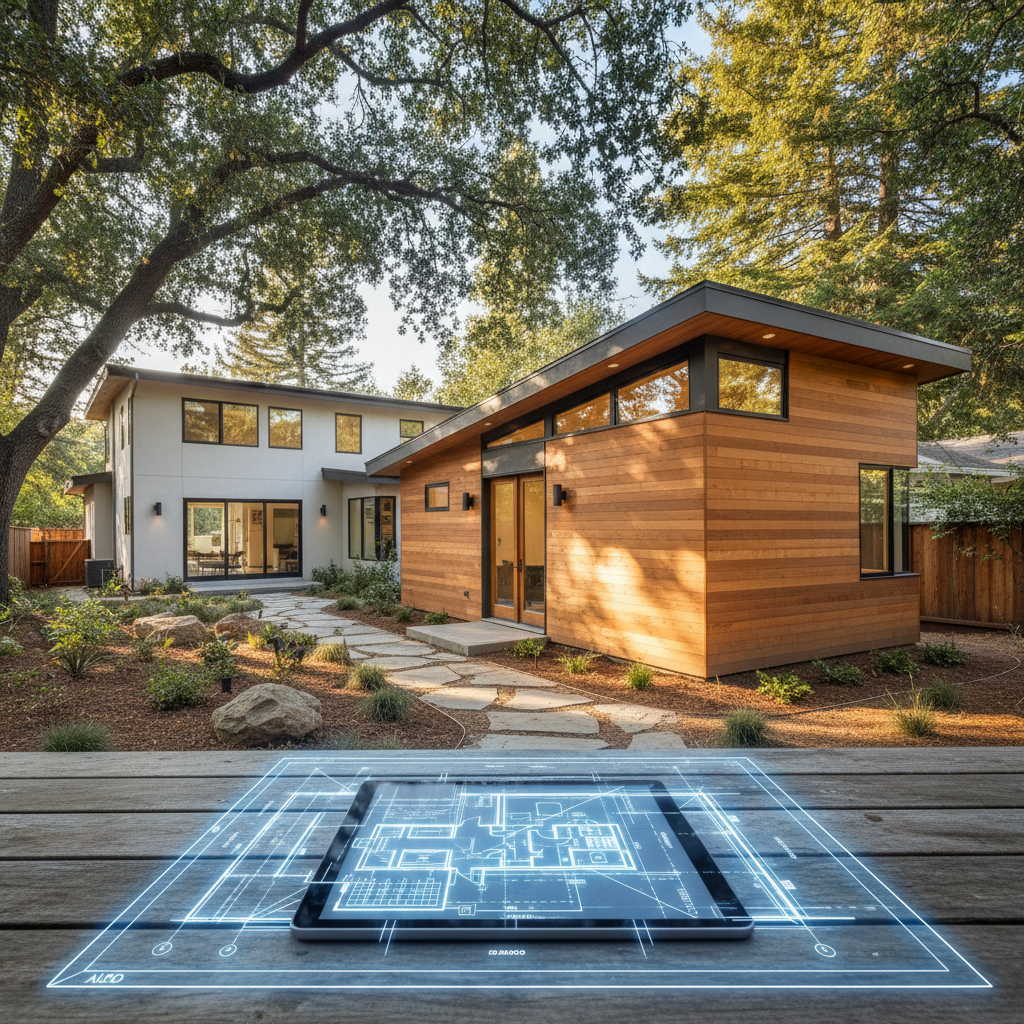
Building an Accessory Dwelling Unit (ADU) in California offers numerous benefits, from increasing housing supply and generating rental income to housing family members. However, navigating the state's regulatory landscape can sometimes feel daunting. One significant area of concern for many homeowners is the California Environmental Quality Act (CEQA).
Fortunately, if you're planning an ADU project in the Golden State, you're likely in luck. Most ADUs in California qualify for a CEQA exemption ADU California projects can leverage, significantly simplifying the approval process. This exemption is a critical component of the state's efforts to encourage ADU construction and alleviate the housing crisis. But what exactly is CEQA, what does an exemption entail, and why do ADUs so often qualify?
Understanding the California Environmental Quality Act (CEQA)
Before diving into exemptions, it's essential to understand CEQA itself. Enacted in 1970, the California Environmental Quality Act (CEQA) is a foundational environmental law in California. Its primary purpose is to:
- Inform public agencies and the public about the potential significant environmental effects of proposed projects.
- Prevent significant, avoidable damage to the environment by requiring changes in projects through the use of alternatives or mitigation measures.
- Disclose to the public the reasons why a project was approved if significant environmental effects are otherwise unavoidable.
In practice, CEQA requires state and local governmental agencies to identify the environmental impacts of their actions and to avoid or mitigate those impacts if feasible. This process typically involves preparing environmental documents, ranging from Initial Studies to more comprehensive Environmental Impact Reports (EIRs), which can be time-consuming and expensive.

What is a CEQA Exemption?
A CEQA exemption is precisely what it sounds like: a project's release from the full environmental review process mandated by CEQA. When a project qualifies for an exemption, it means the lead agency (usually the local city or county planning department) determines that the project does not require an Initial Study or an EIR. This determination can be made in a few ways:
1. Statutory Exemptions
These exemptions are explicitly written into state law by the Legislature. If a project meets the criteria defined in a statutory exemption, it is legally exempt from CEQA review. These are powerful tools, as they directly bypass the need for environmental analysis.
2. Categorical Exemptions
These are classes of projects that the Secretary for Resources has determined do not have a significant effect on the environment. The CEQA Guidelines (Title 14, California Code of Regulations, Sections 15300-15333) list numerous categorical exemptions, such as those for minor alterations to land, existing facilities, or small new facilities.
3. Common Sense Exemption (General Rule)
This exemption applies when it can be seen with certainty that there is no possibility that the activity in question may have a significant effect on the environment. It's often used for very minor activities.
For ADUs, the primary and most robust pathway to avoiding extensive CEQA review lies in statutory exemptions, specifically crafted by the state legislature to promote ADU development.
Why ADU Projects Generally Qualify for CEQA Exemption in California
The state of California has proactively addressed the housing crisis by making it easier and faster to build ADUs. A cornerstone of this effort has been to streamline the regulatory process, including providing clear CEQA exemptions for ADUs. Here’s why your ADU project is highly likely to qualify:
State Legislation Mandates Exemption for Most ADUs
California Government Code Section 65852.2, which governs ADUs, has been significantly amended over the years to reduce barriers to their construction. Crucially, it includes provisions that explicitly exempt most ADU projects from CEQA review. Key legislative efforts, such as AB 68, AB 881, and SB 9 (which also facilitates duplexes and lot splits), have reinforced and expanded these exemptions.
Specific Statutory Exemptions for ADUs:
Government Code Section 65852.2(a)(1)(D)(iv) states that an application for a building permit for an ADU or JADU (Junior Accessory Dwelling Unit) is not subject to CEQA if the ADU or JADU conforms to specific criteria, including:
- Located within an existing residential zone: The ADU must be built on a lot that is already zoned for residential use.
- Developed on a lot with an existing or proposed single-family or multi-family dwelling: This covers the vast majority of ADU projects.
- Meets specific size and setback requirements: State law sets maximum sizes (e.g., 850 sq ft for a one-bedroom, 1,000 sq ft for two+ bedrooms) and minimum setbacks (4 feet from side and rear property lines).
- Does not result in adverse environmental impacts: While the goal of CEQA is to prevent significant environmental effects, the legislature has determined that typical ADU projects, by their nature, generally do not pose such impacts when adhering to state standards.
Essentially, if your ADU project meets the state's objective standards for ADU development – which most do – it is statutorily exempt from CEQA. This means local agencies cannot require an environmental review for these projects.
Legislative Intent: Addressing the Housing Crisis
The underlying reason for these exemptions is clear: California's housing shortage. The state legislature views ADUs as a vital tool to increase housing density and affordability without requiring large-scale new infrastructure or significant land conversion. Subjecting every ADU to a full CEQA review would counteract this goal by adding substantial time, cost, and uncertainty to projects. By providing exemptions, the state prioritizes housing production.
Minor Environmental Impact
Most ADUs are small-scale residential additions or conversions. Their environmental footprint, especially when built within existing developed areas and utilizing existing infrastructure (water, sewer, electricity), is generally minimal. The Legislature has acknowledged that the cumulative impact of these small projects, when adhering to state guidelines, does not typically rise to the level of requiring full environmental review.
Understanding these exemptions is crucial for any homeowner considering an ADU. It means your project can move forward without the delays and costs associated with extensive environmental impact studies. If you're ready to explore how a CEQA-exempt ADU can benefit your property, don't hesitate to get a free ADU project estimate from GatherADU. We're here to guide you through every step.

When Might an ADU Project NOT Qualify for a CEQA Exemption?
While the vast majority of ADU projects qualify for a CEQA exemption, there are rare circumstances where an exemption might be challenged or not apply. These typically involve:
- Projects in environmentally sensitive areas: If an ADU is proposed in an area designated as a sensitive habitat, wetland, or other protected environmental zone, or if it involves significant grading on a steep slope, a local agency *might* argue for an exception to the exemption. However, state law heavily favors the exemption even in these cases, and such challenges are increasingly difficult for local agencies to sustain if the project otherwise conforms to state ADU laws.
- Unusual circumstances: If there are unique aspects of a project or its location that could lead to a significant environmental impact not typically associated with ADUs, an exemption might be questioned. Again, state law provides strong protections for ADU projects against such claims.
- Historic resources: If an ADU project involves demolition or significant alteration of a historically designated structure, it could trigger a different level of review under CEQA related to historical resources. However, new construction of an ADU on a property with a historic main dwelling typically does not prevent the ADU exemption unless the ADU itself impacts the historical integrity.
It's important to stress that these exceptions are relatively uncommon for typical ADU builds that adhere to state standards. The legislative intent is overwhelmingly to make ADU development as straightforward as possible.
The Role of Local Agencies and How GatherADU Can Help
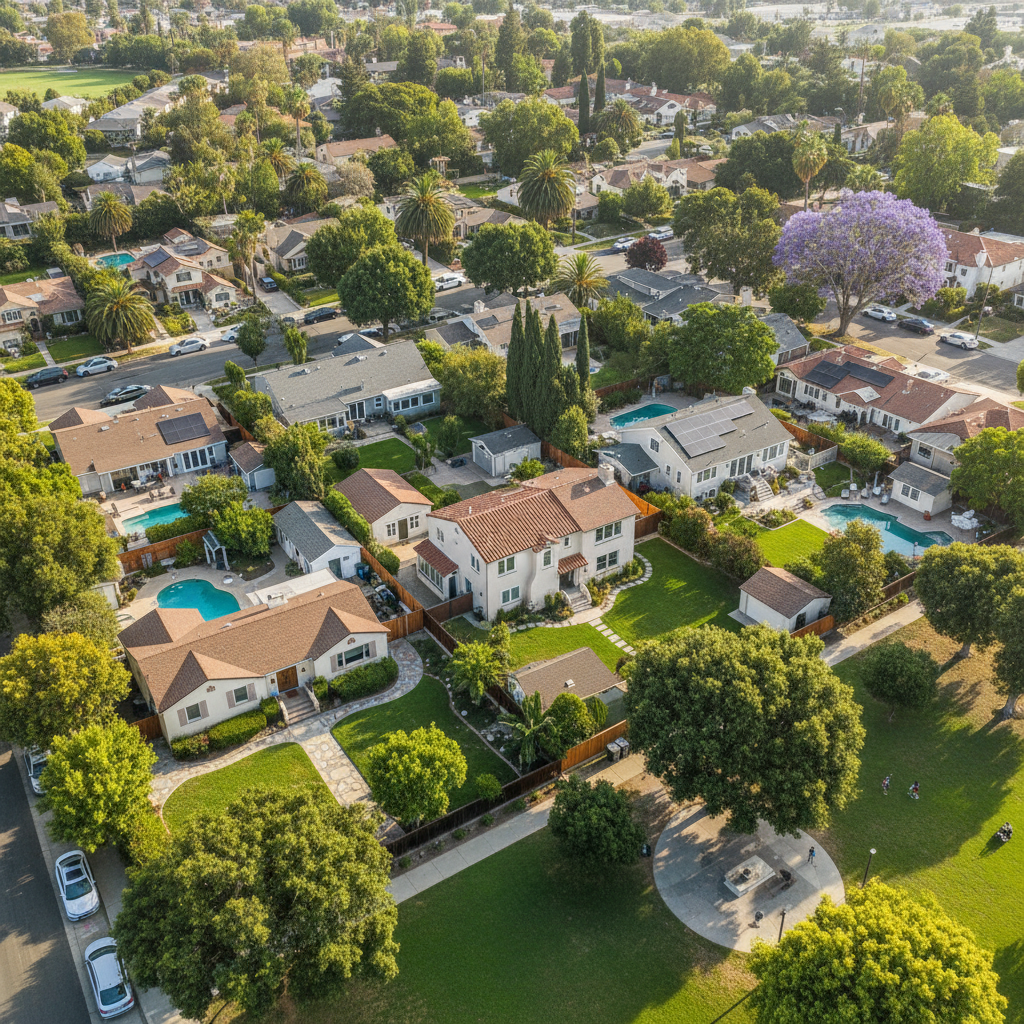
Even with state-mandated exemptions, your local planning department will still be the lead agency reviewing your ADU permit application. They will confirm that your project meets the criteria for the CEQA exemption. This usually involves a simple administrative determination rather than a lengthy environmental review.
Working with an experienced ADU design and build company like GatherADU is invaluable in this process. We understand the nuances of state ADU laws, including the specifics of CEQA exemptions. Our team ensures that your design not only meets your vision but also complies with all applicable state and local regulations, maximizing your chances for a swift and smooth approval. We can help you:
- Design an ADU that inherently qualifies for the statutory CEQA exemption.
- Prepare and submit all necessary documentation to the local planning department.
- Navigate any questions or concerns raised by local agencies regarding environmental compliance.
Don't let regulatory concerns deter you from your ADU dreams. With the powerful CEQA exemption ADU California projects benefit from, building your backyard home is more accessible than ever. Let GatherADU simplify the journey for you.
Conclusion
The California Environmental Quality Act (CEQA) is a critical piece of legislation designed to protect the state's environment. However, recognizing the urgent need for housing, the California Legislature has carved out significant statutory exemptions for Accessory Dwelling Units. This means that most ADU projects in California, when designed and built according to state guidelines, are automatically exempt from time-consuming and costly environmental reviews.
This CEQA exemption ADU California homeowners can utilize is a game-changer, dramatically streamlining the permitting process and making ADU development more feasible and affordable. By understanding these provisions, homeowners can move forward with confidence, knowing that a major regulatory hurdle has been largely removed. At GatherADU, we are experts in navigating California's ADU landscape, from design and permitting to construction. We ensure your project leverages all available exemptions and moves efficiently from concept to completion.
Ready to build your ADU with confidence and clarity, knowing the environmental review process is simplified? Book a free ADU consultation with GatherADU today and let our team of experts guide you through a seamless project, leveraging every advantage California law provides.