California's housing crisis has made Accessory Dwelling Units (ADUs), often called backyard homes or granny flats, a popular solution for homeowners across the state. While the basic concept of building a secondary dwelling on your property remains consistent, the journey through the permitting process can vary dramatically depending on your location. Specifically, ADU permitting in rural California presents a distinct set of considerations and challenges compared to its urban counterparts.
At GatherADU, we understand that navigating these regulations can feel complex. This comprehensive guide will illuminate the nuances of rural ADU permitting, highlighting the key differences from urban areas and providing actionable insights to help you successfully realize your ADU dream, no matter how far off the beaten path your property may be.
Understanding the Foundation: California's State ADU Laws
Before delving into rural specifics, it's crucial to grasp the statewide framework for ADUs. California has progressively enacted laws to encourage ADU development, aiming to ease the housing shortage. These state mandates establish a baseline that all local jurisdictions, urban or rural, must adhere to. Key provisions include:
- Streamlined Review Process: Local agencies must approve or deny ADU permit applications within 60 days.
- Reduced Setbacks: State law generally requires a minimum of 4-foot side and rear yard setbacks for ADUs.
- No Owner-Occupancy Requirement: For most ADUs, the homeowner is not required to live on the property.
- Limited Impact Fees: Impact fees for ADUs under 750 square feet are prohibited, and for larger ADUs, they must be proportionate to the size of the unit.
- Minimum and Maximum Sizes: State law sets minimum sizes (e.g., 150 sq ft) and maximum sizes (e.g., 1,200 sq ft, or 50% of the primary dwelling's floor area, whichever is less, with local discretion for larger units).
These foundational rules apply across California. However, local ordinances in rural areas often introduce additional layers of complexity due to unique environmental, infrastructural, and land-use characteristics.
Defining "Rural" in the Context of ADU Development
Beyond City Limits: What Makes an Area Rural for ADU Permitting?
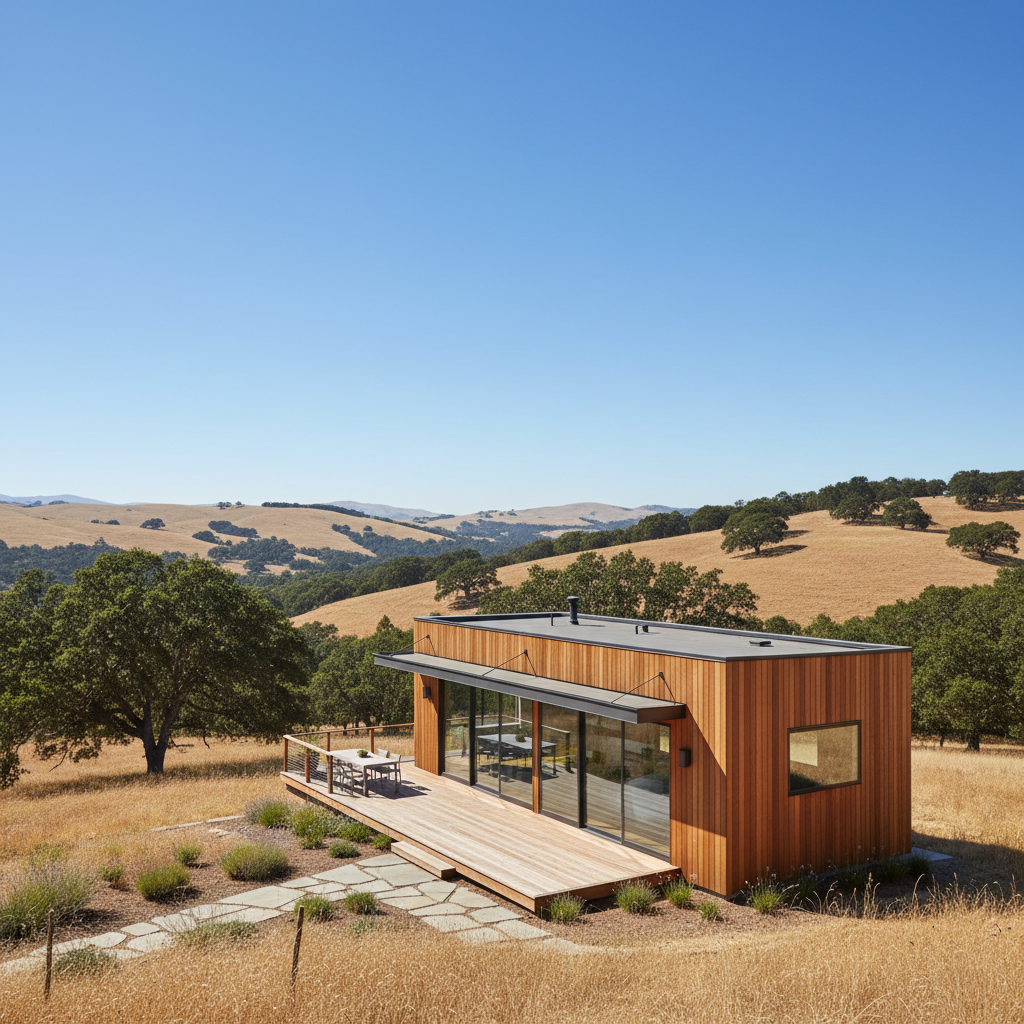
When discussing ADU permitting in rural California, 'rural' isn't just about scenic views and fewer neighbors. From a regulatory standpoint, rural areas typically exhibit:
- Lower Population Density: Fewer people per square mile compared to densely populated cities.
- Specific Zoning Designations: Properties are often zoned for agriculture (A), timber production (TPZ), open space (OS), or low-density rural residential (RR). These zones come with their own set of regulations distinct from urban residential zones.
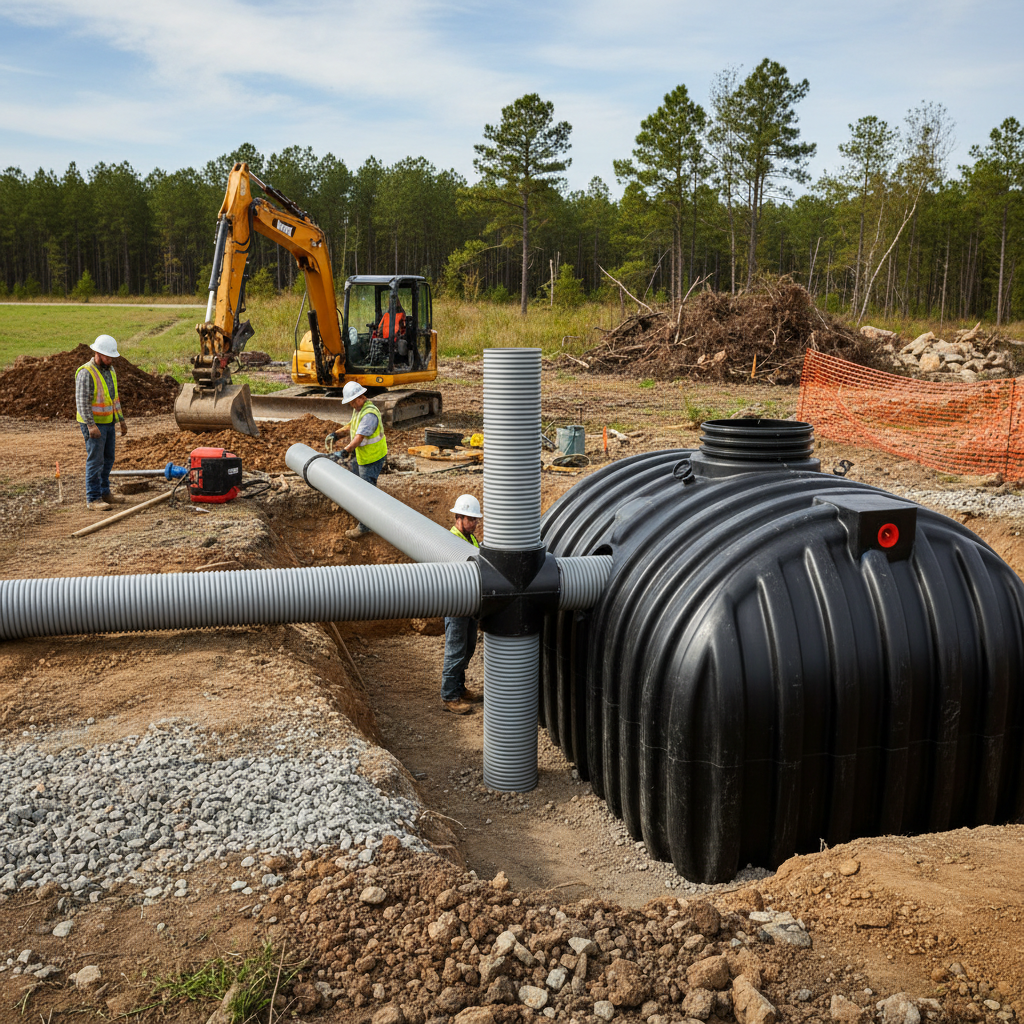
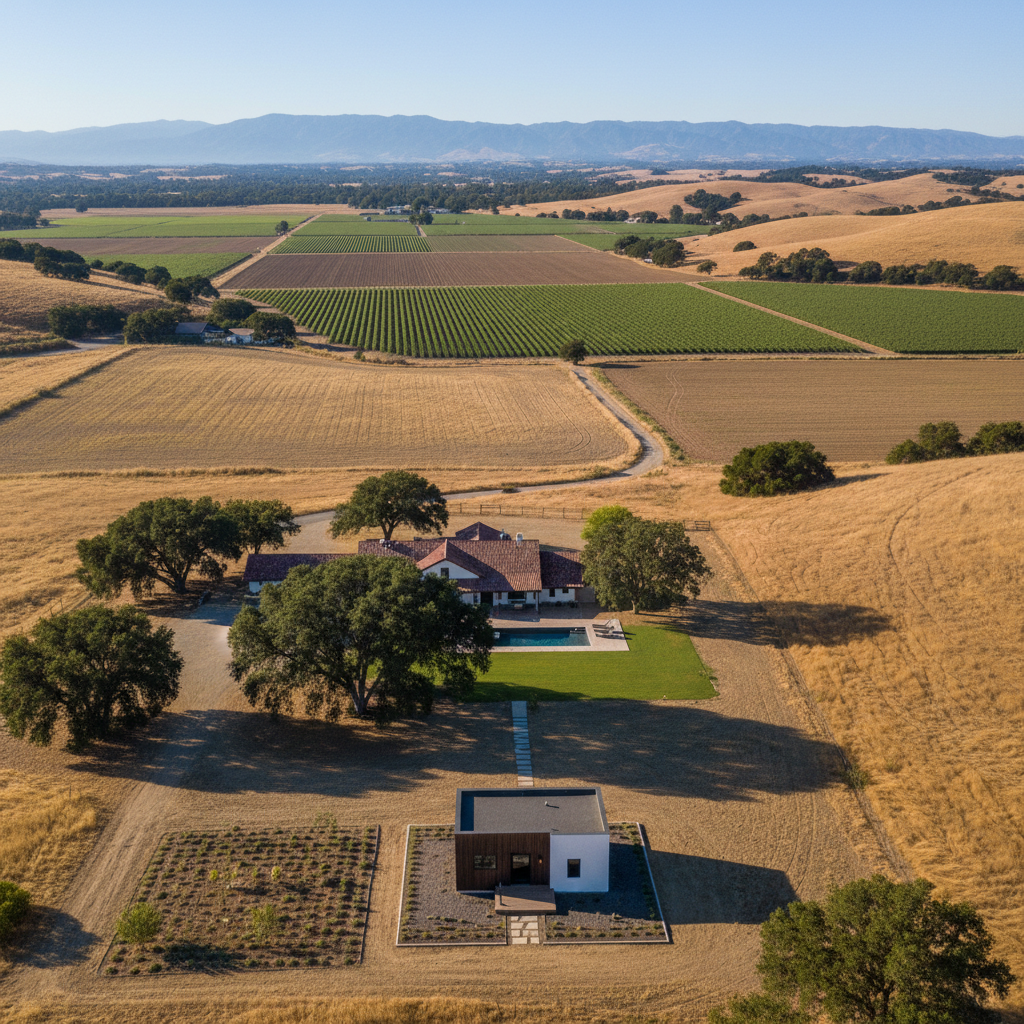
- Limited Public Infrastructure: Rural properties often rely on private systems for utilities (wells for water, septic systems for wastewater) and may be accessed via private roads or easements, rather than publicly maintained utilities and streets.
- Unincorporated Areas: Many rural properties fall under county jurisdiction rather than an incorporated city, meaning county ordinances (which can vary significantly) apply.
These characteristics directly influence the ADU permitting process.
Key Differences: Rural vs. Urban ADU Permitting
The core distinctions in ADU permitting in rural California stem from the environment and infrastructure.
Infrastructure Challenges: Septic, Wells, and Private Roads
One of the most significant differentiators for rural ADUs is the reliance on private infrastructure:
- Septic Systems: Unlike urban properties connected to municipal sewer lines, rural ADUs often require a septic system. This means additional permits from the county health department, percolation tests to assess soil suitability, and ensuring the existing or new system has sufficient capacity for two dwellings. Upgrading or installing a new septic system can be a substantial cost and time investment.
- Well Water: Similarly, many rural homes depend on private wells for water. Permitting for a rural ADU will likely involve demonstrating adequate well yield, water quality testing, and ensuring the well can support the increased demand from two residences.
- Private Roads and Access: Accessing rural properties often involves private roads, easements, or even unpaved driveways. Fire department access requirements, road maintenance agreements, and ensuring clear passage for emergency vehicles can add layers of complexity not typically found in urban settings.
Zoning and Land Use Designations
Rural zoning can be both a challenge and an opportunity:
- Agricultural Zones: In some agricultural zones, ADUs might be limited to housing for farmworkers or require specific findings that they support agricultural operations. However, recent state law changes have made it easier to build ADUs in agricultural zones without requiring the ADU to be tied to agricultural use, provided specific conditions are met.
- Lot Size and Density: Rural zones often have much larger minimum lot size requirements than urban areas. While this provides ample space for an ADU, it doesn't always translate to simpler permitting, as local agencies might have specific density or coverage rules even for large parcels.
- Building Envelope Restrictions: Some rural parcels might have specific 'building envelopes' or areas where construction is permitted, often due to environmental sensitivities or floodplains.
Environmental and Hazard Considerations
Rural California is often characterized by its natural beauty, but this also means heightened environmental and hazard considerations:
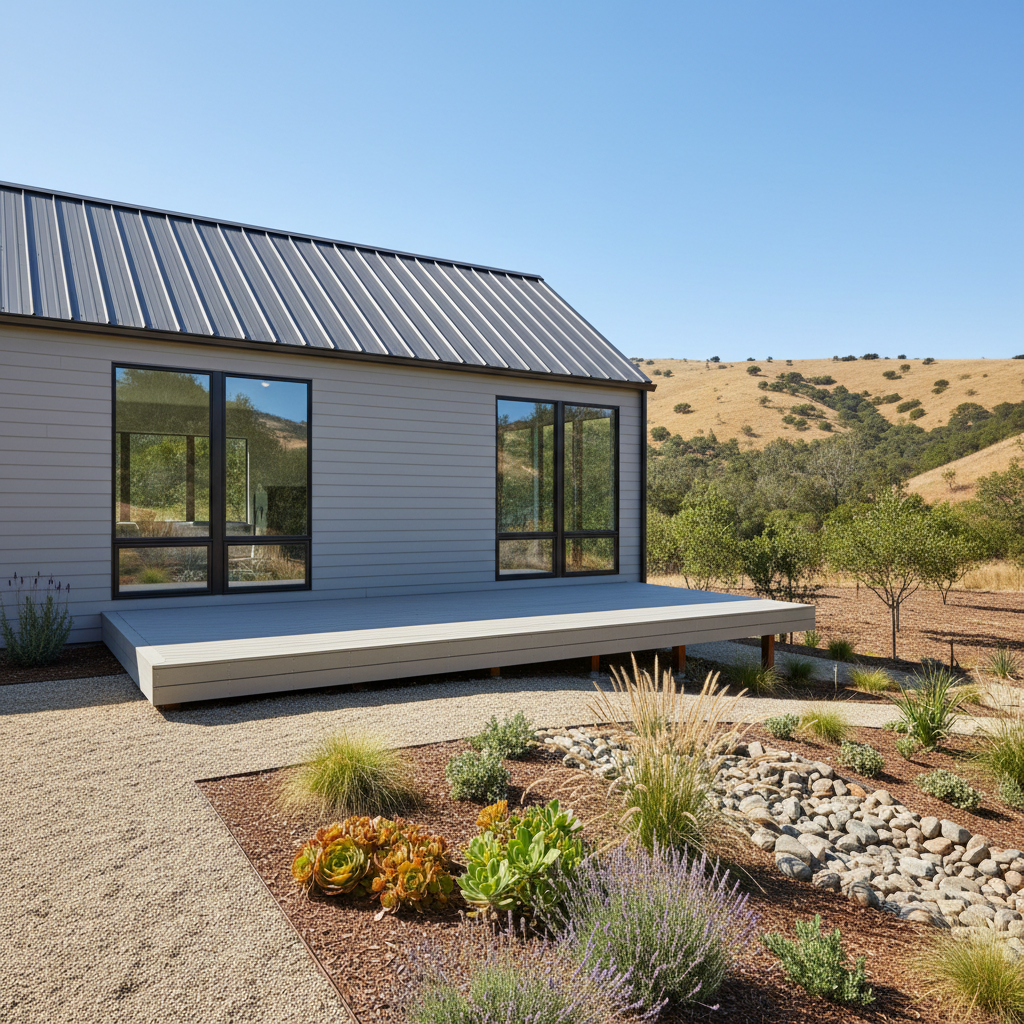
- Wildland-Urban Interface (WUI): Many rural properties are in or near WUI zones, areas where developed land meets undeveloped wildland. This triggers stringent fire safety regulations, including requirements for defensible space, fire-resistant building materials, specialized roofing, and even specific window types. These are critical for safety but add to design and construction complexity.
- Sensitive Habitats and Resources: Rural areas are more likely to contain wetlands, endangered species habitats, significant trees, or cultural resources. This can necessitate more extensive environmental review under the California Environmental Quality Act (CEQA) and potentially require mitigation measures or specific building setbacks from these features.
- Water Conservation: Given California's drought history, rural ADUs may face stricter requirements for water conservation, including efficient fixtures, drought-tolerant landscaping, and rainwater harvesting systems.
Local Jurisdiction Ordinances and Review Processes
While state law provides a floor, counties and rural cities can still impose their own standards:
- County-Specific Rules: Unincorporated areas fall under county jurisdiction, and each county (e.g., Sonoma, Nevada, Mendocino, San Luis Obispo) can have unique local ordinances regarding ADU design, placement, and specific requirements for fire safety, wells, and septic systems. These can vary considerably.
- Fewer Resources, Longer Times: Rural planning departments might have smaller staff and fewer resources than their urban counterparts, potentially leading to longer review times for permits, despite state mandates for expedited review.
- Design Standards: Some rural areas may have design guidelines to ensure ADUs blend with the natural or historic character of the community, requiring specific architectural styles or material palettes.
Navigating the Rural ADU Permitting Process Successfully
Step-by-Step Guidance
Successfully permitting an ADU in rural California requires diligent planning and expert guidance:
- Thorough Research of Local Ordinances: Start by contacting your specific county's planning department. Review their ADU ordinance, zoning map, and any supplemental guidelines for rural properties. Do not assume state law overrides all local rules.
- Comprehensive Site Assessment: Understand your property's unique characteristics. This includes soil type, slope, water source, existing septic system location and capacity, potential fire hazards, and any environmental sensitivities. A professional site survey is often invaluable.
- Engage Experienced Professionals: Work with architects, engineers, and ADU design-build firms like GatherADU who have specific experience with rural California permitting. They can help you navigate septic and well requirements, fire safety regulations, and unique zoning challenges. Ready to discuss your rural ADU vision? Book a free ADU consultation with our experts today.
- Plan for Infrastructure Needs: Factor in the costs and time associated with upgrading or installing new septic systems, wells, or ensuring adequate access for emergency services early in your project budget and timeline.
- Prioritize Fire Safety and Environmental Compliance: Integrate WUI requirements and environmental considerations into your design from day one to avoid costly revisions later.
Common Pitfalls to Avoid
- Underestimating the costs and complexity of private infrastructure (septic, well).
- Ignoring specific county-level ADU ordinances that supplement or modify state law.
- Failing to account for longer permit review times in smaller, rural departments.
- Not addressing fire safety and defensible space requirements early in the design phase.
Why Expert Guidance is Crucial for Rural ADUs
Given the intricate layers of state mandates, county ordinances, and site-specific environmental factors, navigating ADU permitting in rural California can be a daunting task for even experienced homeowners. An ADU design-build firm like GatherADU brings invaluable expertise:
- Jurisdictional Knowledge: We stay up-to-date with the latest state laws and local county ordinances across California, including those specific to rural areas.
- Integrated Design and Permitting: Our process considers all permitting requirements from the initial design phase, minimizing surprises and delays.
- Infrastructure Expertise: We understand the complexities of septic, well, and fire safety requirements unique to rural properties.
- Streamlined Process: We manage the entire process, from initial consultation and design to permitting and construction, allowing you to focus on your vision rather than the paperwork.
Don't let the complexities of rural permitting deter you from adding valuable space to your property. Let us help you simplify the journey. Get your free project estimate and start planning your rural ADU with confidence.
Conclusion: Building Your Rural Dream ADU
Building an ADU in rural California offers incredible opportunities for homeowners, whether for multi-generational living, rental income, or simply expanding usable space. However, it requires a thorough understanding of unique permitting challenges that often exceed those found in urban settings. From managing private infrastructure like septic systems and wells to adhering to stringent fire safety codes in WUI zones, and navigating diverse county-specific ordinances, the process demands attention to detail and specialized knowledge.
By understanding these differences and partnering with a knowledgeable ADU expert like GatherADU, you can successfully navigate the permitting landscape and build a backyard home that perfectly complements your rural California lifestyle. Take the first step towards your rural ADU dream today. Schedule a free ADU consultation with GatherADU and let us help you transform your vision into reality.