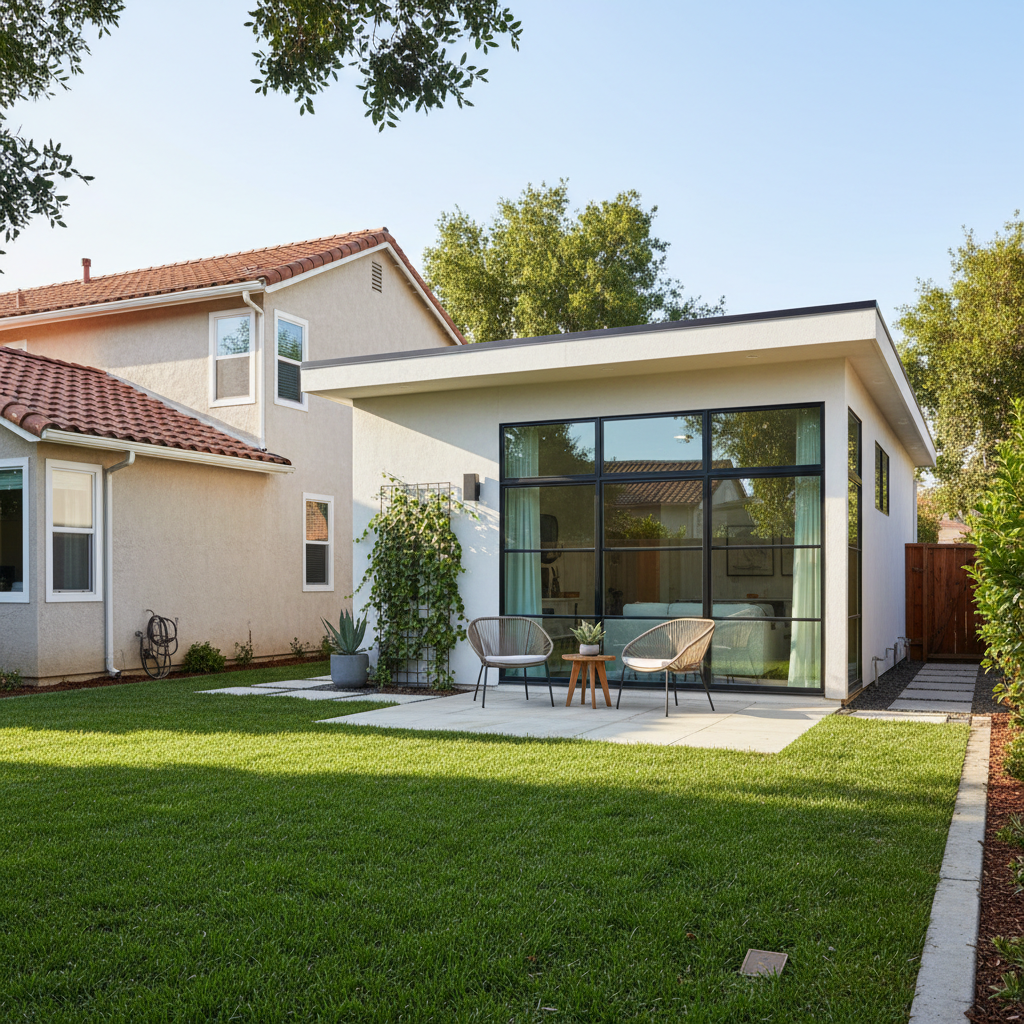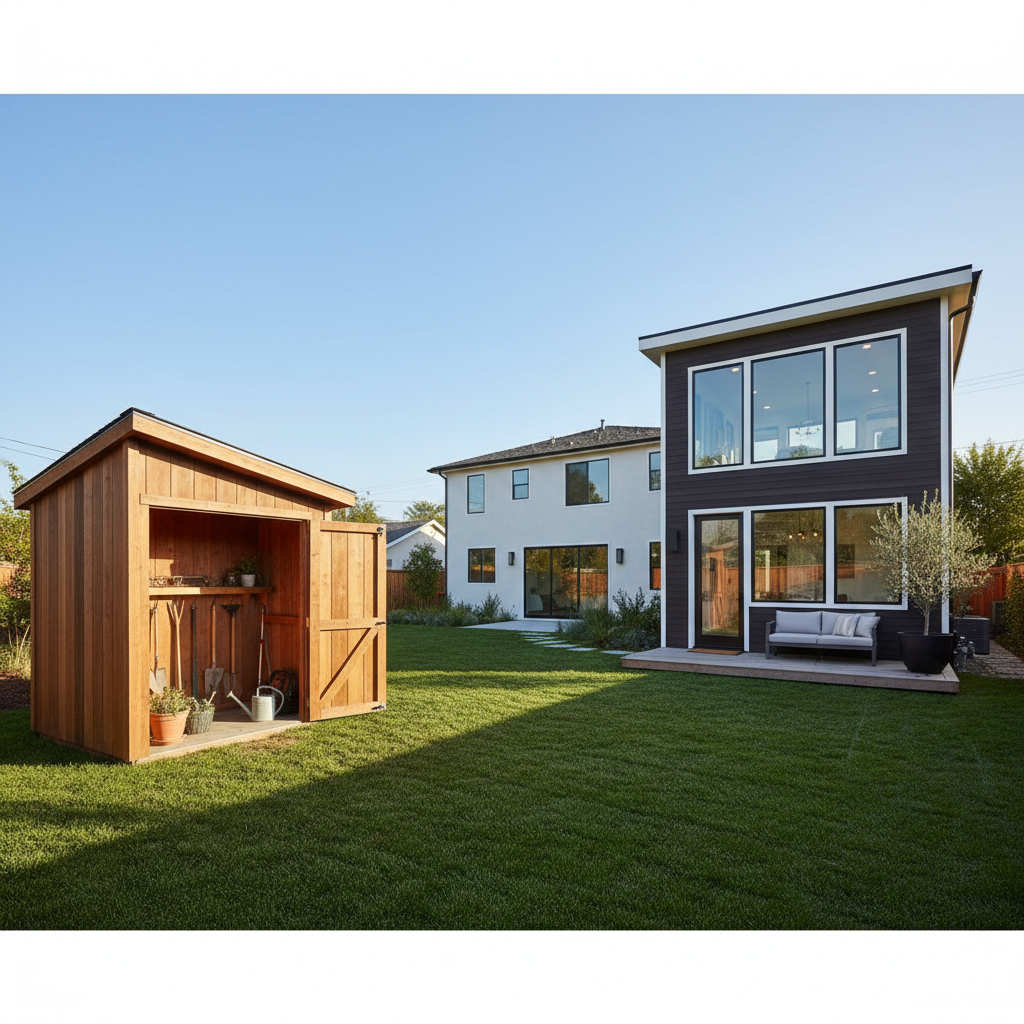
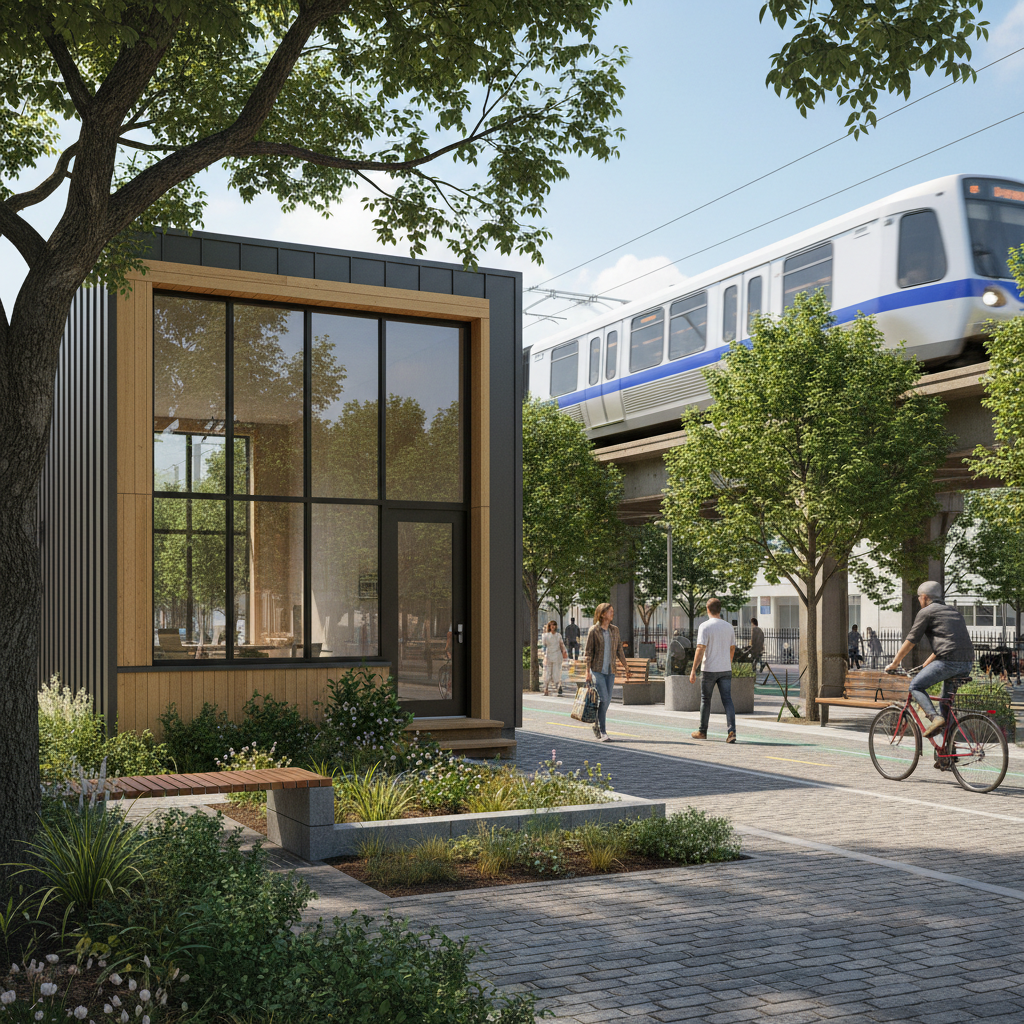
California's housing crisis is a complex challenge, one that state legislators are continually addressing with innovative solutions. Among the most impactful legislative changes for homeowners considering Accessory Dwelling Units (ADUs) is Assembly Bill 2097, or AB 2097 ADU parking. Signed into law in 2022, this bill represents a significant shift, effectively eliminating minimum parking requirements for many properties located near public transit. For anyone planning an ADU, understanding AB 2097 is crucial, as it can dramatically simplify your project, reduce costs, and accelerate the path to building a new backyard home.
At GatherADU, we empower California homeowners to navigate the evolving landscape of ADU regulations. This comprehensive guide will break down AB 2097, explain its implications for your ADU project, and help you determine if your property qualifies for these new parking exemptions.
Understanding AB 2097: A Landmark Shift in Urban Planning
Prior to AB 2097, local jurisdictions in California often imposed minimum parking requirements for new residential construction, including ADUs. While intended to alleviate street congestion, these requirements frequently added significant costs and design complexities to ADU projects. Homeowners might have been forced to build a garage, create an additional driveway, or sacrifice valuable yard space, making ADUs less feasible or desirable.
Recognizing the need to remove barriers to housing production and promote sustainable transportation, AB 2097 was introduced. The bill's core purpose is to prohibit public agencies (cities and counties) from imposing any minimum parking requirement on residential, commercial, or mixed-use developments located within a half-mile of a major transit stop or high-quality transit corridor. While the bill covers various types of development, its impact on ADUs is particularly noteworthy.
Key Provisions: How AB 2097 Impacts ADU Parking Requirements
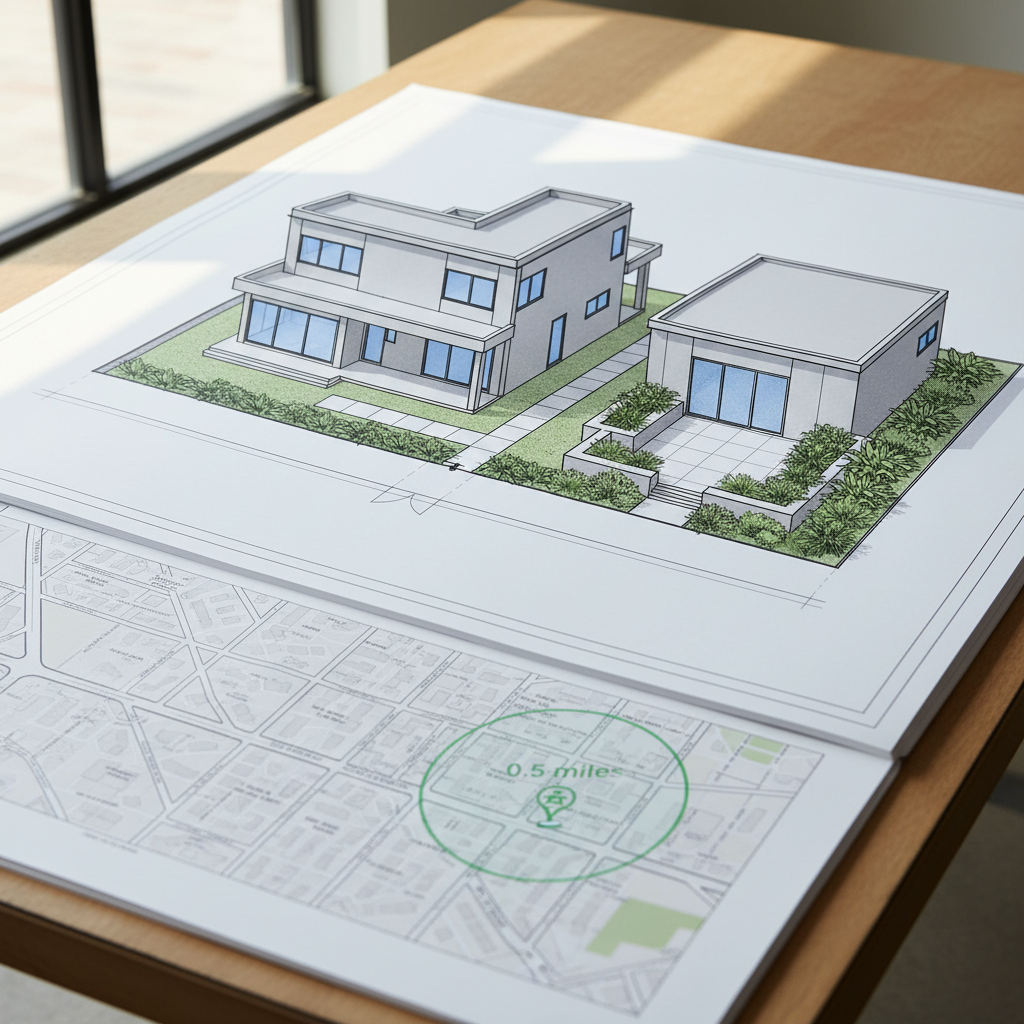
For ADUs, AB 2097 delivers a powerful exemption: if your property is located within 0.5 miles of a major transit stop or a high-quality transit corridor, your city or county cannot require any off-street parking for your ADU. This is a game-changer for many homeowners.
Let's break down the critical definitions:
- Major Transit Stop: This is defined as a site containing an existing or planned rail transit station, a ferry terminal served by an urban transit route, or the intersection of two or more major bus routes with a frequency of 15 minutes or less during peak commute hours.
- High-Quality Transit Corridor: This refers to a corridor with fixed route bus service with service intervals no longer than 15 minutes during peak commute hours.
The intent is clear: where public transportation is readily available and accessible, the need for private vehicle parking is diminished, and thus, should not be a hurdle to building much-needed housing.
Why This Matters for Your ADU Project
The elimination of parking requirements under AB 2097 offers several significant advantages for California homeowners:
1. Reduced Costs
Building a garage or dedicated parking pad can add tens of thousands of dollars to an ADU project. By removing this requirement, homeowners can save substantially on construction costs, making ADUs more financially accessible.
2. Increased Feasibility and Design Flexibility
Parking requirements often dictate the layout and size of an ADU. Without them, you have more freedom to design an ADU that maximizes living space, fits challenging lot configurations, or preserves valuable yard space for landscaping, gardens, or outdoor living areas. This can be especially beneficial for smaller or irregularly shaped lots.
3. Faster Permitting
Fewer parking-related considerations can streamline the permitting process, potentially reducing the time it takes to get your ADU approved and built.
4. Environmental Benefits
By encouraging ADU development near transit, AB 2097 supports sustainable urban planning. It promotes reduced reliance on personal vehicles, decreases traffic congestion, and lowers carbon emissions, aligning with California's broader environmental goals.
5. Boosting Housing Supply
Ultimately, by removing a common barrier, AB 2097 makes it easier for more homeowners to build ADUs, contributing to California's urgent need for diverse and affordable housing options.

Navigating the Nuances: Does Your Property Qualify?
Determining if your property falls within the AB 2097 exemption zone requires a bit of investigation. Here’s how you can approach it:
- Identify Local Transit Stops: Use online mapping tools (like Google Maps) to locate major bus stops, train stations, and light rail lines near your property.
- Check Service Frequency: For bus routes, you'll need to verify if the service runs every 15 minutes or less during peak commute hours. Local transit agency websites (e.g., BART, Metro, AC Transit, Muni) are the best source for this information.
- Measure the Distance: Carefully measure the distance from your property's boundary to the nearest qualifying transit stop or corridor. The 0.5-mile (2,640 feet) radius is measured as the shortest legal walking path, not necessarily a straight line 'as the crow flies.'
- Consult Your Local Planning Department: While AB 2097 is state law, local jurisdictions are responsible for its implementation. Your city or county planning department can confirm whether your specific property qualifies for the parking exemption and provide any local guidance or interpretations. They may also have online tools or maps indicating eligible areas.
It's important to remember that while AB 2097 preempts local ordinances regarding parking minimums in qualifying areas, local jurisdictions still have authority over other aspects of ADU design and permitting, such as setbacks, height, and unit size. The best way to ensure compliance and leverage all available benefits is to partner with experienced ADU professionals.
Understanding these regulations can be complex, but you don't have to navigate them alone. GatherADU specializes in helping California homeowners design and build ADUs that comply with all state and local laws, including the latest provisions like AB 2097. Speak with an ADU expert today to discuss your project and how AB 2097 might benefit you.

Beyond Parking: The Broader Vision of AB 2097
AB 2097 is more than just a parking bill; it's a strategic piece of legislation aimed at fostering more sustainable, equitable, and affordable communities. By disincentivizing car ownership in areas well-served by public transit, the state aims to:
- Reduce Infrastructure Costs: Less need for expansive parking lots and structures saves public and private investment.
- Promote Walkability and Bikeability: Encouraging alternative modes of transportation creates healthier, more vibrant neighborhoods.
- Combat Climate Change: Fewer vehicle miles traveled directly translates to reduced greenhouse gas emissions.
- Increase Housing Density: By removing parking as a barrier, more housing units can be built on existing parcels, contributing to smart growth principles.
For homeowners, this means your ADU isn't just an investment in your property; it's a contribution to a more sustainable future for California.
Considering an ADU is a big step, and understanding the regulatory landscape is key to a successful project. With laws like AB 2097, building an ADU has become more accessible and beneficial than ever before. Get a free project estimate from GatherADU and discover the potential of your property.
Conclusion
AB 2097 represents a pivotal moment for ADU development in California, particularly for properties situated near major transit hubs. By eliminating minimum parking requirements in these designated areas, the state has removed a significant financial and logistical obstacle, making ADUs a more attractive and feasible option for countless homeowners. This legislation not only supports individual property owners but also contributes to California's broader goals of addressing the housing crisis, promoting sustainable urban development, and fostering vibrant, transit-oriented communities.
If you've been considering an ADU, now is an excellent time to explore your options. With the benefits of AB 2097, coupled with other favorable state laws, building a backyard home could be simpler and more cost-effective than you think. GatherADU is here to guide you through every step of the process, from understanding regulations like AB 2097 to designing, permitting, and building your dream ADU. Don't let uncertainty about regulations hold you back. Book a free ADU consultation with GatherADU today and let's unlock your property's full potential.