California homeowners are increasingly looking to maximize their property's potential, and converting existing space into an Accessory Dwelling Unit (ADU) or a Junior Accessory Dwelling Unit (JADU) offers compelling opportunities. Whether you're seeking rental income, a dedicated space for family, or a home office, understanding the nuances of an attached ADU vs JADU conversion is crucial. At GatherADU, we specialize in helping homeowners navigate these choices, ensuring your project aligns with your goals and California's unique regulations.
This comprehensive guide will break down the characteristics, benefits, and considerations for both attached ADUs and JADUs when you're looking to transform existing square footage. By the end, you'll have a clearer picture of which option is the perfect fit for your property and your vision.
What is an Attached ADU?
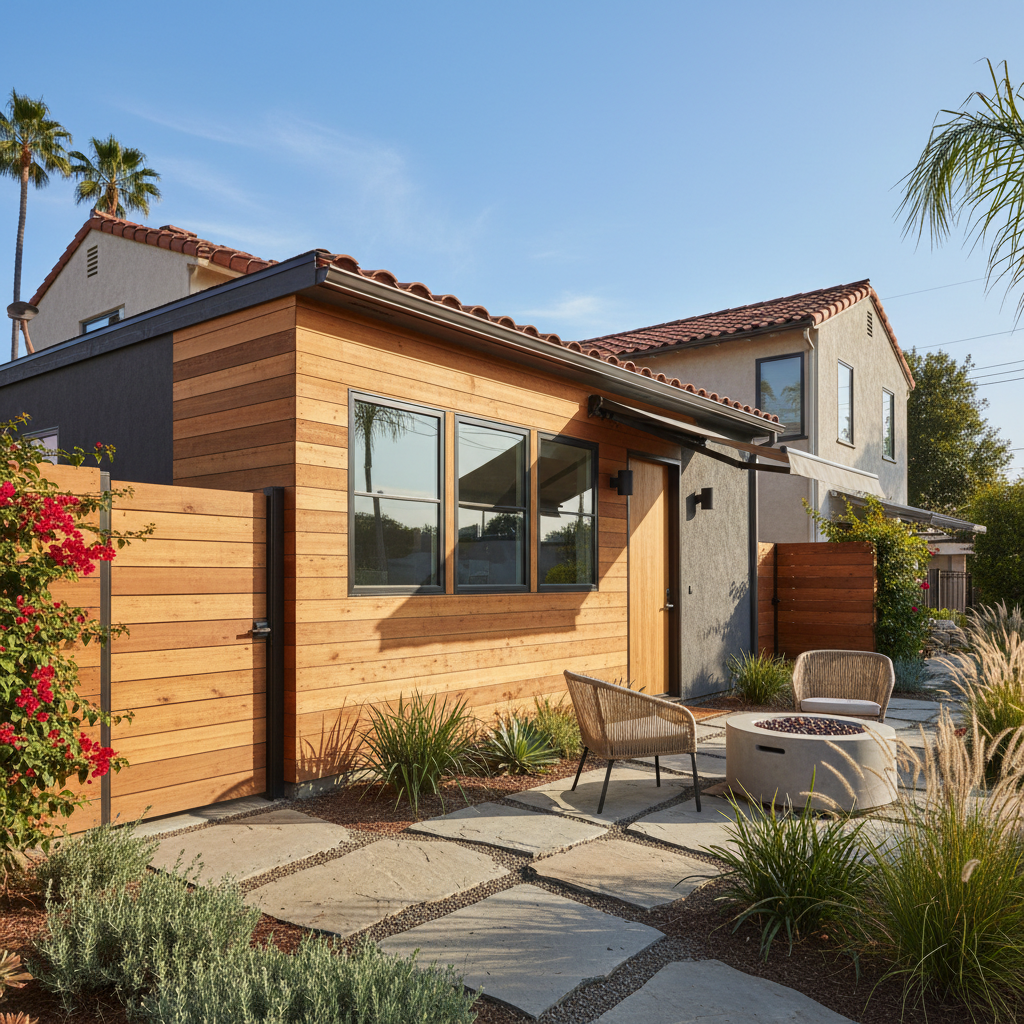
An attached ADU is a secondary dwelling unit that shares a common wall with the primary residence. Unlike detached ADUs, which are standalone structures, attached ADUs are physically connected to the main house. When it comes to converting existing space, attached ADUs often arise from:
- Garage Conversions: This is a very common scenario. An existing garage, whether attached or detached, is transformed into a habitable living space, directly connected to the main home (if it was an attached garage) or built adjacent with a shared wall.
- Conversions of Existing Habitable Space: Sometimes, a portion of the main house, such as a large family room, a master suite, or even an attic or basement, can be reconfigured and permitted as an attached ADU. This typically involves adding a separate entrance, kitchen, and bathroom.
- Additions to the Main Home: While not strictly a conversion of *existing* space in the same way a garage is, an addition that creates a new living unit directly connected to the main house also falls under the attached ADU category.
Key Characteristics of Attached ADUs:
- Physical Connection: Shares at least one wall with the primary dwelling.
- Independent Facilities: Must have its own separate entrance, kitchen, and bathroom facilities.
- Size: Generally limited by local zoning, but state law allows up to 1,200 sq ft or 50% of the primary dwelling's floor area, whichever is less, for newly constructed attached ADUs. For conversions of existing space, the original footprint often dictates the size.
- Separate Address/Meter (Optional): Can often have its own address and utility meters, though this varies by jurisdiction and project.
Pros of Choosing an Attached ADU Conversion:
- Cost-Effective: Converting an existing structure like a garage often leverages existing foundations, walls, and utility connections, which can significantly reduce construction costs compared to new construction.
- Seamless Integration: An attached ADU can blend architecturally with the main home, maintaining the property's aesthetic.
- Utility Access: Easier access to existing utility lines (water, sewer, electricity) from the main house.
- Climate Control: Often shares some climate control benefits or infrastructure with the main house, potentially simplifying HVAC.
Cons of Choosing an Attached ADU Conversion:
- Impact on Main Home: Depending on the conversion, it might affect the main home's layout, natural light, or overall footprint.
- Privacy Concerns: While having a separate entrance, the shared wall can sometimes lead to noise transfer or perceived lack of privacy for both residents.
- Parking Loss (for garage conversions): Converting a garage means losing that dedicated parking space, which may require finding alternative parking solutions or compliance with local parking requirements.
What is a Junior Accessory Dwelling Unit (JADU)?
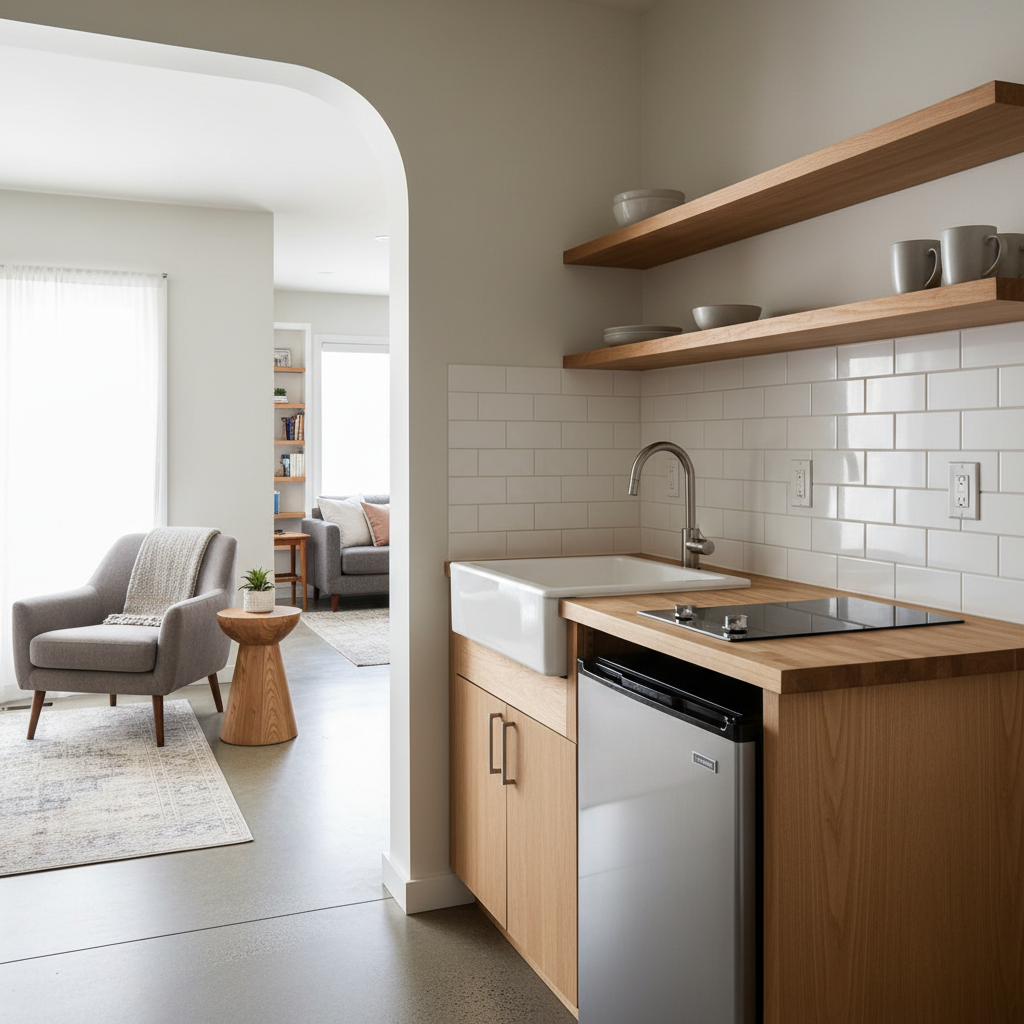
A Junior Accessory Dwelling Unit (JADU) is a specific type of ADU that is created within the existing walls of a single-family dwelling. JADUs are generally smaller and have more restrictive requirements than traditional ADUs, making them a unique solution for maximizing interior space.
Key Characteristics of JADUs:
- Located Within Primary Dwelling: A JADU must be contained entirely within the existing footprint of the main single-family home. It cannot be an addition or a separate structure.
- Size Limit: State law limits JADUs to a maximum of 500 square feet.
- Efficiency Kitchen: Must include an efficiency kitchen, which typically means a sink, a cooking appliance (often a microwave, hotplate, or small range), and a food storage area (refrigerator).
- Internal Access: Must have an interior connection to the primary dwelling, in addition to an optional separate exterior entrance.
- Shared or Separate Bathroom: A JADU may share sanitation facilities with the primary dwelling or have its own separate bathroom.
- Owner Occupancy: The owner of the property must reside in either the primary dwelling or the JADU. This is a critical distinction from many ADUs.
Pros of Choosing a JADU Conversion:
- Lower Cost: Typically the least expensive ADU option because it uses existing interior space, often requiring less extensive structural work or new utility hookups.
- Simpler Permitting: Generally faces fewer permitting hurdles and impact fees compared to full ADUs, thanks to state legislation designed to encourage them.
- Maintains Property Footprint: Does not expand the building footprint, which is ideal for properties with limited lot space or strict setback requirements.
- Rental Income Potential: Provides an excellent opportunity for rental income or housing a family member while maintaining a close connection to the main home.
Cons of Choosing a JADU Conversion:
- Size Limitations: The 500 sq ft maximum can be restrictive for some uses or larger families.
- Owner Occupancy Requirement: This can be a significant limitation for investors or homeowners who wish to rent out both units.
- Less Privacy: The required internal connection and potential for shared facilities mean less privacy compared to a standalone ADU.
- Limited Market: The owner occupancy and size restrictions can limit the pool of potential renters or occupants.
Attached ADU vs. JADU Conversion: Key Differences at a Glance
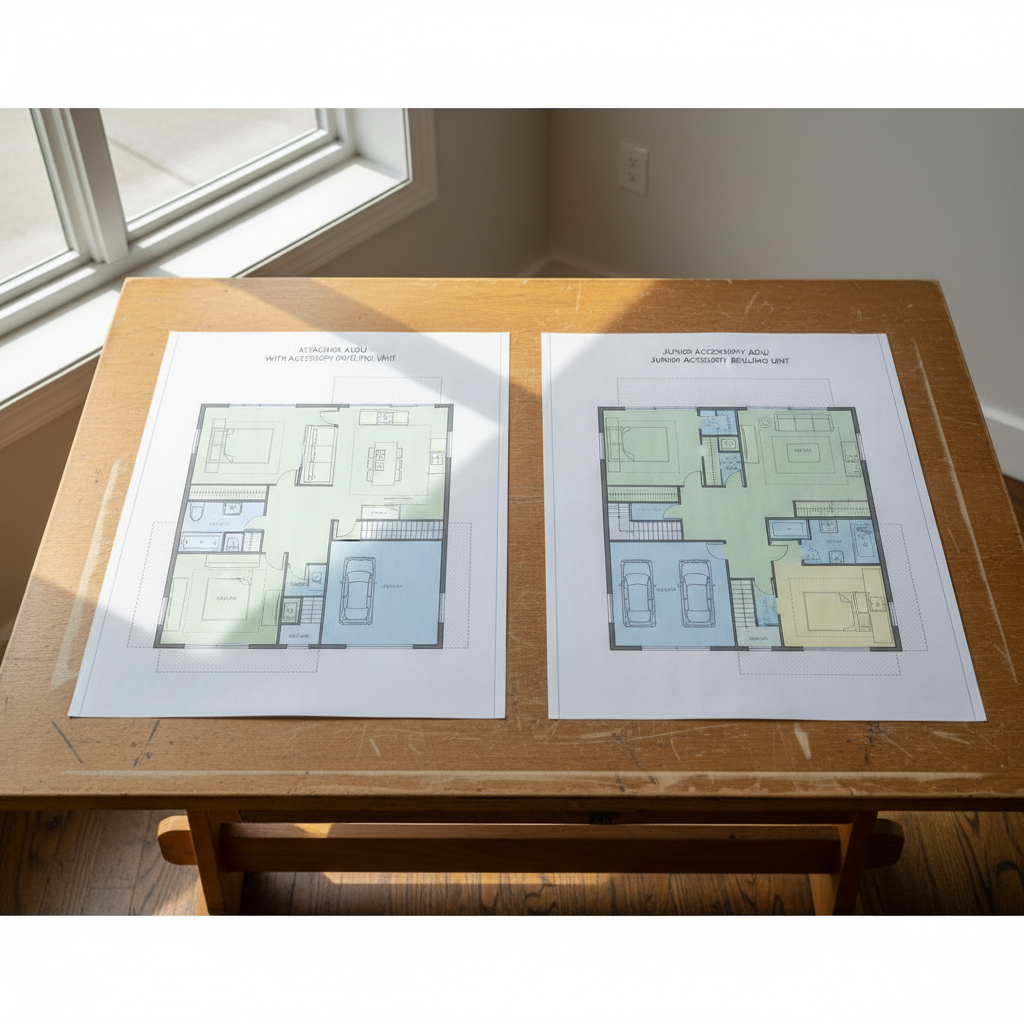
To help you visualize the core distinctions, here's a comparison table:
| Feature | Attached ADU (Converting Existing Space) | Junior ADU (JADU) |
|---|---|---|
| Location | Shares a wall with primary dwelling (e.g., garage conversion, existing addition) | Entirely within the existing single-family dwelling |
| Size Limit | Up to 1,200 sq ft or 50% of primary dwelling (state max), often limited by existing structure's size | Max 500 sq ft |
| Kitchen | Full kitchen required | Efficiency kitchen required |
| Bathroom | Separate, full bathroom required | May share facilities or have separate facilities |
| Entrance | Separate exterior entrance required | Required interior connection to main home; separate exterior entrance optional |
| Owner Occupancy | Generally not required (check local ordinances) | Required (owner must reside in either the main home or the JADU) |
| Permitting Complexity | Moderate to high, depending on scope | Lower complexity, streamlined process |
| Cost | Moderate to high (depending on existing structure's condition) | Generally lower |
| Privacy | Good, but may have some shared wall noise | Less private due to interior connection and potential shared facilities |
Factors to Consider When Making Your Choice
Choosing between an attached ADU and a JADU conversion isn't just about regulations; it's about your specific needs and the potential of your property. Here are critical factors to weigh:
1. Your Goals for the New Space
- Rental Income: Both can generate income. A larger, fully independent attached ADU might command higher rent, while a JADU offers a more affordable entry point. Consider if owner-occupancy is an issue for your rental strategy.
- Multi-Generational Living: For an aging parent or young adult, a JADU can offer proximity and support. An attached ADU provides more independence.
- Home Office/Studio: A JADU could be perfect for a dedicated, quiet workspace. An attached ADU offers more room for specialized equipment or client meetings.
- Guest Suite: Both can serve as excellent guest accommodations, with the attached ADU offering more hotel-like independence.
2. Your Property's Layout and Existing Space
Examine your home's current structure. Do you have an underutilized attached garage that could become a spacious ADU? Or is there an interior portion of your home, like a seldom-used dining room or a large spare bedroom, that could be repurposed as a compact JADU without compromising the main home's flow?
3. Budget and Financing
Generally, a JADU conversion is less expensive due to its smaller size and reliance on existing interior infrastructure. Attached ADU conversions, especially garage conversions that require significant structural upgrades, plumbing, and electrical work, can be more substantial investments. GatherADU can help you get a free project estimate to understand the financial implications of each option for your specific property.
4. Privacy Needs
How much separation do you and your potential occupants desire? An attached ADU, with its separate entrance and full facilities, offers greater independence. A JADU, with its required internal connection and potential for shared facilities, implies a closer living arrangement.
5. Local Zoning and Building Codes in California
While state laws provide a framework, local jurisdictions can have specific requirements that influence what's possible. These can include setback requirements, design standards, parking rules, and utility connections. Understanding these local nuances is critical. GatherADU's expertise in California ADU regulations ensures your project is compliant from the start.
6. Future Plans for Your Property
Consider your long-term vision. Will you sell the property? An ADU can significantly boost property value and appeal. Do you anticipate needing more space in the future? A larger attached ADU might offer more flexibility than a JADU. The owner-occupancy requirement for JADUs is a key factor if your plans involve moving out of the main residence.
The Conversion Process with GatherADU
Regardless of whether you choose an attached ADU or a JADU conversion, the process involves several key stages:
- Initial Consultation & Feasibility: We assess your property, discuss your goals, and evaluate which type of conversion is most feasible and beneficial.
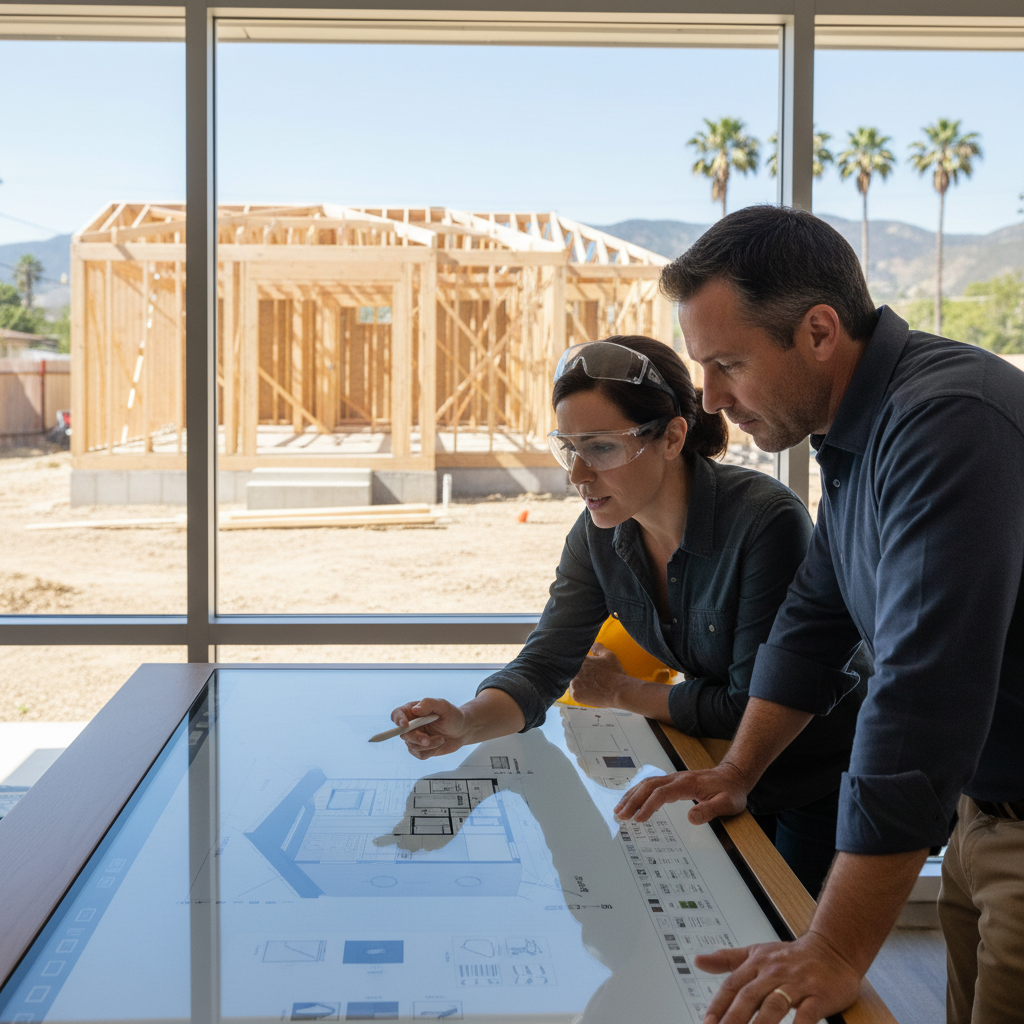
- Design & Planning: Our expert designers create plans that maximize your space, meet your aesthetic preferences, and comply with all California building codes.
- Permitting: We handle the complex permitting process, ensuring all necessary approvals are secured efficiently.
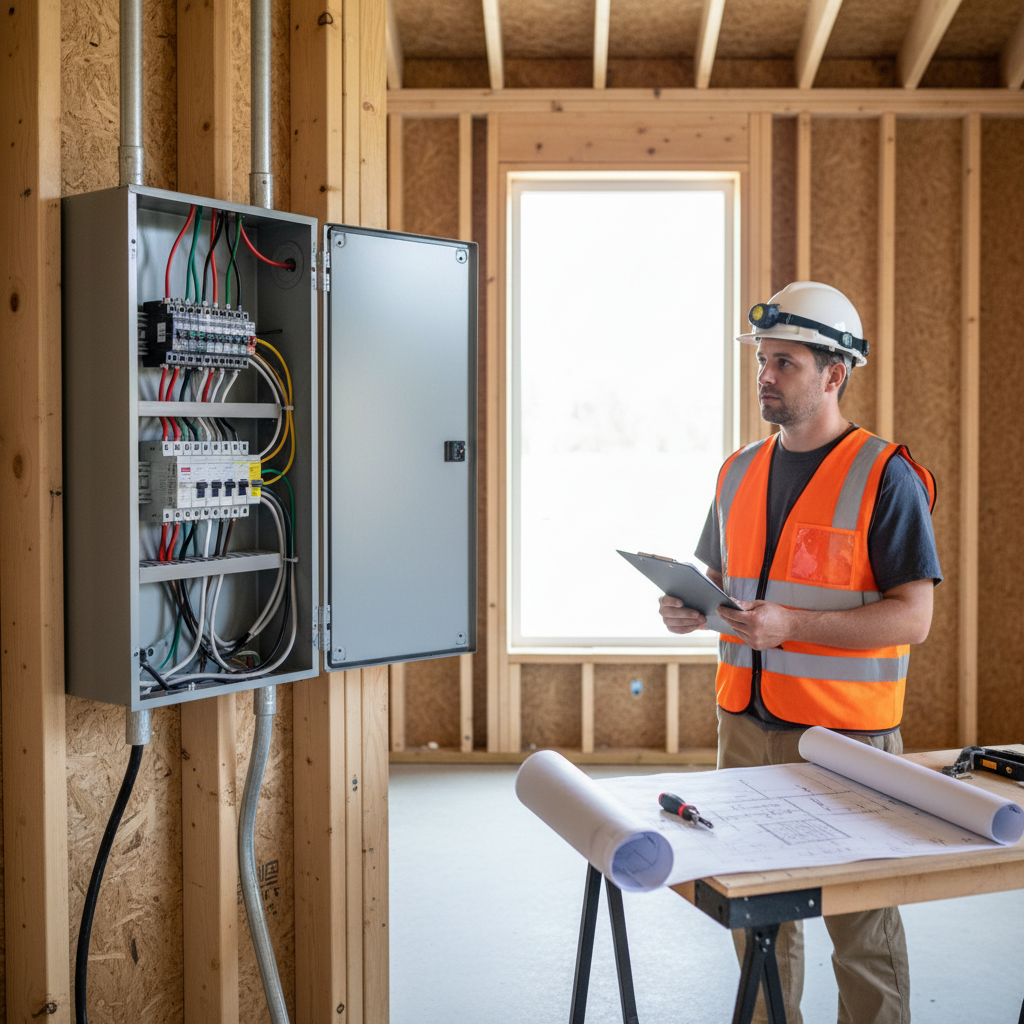
- Construction: Our experienced construction team brings your vision to life, adhering to the highest standards of quality and efficiency.
Navigating the complexities of ADU and JADU regulations, design, and construction can be daunting. Partnering with an experienced team like GatherADU ensures a smooth, stress-free process, from concept to completion. If you're ready to explore the possibilities for your property, don't hesitate to schedule a free ADU consultation.
Conclusion
Deciding between an attached ADU and a JADU conversion for your existing space in California boils down to a careful evaluation of your specific needs, property characteristics, and long-term goals. While JADUs offer a more cost-effective and streamlined approach for smaller, internally integrated units, attached ADUs provide greater independence, size, and flexibility, often leveraging existing garages or underutilized additions.
Both options present incredible opportunities to enhance your property's value and functionality. By understanding the distinctions and considering the factors outlined above, you can make an informed decision. Remember, you don't have to navigate this journey alone. GatherADU is here to provide expert guidance and support every step of the way, transforming your vision into a valuable reality.
Ready to unlock your property's full potential? Book a free consultation with GatherADU today and let our experts help you design and build the perfect attached ADU or JADU for your home.