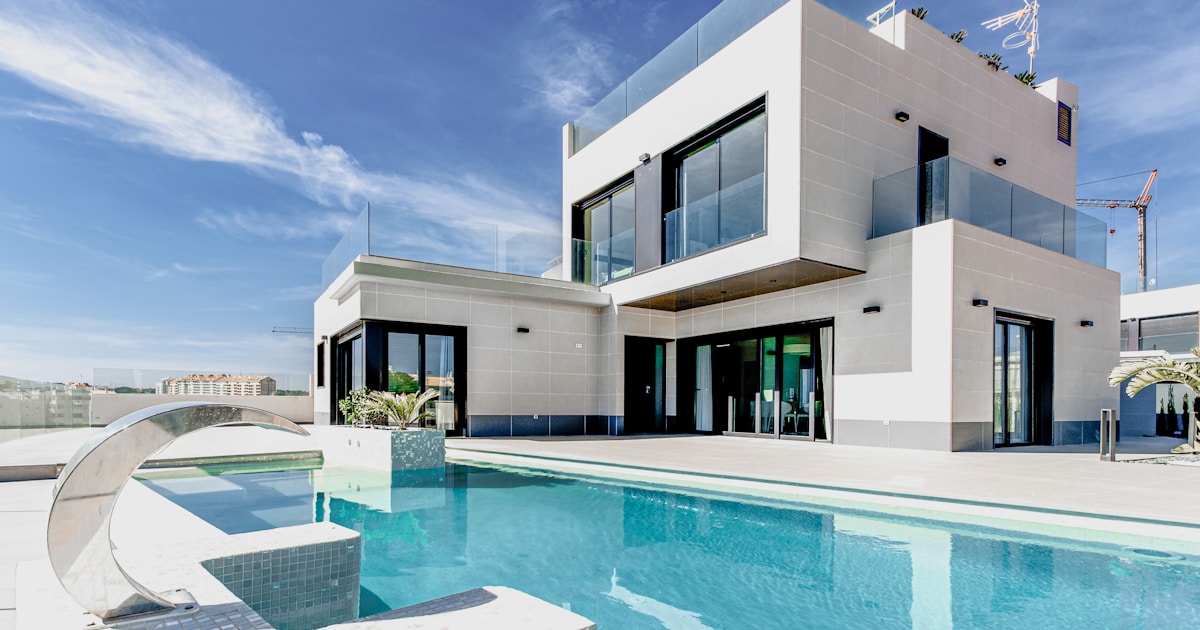

Hiring the right ADU (Accessory Dwelling Unit) contractor in Redondo Beach is essential for ensuring your project goes smoothly, meets legal requirements, and fulfills your vision. ADUs offer an ideal solution for homeowners looking to expand their living space, whether for rental income, family accommodation, or personal use. But with so many contractors available, finding one who has the right skills, experience, and reliability can be challenging.
This article covers every aspect of selecting an ADU contractor, from understanding the basics to considering key factors for hiring, knowing the regulatory landscape, assessing project costs, and asking the right questions to ensure you choose the best contractor for your project.
1. Understanding the Role of an ADU Contractor
An ADU contractor specializes in planning, designing, and constructing accessory dwelling units. This includes new construction, garage conversions, or adding ADUs to existing structures. In addition to basic construction skills, a qualified ADU contractor must be familiar with local laws, zoning requirements, and environmental regulations specific to Redondo Beach.
2. Why Hire a Specialized ADU Contractor?
Hiring an experienced ADU contractor comes with several advantages. First, they will have in-depth knowledge of Redondo Beach’s zoning laws, which will help streamline the permit process. They also understand how to optimize small spaces, maximize functionality, and ensure all structural, electrical, and plumbing work meets local standards. Specialized contractors are also experienced in working within residential areas, keeping noise, dust, and disruption to a minimum.
3. Researching ADU Contractors in Redondo Beach
Finding the right ADU contractor in Redondo Beach involves research. Here are a few methods to find reliable contractors:
- Online Directories: Sites like Angie’s List, Houzz, and Thumbtack provide reviews and ratings for local contractors.
- Referrals: Ask friends, family, or neighbors who have completed ADU projects for recommendations.
- Local ADU Forums and Groups: Many communities have online groups where you can ask for ADU contractor recommendations or read about other people's experiences.
- City’s Approved List: Redondo Beach may have a list of approved or recommended contractors for ADU projects.
4. Evaluating ADU Contractors
When evaluating potential ADU contractors, consider the following factors:
- Experience and Expertise: Ask how many ADUs they’ve completed in the Redondo Beach area. Local experience matters since Redondo Beach has unique permitting processes and design requirements.
- Licensing and Insurance: Ensure the contractor is licensed in California and carries appropriate insurance (liability and worker’s compensation).
- References and Portfolio: Ask for references and a portfolio of their past ADU projects. This will provide insight into their work quality, style, and versatility.
- Communication Skills: Clear communication is vital to ensuring the project meets your expectations and stays on schedule.
5. The Importance of a Well-Defined Contract

Having a well-defined contract is one of the best ways to protect yourself when hiring an ADU contractor. A solid contract should include:
- Detailed Scope of Work: The contract should outline every phase of the project, including timelines, materials, and who is responsible for each aspect.
- Cost Estimate: Get a breakdown of the costs involved, including labor, materials, permits, and any additional fees.
- Timeline: Specify start and completion dates, along with milestones to measure progress.
- Payment Terms: Never pay the entire project cost upfront. Instead, establish a payment schedule based on project milestones.
- Change Order Process: If you or the contractor want to make changes during construction, have a clear process outlined in the contract.
Contact our ADU Experts
6. Understanding Redondo Beach ADU Regulations
Redondo Beach has its own set of rules for ADUs, covering aspects such as size limitations, parking, and setback requirements. Here are some key regulations to consider:
- ADU Size Limits: California law allows ADUs to be a minimum of 150 sqft, with maximum sizes varying based on property type. Be sure your contractor understands these limits.
- Setbacks: Redondo Beach may require specific setbacks for ADUs from property lines or other buildings on your property.
- Parking Requirements: California relaxed parking requirements for ADUs in many areas, but ensure your contractor knows if any local rules apply.
- Zoning and Permits: Confirm the contractor has experience navigating the city’s zoning and permitting process, which can help avoid delays.
7. Budgeting for Your ADU Project
The cost of building an ADU can vary widely, depending on factors such as size, materials, design complexity, and labor costs. On average, ADUs in California can range from $100,000 to $300,000, depending on these factors. When budgeting for your ADU:
- Consult Multiple Contractors: Obtain at least three bids from qualified ADU contractors. This helps ensure you get a fair price and see how different contractors approach the project.
- Include Permits and Fees: Redondo Beach has fees for permits, inspections, and utility connections. Make sure these costs are included in your budget.
- Plan for Unexpected Expenses: Building projects often have unexpected costs. Setting aside an additional 10-15% as a contingency budget can help cover any surprises.
8. Interviewing Potential ADU Contractors
Interviewing ADU contractors is essential to understand their approach, expertise, and reliability. Here are some questions to consider:
- Can You Provide References from Recent ADU Projects?
- How Do You Handle Permits and Inspections?
- What Challenges Do You Anticipate for This Project?
- Do You Offer a Warranty?: Understand the terms of any warranties they offer on labor or materials.
- What’s Your Timeline for Completion?: Timelines should be realistic and include potential delays.
9. Reviewing ADU Contractor Bids
Once you’ve received bids, review them carefully to ensure they’re comprehensive and accurate. Look for:
- Detailed Breakdown of Costs: Avoid estimates that are too vague or lump costs into a single line item.
- Labor and Material Costs: Make sure the bid separates labor from material costs, so you can compare different contractors accurately.
- Provisions for Change Orders: Ensure there’s clarity on how additional costs or changes will be handled.
Contact our ADU Experts
10. Common Red Flags to Avoid

When hiring an ADU contractor, be cautious of these red flags:
- Demanding Full Payment Upfront: Reputable contractors don’t require full payment at the start. Instead, they may ask for a small deposit with milestone-based payments.
- No Written Contract: Verbal agreements aren’t sufficient for ADU projects. Always insist on a detailed written contract.
- Vague Timeline Commitments: Be wary of contractors who can’t provide a clear timeline or frequently delay the start date.
11. Managing the Construction Process
Managing an ADU construction project requires coordination and communication. Here’s how to stay involved without interfering:
- Schedule Regular Updates: Ask the contractor to provide weekly updates, including photos and a summary of progress.
- Be Clear About Your Expectations: Discuss any design preferences or changes as early as possible.
- Monitor Budget and Timelines: Track expenses and completion dates to make sure the project stays on track.
12. Final Inspection and Project Handover
Once construction is complete, conduct a thorough inspection with your contractor. Check that all work has been completed according to your contract and local building codes. Make sure:
- Permits Are Closed: Confirm that the contractor has fulfilled all permit requirements and closed any open permits.
- Warranty Documentation: Collect any warranties on materials or workmanship and ensure you understand the terms.
- Final Walkthrough: Walk through the ADU with the contractor to verify all systems are functional, and any agreed-upon changes are complete.
13. Maintenance and Upkeep for Your ADU
After construction, regular maintenance will keep your ADU in good condition. Common areas to monitor include:
- Plumbing and Electrical Systems: Regularly check for leaks, corrosion, or electrical issues.
- Exterior Maintenance: Keep the ADU’s exterior clean and well-maintained to extend its lifespan.
- Seasonal Inspections: Inspect the roof, windows, and doors for weather-related damage each season.
14. Additional Resources for Redondo Beach ADU Projects
There are several local resources to help you navigate your ADU project in Redondo Beach:
- City of Redondo Beach Planning Department: For the latest updates on ADU regulations and requirements.
- California Housing and Community Development (HCD) ADU Handbook: Provides guidelines on ADUs statewide.
- Redondo Beach Community Groups: Local forums can provide recommendations and advice from other residents who have completed ADU projects.
Redondo Beach ADU rules your contractor should know in 2026
Redondo Beach's ADU rules are in Redondo Beach Municipal Code Section 10-2.1506, as amended by Ordinance No. 3264-23. The Planning Division summarizes them on its ADU page, which also links to the current ordinance, the state's ADU Handbook, and the Coastal Commission's ADU guidance. The points below come from those two sources. A contractor who knows Redondo Beach should be able to tell you right away which category your ADU falls into, because that decides your size, height, and design limits. For questions about your lot, the Planning Division is at 415 Diamond Street, (310) 372-1171.
Ministerial approval in 60 days
Section 10-2.1506 says ADU and JADU applications are approved ministerially, with no discretionary review or hearing. The City approves or denies the permits within 60 days after it receives a complete, code-compliant application, if a home already exists on the lot. If you submit the ADU together with a new house, you can choose combined review. In that case, you give up the streamlined process, and the ADU can't get its certificate of occupancy before the house does.
Streamlined ADUs: the simpler path
The code lists streamlined categories that the City must approve when they meet a short list of standards. On a single-family lot:
- Within existing space: an ADU or JADU inside the existing or proposed home, or inside an existing accessory structure, with up to a 150-square-foot addition for entry and exit. It needs independent exterior access, and the City encourages placing that door so it doesn't face the front property line. A JADU is capped at 500 square feet.
- Detached new construction: at least 4 feet from the side and rear lot lines, no more than 800 square feet of living area, and no taller than 16 feet. The limit is 18 feet within one-half mile walking distance of a major transit stop or high-quality transit corridor, and the code allows 2 more feet so the ADU's roof pitch can match the main home's.
On two-family and multifamily lots, the streamlined path allows conversions of non-livable space (up to 25% of the existing units, with at least one allowed) and two detached new ADUs per lot, with the same setback and height limits. All streamlined units need at least 5 feet from other structures on the site unless the building meets fire-rating requirements.
Other ADUs: more room, more rules
An ADU that doesn't fit a streamlined category is reviewed under Section 10-2.1506(c). That includes larger units and attached additions that expand the home by more than 150 square feet. This path is limited to one ADU per lot, and the lot can't already have another ADU or JADU. These units must meet the single-family standards for the zone, such as site coverage, floor area ratio, and building envelope, with some exceptions:
- Size: up to 850 square feet for a studio or one-bedroom and 1,000 square feet with more than one bedroom. Percentage, coverage, and floor area rules can't push the unit below 800 square feet.
- Setbacks: at least 4 feet from the side and rear lot lines for new construction. No setback is required for an ADU inside an existing structure or one rebuilt in the same place with the same dimensions.
- Height: 16 feet, or 18 feet near major transit or on a lot with a multistory multifamily building, plus 2 feet for a matching roof pitch. An attached ADU of up to two stories can go up to 25 feet or the zone's height limit for the main home, whichever is lower.
- Design: use siding, colors, window types, trims, roofing, and roof pitch similar to the main home's. An attached ADU's entrance should not be visible from the street where feasible, and new entrances to an attached ADU can be only on the side or rear. A detached ADU's entrance must be at least 4 feet from any property line, and the City encourages 10 feet.
- Alleys: if your lot abuts an alley, any driveway access for the ADU must come from the alley.
- Historic properties: the City applies its Preservation Ordinance, including any Mills Act contract, to these ADUs.
Under this path, one parking space is required unless an exemption applies, such as being within one-half mile walking distance of public transit. Neither path requires fire sprinklers unless the main home needs them.
A good contractor will show you whether staying at 800 square feet and 16 feet to use the streamlined path is worth giving up the extra space of the other path.
Utilities, rentals, and resale
- Utility connections: a streamlined ADU or JADU inside existing space doesn't need a new or separate utility connection, and the City can't charge a related connection fee or capacity charge. A new detached ADU may need its own connection, plus a fee in proportion to its size or plumbing fixtures.
- Rentals: ADUs and JADUs can be rented only for terms of 30 consecutive days or more.
- Resale: the ADU can't be sold separately from the main home, except as state law allows.
- JADU deed restriction: a JADU needs a recorded deed restriction before the building permit is issued.
Owner occupancy: ask before you build to rent
Both the code and the City's ADU page say that for ADUs permitted after January 1, 2025 in single-family zones, the owner must live in either the main home or the ADU.
State law now reads differently. Government Code Section 66315 says no standards beyond those in Section 66314 may be imposed on an ADU on a single-family lot, "including an owner-occupant requirement," except a rule limiting rentals to terms of 30 days or longer. Owner occupancy can still apply to a JADU that shares a bathroom with the main home, under Government Code Section 66333. In a May 2026 technical assistance letter, the California Department of Housing and Community Development (HCD) told the City that the most recent Redondo Beach ADU ordinance on file with HCD was from 2023 and may be out of date with state law.
If you plan to rent both the house and the ADU without living there, ask the Planning Division in writing how it will apply the owner-occupancy rule to your permit before you commit to a design.
Properties in the Coastal Zone
The City says it applies a "coastal lens" to ADUs in the Coastal Zone, following the California Coastal Commission's ADU guidance dated July 1, 2026. Coastal Act protections for sensitive habitats, public access, public views, and coastal hazards can't be waived. The City says it uses variances or modifications to ease other design standards where it can, and uses categorical exclusions where they apply to exempt some infill ADUs from a Coastal Development Permit. If your lot is near the coast, ask your contractor whether your project will need a Coastal Development Permit and how that changes the schedule.
Questions to ask a Redondo Beach contractor
- Does my ADU fit a streamlined category, or will it go under the other-ADU standards, and why?
- How tall is the ADU when measured from the lowest above-ground point to the top of the roof, and does my lot qualify for 18 feet?
- Does my lot abut an alley, and how does that affect driveway access?
- Will a new detached ADU need its own utility connection, and is that fee in your bid?
- Is my property in the Coastal Zone, and have you handled a Coastal Development Permit or categorical exclusion for an ADU?
If you'd like help sorting out which path fits your Redondo Beach lot before you collect bids, book a free consultation with our team. We've completed over 127 ADU project designs and can review your plans against the City's current code.
Closing Notes
Hiring the right ADU contractor in Redondo Beach is crucial to bringing your vision to life. By thoroughly researching contractors, verifying credentials, and clearly defining expectations, you can help ensure a successful, on-time, and within-budget ADU project. Working with a qualified ADU contractor not only simplifies the construction process but also provides peace of mind knowing your project meets Redondo Beach’s legal standards and aligns with your personal goals.