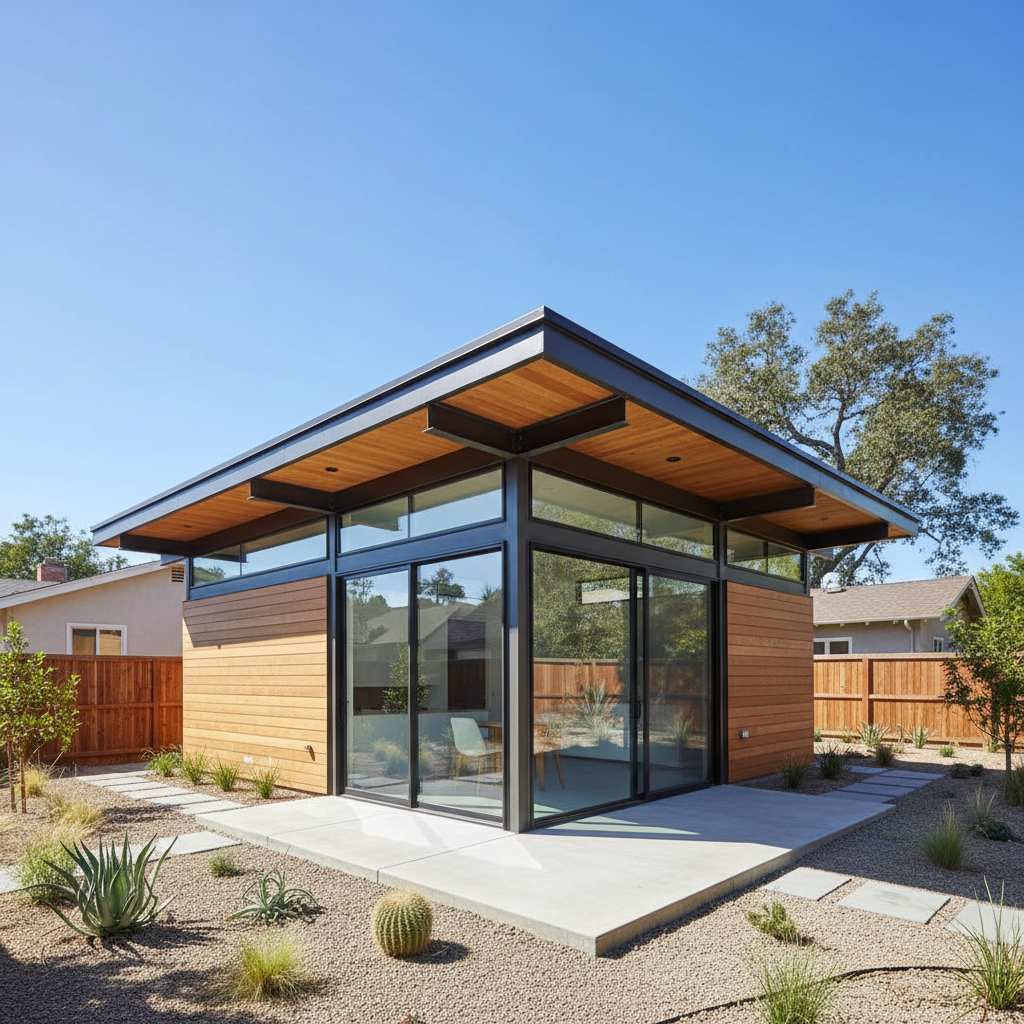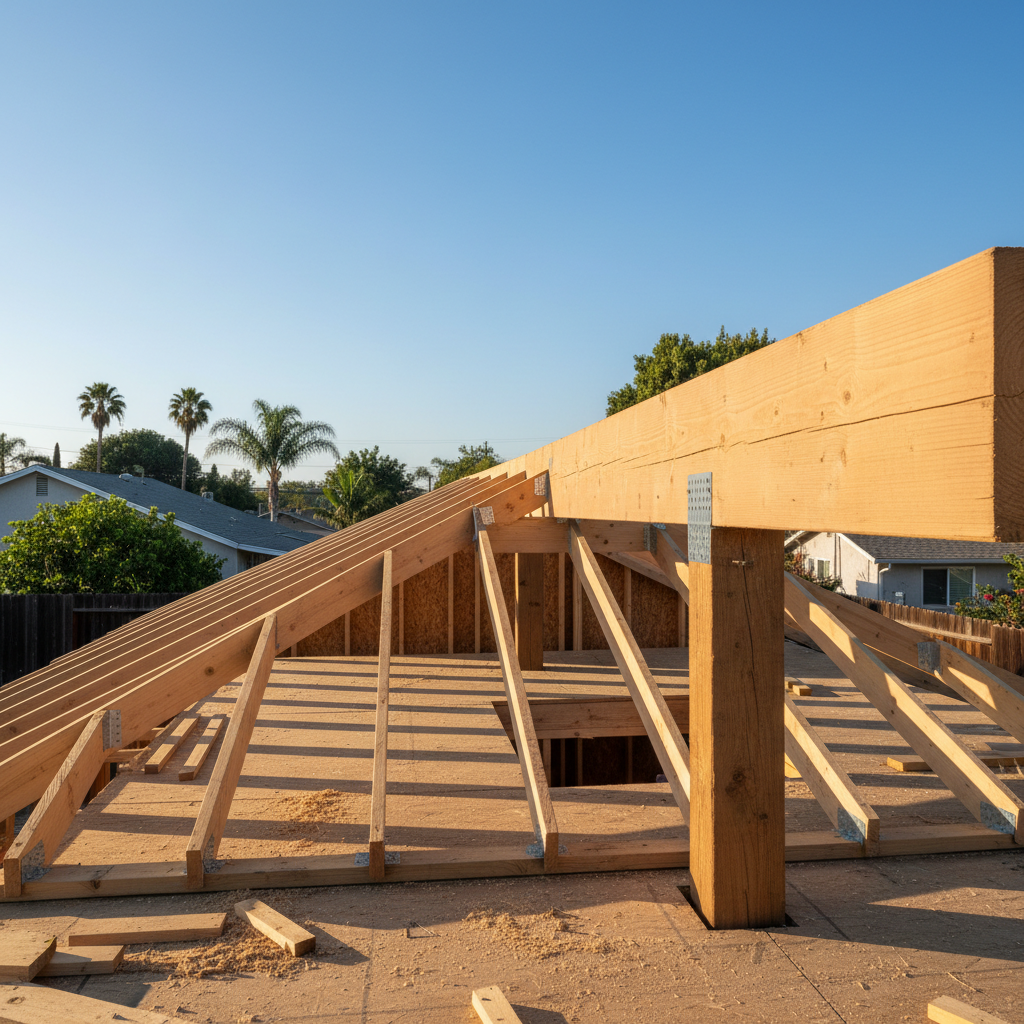
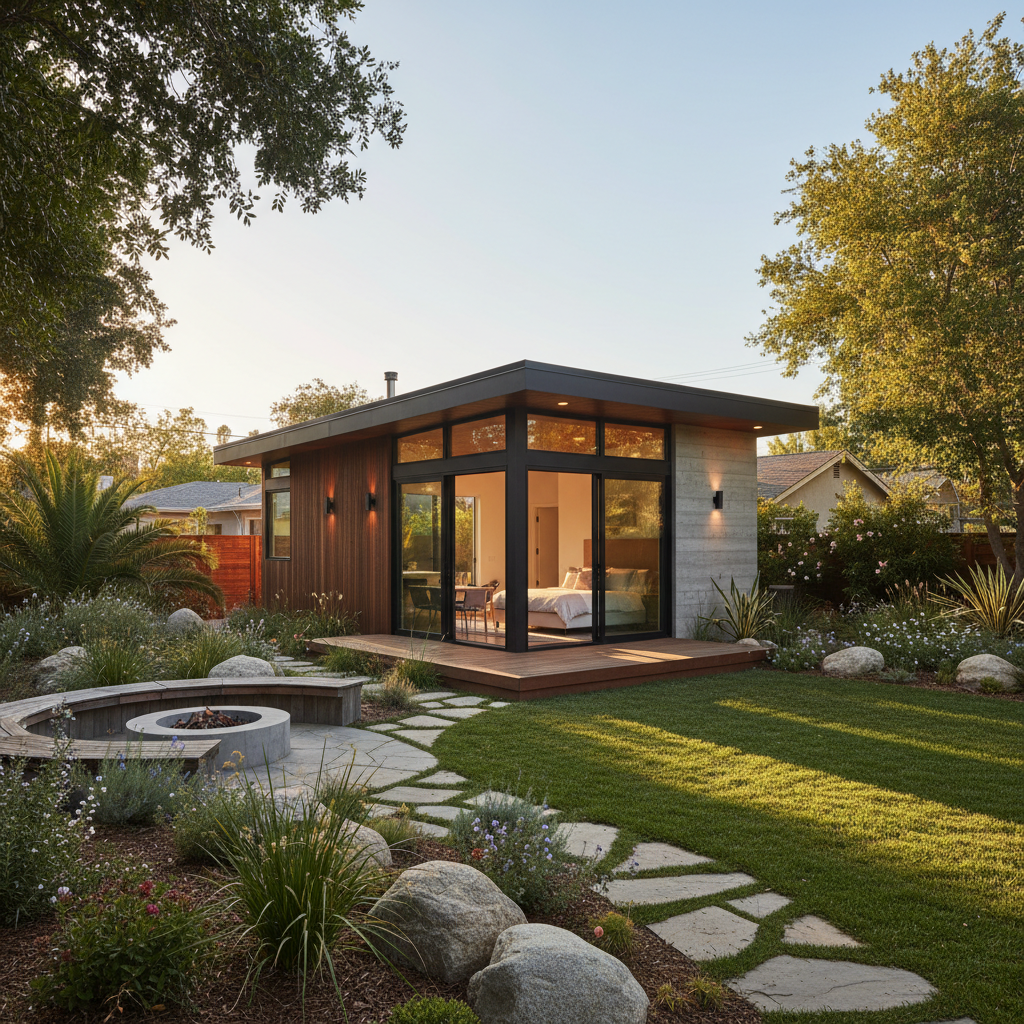
Many California homeowners dream of adding an Accessory Dwelling Unit (ADU) to their property, whether for family, rental income, or extra space. However, the permitting process has historically been a significant hurdle, often perceived as slow, complex, and unpredictable. If you've heard stories of endless delays and bureaucratic red tape, you might be wondering: have things changed? The good news is, California has continued to evolve its ADU laws, and recent legislative efforts aim to make obtaining California ADU permits more efficient and predictable. Let's dive into the key updates that are designed to help you navigate your ADU project with greater ease.
For years, local jurisdictions across California had significant discretion in reviewing ADU applications. This often led to varying requirements, lengthy review cycles, and a frustrating back-and-forth process, where homeowners felt their applications were stuck in limbo. These challenges discouraged many from pursuing ADU projects, despite the clear benefits these units offer for housing supply and homeowner flexibility.
Recognizing the critical need for more housing and the potential of ADUs to address this, California has been at the forefront of ADU-friendly legislation. These laws aim to standardize processes, limit local discretion, and ultimately accelerate the creation of these vital housing units. The latest significant update, SB 543, specifically targets the initial stages of the permit review process.
Understanding SB 543: Streamlining the Permit Review Process
One of the most common pain points in the ADU journey is the initial review of an application for "completeness." Homeowners often submitted plans, only to wait weeks or months for a city planner to identify missing items, leading to repeated submissions and delays. Senate Bill 543 (SB 543), effective January 1, 2024, directly addresses this by imposing strict deadlines on local agencies.
The 15-Business-Day Completeness Rule
Under SB 543, once you submit your ADU permit application, the local agency now has a maximum of 15 business days to review it and determine if it is complete. This is a critical change. During this window, the city must inform you if any specific items are missing or if the application is otherwise incomplete. This gives homeowners a clear timeline for receiving initial feedback.
Automatic Completeness: When the Clock Runs Out
What happens if the city misses that 15-business-day window? This is where SB 543 introduces a significant safeguard for applicants. If the local agency fails to notify you of any deficiencies within the 15-business-day period, your application is automatically deemed complete and accepted. This prevents applications from languishing indefinitely without initial review, pushing cities to be more responsive.
Limited Review on Resubmittals
Another common source of frustration was the "moving target" phenomenon, where each resubmission of plans brought up new requests for information that weren't mentioned in previous reviews. SB 543 tackles this directly: if you resubmit an application after addressing the city's initial comments, the local agency can only request corrections or additional information that was identified in the previous review. They cannot introduce new issues that should have been caught earlier. This means a more focused and predictable review process for homeowners, reducing the back-and-forth.
These provisions of SB 543 are designed to bring greater accountability and efficiency to the initial stages of the ADU permitting process, helping to move projects forward more swiftly from the outset.
Relief for Your Wallet: ADU Impact Fee Exemptions
Beyond the process itself, the cost of building an ADU can be a major consideration. One component of these costs often includes "impact fees," which are charges levied by local governments on new development to help fund public services like parks, schools, roads, and utilities that are impacted by new residents. California law has also made significant strides in reducing these costs for smaller ADUs.
- ADUs Under 750 Square Feet: Full Exemption
If your proposed ADU is less than 750 square feet in size, it is now entirely exempt from all impact fees. This is a substantial financial benefit that can save homeowners thousands, or even tens of thousands, of dollars depending on the local jurisdiction. - Junior ADUs (JADUs) Under 500 Square Feet: Full Exemption
Similarly, all Junior Accessory Dwelling Units (JADUs), which are typically created within an existing single-family home and are generally under 500 square feet, are also fully exempt from all impact fees.
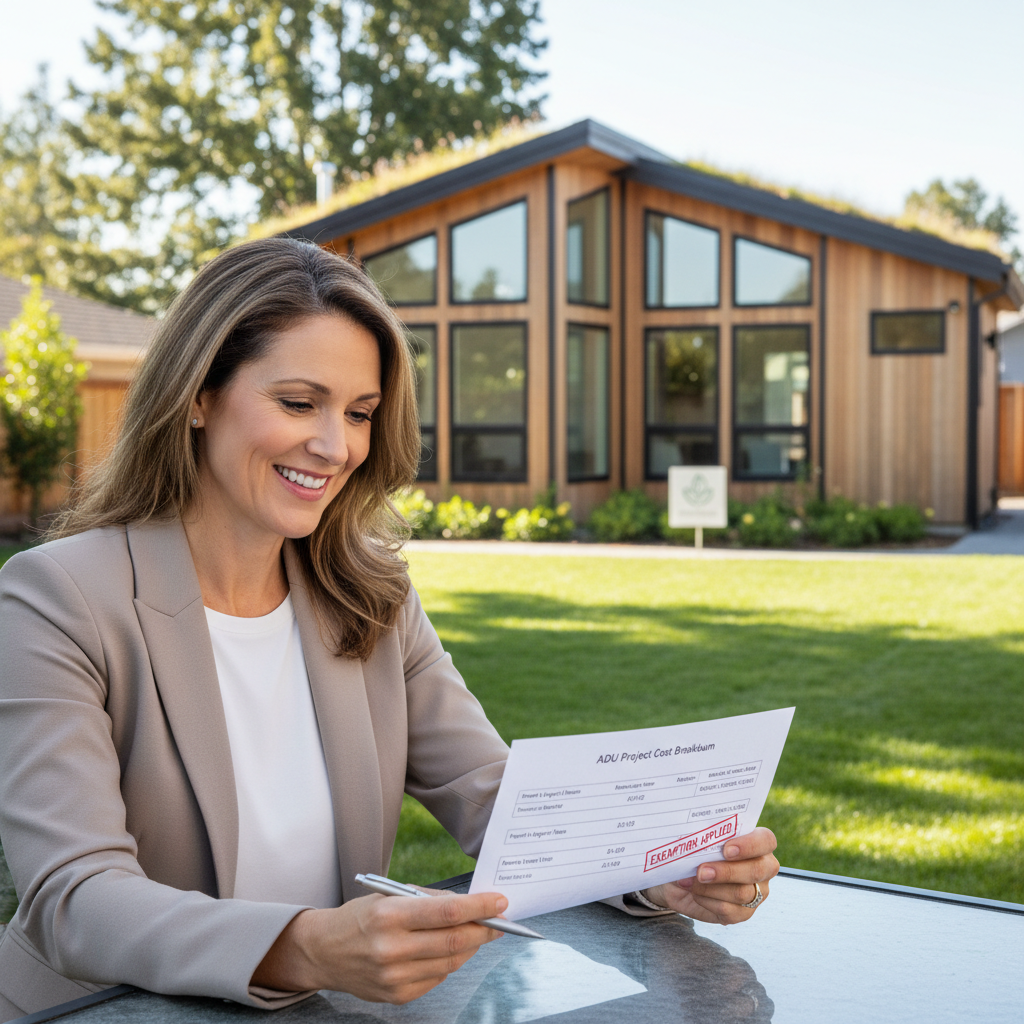
For larger ADUs (750 square feet and above), impact fees may still apply, but they must be proportional to the square footage of the ADU compared to the primary dwelling. These exemptions are a direct incentive to build smaller, more affordable ADUs, making these projects more financially viable for many California homeowners.

What These Changes Mean for You, the California Homeowner
These legislative updates represent a significant shift in the landscape of California ADU permits. They reflect a statewide commitment to fostering housing solutions by directly addressing common pain points in the construction process.
- Increased Predictability: The 15-business-day rule for completeness review means you'll receive initial feedback faster, reducing the uncertainty that plagued many past applicants. The limitation on new requests during resubmittals also means a more focused and predictable journey once your application is deemed complete. You'll have a clearer idea of timelines and fewer unexpected hurdles during the initial application stages.
- Potential Cost Savings: The impact fee exemptions are a direct financial benefit, making ADU projects, particularly those under 750 square feet, significantly more affordable. This can lower the barrier to entry for many homeowners considering an ADU.
- Reduced Bureaucracy: The spirit of these laws is to reduce unnecessary delays and streamline the process, allowing homeowners to realize their ADU dreams faster and with less administrative burden.
However, it's crucial to remember that while the process is more streamlined, the responsibility for submitting a complete, well-designed, and compliant application remains with the homeowner and their design team. These laws don't guarantee approvals or specific timelines for construction, but they do aim to make the initial permit review more efficient and fair. A thorough and accurate initial submission remains the best way to leverage these new rules effectively.
Tips for a Smoother ADU Permitting Journey
Even with streamlined regulations, a well-prepared application is your best asset. Here are a few tips to maximize your chances of a quick review:
- Work with Experts: Partner with an ADU design and build company like GatherADU that understands the latest regulations and local nuances. Their experience can prevent common errors that lead to delays.
- Detailed Plans: Ensure your architectural and engineering plans are comprehensive, clear, and meet all current building codes and zoning requirements from the outset.
- Pre-Application Meetings: In some jurisdictions, a pre-application meeting with city planners can clarify specific requirements for your property, though this isn't always mandatory for ADUs.
- Be Responsive: If the city does identify missing items within the 15-business-day window, respond promptly and accurately to keep your project moving forward.
Navigating the New Landscape of California ADU Permits
Even with these positive changes, successfully navigating the ADU permitting process still requires expertise. Understanding local zoning ordinances, building codes, and how to effectively present a complete application can make all the difference. Working with experienced professionals who are up-to-date on the latest state and local regulations is invaluable.
At GatherADU, we specialize in helping California homeowners design and build compliant, beautiful, and functional ADUs. Our team is intimately familiar with the nuances of California ADU permits and can guide you through every step of the process, from initial concept to final approval.
GatherADU's Feasibility and Schematic Design Offer
To help you get started with confidence, GatherADU offers a comprehensive Feasibility and Schematic Design package for just $500. This includes:
- A detailed property analysis to understand your site's unique potential and constraints.
- Review of local zoning and ADU regulations applicable to your property.
- Preliminary design concepts tailored to your needs and property.
- A clear understanding of the project scope and initial cost estimates.
This package is designed to provide you with a solid foundation and a clear roadmap for your ADU project, ensuring you start on the right foot. It’s an ideal way to explore your options without a large initial commitment. To take advantage of this offer and begin your ADU journey, learn more and schedule your feasibility study with GatherADU.
Conclusion
The landscape for California ADU permits is continuously improving, with recent laws like SB 543 and crucial impact fee exemptions making the process more predictable and affordable. While building an ADU still requires careful planning and adherence to regulations, these changes are a clear win for homeowners looking to expand their living space or generate rental income. Don't let past perceptions deter you; the path to your backyard home is clearer than ever. Ready to explore the potential of an ADU on your property? Book a free ADU consultation with GatherADU today or call us at +1 323 591 3717 to discuss your vision and learn how we can help you navigate the updated permitting process seamlessly.