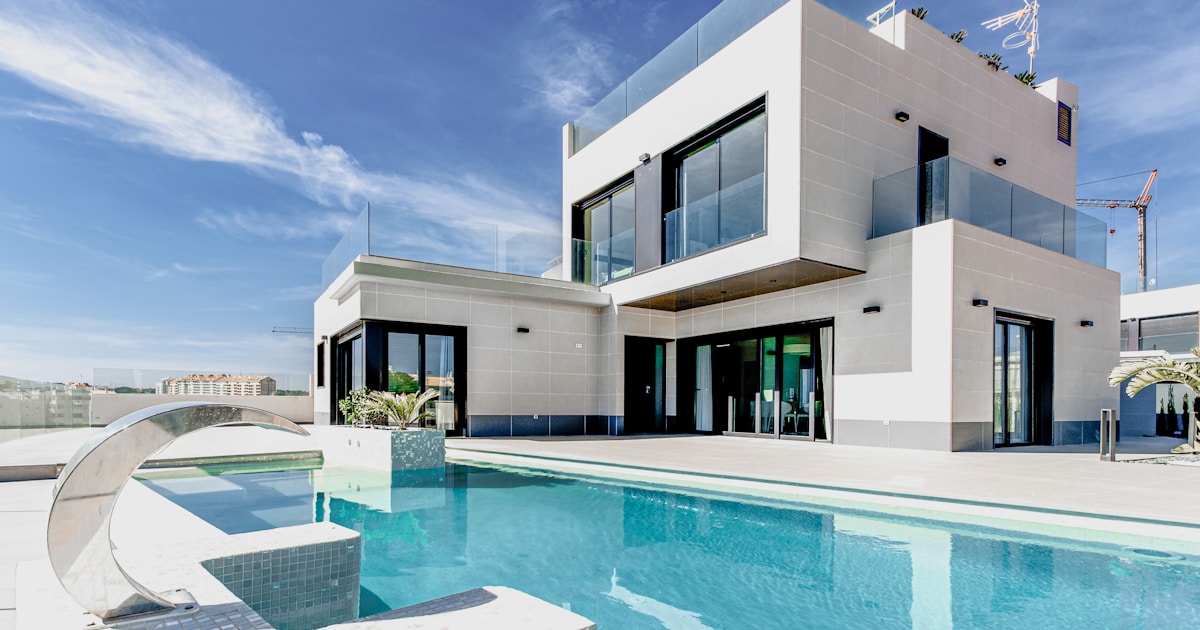

As the demand for affordable housing continues to rise, Accessory Dwelling Units (ADUs) have emerged as a popular solution for homeowners looking to maximize their property’s potential. An ADU, often referred to as a “granny flat” or “in-law suite,” offers additional living space that can serve various purposes—from housing family members to generating rental income. If you're considering building an ADU in Granada Hills, selecting the right builder is crucial to ensure a successful project. This comprehensive checklist will guide you through the process of choosing an ADU builder in Granada Hills.
Understanding ADUs: What You Need to Know
Before diving into the checklist, it's essential to understand what an ADU is and why it’s becoming increasingly popular in California, particularly in areas like Granada Hills.
Definition of an ADU
An Accessory Dwelling Unit (ADU) is a secondary housing unit on a single-family residential lot. It can be a detached unit, a garage conversion, or a unit built within the primary home. ADUs provide flexible living options and are often more affordable than traditional housing.
Benefits of Building an ADU
- Additional Income: Renting out an ADU can provide a significant source of income.
- Increased Property Value: An ADU can enhance your property’s value and appeal to future buyers.
- Family Proximity: ADUs offer a solution for families wanting to live near one another while maintaining privacy.
- Affordable Housing Option: With the rising cost of living, ADUs offer an affordable housing solution.
Local Regulations and Permits
Granada Hills, like many neighborhoods in Los Angeles, has specific regulations regarding ADUs. Before choosing a builder, familiarize yourself with local zoning laws and building codes to ensure compliance.
The Ultimate Checklist for Choosing an ADU Builder in Granada Hills

Selecting the right ADU builder can make or break your project. Here’s a detailed checklist to help you through the decision-making process:
1. Research Potential Builders
a. Online Presence
Look for builders with a strong online presence. Check their website, social media profiles, and online reviews. A professional website typically indicates a reputable builder.
b. Reviews and Testimonials
Read client testimonials and reviews on platforms like Google, Yelp, and Houzz. Look for patterns in feedback regarding quality, communication, and project management.
c. Portfolio of Work
Examine the builder's portfolio to assess the quality of their previous ADU projects. Ensure their style aligns with your vision.
2. Verify Credentials
a. Licensing
Ensure that the builder is licensed and insured in California. You can verify their license status through the California Department of Consumer Affairs.
b. Certifications
Check if the builder has additional certifications, such as LEED accreditation or other industry-related designations, which can indicate expertise.
c. Experience
Choose a builder with significant experience in constructing ADUs. Experience in navigating the permitting process and local regulations is invaluable.
3. Schedule Interviews
a. Initial Consultations
Schedule interviews with at least three potential builders. Use this opportunity to discuss your project, budget, and timeline.
b. Communication Style
Pay attention to how well they communicate. A good builder should be attentive, answer your questions clearly, and show genuine interest in your project.
Get in touch with our ADU Professionals
4. Assess Previous Work
a. Site Visits
If possible, visit some of the builder’s completed projects. This will give you a firsthand look at their craftsmanship and attention to detail.
b. Ask for References
Request references from previous clients and contact them to inquire about their experiences with the builder.
5. Discuss Design and Customization Options
a. Flexibility in Design
Ensure the builder is open to customizing designs to meet your specific needs and preferences.
b. Collaboration with Architects
Inquire if the builder collaborates with architects. Having an architect involved can enhance the design process and ensure compliance with local regulations.
6. Understand the Budget
a. Detailed Estimates
Ask for a detailed estimate that breaks down costs. Ensure it includes materials, labor, permits, and any potential additional expenses.
b. Payment Structure
Discuss the payment structure. Understand how much is required upfront and the payment milestones throughout the project.
7. Timeline and Project Management
a. Estimated Timeline
Request a timeline for project completion. Understand the various phases of construction and how long each is expected to take.
b. Project Management Style
Ask how the builder manages projects. Will you have a dedicated project manager? How will you communicate during the construction phase?
8. Warranty and Aftercare
a. Warranty on Work
Inquire about the warranty on the work performed. A reputable builder should offer a warranty that covers defects in workmanship and materials.
b. Aftercare Services
Discuss any aftercare services they provide. Some builders offer maintenance packages or follow-up inspections after project completion.
9. Permitting Process Knowledge
a. Local Regulations
Ensure the builder has a deep understanding of Granada Hills’ ADU regulations. They should be knowledgeable about zoning laws, setback requirements, and building codes.
b. Handling Permits
Inquire if the builder will handle the permitting process on your behalf. This can save you time and ensure compliance with local laws.
Get in touch with our ADU Professionals
10. Eco-Friendly Practices

a. Sustainable Building Materials
Ask if the builder uses sustainable materials and practices. Eco-friendly building can reduce your carbon footprint and may qualify you for incentives.
b. Energy Efficiency
Inquire about energy-efficient options for your ADU. Features like energy-efficient windows, insulation, and appliances can save you money in the long run.
11. Contracts and Agreements
a. Written Contract
Once you choose a builder, ensure you receive a written contract outlining all project details, costs, and timelines.
b. Clear Terms and Conditions
Review the terms and conditions thoroughly. Ensure you understand the terms related to payment schedules, delays, and any potential penalties.
12. Finalize Your Choice
After completing your research and interviews, weigh the pros and cons of each builder. Consider their communication, experience, and your gut feeling about working with them.
Granada Hills add-ons to the checklist: historic tract, hillside and fire zones, and LADBS
Granada Hills is part of the City of Los Angeles, so an ADU here is reviewed under City zoning and California ADU law and permitted and inspected by the Los Angeles Department of Building and Safety (LADBS). The checklist above works anywhere. A few local conditions in Granada Hills can change what you are allowed to build and how long review takes, so add these checks before you choose a builder.
Check whether you are in the Balboa Highlands HPOZ
Granada Hills has one of the City's historic districts. The Balboa Highlands Historic Preservation Overlay Zone covers the original 108-home subdivision built by developer Joseph Eichler between 1962 and 1964, generally on Lisette Street, Nanette Street, Jimeno Avenue, and part of Darla Avenue. City Planning describes it as the first post-World War II neighborhood in the San Fernando Valley to achieve historic district status and the only Eichler development in Los Angeles County. City Council adopted the HPOZ in 2010, and projects in it are reviewed under the Balboa Highlands Preservation Plan, with an HPOZ Board that advises on proposals.
If your home is in the tract, ask every builder whether they have worked on an HPOZ project and how they plan to design an ADU that fits the Preservation Plan. California law still applies. Under Government Code Section 66314, cities may set objective ADU standards, including "standards that prevent adverse impacts on any real property that is listed in the California Register of Historical Resources." The same section says a city may not require you to post a placard or give written notice before demolishing a detached garage that will be replaced with an ADU, "unless the property is located within an architecturally and historically significant historic district." In other words, a historic district can add steps that other Granada Hills lots do not have.
Check for Hillside Area and fire zone mapping
The northern part of Granada Hills rises into the foothills, so pull your parcel on ZIMAS and look for two things: a Hillside Area designation and a Very High Fire Hazard Severity Zone. The City's ADU ordinance, Los Angeles Municipal Code Section 12.22 A.33(c)(4), prohibits ADUs on lots that are in both, unless the project meets listed exceptions. The City's Zoning Administrator Memo 143 explains that, following state housing guidance, this restriction may not be enforced on the state-law ADU types approved under Government Code Section 66323, and that for other ADU types the City may not apply sprinkler, parking, or off-site improvement conditions that conflict with state ADU law. So if your lot is mapped in both, the type of ADU you choose matters. Ask each builder which type they are proposing and how that affects review.
Even outside those zones, sloped lots can mean extra grading, retaining walls, or soils reports. A builder who quotes a hillside lot the same way as a flat lot should explain why.
Plan around the garage
If you are converting a garage or tearing one down to build, Section 66314 says the City "shall not require that those offstreet parking spaces be replaced," and a demolition permit for a detached garage being replaced with an ADU must be reviewed with the ADU application and issued at the same time. It also says an ADU does not need fire sprinklers if they are not required for the main house. Make sure your builder's schedule reflects both rules.
Confirm the LADBS path and timeline
LADBS takes plan check submittals online through ePlanLA, and the closest in-person LADBS office is the Van Nuys Development Services Center at 6262 Van Nuys Blvd. The Balboa Highlands HPOZ Board also meets at the Marvin Braude Constituent Service Center at that same address. Under Government Code Section 66317, the City must approve or deny a complete ADU application within 60 days. Ask each builder to show where their schedule starts, how much time they expect for corrections, and who requests each inspection.
Put the money terms in writing
Check the builder's license on the CSLB license check and make sure the name on the license matches the name on the contract. Under Business and Professions Code Section 7159.5, a down payment on a home improvement contract "shall not exceed one thousand dollars ($1,000) or 10 percent of the contract amount, whichever amount is less," unless the contractor qualifies for a bond exemption, and later payments should match work actually completed.
Granada Hills questions to add to your checklist
- Is my home in the Balboa Highlands HPOZ, and have you designed an ADU under an HPOZ Preservation Plan before?
- Does ZIMAS show my lot in a Hillside Area, a Very High Fire Hazard Severity Zone, or both?
- Which ADU type are you proposing, and how does that affect review on my lot?
- Will my lot need grading, retaining walls, or a soils report?
- If you are replacing my garage, will the demolition permit be issued with the ADU permit?
- Does your payment schedule follow Section 7159.5?
If you would like help working out what your Granada Hills lot allows, GatherADU has completed over 127 ADU project designs, and you can book a free consultation.
Final Notes
Choosing the right ADU builder in Granada Hills is a crucial step toward achieving your home improvement goals. By following this comprehensive checklist, you can ensure that you select a builder who aligns with your vision, budget, and timeline. The right builder will not only help you navigate the complexities of building an ADU but also deliver a quality product that enhances your property and meets your needs.
Building an ADU can be an exciting journey, offering opportunities for additional income and a versatile living space. By taking the time to thoroughly research and evaluate potential builders, you’ll set the foundation for a successful project that brings your vision to life.