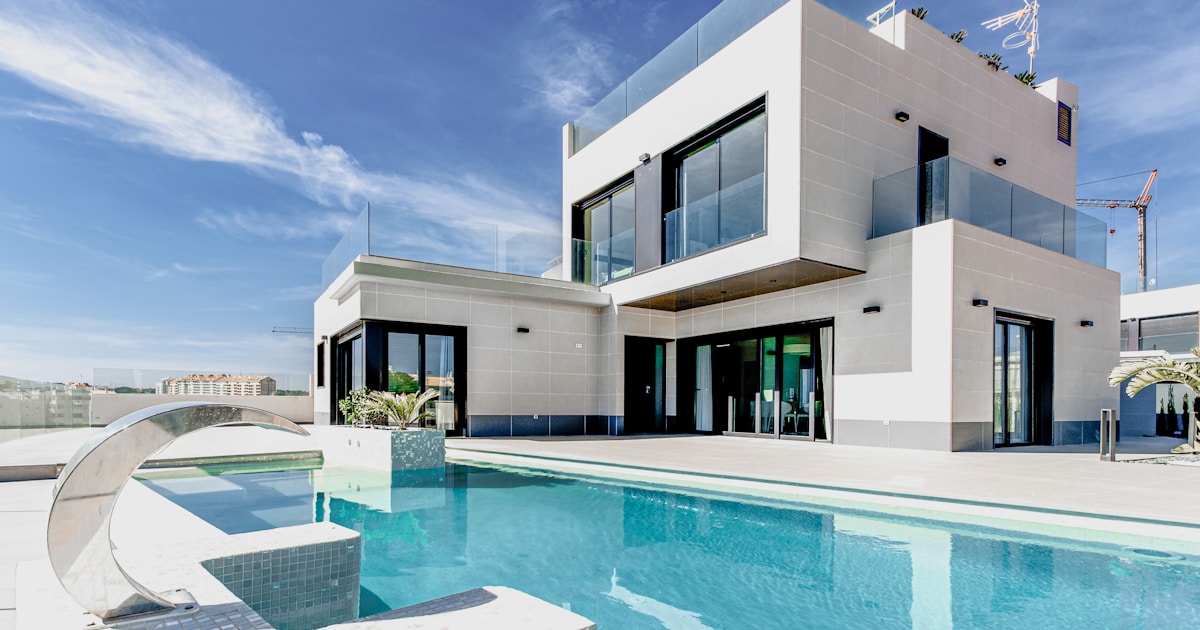

As the demand for affordable housing options continues to rise, many homeowners in South Pasadena are turning to Accessory Dwelling Units (ADUs) as a viable solution. These secondary living units can provide a multitude of benefits, including increased property value, additional rental income, or a comfortable space for family members. However, the success of your ADU project largely depends on the contractor you choose to bring your vision to life. With so many options available, it can be challenging to know what to ask potential ADU contractors before making a decision. In this article, we’ll explore the top five questions you should ask your ADU contractor in South Pasadena to ensure your project is a success.
1. What is Your Experience with ADU Construction?
One of the most critical factors in selecting an ADU contractor is their experience in building similar units. ADU construction has unique requirements that differ from traditional home building, including zoning regulations, permitting processes, and design considerations. When interviewing potential contractors, ask them about their specific experience with ADUs in South Pasadena.
Importance of Relevant Experience
A contractor with extensive ADU experience will be familiar with local codes and regulations, which can save you time and money. They should also have a portfolio of completed projects, showcasing their ability to execute designs similar to your vision. You can request references from past clients to gauge their satisfaction levels and learn about any challenges the contractor may have faced during their ADU projects.
Questions to Consider
- How many ADUs have you built in South Pasadena?
- Can you provide examples or photos of your completed ADU projects?
- Are you familiar with the specific zoning regulations and permitting requirements in South Pasadena?
2. What Is Your Project Management Process?

An effective project management process is crucial for keeping your ADU construction on schedule and within budget. During your discussions with potential contractors, ask about their approach to project management, including communication, scheduling, and problem resolution.
Understanding the Process
A reliable contractor should have a well-defined process for managing projects, which typically includes:
- Initial Consultation: Discussing your needs, budget, and timeline.
- Design Phase: Collaborating with architects or designers to create detailed plans.
- Permitting: Handling the submission of necessary permits and approvals.
- Construction Phase: Overseeing the building process, including subcontractors and materials.
- Final Walkthrough: Conducting a final inspection to ensure quality and address any concerns.
Questions to Consider
- How do you communicate with clients during the project?
- What is your process for handling delays or unexpected issues?
- Can you provide a detailed timeline for my ADU project?
Schedule a call with our expert architects
3. What Is the Estimated Cost and Payment Structure?
Understanding the financial aspects of your ADU project is essential for avoiding budget overruns and financial stress. When discussing costs with your contractor, be sure to ask for a detailed estimate that outlines all potential expenses.
Factors Influencing Costs
The cost of constructing an ADU can vary significantly based on several factors, including:
- Size and Design: Larger or more complex designs will naturally cost more.
- Site Conditions: The condition of your property, such as slope or soil quality, can impact construction costs.
- Material Choices: High-quality or custom materials will increase the overall budget.
- Labor Costs: The availability of skilled labor in your area can also affect pricing.
Payment Structure
Ask your contractor about their payment structure. Some may require a deposit upfront, followed by progress payments as the project advances. Ensure you understand the payment schedule and what triggers each payment.
Questions to Consider
- Can you provide a detailed cost estimate for the project, including all potential expenses?
- What is your payment structure, and what milestones trigger each payment?
- Are there any potential additional costs I should be aware of?
4. How Do You Handle Permitting and Zoning Issues?
Navigating the permitting and zoning process is one of the most challenging aspects of ADU construction. South Pasadena has specific regulations governing the construction of ADUs, and it’s essential to work with a contractor who understands these requirements.
Importance of Compliance
Failure to comply with local regulations can lead to delays, fines, or even having to remove the ADU altogether. Your contractor should have a thorough understanding of the permitting process and be able to manage it on your behalf.
Questions to Consider
- How do you handle the permitting process for ADUs in South Pasadena?
- Are you familiar with the specific zoning regulations that apply to my property?
- Can you assist me in ensuring that my ADU meets all local building codes and regulations?
5. What Kind of Warranty or Guarantee Do You Offer?

A reputable ADU contractor should stand by their work, offering warranties or guarantees that provide peace of mind for homeowners. Understanding the terms of these warranties is crucial for protecting your investment.
Types of Warranties
Warranties can vary from contractor to contractor but typically include:
- Workmanship Warranty: Covers defects in workmanship for a specified period after completion.
- Material Warranty: Covers defects in materials used in construction, which may be provided by the manufacturer.
- Service Guarantee: Some contractors offer a guarantee for ongoing service or maintenance.
Questions to Consider
- What type of warranty do you provide for your work?
- How long does the warranty last, and what does it cover?
- What is your process for handling warranty claims or issues after completion?
Schedule a call with our expert architects
What California law and South Pasadena's permit process mean for the contractor you hire
The five questions above are a good start. In South Pasadena you can make them sharper, because two things are written down: California's home improvement contract law, which says what a contractor's contract must include, and the City's own steps for ADU applications, permits, and inspections. Use this section to turn each question into something you can check on paper.
Check the license yourself
Look up any contractor you are considering on the Contractors State License Board (CSLB) license check. Confirm that the license is active, that the name matches the company on the contract, and that the record shows workers' compensation coverage or an exemption. CSLB's own required contract notice puts it plainly: "Use only licensed contractors." If you use an unlicensed contractor, CSLB "may not be able to help you resolve your complaint."
What the contract must include under Business and Professions Code Section 7159
For home improvement work over $500, Business and Professions Code Section 7159 requires a written contract, signed by both parties before work starts. Among other things, it must include:
- The contractor's name, business address, and license number.
- A "Contract Price" in dollars and cents, and any finance charge listed separately.
- A description of the project and of the significant materials and equipment.
- A downpayment limit. The contract must state: "THE DOWNPAYMENT MAY NOT EXCEED $1,000 OR 10 PERCENT OF THE CONTRACT PRICE, WHICHEVER IS LESS."
- A schedule of progress payments tied to specific phases of work, with the statement that "IT IS AGAINST THE LAW FOR A CONTRACTOR TO COLLECT PAYMENT FOR WORK NOT YET COMPLETED, OR FOR MATERIALS NOT YET DELIVERED."
- An approximate start date and an approximate completion date, plus a statement of what counts as substantial commencement of work.
- Change order rules. Extra work becomes part of the contract only when it is in writing and signed before that work starts, and the order must show the scope, the cost added or subtracted, and the effect on the payment schedule.
- Insurance notices saying whether the contractor carries commercial general liability insurance and workers' compensation insurance.
- A subcontractor checkbox. If subcontractors will be used, you are entitled to a list with their names, contact information, license numbers, and classifications on request.
- A Mechanics Lien Warning and a promise of lien releases as each portion of the work is paid.
- A notice that you can require a performance and payment bond.
- Your right to cancel. In most cases you get a "Three-Day Right to Cancel" notice, or a "Five-Day Right to Cancel" if you are a senior citizen, unless the contract was negotiated at the contractor's place of business.
If a proposal you receive is missing these items, that is worth raising before you sign.
Protect yourself from mechanics liens
The required lien warning explains that unpaid subcontractors and suppliers can record a lien on your home "even if you pay your contractor in full." Ask your contractor for a list of every subcontractor and supplier, watch for Preliminary Notices (they can arrive up to 20 days after work starts or material is delivered), and consider paying with joint checks made out to the contractor and the subcontractor or supplier. Collect an unconditional lien release for each portion of work you pay for.
How South Pasadena handles ADU applications and permits
Ask any contractor you interview to walk you through these City steps and tell you who on their team handles each one:
- The rules are in the Zoning Code. The City's Planning Division says ADUs "are permitted in compliance with State law" and that the regulations are in Zoning Code Section 36.350.200. Ask the contractor which version of that section their design was checked against.
- A Planning application comes first, sent by email. The City's Planning Resources page says planning applications are submitted by email to AskPlanning@SouthPasadenaCA.gov, and that there are two ADU applications: one for non-historic properties and one for properties that contain "a potential or designated historic resource." Ask the contractor which form applies to your lot and how they confirmed it.
- Historic properties need extra care. The City keeps an Inventory of Historic Properties, and the Planning Division notes that Cultural Heritage Commission approval is required for any alteration, demolition, or relocation of, or new construction affecting, a listed property. The City also publishes ADU Design Guidelines for Historic Properties. If your home is on that list, ask how the contractor's designer has handled those guidelines before.
- Building permits go through OpenGov. The Building Division says that to obtain a permit or plan check review, you fill out and submit the application on the South Pasadena OpenGov Customer Permit Portal. Questions go to the Permit Technician at permittech@southpasadenaca.gov or (626) 403-7224. Ask who will create the portal application, who will receive the plan check comments, and how quickly they turn corrections around.
- Plan checker appointments. The Building Division lists a Building Plan Checker available in person on Mondays or virtually on Wednesdays, 1:30 to 4:30 PM, by appointment. A contractor who knows the process should know how to use these slots.
- Owner-builder versus contractor. The City has separate Contractor's Declaration and Owner-Builder Declaration forms and warns that homeowners who pull permits as an "owner builder" take on legal obligations. If a contractor asks you to sign as the owner-builder, ask why. It can shift responsibility for workers, insurance, and code compliance onto you.
- Inspections and work hours. Inspections are listed for Monday through Thursday, 9:00 AM to 4:00 PM, and Fridays, 9:00 AM to 12:00 PM. Construction hours for most of the City are 8:00 AM to 7:00 PM Monday to Friday, 9:00 AM to 7:00 PM on Saturday, and 10:00 AM to 6:00 PM on Sundays and City holidays. Southwest Monterey Hills has its own construction regulations. Ask the contractor to build the schedule around these hours.
State law sets the floor
On February 27, 2026, the California Department of Housing and Community Development (HCD) sent the City a letter of technical assistance saying the most recent South Pasadena ADU ordinance on file with HCD was from 2021, so it "may be outdated and out of compliance with State ADU Law." The letter lists state changes the City should reflect, including that ADUs cannot carry deed restrictions (Government Code Section 66315), that a city must say whether an ADU application is complete within 15 business days (Section 66317), and that JADU owner occupancy is required only when the JADU shares sanitation facilities with the main house (Section 66333). Where a local rule conflicts with state ADU law, state law controls. A good contractor should know both and tell you which rule they are designing to.
Questions to add to your South Pasadena interview
- What is your CSLB license number and classification, and can I see your insurance certificates?
- What will the downpayment be, and how is each progress payment tied to completed work?
- Will you use subcontractors, and will you give me their license numbers?
- How will you handle lien releases each time I pay?
- Is my property on the City's historic inventory, and which ADU application form will you use?
- Who will submit through the OpenGov portal and respond to plan check comments?
- Will you pull the permit as the contractor, or are you asking me to sign as an owner-builder?
If you want help reviewing a proposal or a plan set before you sign, you can book a free consultation with our team.
Final Thoughts
Building an ADU in South Pasadena can be an exciting venture that offers numerous benefits, from additional income to increased property value. However, choosing the right contractor is critical to the success of your project. By asking the right questions—regarding experience, project management, costs, permitting, and warranties—you can ensure that you select a knowledgeable and reliable ADU contractor who will help bring your vision to life.
Take your time in the selection process, and don’t hesitate to reach out to multiple contractors for quotes and discussions. A well-planned ADU project can greatly enhance your property and provide a comfortable living space for family members or tenants alike. With careful consideration and thorough research, you can navigate the process smoothly and confidently.