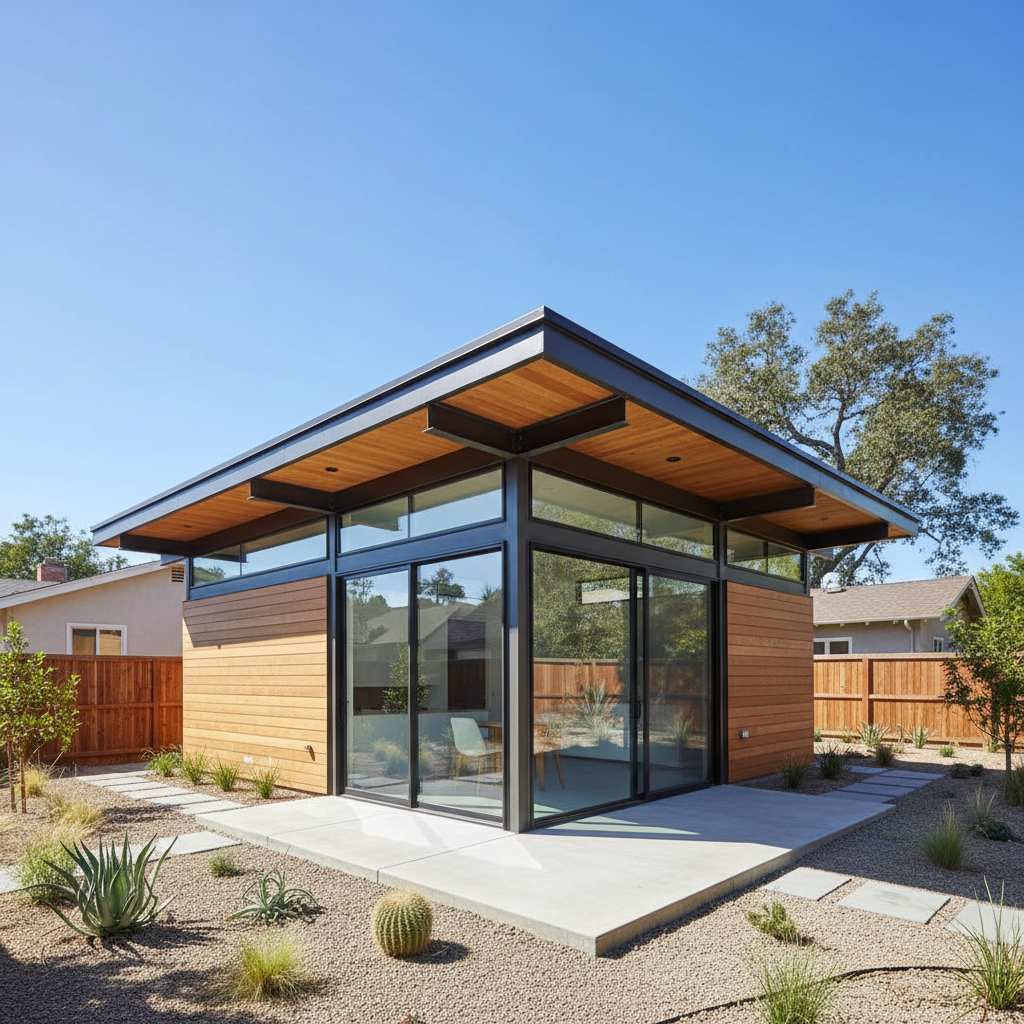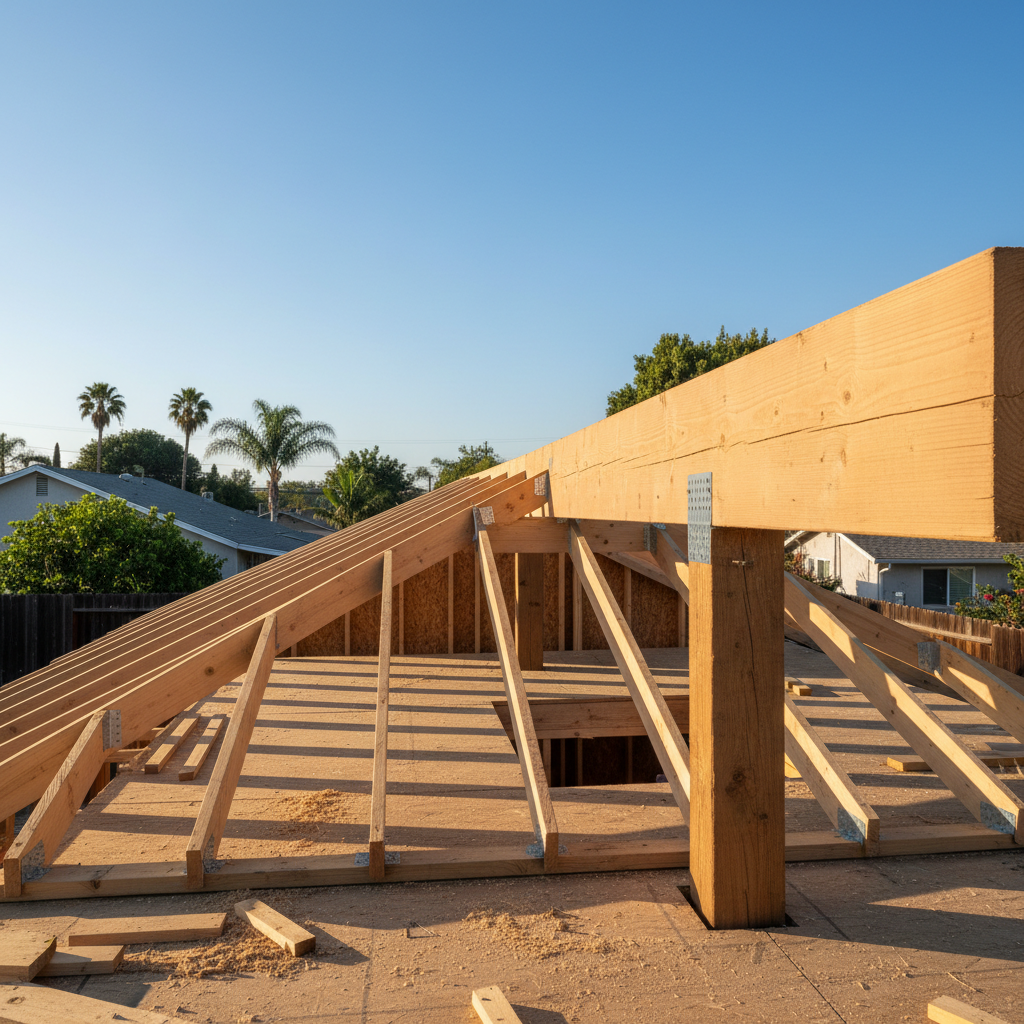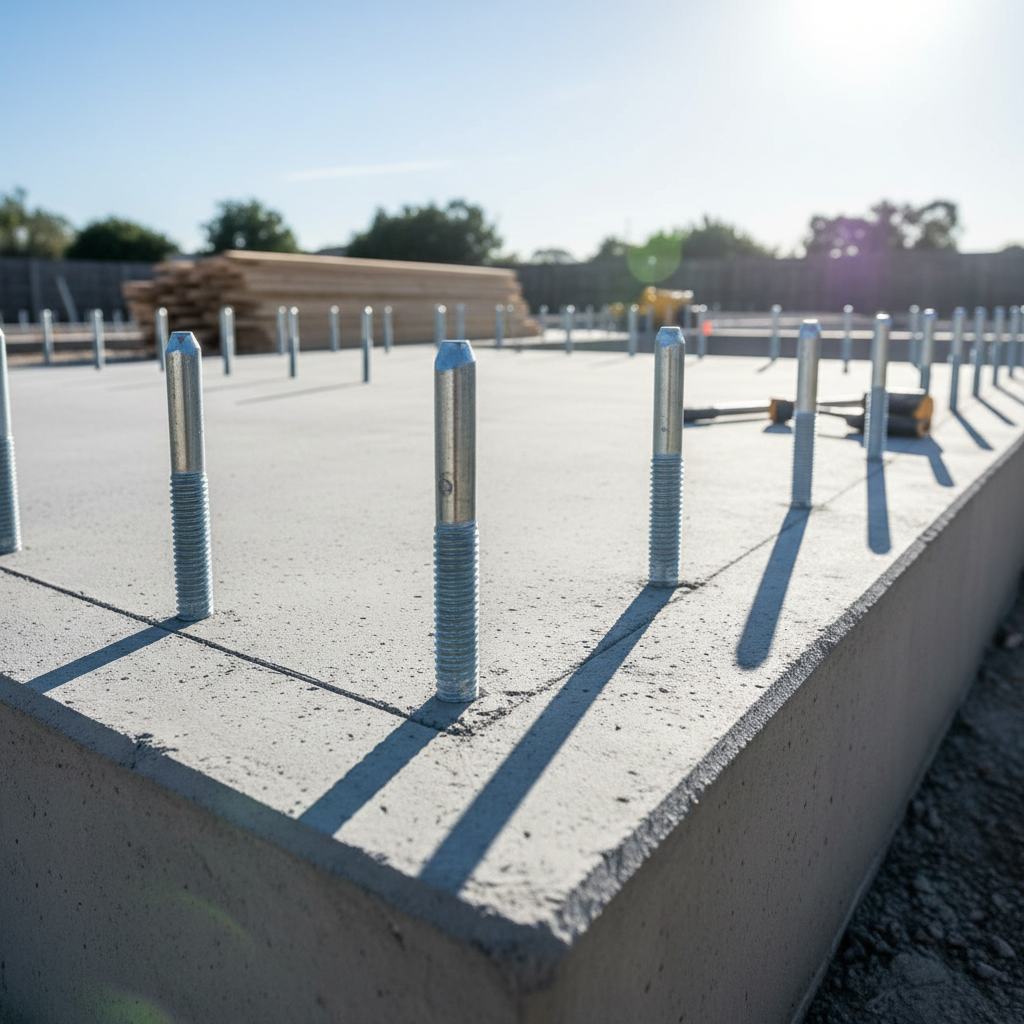
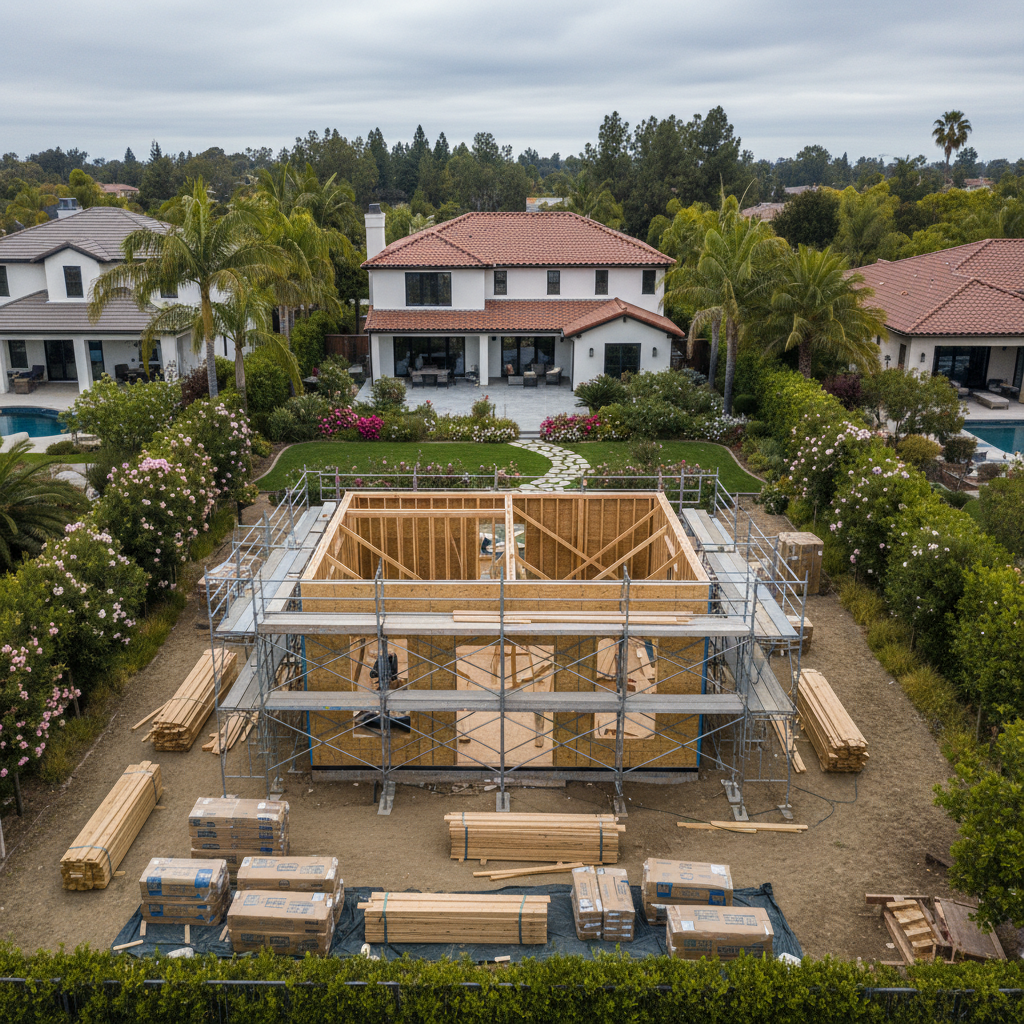
Embarking on an Accessory Dwelling Unit (ADU) project in California is an exciting venture, promising added living space, rental income, or a home for loved ones. However, the dream can quickly turn into a nightmare if construction suddenly grinds to a halt. When you ask, "What happens if construction stops on your ADU before it is completed?" you're touching on a critical concern that many homeowners face. A stalled ADU construction project can lead to significant financial strain, legal complexities, and immense stress. Understanding the potential causes, your rights, and the steps to take is crucial for navigating such a challenging situation.
At GatherADU, we believe in transparent, informed ADU development. While we strive to ensure smooth projects, unforeseen circumstances can arise. This comprehensive guide will walk you through the realities of incomplete ADU construction, offering practical advice to help protect your investment and get your project back on track.
Why Does ADU Construction Stop? Common Causes of Stalled Projects
Before diving into solutions, it's important to understand why a build might stop. Identifying the root cause is the first step toward finding a resolution. Common reasons for stalled ADU construction include:
- Contractor Issues: This is perhaps the most common and distressing reason. A contractor might abandon the project, go out of business, become unresponsive, or face financial difficulties themselves. Disputes over change orders, quality of work, or payment schedules can also lead to work stoppages.
- Financial Problems: Either on the homeowner's or the contractor's side. Homeowners might run out of funds due to unexpected costs or poor budgeting. Contractors, if not properly capitalized, might face cash flow issues, leading to an inability to pay subcontractors or purchase materials.
- Permit and Inspection Delays/Failures: Building an ADU requires numerous permits and inspections throughout the process. Delays in obtaining necessary permits, failing inspections, or discovering unpermitted work can halt construction until issues are resolved with the local planning department.
- Supply Chain Disruptions: Unforeseen delays in receiving critical materials (lumber, windows, appliances) can bring a project to a standstill, especially with custom builds or during periods of high demand or global events.
- Unforeseen Site Conditions: During excavation or foundation work, unexpected issues like rock formations, unstable soil, hidden utility lines, or groundwater can require significant design changes, additional permits, and specialized solutions, causing delays and increased costs.
- Owner-Initiated Changes or Delays: While less common, homeowners making frequent or significant design changes during construction can disrupt the schedule, lead to cost overruns, and sometimes cause contractors to pause work until new agreements are made.
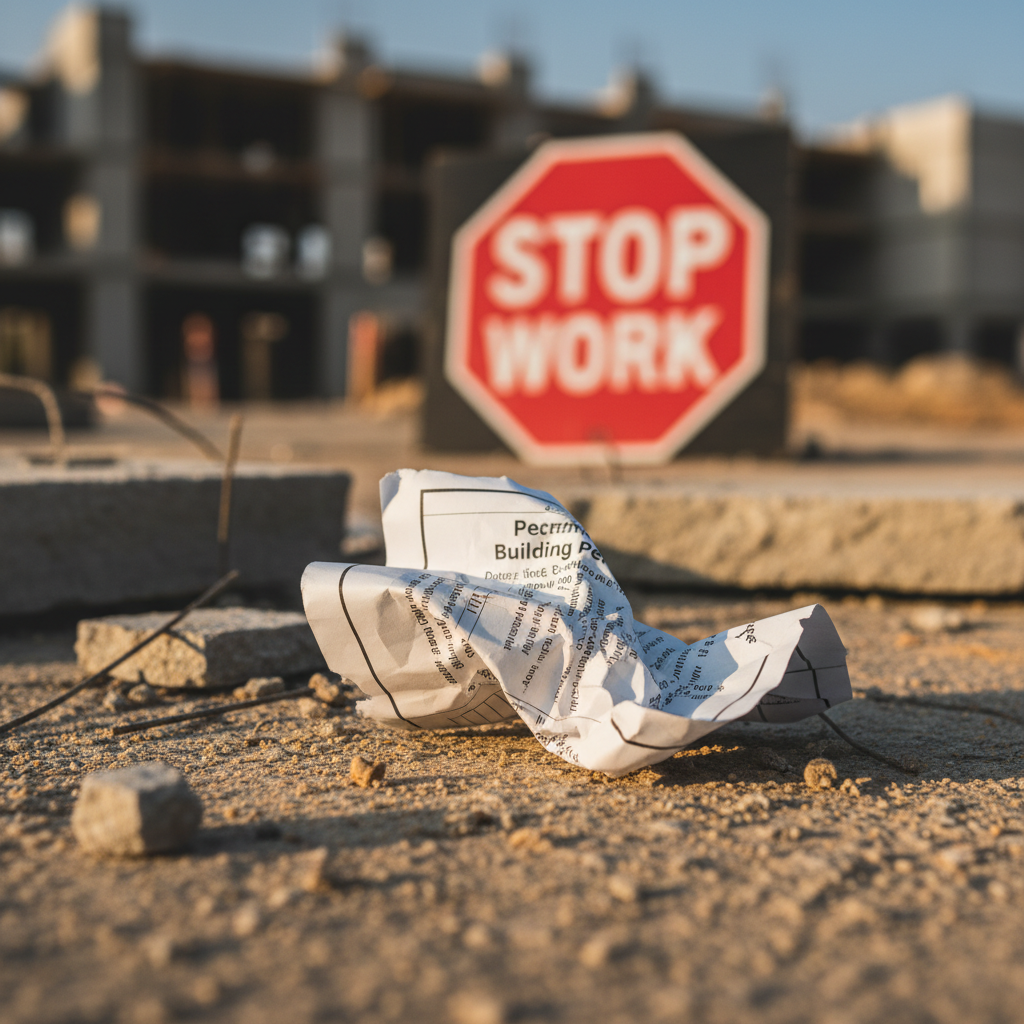
Immediate Steps When ADU Construction Stalls
If you find yourself with an incomplete ADU, acting swiftly and systematically is crucial:
1. Document Everything
This cannot be stressed enough. Take detailed photos and videos of the current state of construction, noting any deficiencies or incomplete work. Keep a meticulous log of all communications (emails, texts, phone calls with dates and summaries) with your contractor, subcontractors, and suppliers. Gather all project documents: contracts, change orders, payment receipts, permits, plans, and warranties.
2. Communicate with Your Contractor
Before assuming the worst, try to understand the situation. Send a formal written communication (email or certified mail) to your contractor, referencing your contract and requesting an explanation for the stoppage and a proposed timeline for resuming work. Be clear about your expectations and refer to specific clauses in your contract regarding project schedules and completion.
3. Review Your Contract Thoroughly
Your construction contract is your primary legal document. Look for clauses related to:
- Project schedule and completion dates: Are there provisions for delays?
- Payment schedule: Have you overpaid for work not completed?
- Default or breach of contract: What are the procedures if the contractor stops work?
- Dispute resolution: Does it specify mediation, arbitration, or litigation?
- Termination clauses: Under what conditions can either party terminate the agreement?
- Lien waivers: Have you received proper lien waivers from subcontractors and suppliers for payments made?
4. Consult Legal Counsel (If Necessary)
If communication breaks down, or if the contractor is unresponsive, it's wise to consult with an attorney specializing in construction law. They can review your contract, advise on your rights and obligations, and help you navigate potential legal actions, such as sending a formal demand letter or initiating dispute resolution processes.
Legal and Financial Implications of Stalled ADU Construction
An unfinished ADU project brings a host of legal and financial challenges:
- Contract Breach: If your contractor abandons the project without justification, it's likely a breach of contract, which could entitle you to damages.
- Mechanic's Liens: Unpaid subcontractors or material suppliers can place a mechanic's lien on your property, even if you've paid your general contractor. This makes your property harder to sell or refinance until the lien is resolved.
- Insurance Claims: Your builder's risk insurance or homeowner's policy might cover certain damages or losses during construction, but specific circumstances of a stalled project may or may not be covered. Review your policies carefully.
- Financing Implications: If you're using a construction loan, draws are typically tied to progress. A stalled project means no new draws, potentially impacting your ability to pay for completion and incurring ongoing interest on your existing loan balance.
- Permit Expiration: Building permits have expiration dates. Prolonged stoppages can lead to permits expiring, requiring costly reapplication and re-inspection processes.
- Property Value: An incomplete ADU can be an eyesore and may even pose safety hazards, potentially diminishing your property's value and creating liability risks.
Understanding these implications is key. If you're feeling overwhelmed, remember that an experienced ADU builder like GatherADU can often help assess the situation, even for projects started elsewhere. Don't hesitate to get a professional opinion on your options.
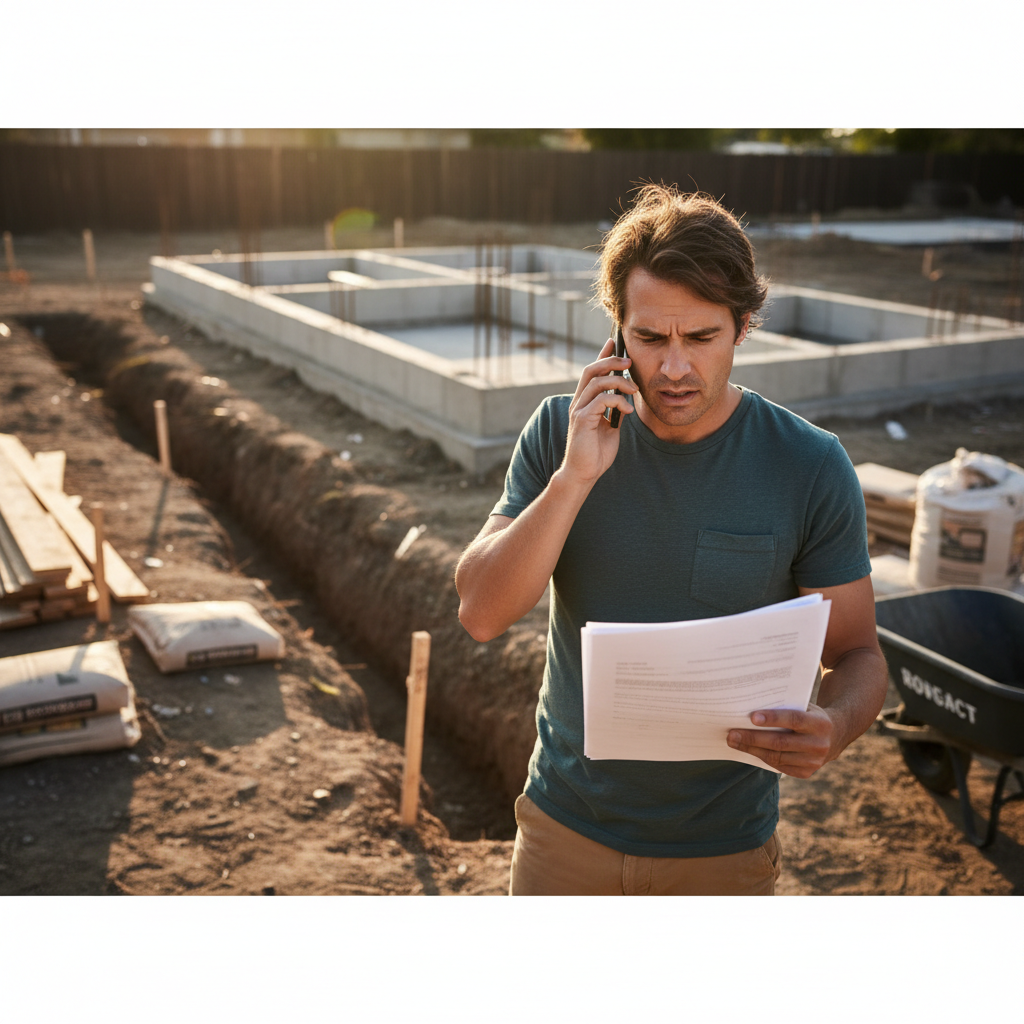
Resuming Stalled ADU Construction: Getting Back on Track
The goal is always to complete your ADU. Here's how to approach it:
1. Assess the Current State of Work
Before bringing in a new contractor, you'll need a detailed assessment of the existing work. This includes structural integrity, compliance with codes, and the quality of installed materials. An independent inspector or a qualified general contractor can provide this assessment. They can identify any work that needs to be redone or corrected.
2. Finding a New Contractor
This is a critical step. Look for contractors experienced in taking over incomplete projects, as this requires a specific skill set. Be transparent about your situation and get multiple bids. A reputable contractor will want to see all documentation, including the original plans, permits, and any assessment reports.
- Due Diligence: Check licenses, insurance, references, and online reviews. Ensure they have a strong track record, especially in California ADU construction.
- Detailed Bids: Insist on a line-item bid that clearly outlines the scope of work, materials, labor, and timeline for completion.
3. Permit Revalidation and Updates
If your permits have expired or need modification due to changes in plans or code updates, you'll need to work with your new contractor to revalidate or update them with your local planning department. This can add time and cost to the project.
4. Negotiating New Contracts and Budgeting
With a new contractor, you'll need a new, comprehensive contract. Ensure it clearly defines the remaining scope, payment schedule, warranties, and a realistic timeline. Be prepared for potential increased costs, as completing an existing project can sometimes be more complex than starting from scratch, especially if corrective work is needed. Factor in a contingency fund (10-15% of the remaining cost) for unexpected issues.

Preventative Measures: Avoiding Stalled ADU Construction Altogether
The best way to deal with a stalled project is to prevent it from happening in the first place. This is where partnering with an experienced, reputable ADU specialist becomes invaluable.
- Thorough Contractor Vetting: Always choose a licensed, insured, and bonded contractor with a proven track record specifically in ADU construction. Check references, verify their license with the Contractors State License Board (CSLB), and read reviews.
- Detailed Contracts: Insist on a clear, comprehensive contract that covers every aspect: detailed scope of work, itemized costs, payment schedule tied to milestones, project timeline with penalties for delays, dispute resolution procedures, and specific clauses regarding abandonment or termination.
- Clear Communication Channels: Establish clear lines of communication from the outset. Regular meetings and progress reports are essential.
- Financial Preparedness: Have a realistic budget that includes a significant contingency fund (at least 15-20% of the total project cost) for unforeseen expenses.
- Regular Progress Monitoring: Stay engaged with your project. Conduct regular site visits (safely and with permission) and compare progress against the agreed-upon schedule and plans.
- Work with an Experienced ADU Specialist: Companies like GatherADU specialize in navigating the unique complexities of ADU development in California. From initial design and permitting to construction and final inspection, a dedicated ADU partner can streamline the process, mitigate risks, and ensure your project stays on track. We understand the local regulations, work with trusted subcontractors, and have robust project management systems designed to prevent common pitfalls that lead to stalled ADU construction.
Conclusion
While the prospect of stalled ADU construction is daunting, it's a challenge that can be overcome with informed action and the right support. By understanding the causes, documenting everything, reviewing your contract, and seeking professional advice, you can protect your investment and work towards completing your dream backyard home. More importantly, proactive measures, such as selecting a highly experienced and reputable ADU builder like GatherADU, can significantly reduce the risk of your project ever reaching such a critical juncture.
Don't let the fear of an incomplete project deter you from the benefits of an ADU. With proper planning and the right partner, your ADU journey can be smooth and successful. If you're considering an ADU or are facing challenges with an existing project in California, GatherADU is here to help. Book a free ADU consultation today to discuss your project and ensure a seamless path from concept to completion.