
Building an Accessory Dwelling Unit (ADU) in California offers incredible benefits, from generating rental income to providing flexible living spaces for family. However, many homeowners quickly discover that the path to a completed ADU isn't always smooth, especially when it comes to securing the necessary permits. One of the most common and frustrating hurdles property owners face is significant ADU permit delays California-wide.
While state laws have been enacted to streamline the ADU approval process, local complexities and unforeseen issues can still lead to lengthy waiting periods. Understanding why these delays occur and, more importantly, how to proactively prevent them, is crucial for any successful ADU project. At GatherADU, we leverage our deep expertise in California's ADU landscape to guide homeowners through this intricate process, helping them avoid common pitfalls and achieve their backyard home dreams efficiently.
The California ADU Boom and Its Permitting Challenges
California has embraced ADUs as a key solution to its housing crisis. State legislation, such as AB 68, AB 881, and SB 9, has significantly eased restrictions on ADU construction, making it easier for homeowners to add these valuable units. This legislative push has fueled an unprecedented surge in ADU applications across the state. While this is great news for housing supply, it has also put immense pressure on local planning departments, often leading to backlogs and extended review times.
The sheer volume of applications, coupled with the need for careful review to ensure safety and compliance, means that even with simplified rules, the permitting process can become a bottleneck. Navigating this environment requires more than just submitting plans; it demands a strategic approach and a thorough understanding of both state mandates and local interpretations.
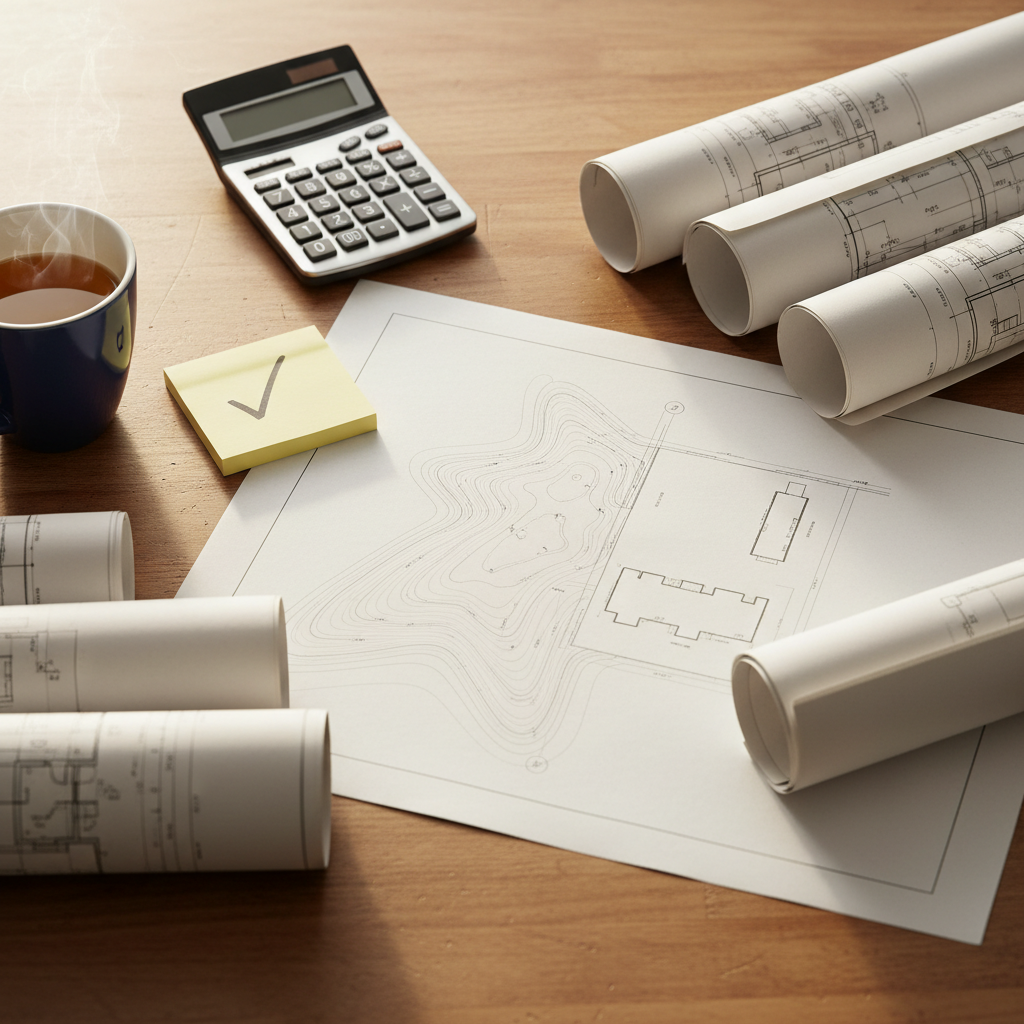
When an ADU permit gets bogged down, it's usually due to one or more recurring issues. Identifying these common causes is the first step toward avoiding them.
1. Incomplete or Inaccurate Plans and Documentation
- Missing Information: One of the most frequent reasons for delays is submitting plans that lack required details, such as site plans, floor plans, elevations, structural calculations, or energy efficiency documentation.
- Errors and Inconsistencies: Even minor discrepancies between different plan sheets or non-compliance with current building codes can trigger a plan check correction notice, sending your application back for revisions.
- Lack of Specificity: Generic plans that don't clearly illustrate how the ADU meets specific local zoning and building codes will almost certainly lead to questions and delays.
2. Navigating Local Jurisdictional Nuances
- City-Specific Ordinances: While state law provides a framework, individual cities and counties in California retain the ability to impose their own objective design standards and local requirements. What's acceptable in one city might not be in another.
- Zoning Overlays and Special Districts: Projects in historic districts, coastal zones, hillside areas, or areas with specific environmental overlays often face additional layers of review and stricter regulations.
- Subjective Review Interpretations: Despite state efforts to make ADU review objective, some aspects can still be subject to interpretation by individual plan checkers, leading to unexpected requests for information.
3. Understaffed or Overwhelmed Planning Departments
- High Application Volume: The popularity of ADUs means many planning departments are simply inundated with applications, exceeding their capacity for timely review.
- Resource Limitations: Budget constraints or staffing shortages can further exacerbate review times, as departments struggle to keep up with demand.
- Technology Gaps: Outdated permitting software or inefficient internal processes can also slow down the workflow, regardless of staffing levels.
4. Complex or Unusual Project Scopes
- Challenging Sites: Properties with steep slopes, unusual lot shapes, limited access, or significant existing infrastructure can require more complex engineering and design, leading to extended review.
- Large or Unique ADUs: While state law allows for relatively large ADUs, projects pushing the limits of size, height, or incorporating unconventional designs may receive closer scrutiny.
- Conversion Projects: Converting existing structures (garages, basements) into ADUs can sometimes uncover unforeseen structural or code compliance issues that require extensive remediation and re-permitting.
5. Environmental and Geotechnical Review Requirements
- Fire Hazard Zones: Properties in high fire severity zones require specific fire-resistant materials and designs, often necessitating additional review.
- Seismic Zones and Geotechnical Reports: California's seismic activity means some locations require detailed geotechnical reports to assess soil stability and seismic risks, which can add significant time to the process.
- Tree Protection: Projects impacting significant trees may require arborist reports and special permitting to ensure compliance with local tree ordinances.
6. Homeowner Unfamiliarity with the Process
- Underestimating Complexity: Many homeowners, especially those new to construction, underestimate the detailed requirements and multi-step nature of the permitting process.
- Missed Deadlines or Communications: Failing to respond promptly to requests for information or missing appointments can cause projects to lose their place in the review queue.
- DIY Pitfalls: Attempting to manage the permitting process without professional help often leads to mistakes, omissions, and ultimately, delays.
Don't let permit complexities derail your ADU dream. Schedule a free consultation with GatherADU to discuss your project and learn how we can streamline your permitting process.
While some delays are unavoidable, many can be circumvented with careful planning, professional guidance, and proactive engagement. Here’s how to set your ADU project up for success:
1. Prioritize Thorough Planning and Professional Design
- Comprehensive Plans: Invest in detailed, accurate, and code-compliant architectural and engineering plans from the outset. This is the single most important step to prevent initial rejections.
- Site-Specific Design: Ensure your plans are tailored to your specific property, addressing all site conditions, existing structures, and local zoning requirements.
- Pre-Application Review: Many cities offer a pre-application review service where you can get initial feedback on your project before formal submission. This can flag major issues early.
2. Understand Local Ordinances and State Mandates
- Research Your Jurisdiction: Before design even begins, thoroughly research your specific city or county's ADU ordinance. While state law sets minimums, local rules can still vary significantly.
- Know Your Rights: Familiarize yourself with California's state ADU laws. These laws limit what local jurisdictions can require and can be a powerful tool if you encounter overly restrictive local interpretations.
- Objective Standards: State law requires ADU review to be based on objective standards. If a city asks for something subjective or discretionary, you have grounds to push back.
3. Engage Early with Planning Departments
- Pre-Submittal Meetings: If offered, attend pre-submittal meetings. This allows you to discuss your project directly with city planners and address potential issues before formally applying.
- Clear Communication: Maintain open and clear communication with the planning department throughout the process. Respond promptly and comprehensively to all requests for information.
4. Choose an Experienced ADU Partner
- Expertise Matters: Partnering with a company like GatherADU, which specializes exclusively in California ADUs, means you benefit from deep knowledge of state laws, local ordinances, and common permitting challenges.
- Streamlined Process: An experienced partner knows exactly what documents are needed, how to prepare them, and how to interact effectively with city officials, significantly reducing the likelihood of delays.
- Proactive Problem Solving: We anticipate potential issues and address them in the design phase, preventing costly and time-consuming corrections during the permit review.
For a smooth and efficient ADU journey, partner with California's ADU experts. Get a free project estimate from GatherADU today.
5. Be Prepared for Additional Reviews
- Factor in Time: Understand that projects in sensitive areas (e.g., high fire zones, seismic zones) will require additional reports and reviews. Budget extra time for these specialized assessments.
- Early Engagement with Specialists: If your property requires a geotechnical report, arborist report, or other specialist studies, commission these early in the design process.
The GatherADU Advantage in Navigating Permits
At GatherADU, we understand that navigating the permit process can be daunting. Our integrated design-build approach is specifically tailored to mitigate ADU permit delays California homeowners often face. We:
- Provide Expert Design and Engineering: Our in-house team creates fully compliant, detailed plans that meet both state mandates and local objective standards, minimizing corrections.
- Conduct Thorough Site Analysis: We assess your property for all potential challenges early on, from zoning overlays to environmental considerations, ensuring our plans account for everything upfront.
- Manage the Entire Permitting Process: From initial submission to final approval, we handle all interactions with the planning department, responding to inquiries and addressing corrections promptly.
- Stay Current on Regulations: Our team is constantly updated on the latest state laws and local ordinance changes, ensuring your project is always designed to the most current requirements.
Conclusion
While ADU permit delays California are a common frustration, they are not an inevitable part of every project. By understanding the root causes—from incomplete plans and local nuances to overwhelmed departments—and implementing proactive strategies, homeowners can significantly streamline their ADU journey. The key lies in meticulous planning, a deep understanding of regulations, and partnering with experienced professionals.
GatherADU is dedicated to making your backyard home dream a reality without the unnecessary headaches of prolonged permitting. Our expertise ensures your plans are robust, your submissions are complete, and your project moves forward as efficiently as possible.
Ready to navigate the California ADU permitting process with confidence and avoid costly delays? Book your free ADU consultation with GatherADU and let our expertise guide you to a successful backyard home.