Building an Accessory Dwelling Unit (ADU) in California is an exciting venture, promising additional living space, rental income, or a home for loved ones. While the process involves numerous steps, from design to permitting, one crucial element often overlooked by homeowners is the ADU construction observation report. This document plays a pivotal role in ensuring your ADU is built to the highest standards, adheres to all regulations, and meets your expectations.
At GatherADU, we believe in empowering homeowners with knowledge. Understanding the purpose and necessity of a construction observation report can save you time, money, and headaches down the line. Let's delve into what these reports entail and why they are indispensable for your ADU project.
What Exactly Is a Construction Observation Report?
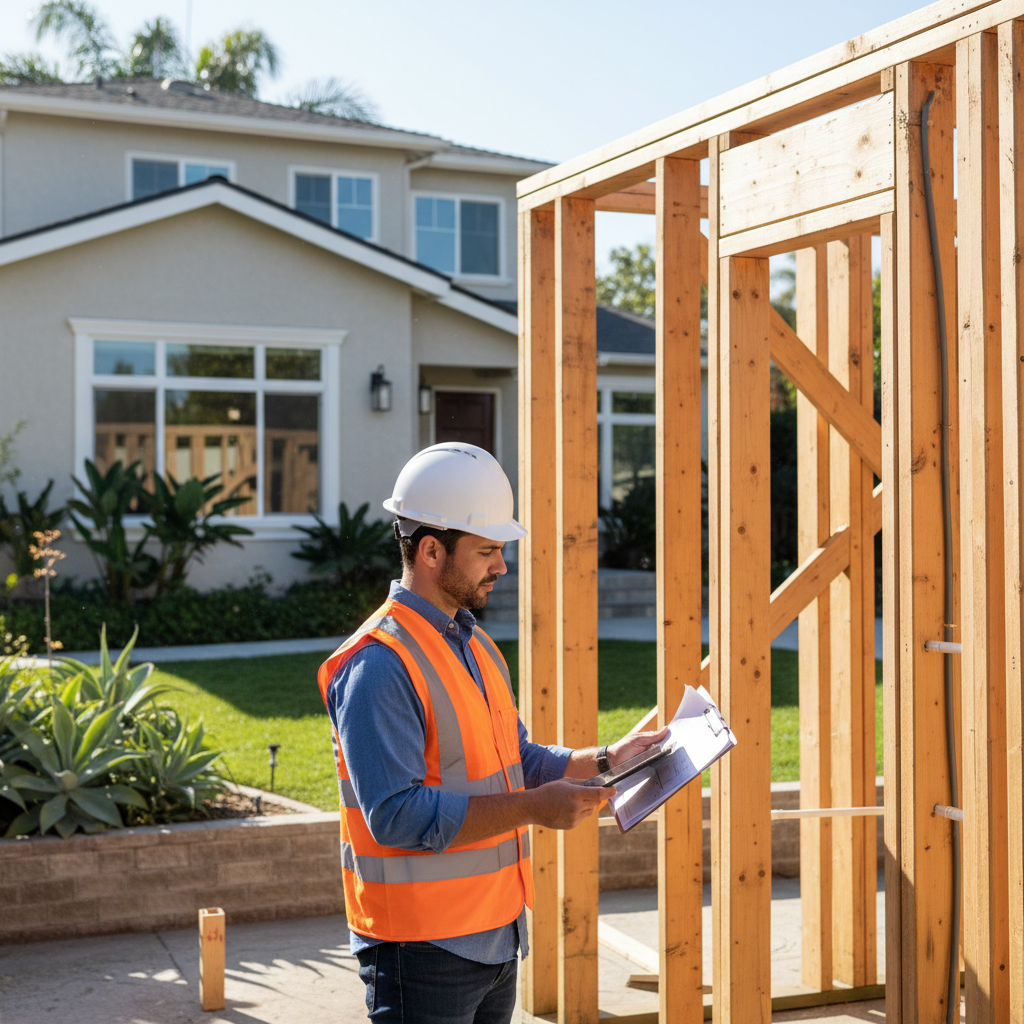
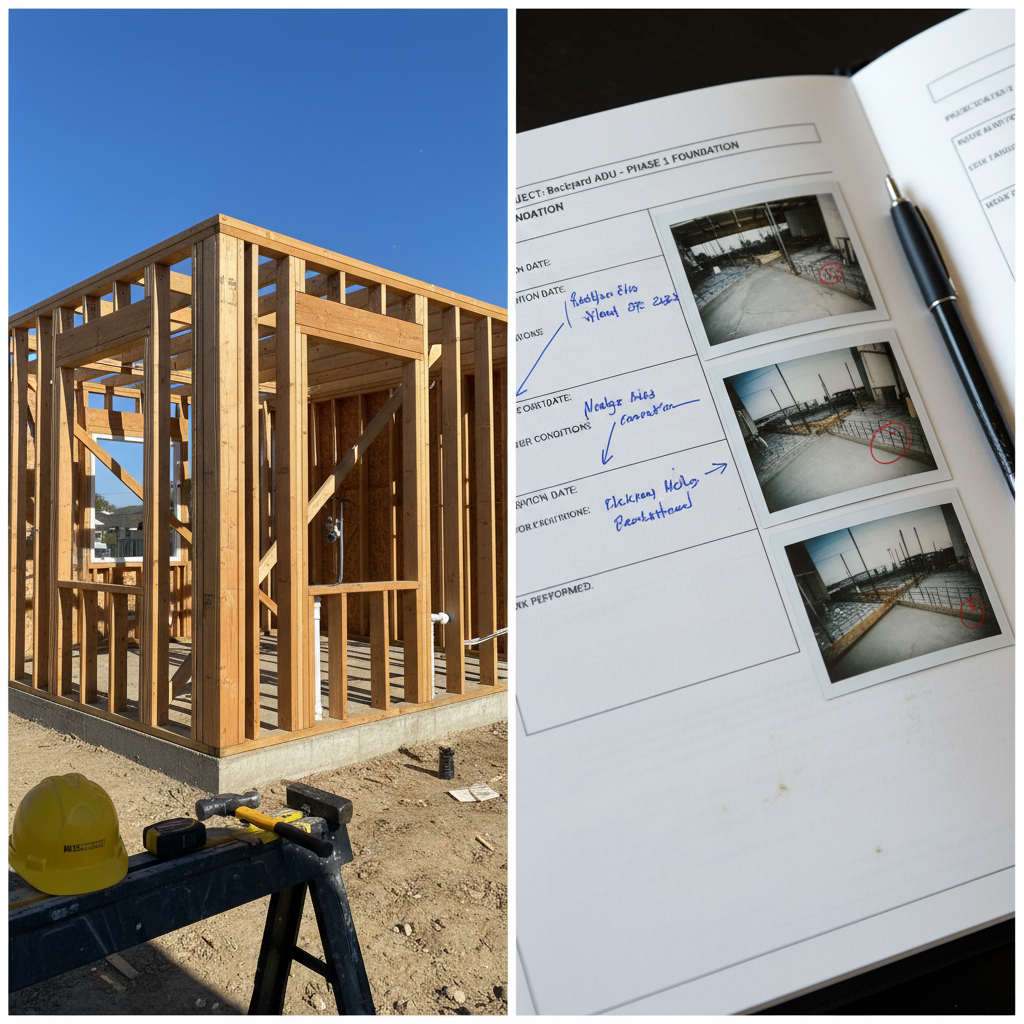
A construction observation report is a formal document prepared by an architect, engineer, or a qualified special inspector during various stages of a construction project. Its primary purpose is to document the progress of the work, verify that construction is proceeding in substantial conformance with the approved construction documents (plans, specifications, and code requirements), and identify any discrepancies or issues that may arise.
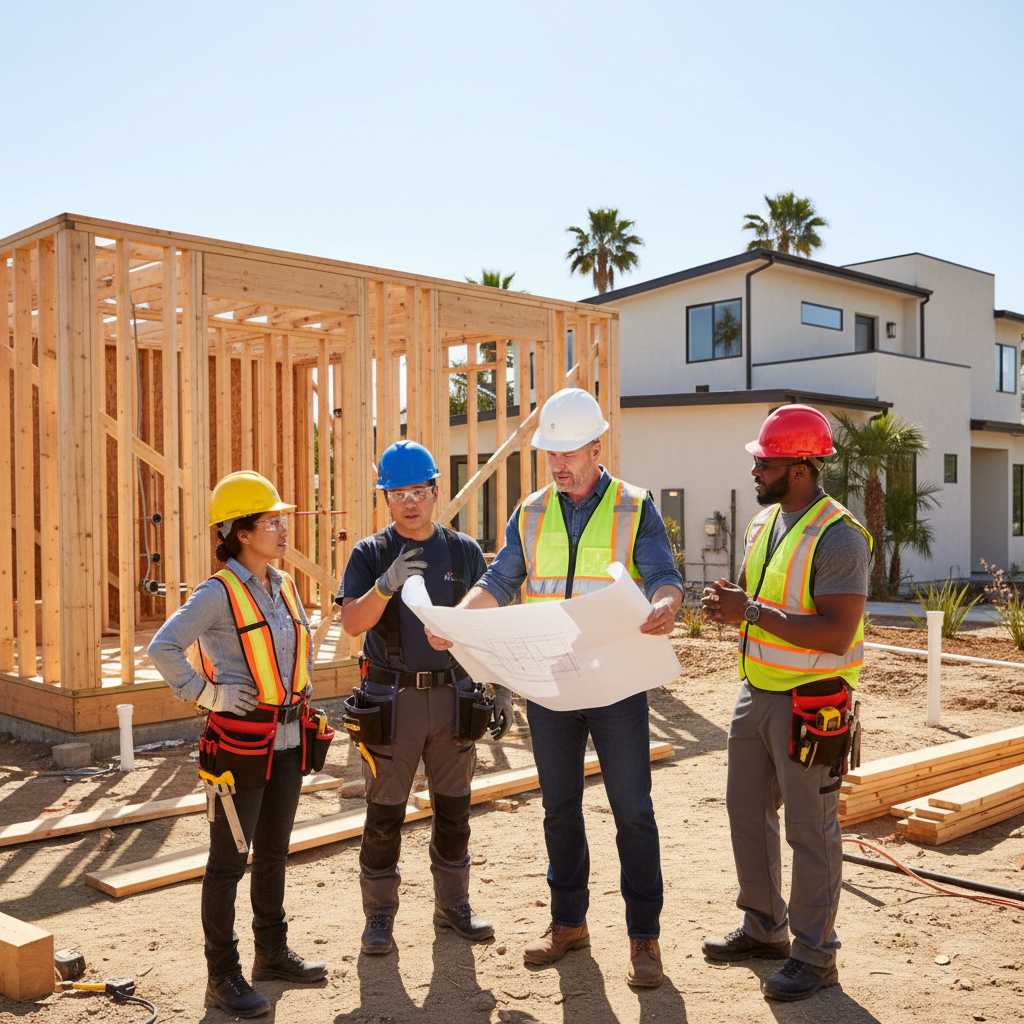
Unlike a mere progress report, an observation report involves a professional's expert assessment. This individual, often referred to as the "Observer" or "Inspector of Record," visits the construction site, reviews the work in progress, and then compiles their findings into a detailed report. These reports are not intended to supervise the contractor's means and methods, but rather to confirm that the design intent and code compliance are being met.
Key Elements Typically Included:
- Date and Time of Observation: When the visit occurred.
- Project Identification: Name of the project, address, and relevant permit numbers.
- Weather Conditions: Can impact construction activities.
- Personnel Present: Who was on site during the observation (contractor, superintendent, etc.).
- Work Observed: Specific construction activities reviewed (e.g., foundation pouring, framing, plumbing rough-in, electrical installation).
- Findings and Observations: Detailed notes on compliance with plans, specifications, and codes. This includes both positive observations and any identified deficiencies or concerns.
- Photographs: Visual documentation of the work, progress, and any issues.
- Recommendations: Actions required to correct deficiencies or improve processes.
- Next Steps/Follow-up: What needs to happen before the next observation.
- Observer's Signature and Professional Seal: Attesting to the report's accuracy and professional judgment.
Why Are Construction Observation Reports Crucial for ADU Projects?
While an ADU might seem like a smaller-scale project compared to a custom home, it still involves complex structural, mechanical, electrical, and plumbing systems. An ADU construction observation report serves several critical functions that protect your investment and ensure a successful outcome:
1. Quality Assurance and Code Compliance
The most fundamental reason for these reports is to ensure the quality of construction and adherence to building codes. California has stringent building codes, and ADUs are no exception. An observer can identify potential issues early on, such as:
- Incorrect material usage.
- Structural elements not installed according to engineering drawings.
- Improper waterproofing details.
- Non-compliance with energy efficiency standards.
Catching these problems early prevents costly rework and ensures the long-term safety and durability of your ADU.
2. Mitigating Risks and Preventing Costly Mistakes
Construction errors, when left unaddressed, can lead to significant delays and budget overruns. A construction observation report acts as an early warning system, allowing for corrective actions before problems become systemic or require demolition and reconstruction. This proactive approach saves you money and keeps your project on schedule.
If you're looking to understand all the steps involved in building a compliant and high-quality ADU, consider exploring our services. We can help you navigate the complexities of ADU construction from start to finish. Explore GatherADU's ADU design and build services.
3. Documentation for Lenders and Insurers
Many construction loans, especially those for new construction or significant renovations like ADUs, require periodic reports from a qualified professional. Lenders want assurance that their investment is being protected and that the property value is being realized. Similarly, insurers may reference these reports in the event of future claims.
4. Dispute Resolution
In the unfortunate event of a dispute between the homeowner and the contractor, a detailed construction observation report provides objective, third-party documentation of the work performed. This can be invaluable evidence in resolving disagreements about quality, scope of work, or compliance.
5. Peace of Mind for Homeowners
For many homeowners, building an ADU is their first major construction project. The technical jargon, complex plans, and array of trades can be overwhelming. Having an independent professional review the work provides immense peace of mind, knowing that an expert is looking out for your best interests.
When Is an ADU Construction Observation Report Required?
The requirement for an ADU construction observation report isn't always universal, but it's often a necessity in several key scenarios:
1. Complex Structural or Geotechnical Designs
If your ADU involves significant structural elements (e.g., retaining walls, foundations on challenging soil, multi-story construction) or is located on a sloped site requiring specific geotechnical engineering, observation reports from the structural or geotechnical engineer of record are almost certainly required by the local building department. These "special inspections" ensure that critical structural components are installed precisely as designed to prevent structural failure.
2. Specific Local Jurisdiction Requirements
While state laws govern ADUs, local municipalities (cities and counties) can add their own specific requirements. Some jurisdictions may mandate certain observation reports for all new construction or for specific types of work, even if not explicitly structural.
3. Lender Requirements
As mentioned, if you're financing your ADU project with a construction loan, the lender will almost certainly require periodic observations and reports to disburse funds. They want to verify that the project is progressing and that their investment is sound.
4. Insurance Provider Demands
In some cases, specific insurance policies for construction projects might necessitate third-party observations to validate construction quality for coverage purposes.
5. Homeowner's Due Diligence (Recommended Best Practice)
Even if not strictly mandated, engaging an architect or engineer to perform periodic construction observations is a highly recommended best practice. This provides an extra layer of quality control and expert oversight that can prevent costly mistakes and ensure your ADU is built to the highest standards. Think of it as an investment in the long-term value and safety of your property.
For a detailed breakdown of what your specific ADU project might require, including observation reports and special inspections, a consultation with an experienced ADU firm is invaluable. Get a free ADU project estimate from GatherADU to discuss your unique needs.
Who Prepares the ADU Construction Observation Report?
The professional responsible for preparing the report depends on the nature of the observation:
- Architect: If the observations relate to general conformance with architectural plans, aesthetic details, or overall design intent.
- Structural Engineer: For observations related to structural elements, foundations, framing, and seismic considerations. These are often considered "special inspections" under building codes.
- Geotechnical Engineer: For observations related to soil conditions, grading, and foundation preparation, especially on challenging sites.
- Special Inspectors: For highly specialized aspects like welding, high-strength bolting, concrete pouring, or fireproofing, certified special inspectors are often required by code.
The key is that the observer must be a qualified professional with expertise relevant to the work being inspected and typically the designer of record or an authorized representative.
GatherADU's Role in Navigating Observation Reports
At GatherADU, we understand that managing an ADU project involves many moving parts. Our integrated design-build approach streamlines the process, and we are intimately familiar with the requirements for construction observation reports in California.
We work closely with structural engineers and other specialists to ensure that all necessary observations and special inspections are identified early in the design phase and properly coordinated during construction. Our project management team helps facilitate these reports, ensuring they are completed, documented, and submitted to the appropriate parties (homeowner, city, lender) in a timely manner. This collaborative approach minimizes surprises and ensures your ADU meets all regulatory standards and quality expectations.
Conclusion
The ADU construction observation report is far more than a bureaucratic formality; it's a critical tool for safeguarding your investment, ensuring compliance, and achieving the high-quality ADU you envision. By providing an independent, expert assessment of construction progress, these reports help prevent problems, resolve disputes, and offer invaluable peace of mind.
Don't leave the quality and compliance of your ADU to chance. Partner with a team that understands the importance of thorough documentation and expert oversight. GatherADU is here to guide you through every step of your ADU journey, ensuring your backyard home is built right, from the foundation up.
Ready to start planning your ADU with confidence? Book a free ADU consultation with GatherADU today and let our experts help you navigate the process, including all necessary construction observations.