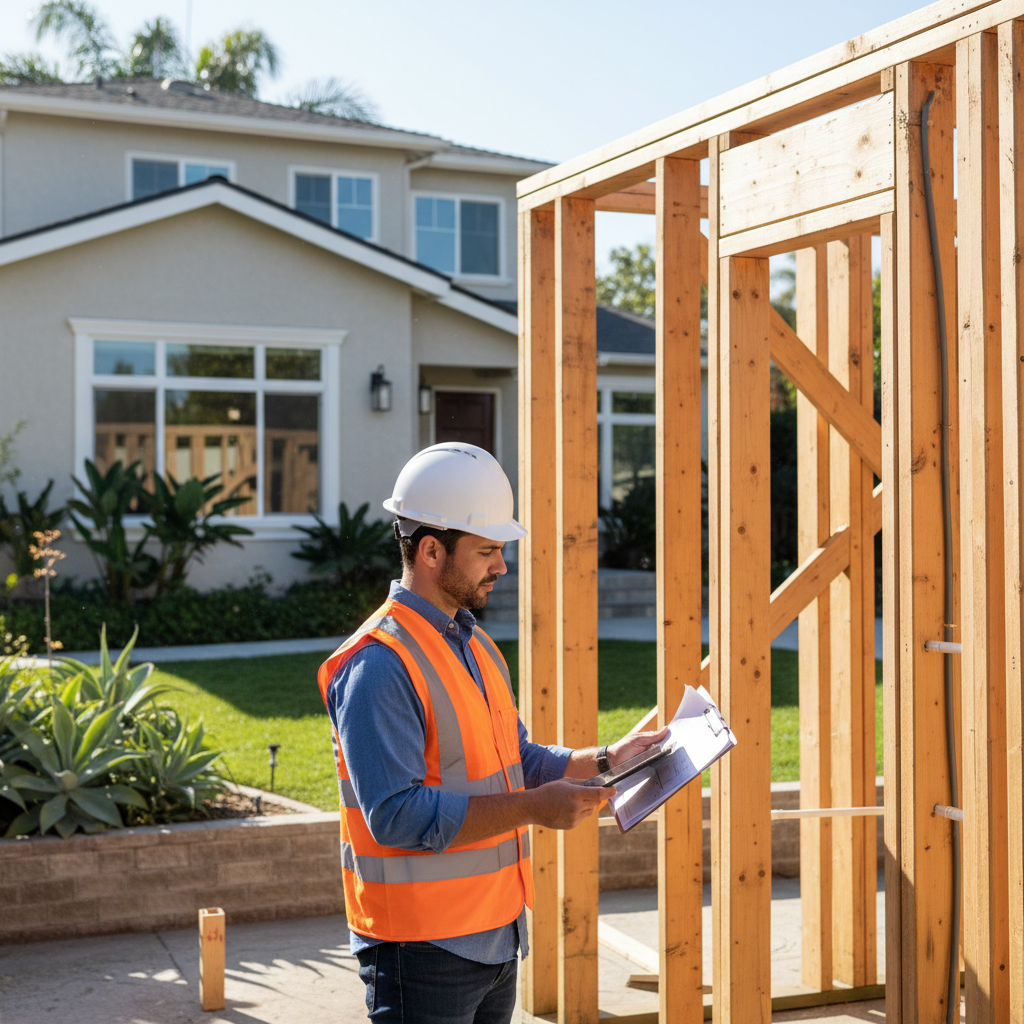

Building an Accessory Dwelling Unit (ADU) in California is an exciting journey, transforming your property and adding valuable living space. Throughout this process, various milestones mark progress, but few are as critical as substantial completion in ADU construction. This phase isn't just a technical term; it's a pivotal point that shifts responsibilities, triggers payments, and ultimately, dictates when you can begin using your new backyard home. Understanding what substantial completion means and why its date matters is paramount for every ADU homeowner.
At GatherADU, we believe that informed homeowners make the best partners. That's why we’re breaking down this essential construction concept, explaining its legal, financial, and practical implications, and highlighting why meticulous management of this stage is key to a successful ADU project.
What Exactly Is Substantial Completion?
In the world of construction, substantial completion refers to the point at which a project, or a designated portion of it, is sufficiently complete in accordance with the contract documents so that the owner can occupy or utilize the project for its intended purpose. For an ADU, this means your backyard home is ready to be lived in, even if minor cosmetic details or a 'punch list' of small items still need to be addressed.
Key Characteristics of Substantial Completion:
- Habitable & Functional: All essential systems (plumbing, electrical, HVAC, sanitation) are installed and fully operational. The ADU is safe, secure, and meets all necessary building codes for occupancy.
- Intended Use: The owner can move in or rent out the ADU without significant disruption due to ongoing construction.
- Minor Items Remain: There might still be a list of small, non-critical items to finish (e.g., paint touch-ups, trim adjustments, final landscaping elements). These are typically documented in a 'punch list' and do not prevent the ADU from being used.
- Distinction from Final Completion: Substantial completion is not the same as final completion. Final completion occurs when all punch list items are fully addressed, all paperwork is finalized, and the contractor has received their final payment, including any retainage.

Why the Substantial Completion Date Matters So Much
The specific date of substantial completion is far more than a mere formality; it's a critical legal and financial trigger with wide-ranging implications for both the homeowner and the builder. Misunderstanding or mishandling this date can lead to disputes, delays, and unexpected costs.
1. Financial Implications
- Loan Disbursements: For homeowners financing their ADU, substantial completion often triggers significant loan disbursements. Lenders typically hold back a portion of the construction loan until this milestone is reached, ensuring the property is habitable and functional. Without official substantial completion, access to these funds can be delayed.
- Final Payments & Retainage: It marks the point when the contractor is entitled to a substantial payment, often including the release of a significant portion of retainage (a percentage of payments held back by the owner to ensure satisfactory completion). Establishing this date clearly prevents disputes over payment schedules.
- Warranty Periods Begin: Most contractor warranties for materials and workmanship commence from the date of substantial completion. Knowing this date is crucial for tracking your warranty coverage and ensuring timely claims if issues arise.
2. Legal & Contractual Implications
- Shift in Risk and Liability: Upon substantial completion, the risk of loss or damage to the ADU typically shifts from the contractor to the homeowner. This means the homeowner is generally responsible for insuring the property from this point forward. It's vital to have your homeowner's insurance updated to cover the new ADU.
- Lien Deadlines: In California, specific deadlines for filing mechanic's liens often relate to the date of substantial completion or cessation of work. A clear substantial completion date helps protect both parties from unexpected lien claims and ensures proper documentation for lien releases.
- Occupancy & Use: Legally, you can typically occupy or rent out your ADU once substantial completion is achieved and the necessary occupancy permits (like a Certificate of Occupancy or final sign-off from the building department) are issued. This is the moment your investment truly begins to deliver its intended value.
3. Permitting & Inspections
- Final Inspections: While many inspections occur throughout the build, substantial completion usually aligns with or immediately precedes the final building department inspections. Passing these inspections is a prerequisite for receiving your Certificate of Occupancy (or final approval), which is the official green light to use your ADU.
- Certificate of Occupancy (COO): This document is issued by the local building authority, confirming that the ADU meets all safety and building code requirements and is legally fit for occupancy. Substantial completion is a key step towards obtaining your COO.
4. Owner and Contractor Responsibilities
- Owner's Responsibilities: Once substantially complete, the owner takes on responsibility for the security, maintenance, and utilities of the ADU. This is also when the owner typically prepares the 'punch list' of remaining minor items for the contractor to complete.
- Contractor's Responsibilities: The contractor's primary responsibility shifts from overall construction to completing punch list items and rectifying any defects during the warranty period. Their daily presence on site usually diminishes significantly.
Navigating the complexities of ADU construction, especially contractual milestones like substantial completion, can be daunting. Partnering with experienced professionals like GatherADU ensures these critical steps are handled correctly. Schedule a free consultation to discuss your ADU project and how we manage these crucial details for you.

Achieving Substantial Completion: The Process
The path to substantial completion involves several coordinated efforts:
1. Contractor's Notice
Typically, the contractor will notify the owner and architect (if applicable) when they believe the project is substantially complete. This notice often includes a list of items that still need to be completed or corrected.
2. Joint Inspection
A joint inspection is then scheduled, involving the owner, contractor, and often the architect. During this walkthrough, everyone assesses the ADU to determine if it meets the criteria for substantial completion and identifies any remaining deficiencies.
3. The Punch List
This inspection leads to the creation of the 'punch list' – a detailed inventory of minor, incomplete, or defective items that do not prevent the ADU from being occupied but still require attention. Examples include paint touch-ups, misaligned cabinet doors, or minor electrical adjustments.
4. Certificate of Substantial Completion
Once all parties agree that the ADU is substantially complete, a formal 'Certificate of Substantial Completion' (or similar document) is often issued. This document officially records the date and lists any remaining punch list items. It serves as a crucial legal record for all subsequent actions.
5. Completion of Punch List Items
After substantial completion, the contractor works to finish the punch list items within an agreed-upon timeframe. Only when these items are fully addressed does the project move towards final completion.
Ensuring your ADU project progresses smoothly from groundbreaking to substantial completion requires meticulous planning and execution. If you're considering an ADU, don't leave these crucial details to chance. Get a free ADU project estimate tailored to your needs and discover the GatherADU difference.

How GatherADU Manages Substantial Completion for You
At GatherADU, we understand that for most homeowners, the intricacies of construction contracts and legal milestones can be overwhelming. Our integrated design-build approach simplifies this process, ensuring that substantial completion is reached efficiently and correctly.
- Clear Communication: We maintain open and transparent communication with you at every stage, explaining what to expect as we approach substantial completion.
- Meticulous Planning: Our project management team meticulously plans each phase, anticipating and addressing potential hurdles before they impact the substantial completion date.
- Quality Control: We conduct rigorous quality checks throughout the construction process, minimizing the number of punch list items and ensuring that your ADU is built to the highest standards, ready for occupancy.
- Documentation Expertise: We handle all necessary documentation, including coordinating with lenders for loan disbursements and ensuring all contractual requirements related to substantial completion are met.
- Seamless Transition: We guide you through the final inspections, Certificate of Occupancy process, and the creation of the punch list, ensuring a smooth and worry-free transition into your new ADU.
Conclusion
Substantial completion in ADU construction is a critical juncture that every homeowner should understand. It's the moment your vision becomes a habitable reality, triggering important financial, legal, and practical implications. A clearly defined and properly managed substantial completion date protects your investment, clarifies responsibilities, and paves the way for a smooth transition into enjoying your new backyard home.
Don't navigate these complex waters alone. GatherADU specializes in seamless ADU construction, guiding you through every milestone with expertise and transparency. From initial design to the final Certificate of Occupancy, we ensure that your ADU project is delivered efficiently, correctly, and to the highest quality standards. Book your free ADU consultation with GatherADU today and take the first step towards your dream ADU.