The journey of building an Accessory Dwelling Unit (ADU) is filled with anticipation, from initial design dreams to groundbreaking. But as construction winds down, a crucial phase begins: the ADU project close-out. This isn't just about handing over keys; it's a meticulous process involving final inspections, securing necessary permits, and ensuring every detail meets regulatory standards and your expectations. Understanding this phase is key to a smooth transition from a construction site to a fully functional, welcoming new home. This guide will walk you through every step, from the final inspections to the exciting moment you move into your GatherADU backyard home.
The Critical Role of the Final Inspection
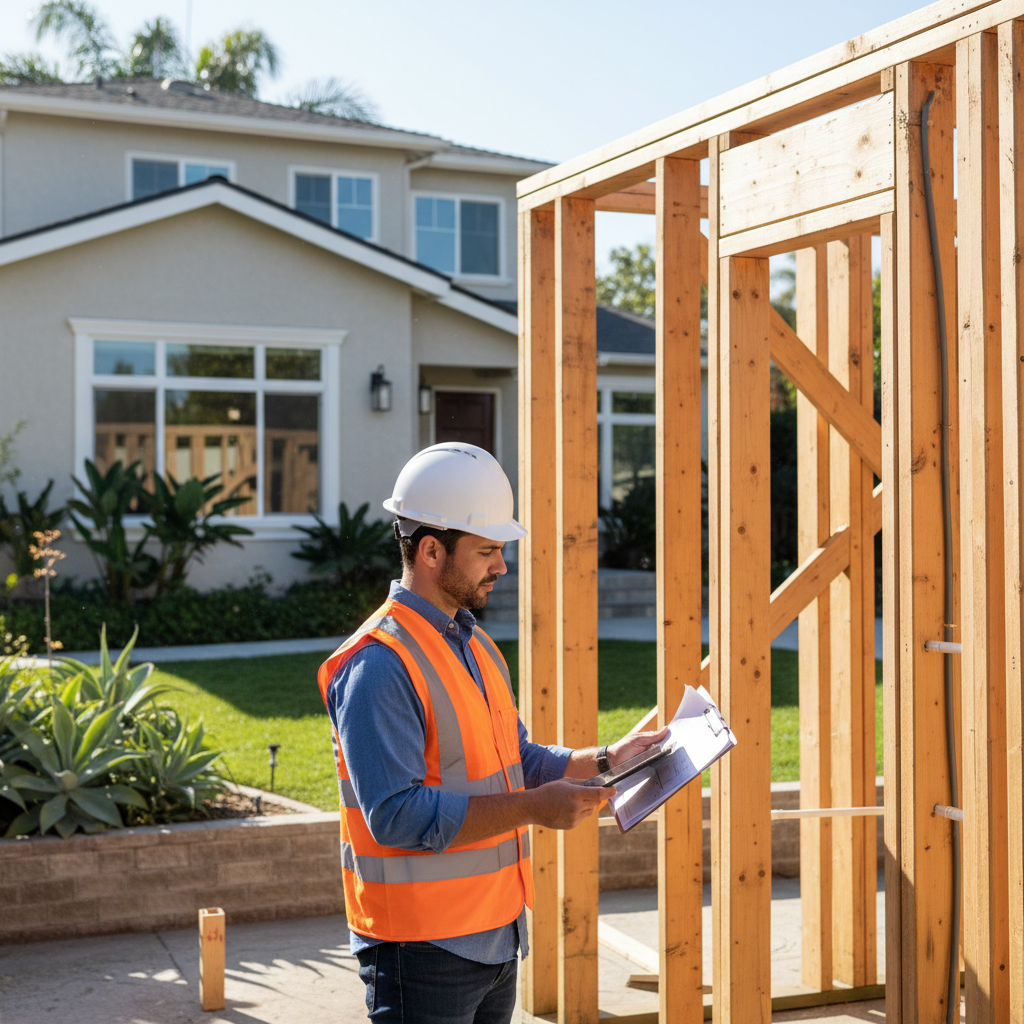
Before you can legally occupy your new ADU, it must pass a series of final inspections by your local building department. This isn't a formality; it's a critical review to ensure all work adheres to approved plans, building codes, and safety standards. Inspectors will meticulously examine various aspects:
- Structural Integrity: Foundation, framing, roofing, and overall structural stability.
- Electrical Systems: Wiring, outlets, switches, circuit breaker panel, and grounding.
- Plumbing: Water supply, drainage, fixtures, water heater installation, and proper venting.
- HVAC: Heating, ventilation, and air conditioning systems, including ductwork and thermostat functionality.
- Energy Efficiency: Insulation levels, window and door installations, and overall building envelope sealing to meet California's stringent energy codes.
- Life Safety: Proper placement and functionality of smoke detectors, carbon monoxide detectors, emergency exits, and fire-rated assemblies (especially crucial for ADUs located close to property lines).
- Accessibility: If applicable, ensuring compliance with local accessibility requirements or ADA standards.
A common misconception is that final inspections are solely about catching errors. While they do serve this purpose, they also provide an official stamp of approval, assuring you that your ADU is safe, compliant, and ready for occupancy. Experienced ADU builders like GatherADU proactively manage these inspections, scheduling them appropriately and addressing any potential issues before the inspector even arrives, minimizing delays and stress for homeowners. Navigating these detailed inspections can be daunting, but with a seasoned partner like GatherADU, you can rest assured that every code requirement and safety standard will be met. Ready to discuss your ADU vision and how we ensure a seamless construction and close-out process? Book a free ADU consultation today.
Securing Your Certificate of Occupancy (COO)
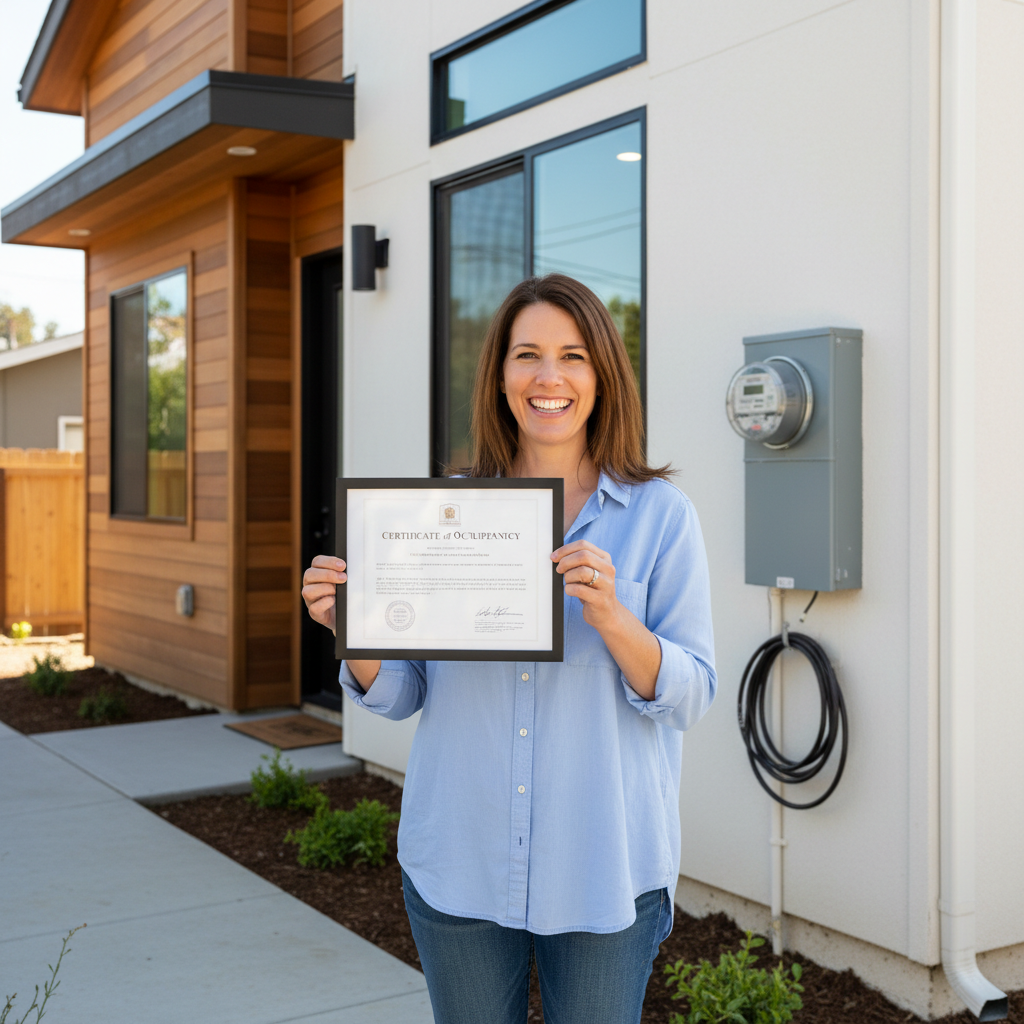
Passing the final inspection is a monumental step, but it's often followed by another crucial administrative hurdle: obtaining the Certificate of Occupancy (COO), sometimes called a Certificate of Completion. The COO is the official document issued by your local building department that legally permits your ADU to be occupied. Without it, your ADU is not considered legal for habitation, even if construction is complete. Your builder will typically facilitate the application and receipt of the COO once all final inspections are approved and permits are signed off. This document is vital for insurance purposes, future property sales, and, most importantly, for ensuring you can legally move into or rent out your new space.
Connecting Utilities: Powering Your New Space
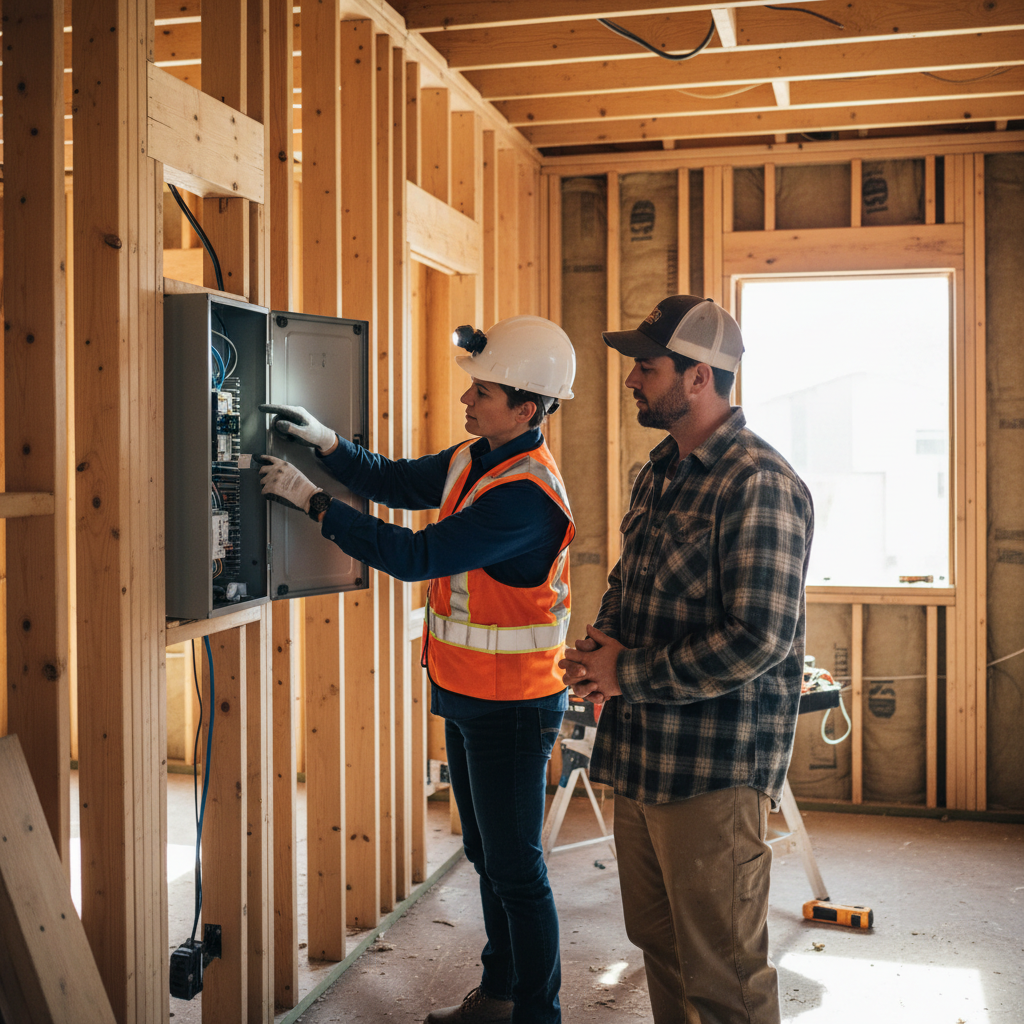
Once the building itself is approved, the next major step is getting all utilities fully connected and operational. This often involves coordinating with various utility providers:
- Electricity: Final meter installation and account activation with your electric company. This often requires scheduling an appointment with the utility provider.
- Water & Sewer: Ensuring the ADU is properly connected to the main water line and sewer system, and that water meters are set up and active.
- Gas: If your ADU uses natural gas for heating, cooking, or a water heater, ensuring the gas line is connected, inspected, and the meter is active.
- Internet/Cable: While not a building code requirement, setting up these services is essential for modern living and often requires homeowner coordination with preferred service providers.
Your builder will typically handle the rough-ins and initial connections during construction, but the final activation and setting up of accounts often require homeowner involvement. Be prepared to contact utility companies to transfer or open new accounts in your name. This is a good time to confirm all utility connections are separate from your main home, if that was part of your initial design and plan.
The Finishing Touches: Landscaping and Site Work
While perhaps less critical than structural inspections, the exterior finishing touches play a significant role in the overall aesthetic and functionality of your ADU. This includes:
- Final Grading and Drainage: Ensuring the property is properly graded to direct water away from the ADU's foundation, preventing potential water damage.
- Walkways and Patios: Installing pathways, decks, or patios as per the design plans, enhancing accessibility and outdoor living space.
- Landscaping: Planting, irrigation systems, and other softscape elements that integrate the ADU seamlessly into your existing property and California's native plant requirements.
- Fencing: If new fencing or modifications to existing fencing were part of the project scope, ensuring these are completed to specification.
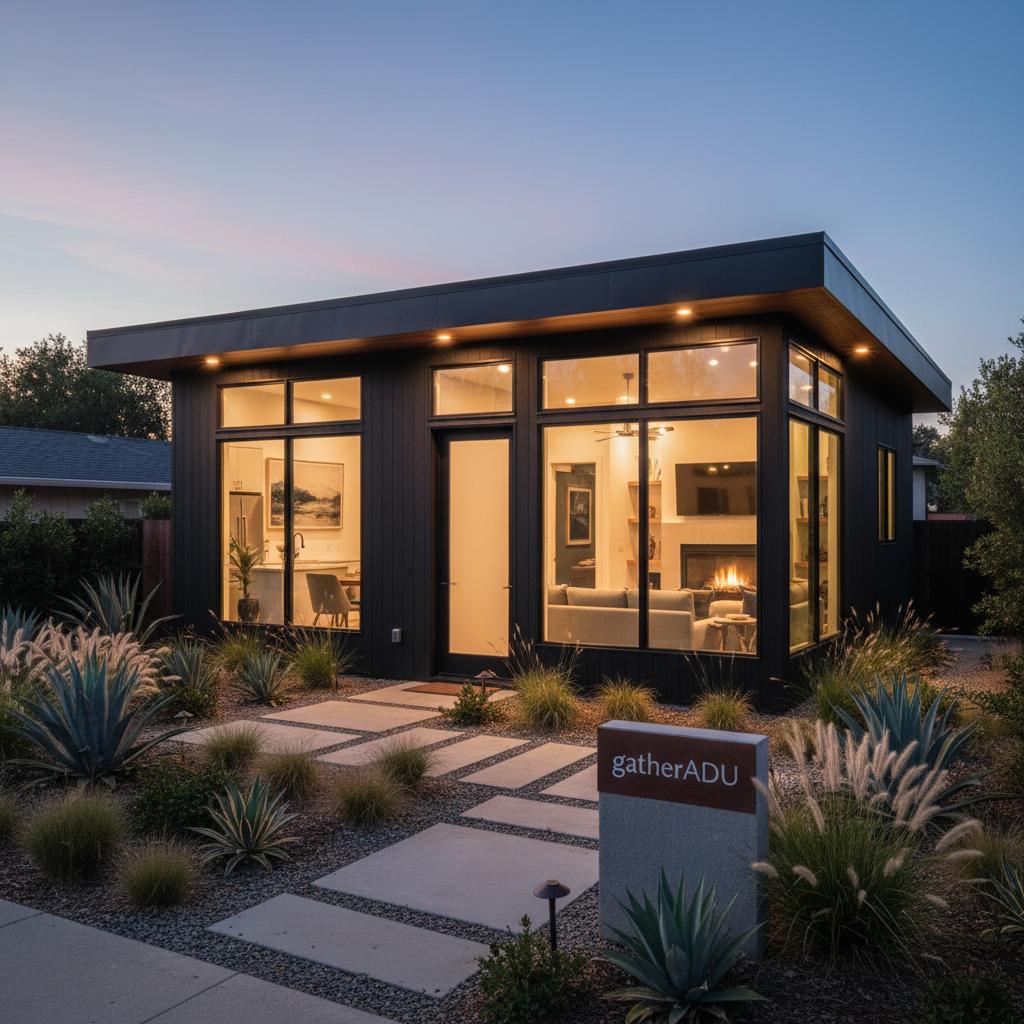
These elements not only enhance curb appeal but also contribute to the long-term protection of your ADU. A well-designed landscape can also improve energy efficiency by providing shade and can offer crucial privacy. GatherADU often includes thoughtful landscaping considerations in our designs to ensure your new backyard home is not just a structure, but a harmonious and beautiful addition to your property.
Financial Close-Out and Protecting Your Investment
The financial aspect of an ADU project close-out is as important as the physical construction. This involves:
- Final Payment: Releasing the final payment to your builder upon satisfactory completion of all work, issuance of the COO, and resolution of any 'punch list' items (minor deficiencies or incomplete work identified during a final walkthrough).
- Lien Waivers: Obtaining signed lien waivers from your general contractor and major subcontractors. A lien waiver is a document from a contractor, subcontractor, supplier, or other party who has a right to file a mechanics lien, stating that they have received payment and waive their future lien rights to the property. This protects you from future claims against your property by unpaid parties.
- Warranty Information: Receiving all warranty documentation for appliances, roofing, HVAC systems, and the builder's warranty for the construction itself.
Clear communication and thorough documentation during this stage are paramount. Reputable builders will proactively provide these documents, ensuring your financial security and peace of mind. If you have any questions about the financial close-out process or need assistance navigating these details, contact GatherADU for expert guidance.
Understanding Your ADU Warranty and Maintenance
Once your ADU is complete and occupied, the relationship with your builder doesn't necessarily end. A good builder will provide a warranty covering their workmanship and certain components. This typically includes:
- Workmanship Warranty: Covering defects in construction and installation for a specified period, often one year.
- Manufacturer Warranties: For specific appliances, roofing materials, windows, HVAC units, and other installed components, which typically come with their own manufacturer-backed warranties.
Understand the terms and duration of these warranties and keep all documentation in a safe place. It's also wise to establish a routine maintenance schedule for your ADU, just as you would for your main home. Regular checks of plumbing, electrical systems, HVAC filters, and exterior components will help preserve your investment and ensure its longevity and optimal performance.
Moving In and Enjoying Your New Backyard Home
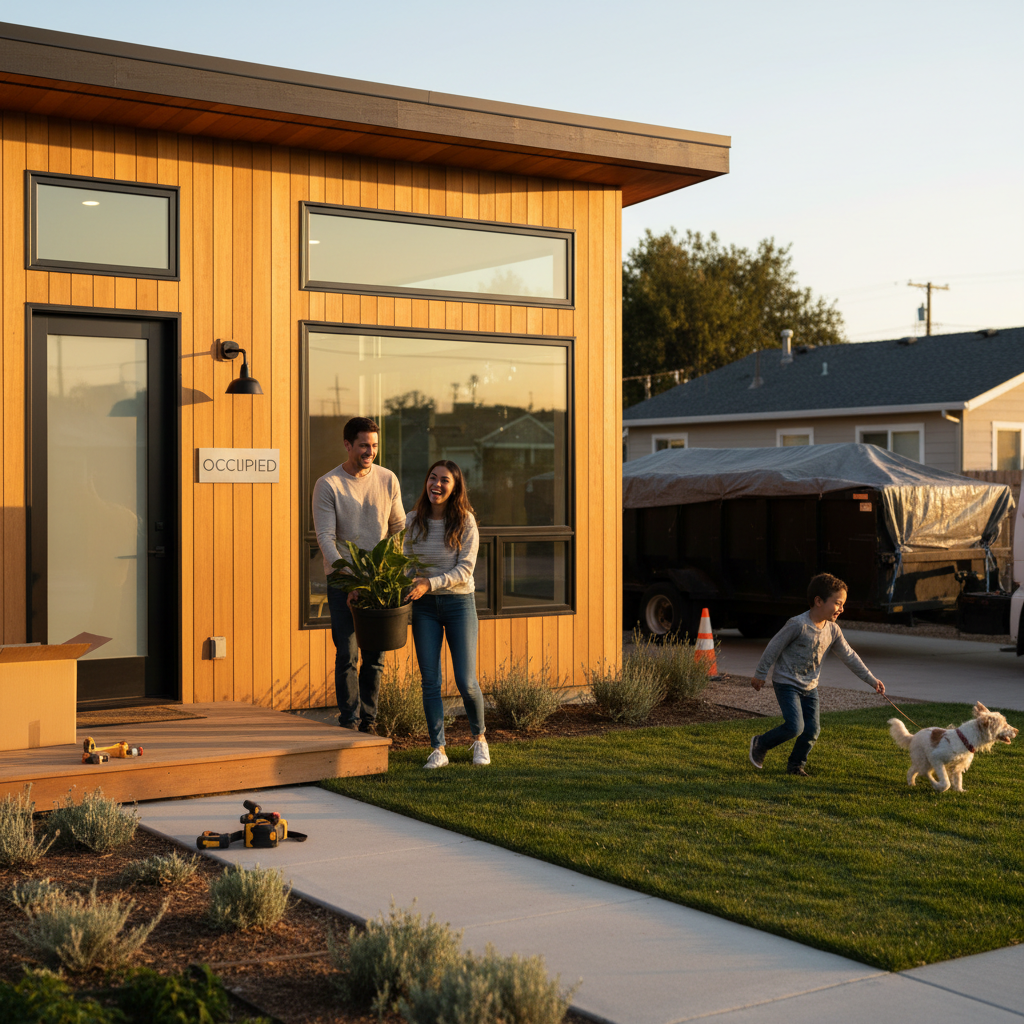
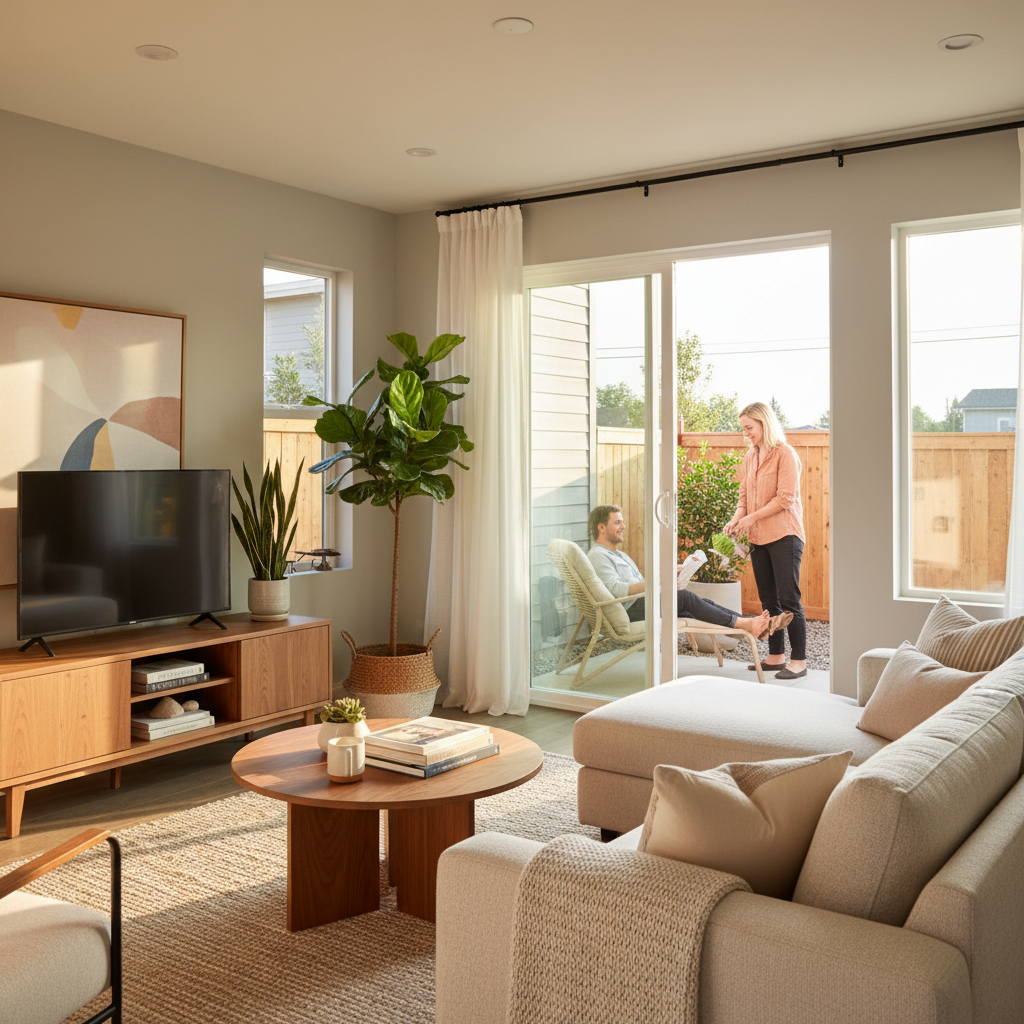
With all inspections passed, permits secured, utilities connected, and financials settled, the most exciting part begins: moving in! Whether you plan to use your ADU for family, as a rental, or a dedicated workspace, this is the culmination of your vision. Take time to:
- Test Everything: Run all appliances, check all outlets, flush toilets, turn on showers, and ensure all systems are functioning as expected.
- Familiarize Yourself: Understand how the thermostat works, locate main utility shut-off valves (water, gas, electrical panel), and know how to operate any new or smart home systems.
- Personalize Your Space: Decorate, furnish, and make it truly feel like home, reflecting your style and purpose for the ADU.
The ADU project close-out phase, while complex, is a testament to the quality and care put into your new structure. It ensures your ADU is not only beautiful but also safe, legal, and ready to serve its purpose for years to come.
Conclusion
The ADU project close-out represents the final, yet critical, chapter in your ADU construction journey. It’s a multi-faceted process that demands attention to detail, regulatory compliance, and careful coordination. From the rigorous final inspections to securing that vital Certificate of Occupancy, and from connecting all utilities to finalizing payments and warranties, each step is designed to ensure your new backyard home is safe, legal, and ready for occupancy. By understanding this process and partnering with an experienced ADU specialist, you can navigate these final stages with confidence and excitement. At GatherADU, we pride ourselves on delivering not just exceptional ADUs, but also a seamless, transparent, and fully supported experience from concept to close-out. Ready to embark on your ADU journey with a team that ensures every detail is perfect, right up to move-in day? Contact GatherADU today for a free consultation and let's bring your backyard home to life.