When planning or building an Accessory Dwelling Unit (ADU) in California, there's a myriad of regulations and best practices to consider. Among the less-understood but critically important aspects is ADU HVAC duct testing. This isn't just another inspection; it's a fundamental step that ensures your backyard home is energy-efficient, comfortable, and compliant with state building codes.
Many homeowners might overlook the intricacies of an HVAC system, assuming that as long as it heats and cools, it's doing its job. However, the ductwork—the hidden network that delivers conditioned air throughout your ADU—can be a significant source of energy waste and comfort issues if not properly sealed and installed. In California, where energy efficiency standards are among the strictest in the nation, duct testing isn't just recommended; it's often a legal requirement for your ADU.
At GatherADU, we believe in empowering homeowners with the knowledge to make informed decisions about their ADU projects. This comprehensive guide will demystify duct testing, explain its importance specifically for ADUs, detail when it's required, and outline how it contributes to a superior living experience in your new backyard home.
What Exactly Is an HVAC Duct Test?
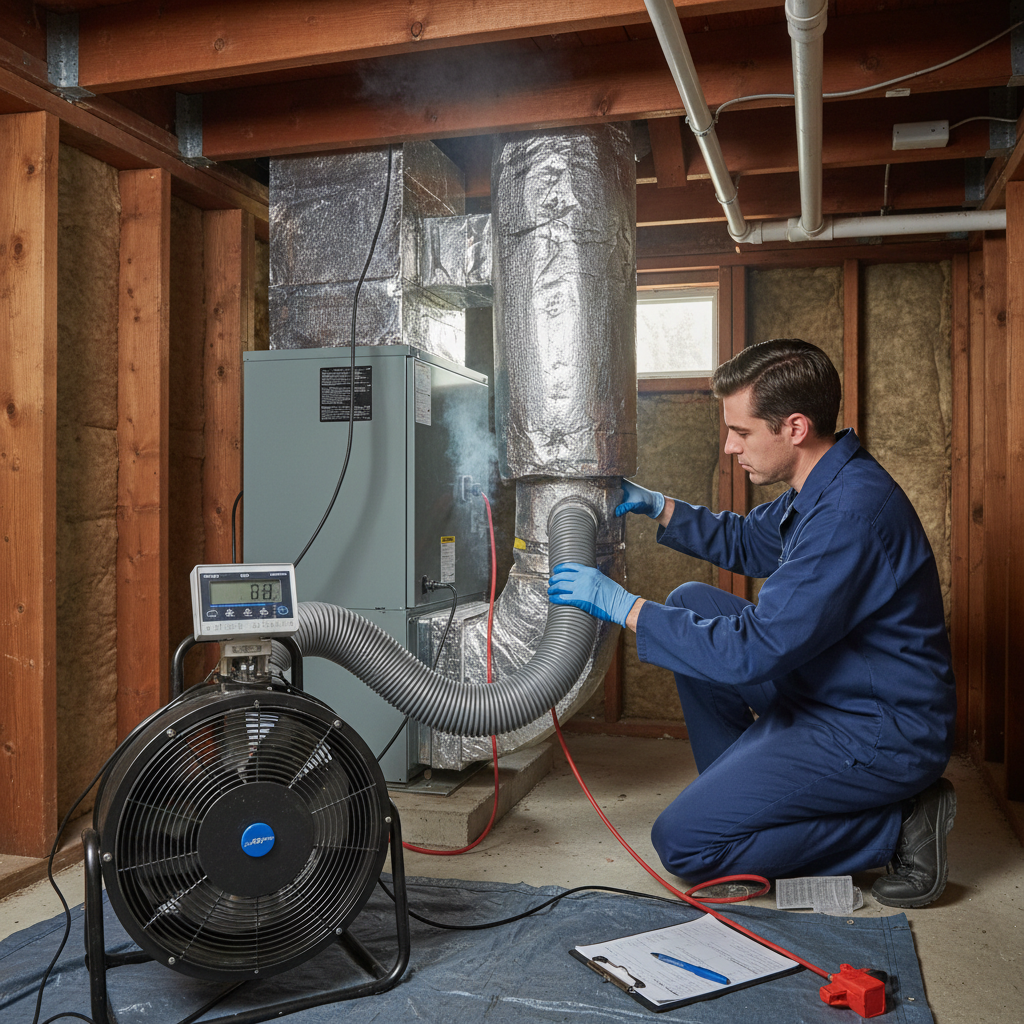
An HVAC duct test, often referred to as a duct leakage test or a "blower door test for ducts," is a diagnostic procedure used to measure the airtightness of your heating, ventilation, and air conditioning (HVAC) system's ductwork. The goal is to identify and quantify any leaks in the system.
Think of your ductwork as the circulatory system of your ADU's conditioned air. If there are holes or gaps in these "veins" and "arteries," the expensive heated or cooled air you're paying for escapes into unconditioned spaces (like attics, crawl spaces, or wall cavities) before it ever reaches your living areas. Conversely, unconditioned air and pollutants can be drawn into the ductwork and distributed throughout your home.
How Does Duct Testing Work?
The process typically involves:
- Sealing all vents: Technicians temporarily seal all registers and returns within the living space of the ADU.
- Pressurizing the duct system: A specialized fan (often called a duct blaster) is connected to the duct system, typically at the air handler or a large return vent. This fan then blows air into or sucks air out of the ductwork, creating a pressure difference (either positive or negative) relative to the surrounding environment.
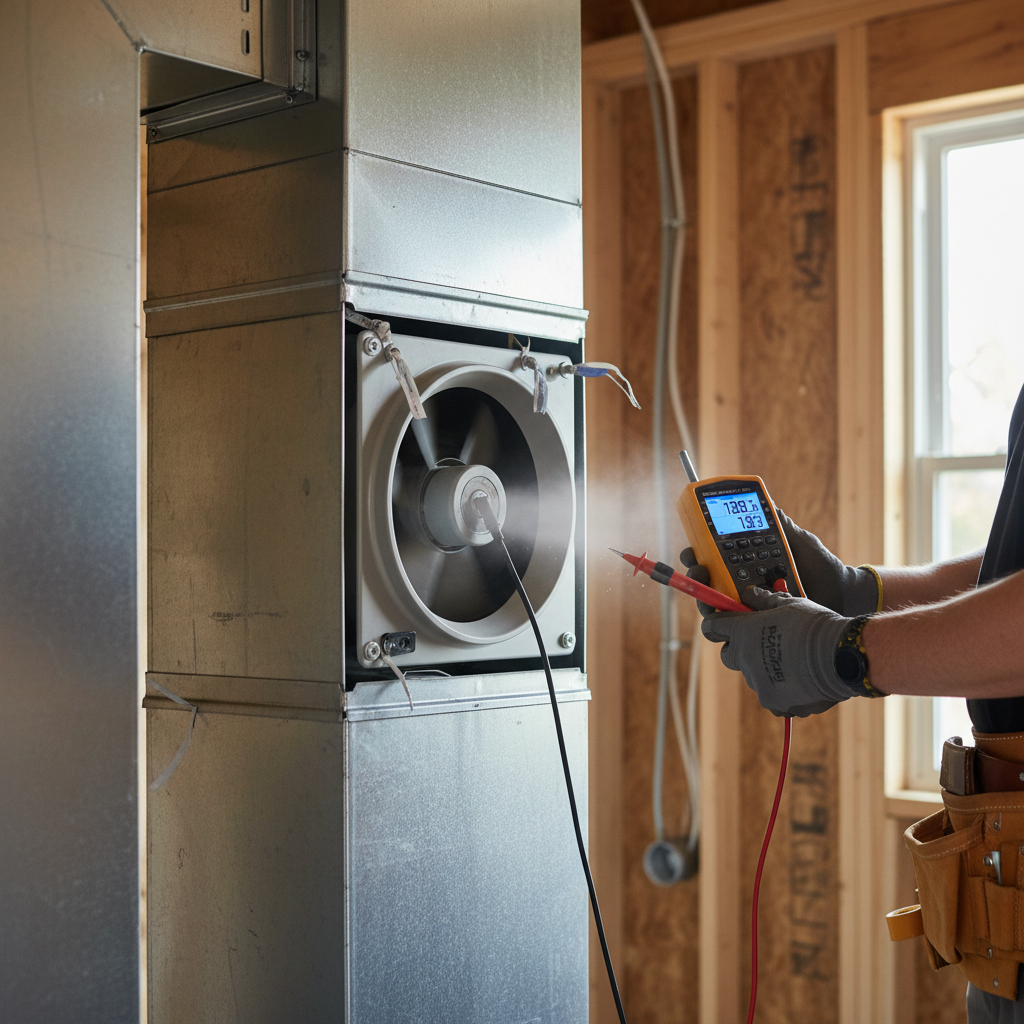
- Measuring leakage: A sensitive gauge (manometer) measures the airflow required to maintain a specific pressure within the duct system. The amount of airflow needed indicates the volume of air leaking out of (or into) the ducts. The results are typically expressed in Cubic Feet per Minute at 25 Pascals (CFM25).
- Identifying leaks (optional but recommended): While the test quantifies overall leakage, a skilled technician can also use smoke pencils or infrared cameras to visually locate specific leak points for repair.
Why Is Duct Testing Crucial for Your ADU?
For an ADU, where space is often compact and efficiency is paramount, proper ductwork is even more critical. Here's why ADU HVAC duct testing is not just a regulatory hurdle, but a genuine benefit:
1. Maximized Energy Efficiency
Leaky ducts can waste a significant amount of conditioned air—often 20-30% or more! This means your HVAC system has to work harder and longer to maintain desired temperatures, leading to:
- Higher Utility Bills: A direct impact on your monthly energy expenses.
- Increased Carbon Footprint: More energy consumption contributes to environmental impact.
- Premature HVAC System Wear: Overworked systems wear out faster, leading to costly repairs or early replacement.
2. Enhanced Indoor Air Quality (IAQ)
Beyond energy waste, leaky ducts can pull in unfiltered air from attics, crawl spaces, garages, or wall cavities. This air can contain:
- Dust and insulation fibers.
- Mold spores and mildew.
- Pollen and allergens.
- Pesticides and other chemicals.
- Pest droppings.
Distributing these contaminants throughout your ADU can negatively impact the health and comfort of occupants.
3. Improved Comfort and Consistent Temperatures
If ducts are leaking, some rooms in your ADU might not receive enough conditioned air, leading to "hot spots" or "cold spots." A properly sealed duct system ensures that air is delivered evenly and efficiently to all spaces, maintaining consistent and comfortable temperatures throughout your ADU.
4. Compliance with California's Title 24 Energy Code
This is perhaps the most direct reason for duct testing in California ADUs. Title 24, California's stringent energy code, mandates specific requirements for HVAC system installation and performance, including duct leakage limits for both new construction and major HVAC replacements. Failing to meet these standards can prevent your ADU from passing final inspection and receiving occupancy permits.
When Does an ADU HVAC System Require a Duct Test?
Understanding the triggers for ADU HVAC duct testing is crucial for project planning and compliance in California:
1. New ADU Construction
Any newly constructed ADU in California, whether detached or attached, will require a duct test as part of its energy efficiency compliance. This ensures that the HVAC system is installed correctly from the start and meets Title 24 standards.
2. HVAC System Replacement or Major Modifications
If you're replacing the entire HVAC system (furnace, air conditioner, and/or heat pump) in an existing ADU, or making significant modifications to the ductwork (e.g., adding new runs, relocating major components), a duct test will likely be required. The specific triggers often depend on the percentage of ductwork being replaced or modified. For example, if more than 40 feet of ductwork is being replaced or new ducts are being added, a test is typically mandatory.
3. Existing ADU Performance Issues
Even if not explicitly required by code, an existing ADU experiencing high energy bills, inconsistent temperatures, or poor indoor air quality could greatly benefit from a duct test. Identifying and sealing leaks can resolve these issues, making the ADU more comfortable and less expensive to operate.
4. Conversion of Existing Space to an ADU
When converting an existing garage or other structure into an ADU, if a new HVAC system is being installed or the existing system is significantly altered to serve the new living space, duct testing will be a necessary step to ensure compliance with current energy codes.
If you're considering an ADU project and want to ensure every detail, including optimal HVAC performance and compliance, is handled expertly, don't hesitate to schedule a free ADU consultation with GatherADU.
What Happens If My ADU Fails a Duct Test?
A failed duct test simply means that your ADU's duct system has leakage rates exceeding the allowable limits set by California's Title 24. It's not the end of the world, but it does require action:
- Leak Identification: The technician will work to locate the specific areas where air is escaping. Common culprits include:
- Joints between duct sections.
- Connections to the air handler, furnace, or vents.
- Tears or holes in the duct material (especially flexible ducts).
- Unsealed access panels.
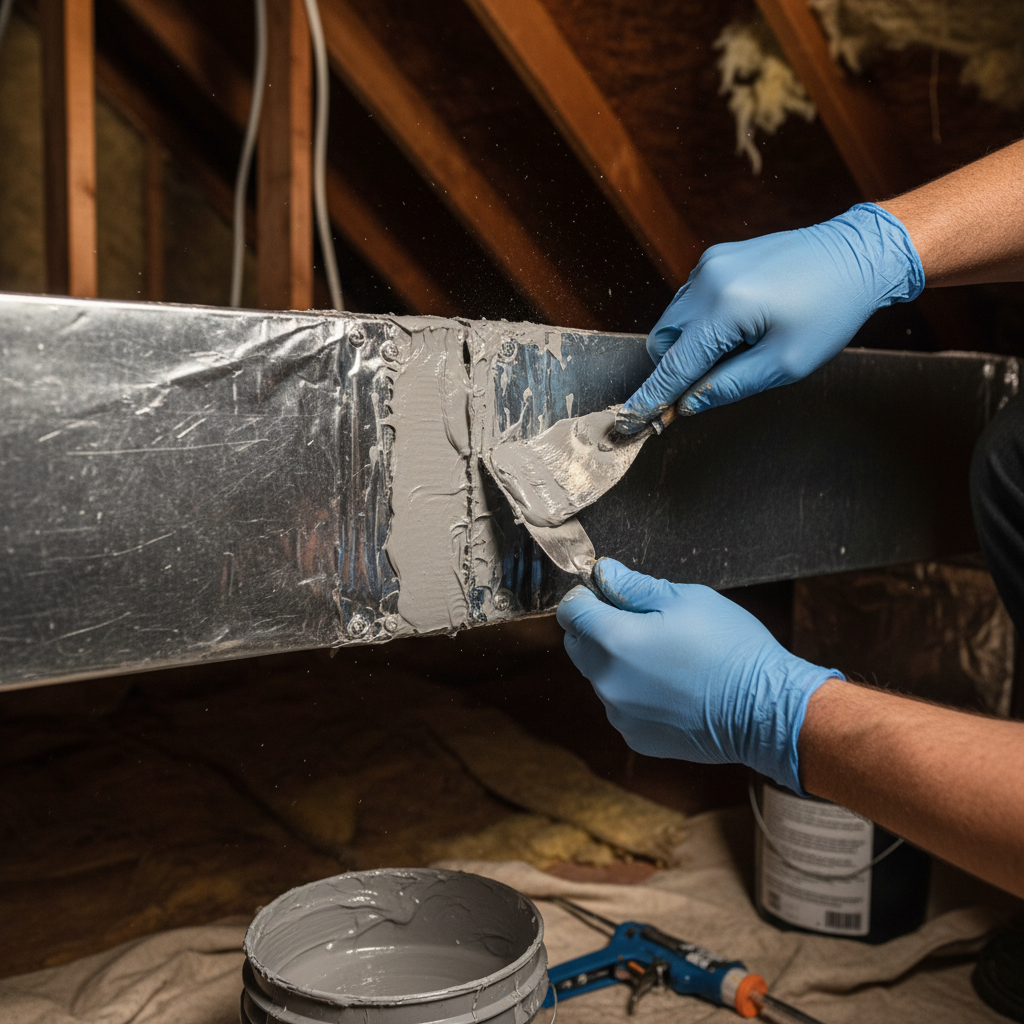
- Sealing and Repair: Leaks are typically sealed using specialized mastic sealant (a thick, paste-like material), UL-approved metal-backed tape, or other appropriate materials. Duct tape (the fabric-backed type) is generally NOT suitable for long-term duct sealing.
- Re-testing: Once repairs are made, the duct system must be re-tested to confirm that the leakage rate now meets the required standards.
Navigating the complexities of ADU construction, including compliance with energy codes like Title 24 and ensuring proper HVAC installation and testing, can be daunting for homeowners. This is where GatherADU's expertise becomes invaluable.
We prioritize energy efficiency and long-term performance in every ADU we design and build. Our process ensures that:
- HVAC Systems are Designed Optimally: We specify appropriately sized and efficient HVAC units and design ductwork for minimal runs and maximum airflow.
- Quality Installation: Our experienced contractors understand the importance of meticulous duct installation and sealing from the outset, minimizing the chances of failing a duct test.
- Seamless Compliance: We manage all necessary inspections, including ADU HVAC duct testing, ensuring your project meets all California building codes and passes final inspection without delays.
- Long-Term Savings: A well-designed and properly sealed HVAC system translates into lower energy bills and a more comfortable living environment for years to come.
Understanding the intricacies of ADU construction, from design to final inspections like duct testing, can be complex. Partnering with experienced professionals like GatherADU ensures a smooth process and a high-performing ADU. Get your free project estimate today and let us guide you.
Conclusion
ADU HVAC duct testing is far more than a bureaucratic formality; it's a critical component of building a high-performing, energy-efficient, and comfortable Accessory Dwelling Unit in California. By ensuring your ADU's ductwork is properly sealed, you're not only complying with stringent state regulations like Title 24 but also investing in lower utility bills, cleaner indoor air, and consistent comfort for your occupants.
Don't leave the efficiency and comfort of your future ADU to chance. By understanding the importance of duct testing and partnering with a knowledgeable builder, you can ensure your ADU is a model of energy efficiency and indoor comfort. Ready to start your ADU journey with confidence? Book your free ADU consultation with GatherADU and let our experts help you design and build a high-performing, compliant backyard home.