The foundation of any sturdy building, especially an Accessory Dwelling Unit (ADU), lies not just in its concrete slab but in the critical connection between that slab and the wooden walls above. This vital link is provided by a component often overlooked but indispensable: the sill plate. In ADU construction, where every square foot counts and long-term durability is paramount, understanding the role of the sill plate isn't just for builders—it's for every homeowner considering expanding their property. This comprehensive guide will delve into what a sill plate is, why it's so crucial for your ADU's structural integrity, and the best practices for its installation, particularly in California's unique building environment.
What Exactly Is a Sill Plate?
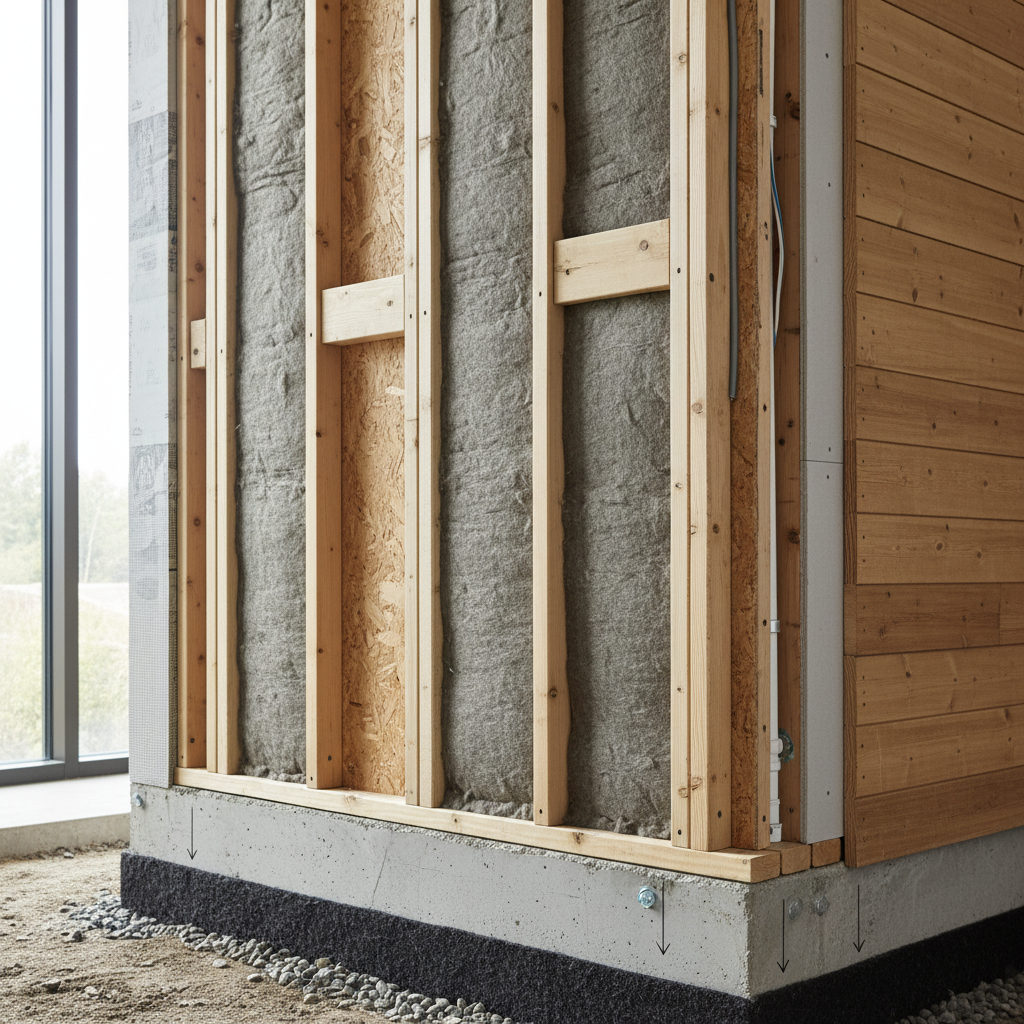
At its most basic, a sill plate is the bottom-most horizontal framing member of a wood-framed wall. It rests directly on top of the concrete foundation (or stem wall) and serves as the bridge between the non-porous, rigid foundation and the flexible, wood-framed structure of your ADU. Typically made from pressure-treated lumber, the sill plate is securely anchored to the foundation, providing a stable base for the entire wall assembly above it, including studs, headers, and roof trusses. Without a properly installed sill plate, the structural integrity of your ADU would be severely compromised from the ground up.
The Crucial Role of the Sill Plate in ADU Construction
The sill plate performs several non-negotiable functions that contribute to the overall strength, safety, and longevity of your ADU.
Structural Integration and Load Transfer
The primary function of the sill plate is to evenly distribute the vertical load from the ADU's walls and roof down to the foundation. It ensures that the weight is spread across the concrete foundation, preventing stress concentrations that could lead to cracks or structural failure. This seamless transfer of weight is fundamental to the building's stability.
Anchoring and Seismic Resistance
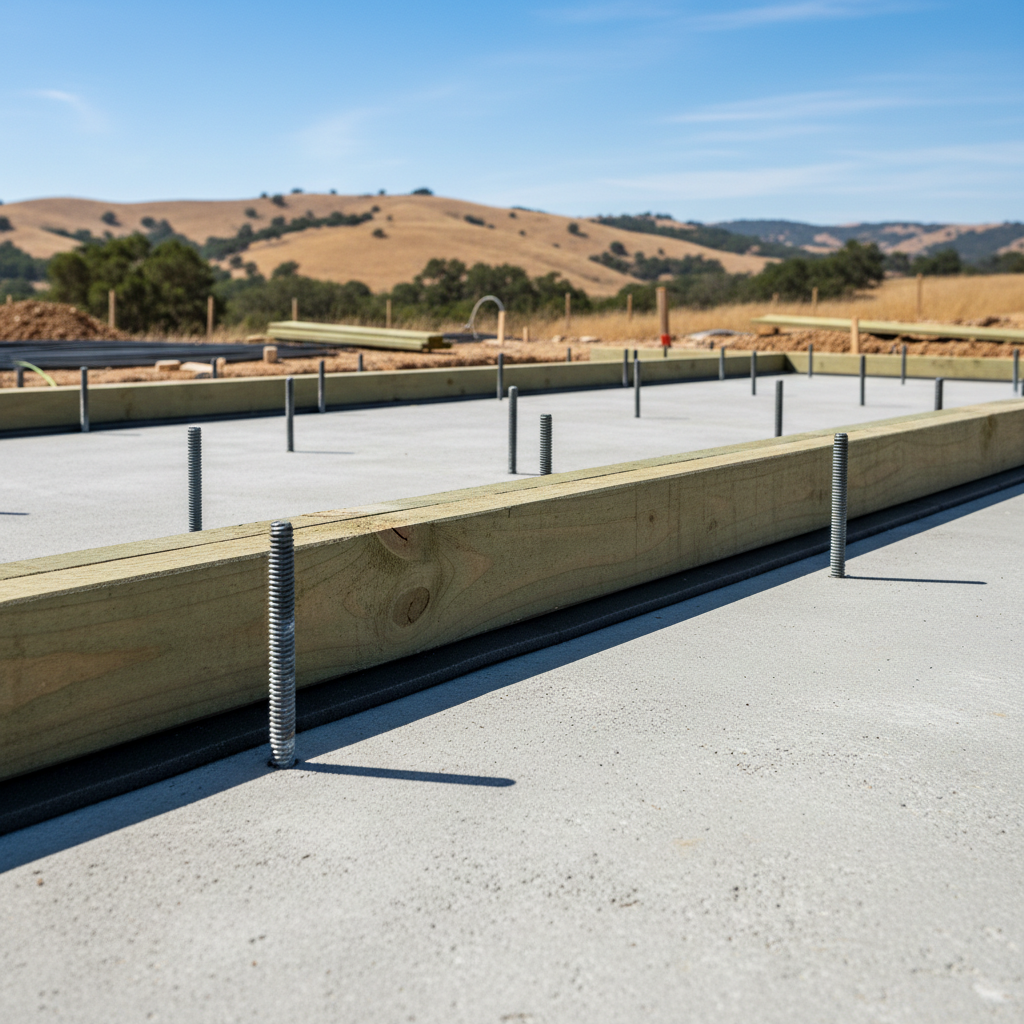
In a seismically active state like California, the sill plate's role in anchoring the structure is paramount. It is securely fastened to the foundation using anchor bolts, which are embedded deep into the concrete. These bolts prevent the ADU from shifting or lifting off its foundation during high winds, floods, or, most critically, earthquakes. California building codes have stringent requirements for anchor bolt size, spacing, and embedment depth to ensure adequate seismic resistance, making the sill plate a critical component in protecting your investment and your safety.
Moisture and Pest Barrier
Concrete foundations are porous and can wick moisture from the ground, which can lead to rot and decay in untreated wood. The sill plate, typically made of pressure-treated lumber, resists moisture, preventing it from transferring into the wall studs. Furthermore, a sill gasket or foam sealant is often placed between the sill plate and the foundation. This gasket acts as a capillary break, preventing moisture wicking, and also helps to seal air leaks, improving the ADU's energy efficiency. Pressure-treated wood also provides a degree of resistance against termites and other wood-destroying pests, adding another layer of protection for your ADU.
Leveling and Foundation Imperfections
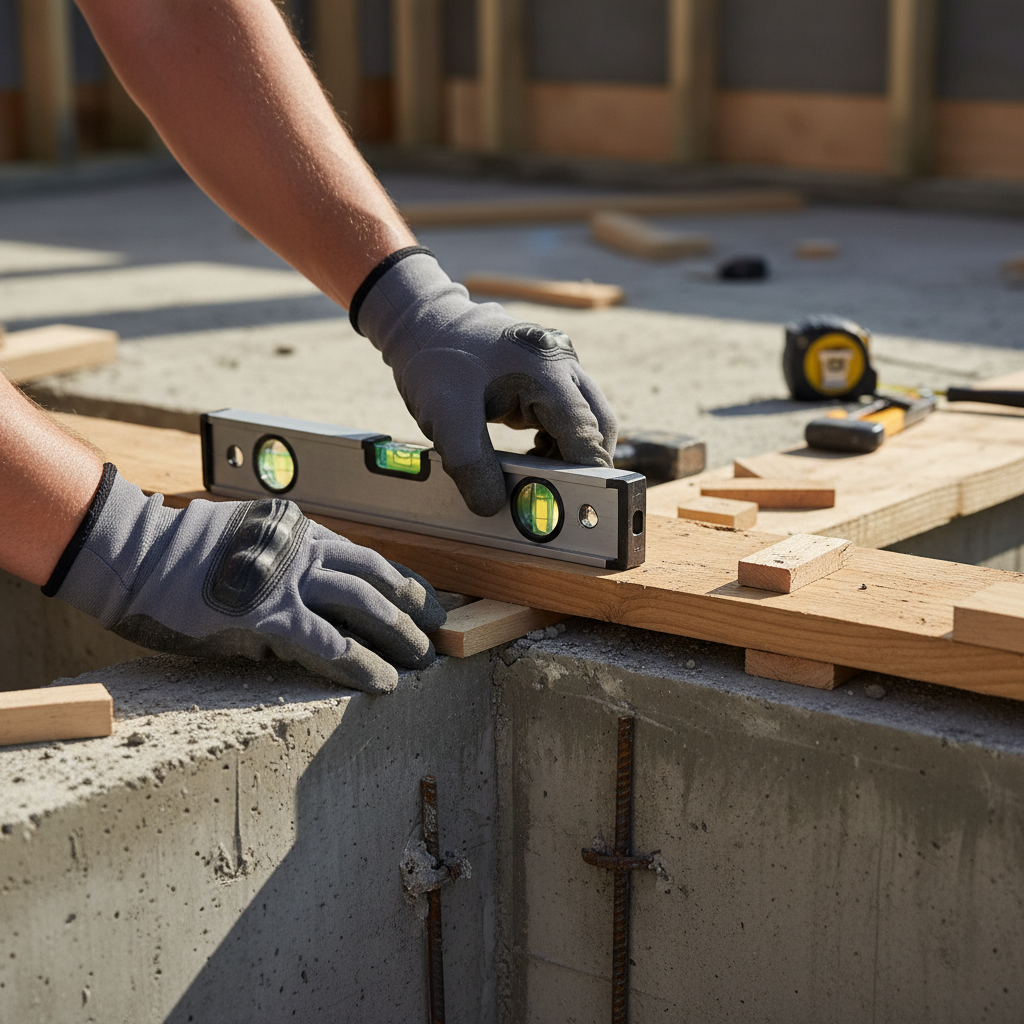
While foundations are poured with great care, minor imperfections or unevenness can occur. The sill plate, along with shims if necessary, helps to create a perfectly level and plumb base for the wall framing. This ensures that the walls are straight, the floors are level, and the entire structure is square, which is essential for proper construction and finishing.
Types of Sill Plates and Materials
While the concept is straightforward, the materials and components used for sill plates are specific and chosen for durability and code compliance.
- Pressure-Treated Lumber: This is the standard material for sill plates. It's typically Southern Yellow Pine or Douglas Fir treated with chemical preservatives to resist rot, decay, and insect infestation. The treatment ensures that the wood can withstand direct contact with concrete and potential moisture exposure without deteriorating.
- Sill Gaskets/Sealants: A continuous strip of closed-cell foam or asphalt-impregnated fiberboard is placed between the concrete foundation and the sill plate. This gasket serves multiple purposes: it acts as a moisture barrier, prevents air infiltration, and reduces heat transfer, contributing to the ADU's overall energy performance.
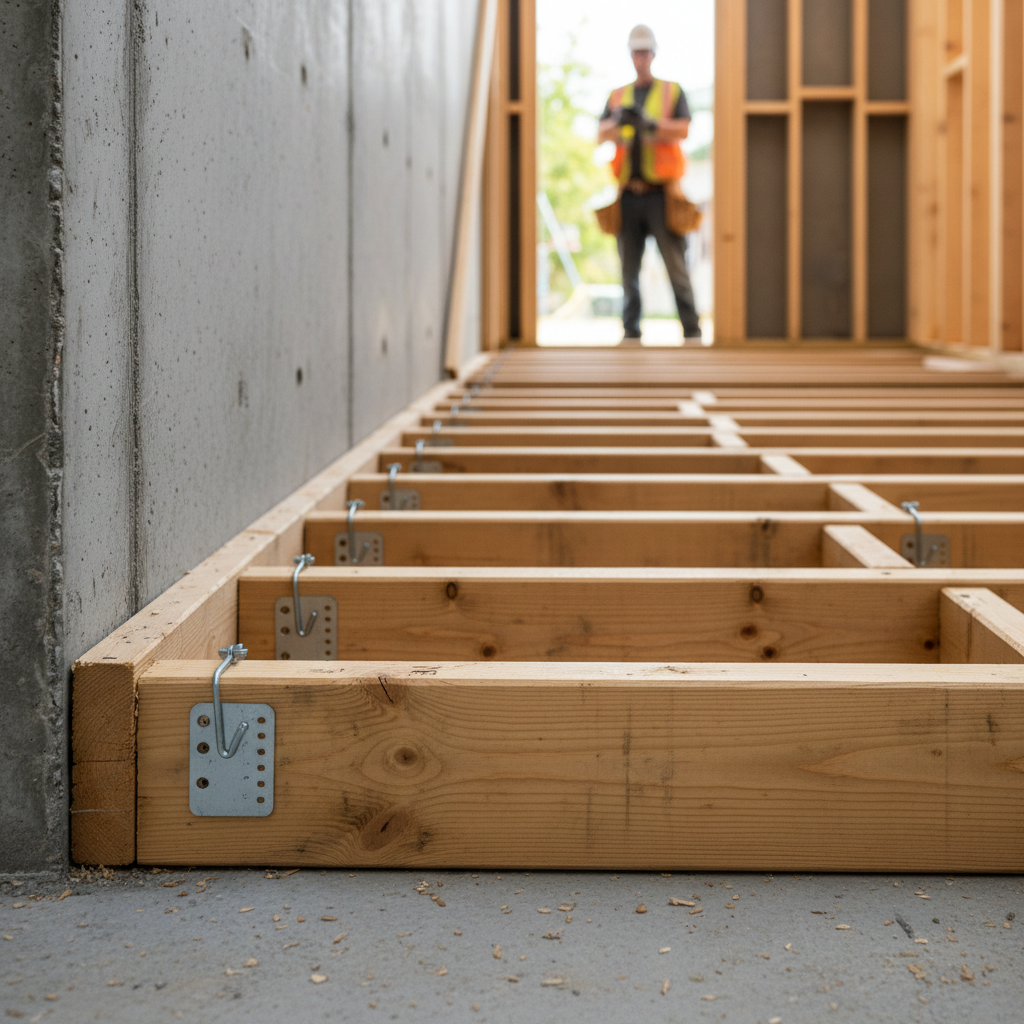
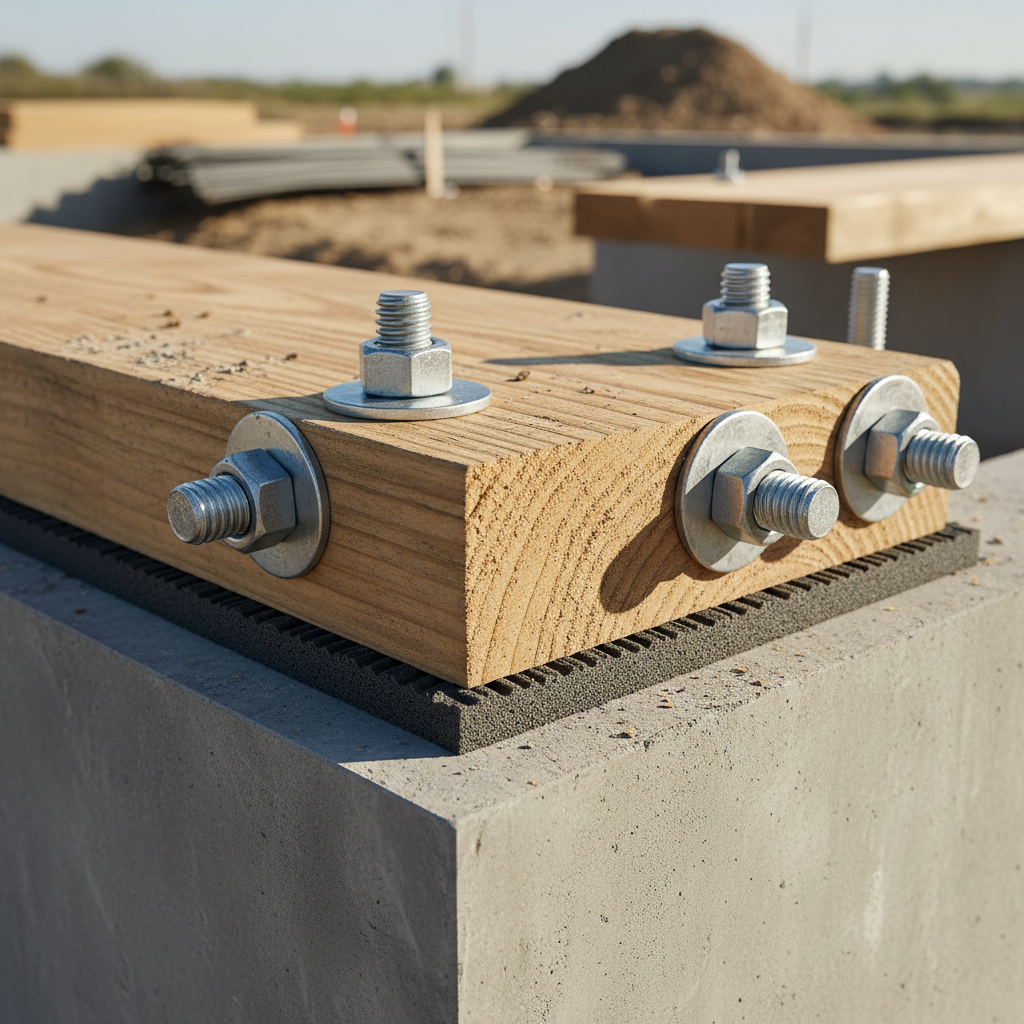
- Anchor Bolts: These are steel bolts, often J-shaped or L-shaped, embedded into the wet concrete foundation during the pour. Once cured, the sill plate is drilled to align with these bolts, secured with washers and nuts. Modern seismic codes may also require specific types of anchor bolts or hold-downs in certain areas to resist uplift and shear forces.
Installation Best Practices for ADU Sill Plates
Proper installation of the sill plate is non-negotiable for the long-term health of your ADU.
- Foundation Preparation: Before the sill plate is laid, the concrete foundation must be clean, dry, and free of debris. Any significant unevenness should be addressed, though minor discrepancies can be managed with shims.
- Gasket Placement: The sill gasket should be laid continuously along the top of the foundation wall, ensuring no gaps that could allow moisture or air infiltration.
- Sill Plate Placement and Drilling: The pressure-treated sill plate is then carefully positioned over the anchor bolts. Precise measurements are critical to ensure the plate is square with the foundation and that the anchor bolts pass cleanly through the pre-drilled holes. The spacing and diameter of these holes must match local building codes and engineering specifications.
- Securing with Anchor Bolts: Once in place, washers and nuts are tightened onto the anchor bolts. It's crucial to tighten them sufficiently to create a firm connection but not overtighten, which could crush the wood or damage the bolt. In seismic zones, special seismic washers or hold-downs might be required.
- Leveling and Shimming: If the foundation has minor variations, shims (thin, tapered pieces of wood or composite) are strategically placed between the sill plate and the foundation to ensure the top surface of the sill plate is perfectly level. This provides a true and flat surface for the subsequent wall framing.
- Inspection and Code Compliance: Throughout the process, adherence to California's stringent building codes is paramount. A qualified inspector will typically review the sill plate installation before framing begins, checking for correct materials, proper anchoring, and adequate leveling.
Thinking about adding an ADU to your property? Ensuring every detail, from the sill plate to the roof, is handled with expert care is essential. Book a free ADU consultation with GatherADU to discuss your project and learn how our expertise can bring your vision to life.
Why a Properly Installed Sill Plate Matters for Your ADU
The consequences of a poorly installed or neglected sill plate can range from minor annoyances to catastrophic structural failure, making its proper execution a critical investment in your ADU's future.
- Longevity and Durability: A well-installed sill plate, protected from moisture and pests, forms the resilient base for your ADU. It ensures the entire structure remains stable and sound for decades, resisting the natural elements and wear and tear.
- Safety and Structural Integrity: This component is a primary defense against structural movement caused by wind, seismic activity, or settling. Its failure can lead to shifted walls, cracked finishes, and in extreme cases, the ADU detaching from its foundation, posing significant safety risks.
- Avoiding Costly Repairs: Addressing issues with a sill plate after construction is incredibly complex and expensive. It often involves lifting the entire structure, replacing damaged wood, and re-anchoring—a process that can significantly exceed the initial cost savings from cutting corners.
- Meeting California Building Codes: California's building codes are designed to protect homeowners and ensure resilient construction, especially against seismic events. A compliant sill plate installation is not just a recommendation; it's a legal requirement that ensures your ADU passes inspection and is insurable.
Common Issues and How to Avoid Them
Understanding potential pitfalls can help ensure your ADU's foundation is solid.
- Moisture Damage and Rot: If untreated lumber is used, or the sill gasket is improperly installed, moisture from the concrete can wick into the sill plate and subsequently into the wall studs, leading to rot.
- Avoidance: Always use pressure-treated lumber for sill plates in contact with concrete. Ensure a continuous, properly sealed sill gasket.
- Improper Anchoring: Anchor bolts that are too short, incorrectly spaced, or not adequately tightened will compromise the ADU's ability to resist lateral and uplift forces.
- Avoidance: Follow engineered plans and local building codes precisely for anchor bolt type, spacing, embedment depth, and torque specifications.
- Termite Infestation: While pressure-treated wood offers resistance, it's not entirely impervious, especially if damaged or if the treatment is compromised.
- Avoidance: Implement a comprehensive pest management strategy, including proper grading around the ADU to prevent water pooling, and regular inspections.
- Uneven Base: A poorly leveled sill plate will lead to crooked walls, uneven floors, and difficulties with door and window installation, impacting the entire build.
- Avoidance: Meticulous leveling and shimming during installation are crucial.
Navigating the intricacies of ADU construction requires expertise and attention to detail. From the foundational sill plate to the final finishes, every step impacts your ADU's quality and longevity. Curious about the investment involved in a high-quality ADU build? Get your free ADU project estimate and let GatherADU guide you through the process.
Conclusion
The sill plate, while seemingly a minor component, is unequivocally one of the most critical elements in ADU construction. It's the silent workhorse that connects your ADU firmly to its foundation, safeguarding it against the elements, seismic activity, and the passage of time. A properly chosen and expertly installed sill plate ensures structural integrity, resists moisture and pests, and forms the true, level base upon which your entire backyard home stands. For homeowners in California, understanding its importance is key to appreciating the quality and resilience of their investment. When you choose to build with GatherADU, you're partnering with experts who prioritize these foundational details, ensuring your ADU is not just built, but built to last. Ready to explore the possibilities of adding a durable, high-quality ADU to your property? Schedule your free ADU consultation with GatherADU today and let's lay the groundwork for your dream backyard home.