When planning your Accessory Dwelling Unit (ADU), often called a backyard home or granny flat, many elements demand your attention. Among the most fundamental, yet frequently underestimated, is ADU concrete flatwork. Far more than just a simple slab, concrete flatwork forms the very bedrock of your new structure, dictating its stability, functionality, and even its aesthetic appeal.
As California's leading ADU design and build experts, GatherADU understands that a successful ADU project hinges on meticulous planning and execution of every detail, especially the foundational ones. This comprehensive guide will demystify concrete flatwork, explain its various applications within an ADU project, and highlight why investing in quality in this area is paramount for the longevity and value of your backyard home.
What Exactly Is Concrete Flatwork?
At its core, concrete flatwork refers to any poured concrete surface that is horizontally laid and typically used for walking, driving, or supporting structures. Unlike vertical concrete elements like walls or columns, flatwork encompasses broad, level surfaces. For an ADU, this includes a wide range of essential components that ensure both structural integrity and daily usability.
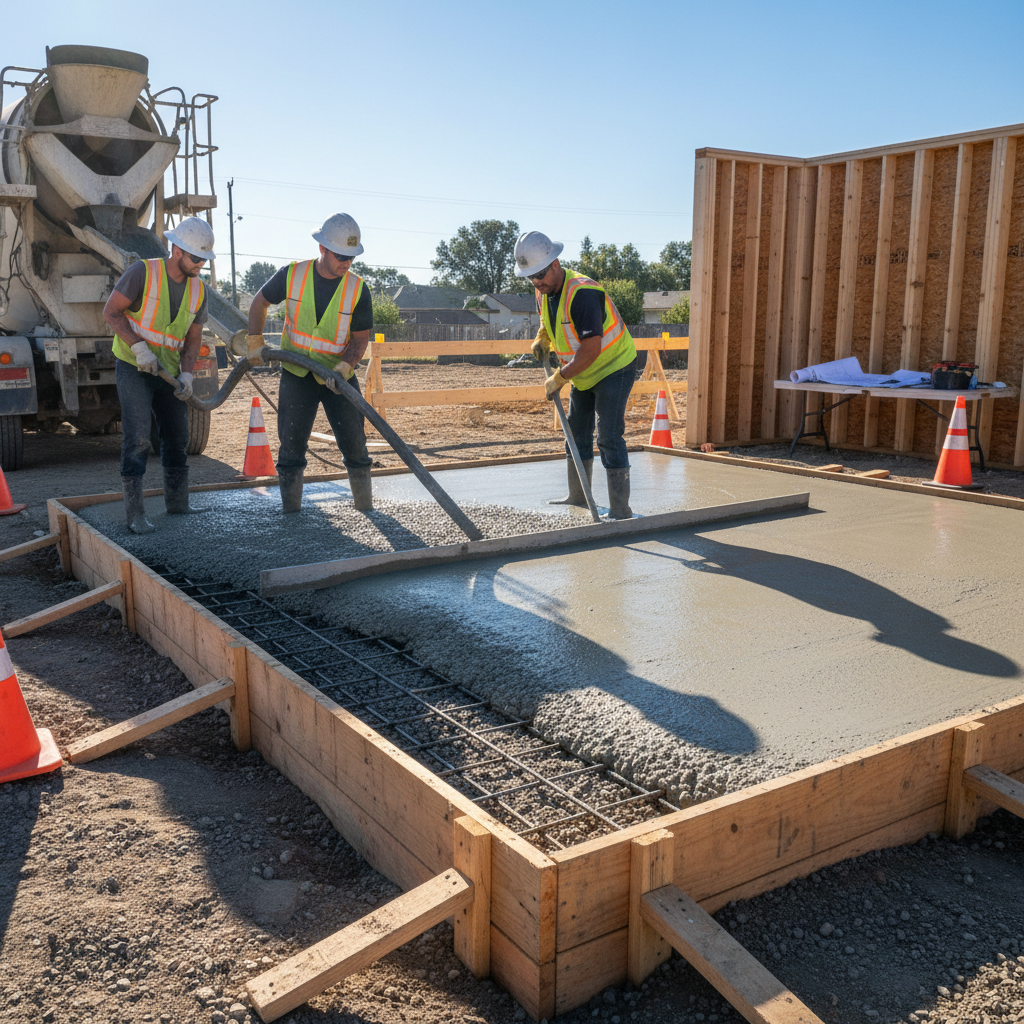
The process generally involves preparing the subgrade (the soil beneath), setting up forms to contain the wet concrete, placing reinforcement (like rebar or wire mesh), pouring the concrete, and then meticulously finishing and curing it. The quality of each step directly impacts the final product's strength, durability, and appearance.
Why ADU Concrete Flatwork is a Non-Negotiable Element
You might think of concrete as a purely utilitarian material, but for an ADU, its role is multifaceted and critical. Here's why:
Structural Integrity and Safety
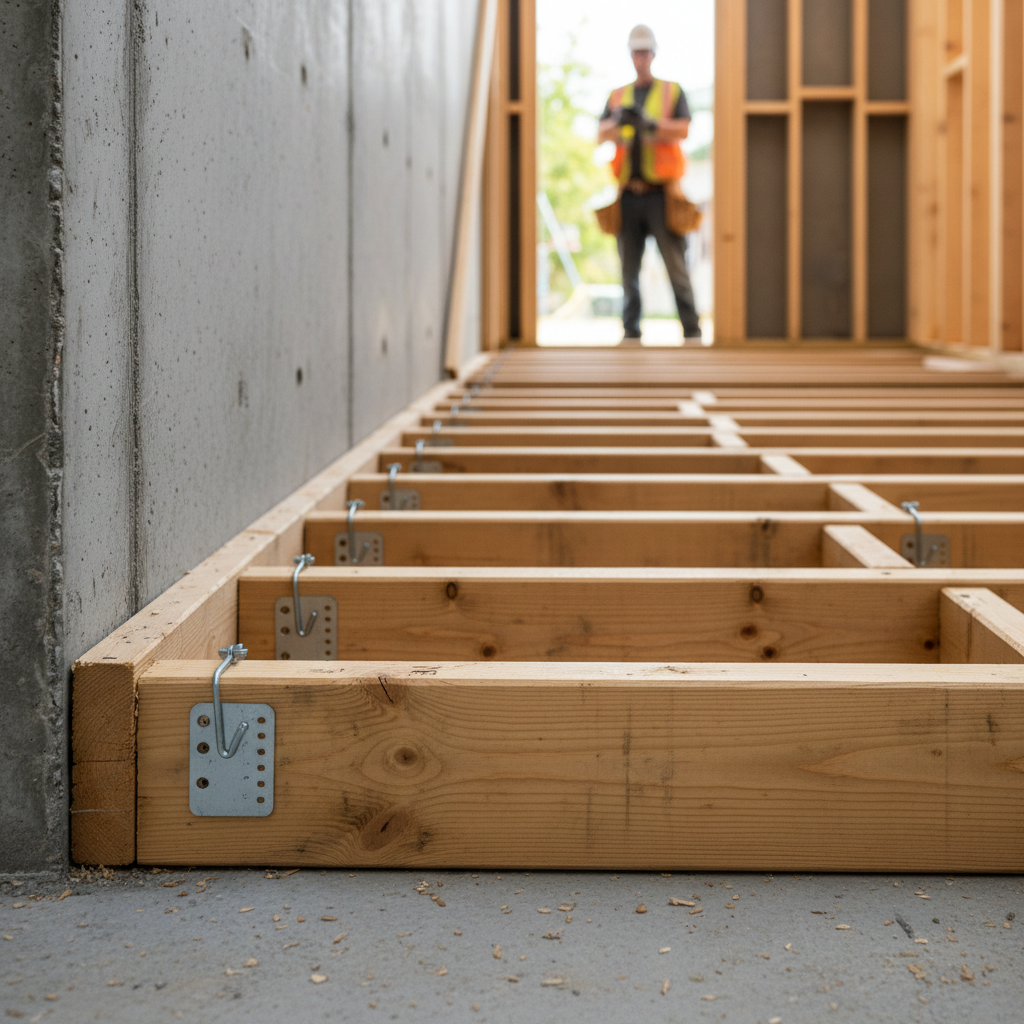
The most vital function of concrete flatwork is to provide a stable, level, and robust foundation for your ADU. Without a properly engineered and executed concrete slab, your entire structure is vulnerable to shifting, cracking, and potential structural failure. In seismic regions like California, this is not just about convenience; it's about safety and meeting stringent building codes.
Enhanced Functionality and Livability
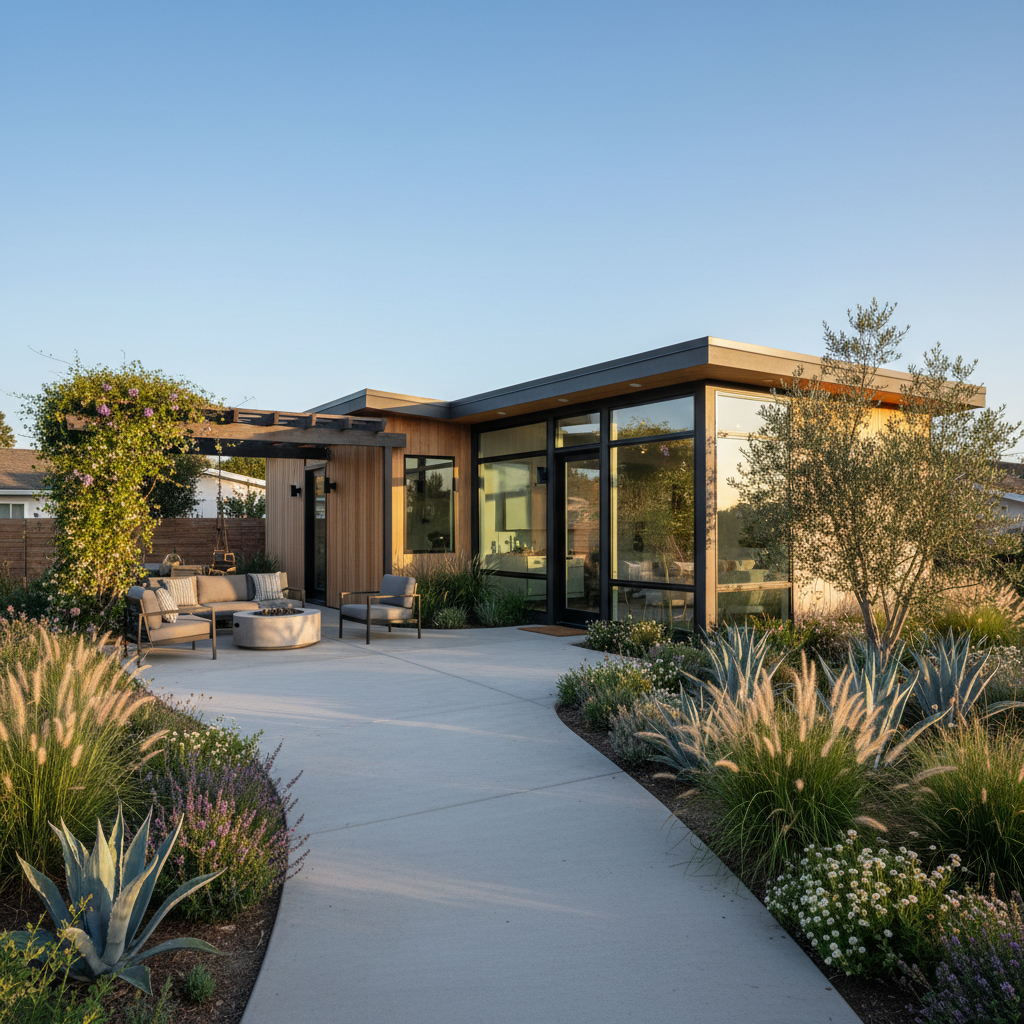
Beyond the foundation, concrete flatwork extends the usable living space of your ADU. Think about a beautiful patio for outdoor dining, smooth walkways connecting to the main house, or a dedicated parking pad. These elements significantly enhance the functionality and appeal of the backyard home, making it more enjoyable and practical for its occupants.
Longevity and Low Maintenance
High-quality concrete, properly installed and cured, is incredibly durable and can last for decades with minimal maintenance. This resilience makes it an ideal choice for outdoor surfaces exposed to varying weather conditions, heavy foot traffic, or vehicle loads. Investing in good concrete flatwork upfront means fewer repairs and replacements down the line.
Aesthetics and Curb Appeal
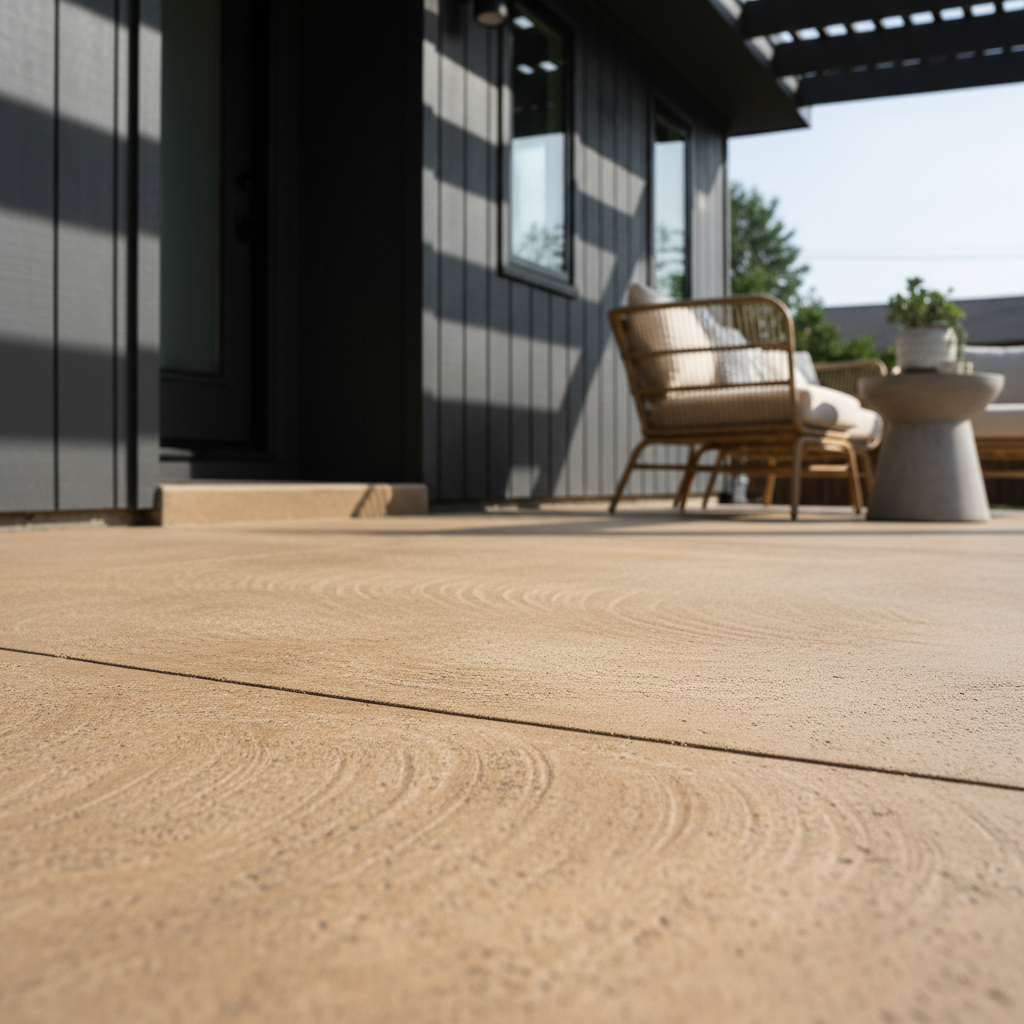
Modern concrete finishing techniques offer a surprising range of aesthetic possibilities. From smooth, polished surfaces to textured broom finishes, stamped patterns, and colored concrete, flatwork can be customized to complement your ADU's architectural style and enhance your property's overall curb appeal. It's an opportunity to create a cohesive and inviting outdoor environment.
Essential ADU Concrete Flatwork Applications
Let's delve into the specific areas where concrete flatwork plays a pivotal role in your ADU project:
The Foundation: The Bedrock of Your ADU
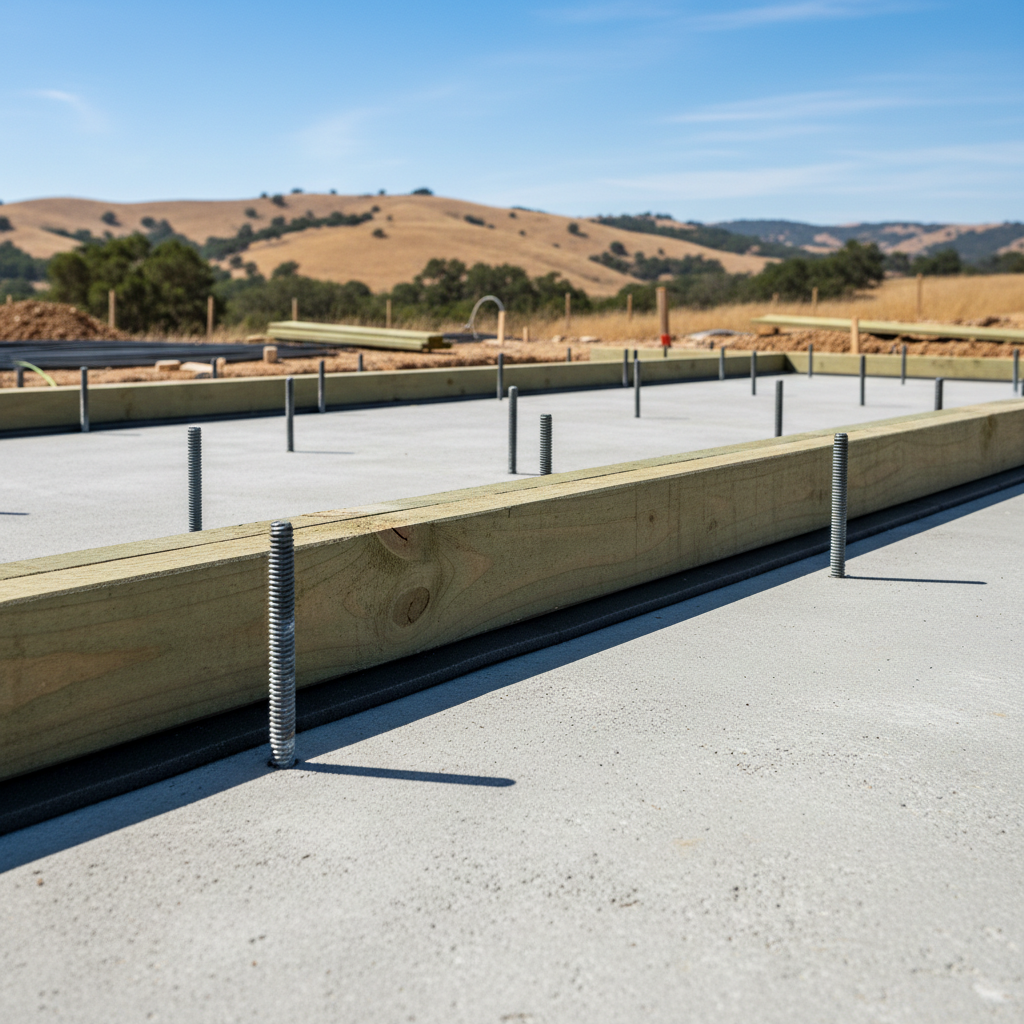
The most critical application of concrete flatwork is the ADU's foundation. In California, the most common type for ADUs is a slab-on-grade foundation. This involves pouring a concrete slab directly onto a prepared subgrade, often incorporating thickened edges (footings) and internal reinforcement. This design offers excellent stability, is cost-effective, and is well-suited for seismic activity when engineered correctly.
Less common but occasionally used, particularly for sloping sites, might involve concrete piers as part of a pier and beam foundation. Regardless of the specific type, the foundation must be precisely engineered to support the ADU's weight, distribute loads evenly, and comply with all local building codes and seismic requirements.
Creating Inviting Outdoor Spaces: Patios and Decks
An ADU often benefits from dedicated outdoor living areas. Concrete patios are a popular choice due to their durability, versatility, and ability to be customized. A well-designed concrete patio can seamlessly extend the ADU's interior living space outdoors, providing an ideal spot for relaxation, entertaining, or even a small garden. Options include:
- Broom Finish: A classic, non-slip texture.
- Smooth Trowel Finish: A sleek, modern look.
- Stamped Concrete: Mimics the appearance of stone, brick, or wood.
- Exposed Aggregate: Reveals decorative stones within the concrete.
- Stained or Colored Concrete: Adds aesthetic appeal.
Connecting Your Spaces: Walkways and Pathways
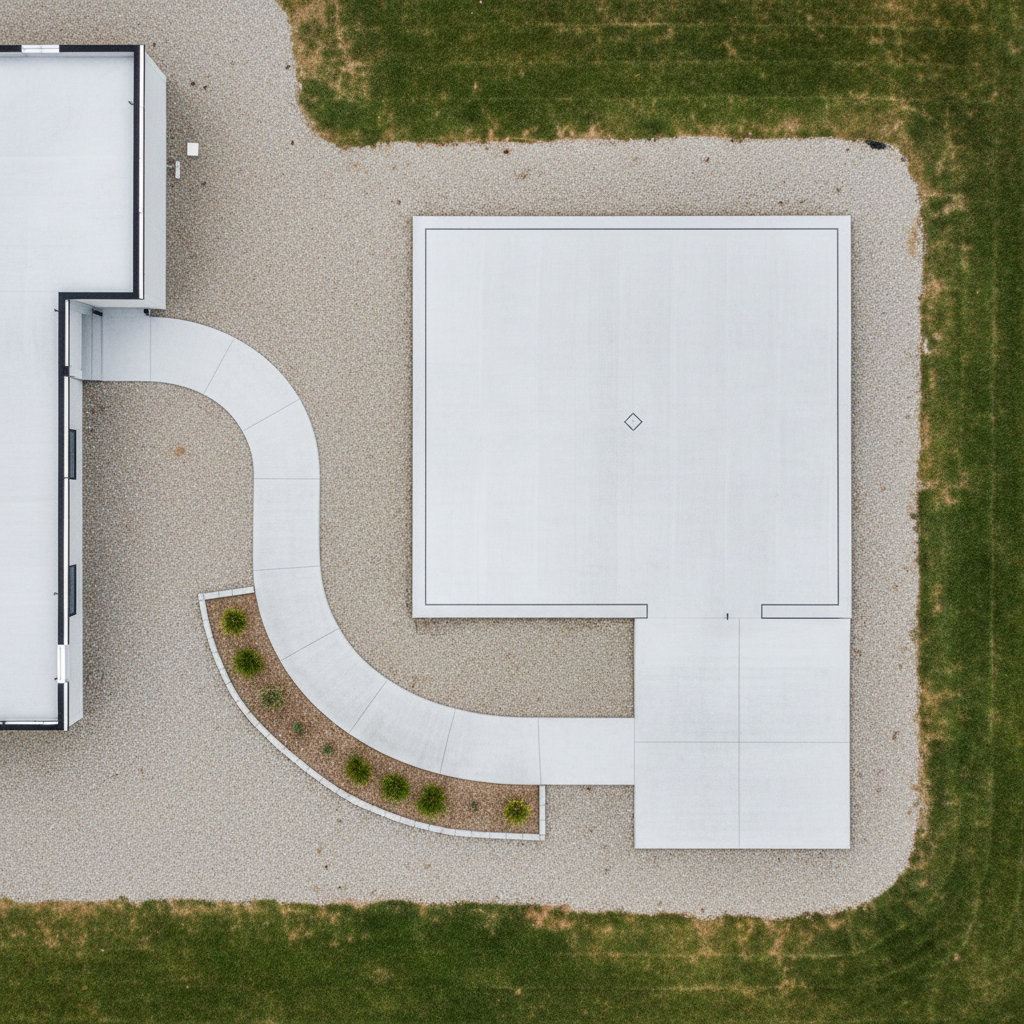
To ensure easy and safe access to your ADU, concrete walkways and pathways are essential. These can connect the ADU to the main house, a parking area, or simply define routes within your backyard. Properly designed walkways are not only functional but also contribute to the overall landscape design and curb appeal of your property.
Practical Utility: Driveways and Equipment Pads
For detached ADUs, or if your local jurisdiction requires additional parking, a concrete driveway or parking pad might be necessary. These need to be robust enough to withstand vehicle weight and repeated use. Additionally, concrete flatwork is used for smaller utility pads to support essential ADU equipment, such as HVAC units, water heaters, or trash enclosures, keeping them level and protected from ground moisture.
The Process: From Groundbreaking to Finished Slab
Understanding the general steps involved in ADU concrete flatwork can help you appreciate the complexity and precision required:
Initial Planning and Site Preparation
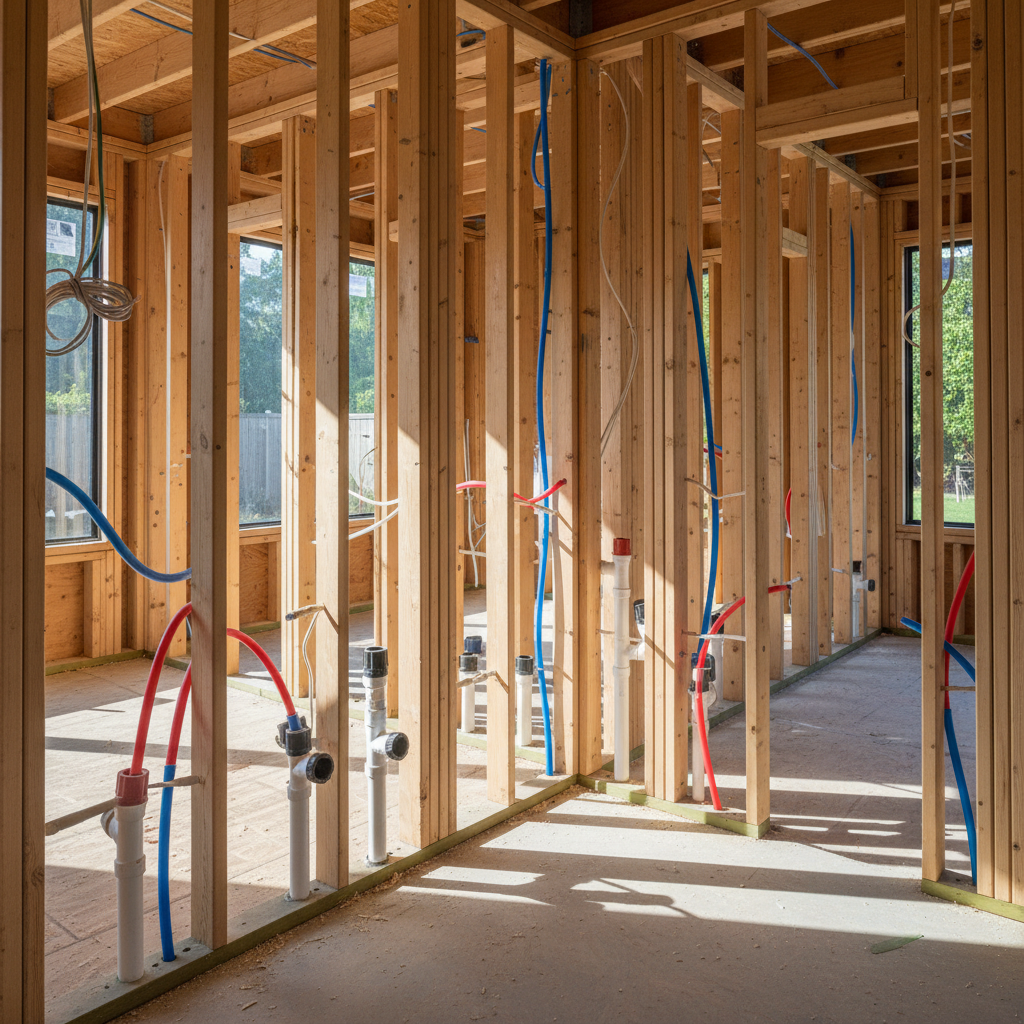
This phase involves thorough site analysis, engineering design (crucial for foundations), obtaining necessary permits, and clearing the site. Proper drainage planning is also integrated here to prevent water issues down the line.
Excavation and Grading for a Level Base
The site is excavated to the required depth, and the subgrade is meticulously graded and compacted to create a stable, uniformly dense base. This step prevents settling and ensures the concrete slab will remain level over time.
Formwork and Reinforcement (Rebar/Mesh)
Forms (typically wood or metal) are precisely set up to define the exact shape and dimensions of the concrete pour. Within these forms, steel reinforcement (rebar or wire mesh) is laid out. This reinforcement significantly increases the concrete's tensile strength, preventing cracking and enhancing its overall durability, especially important for seismic resistance.
Pouring and Expert Finishing Techniques
The concrete is then poured into the forms. This is a time-sensitive operation that requires skilled professionals to ensure even distribution and proper consolidation. Immediately after pouring, the concrete is leveled using screeds and then finished with various tools (trowels, floats, brooms) to achieve the desired surface texture and smoothness.
Crucial Curing for Maximum Strength
Curing is perhaps the most overlooked yet vital step. It involves maintaining proper moisture and temperature conditions for the concrete as it hardens. This slow, controlled drying process allows the concrete to achieve its maximum strength and hardness, significantly reducing the likelihood of cracking and improving its long-term performance. Curing can involve water spraying, covering with plastic, or applying chemical curing compounds.
Choosing the Right Concrete Partner for Your ADU
The success of your ADU's concrete flatwork hinges on the expertise of the professionals you choose. It's not a job for amateurs. You need a licensed, experienced contractor with a proven track record in ADU construction and a deep understanding of California's specific building codes and seismic requirements.
At GatherADU, we manage every aspect of your ADU project, including the critical concrete flatwork. Our integrated design-build approach ensures seamless coordination between engineering, site preparation, and concrete installation, guaranteeing a high-quality, compliant, and durable result. We work with trusted concrete specialists who share our commitment to excellence.
If you're ready to explore the possibilities of an ADU on your property, including detailed planning for all concrete elements, we invite you to book a free ADU consultation with GatherADU today.
Cost Factors and Long-Term Value of Quality Concrete Flatwork
The cost of concrete flatwork for an ADU can vary widely depending on several factors:
- Size and Thickness: Larger or thicker slabs require more material and labor.
- Site Accessibility: Difficult-to-access sites can increase labor costs.
- Subgrade Preparation: Extensive grading or soil remediation adds to the expense.
- Reinforcement: The amount and type of rebar or mesh used.
- Finish Type: Decorative finishes like stamping or coloring are more expensive than basic broom finishes.
- Location: Material and labor costs vary by region.
While it might be tempting to cut costs on concrete, remember that quality concrete flatwork is an investment in your ADU's structural integrity, safety, and longevity. Skimping here can lead to costly repairs down the road, making the initial savings negligible in the long run. A well-built foundation and well-executed outdoor concrete surfaces add significant value to your property.
Maintaining Your ADU's Concrete Flatwork
Once installed, concrete flatwork is relatively low maintenance. Here are a few tips to ensure its longevity:
- Seal it: Applying a quality concrete sealer every few years can protect against moisture penetration, staining, and wear.
- Clean Regularly: Sweep away debris and occasionally wash with a mild detergent to prevent buildup.
- Address Cracks Promptly: While minor hairline cracks are normal, larger cracks should be sealed to prevent water intrusion and further damage.
- Avoid Harsh Chemicals: Use appropriate cleaning solutions that won't degrade the concrete or sealer.
Conclusion
ADU concrete flatwork is a cornerstone of any successful backyard home project. From providing an unyielding foundation to creating beautiful and functional outdoor spaces, its importance cannot be overstated. By understanding the different applications, the meticulous process involved, and the value of professional installation, you can ensure your ADU stands strong and serves its purpose for decades to come.
At GatherADU, we pride ourselves on delivering not just ADUs, but complete, high-quality living solutions. Our expertise covers every detail, including the critical concrete elements, ensuring your backyard home is built to the highest standards from the ground up. Ready to transform your property with a beautiful and functional ADU, built on a foundation of quality and expertise? Don't leave the critical concrete flatwork to chance. Schedule your free ADU consultation with GatherADU and let's build your dream backyard home together.