Building an Accessory Dwelling Unit (ADU) in California is an exciting venture, offering increased property value, rental income, or flexible living space. While the aesthetics and floor plan often capture most of the attention, one crucial element that ensures the longevity and structural integrity of your new backyard home is the often-overlooked ADU waterproofing membrane. This protective layer is a silent guardian, essential for shielding your investment from the relentless threat of water damage.
From the persistent moisture in the soil to the everyday splashes in a bathroom, water can compromise an ADU's structure, lead to costly repairs, and even pose health risks through mold growth. Understanding what a waterproofing membrane is and when it’s required isn't just about meeting building codes; it's about securing your ADU's future. As expert ADU builders in California, GatherADU emphasizes robust waterproofing as a foundational principle of quality construction.
What Exactly Is a Waterproofing Membrane?
At its core, a waterproofing membrane is a barrier material applied to a surface to prevent water from penetrating it. Think of it as a flexible, impervious shield. These membranes are designed to create a continuous, watertight layer that repels water, directing it away from vulnerable structural components. Without this barrier, water can seep through concrete, wood, and other building materials, leading to a cascade of problems.
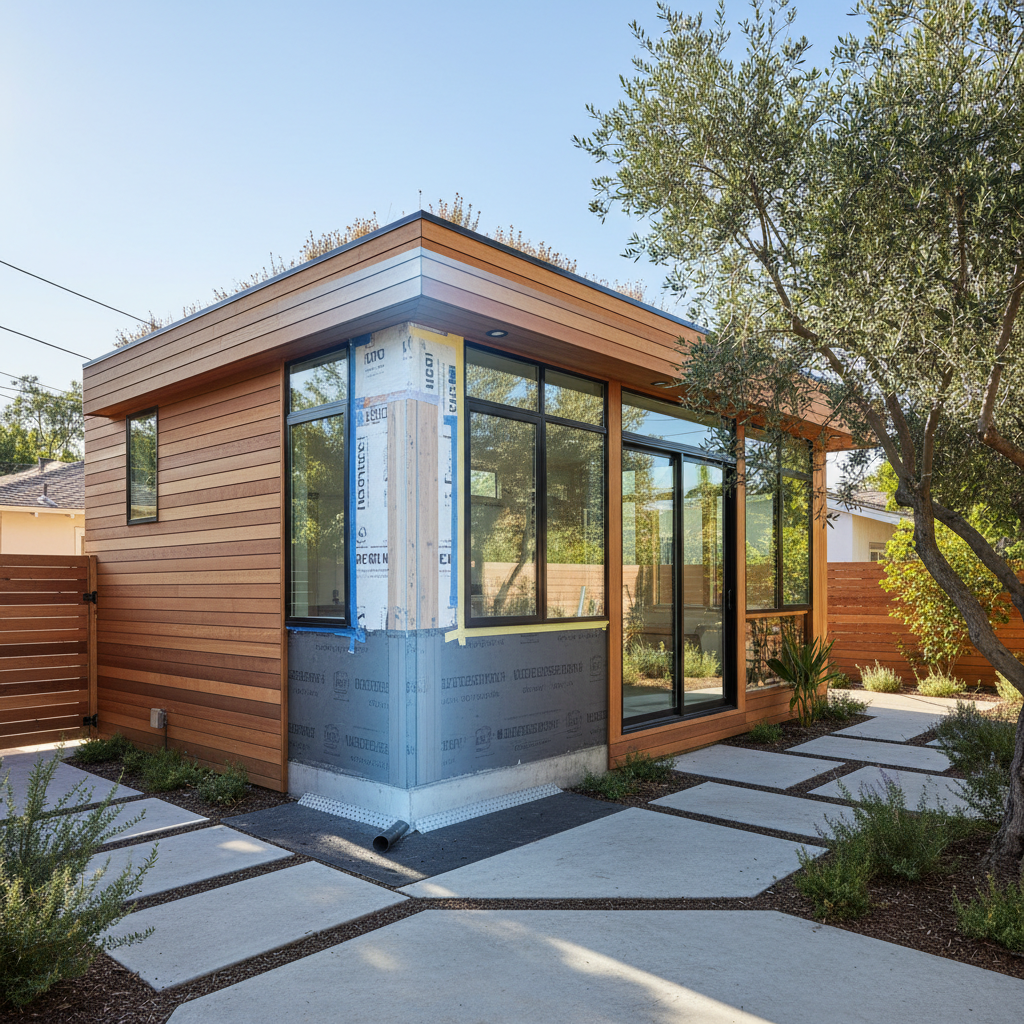
Waterproofing membranes come in various forms, including sheet materials that are rolled out and adhered, or liquid compounds that are painted or sprayed on and then cure into a seamless, rubber-like film. Their primary purpose is to protect against:
- Groundwater intrusion: Preventing moisture from the soil from entering foundations or basements.
- Surface water runoff: Channeling rain and irrigation away from the building envelope.
- Internal moisture: Containing water in wet areas like bathrooms and kitchens to prevent leaks into adjacent spaces or sub-structures.
Why Are Waterproofing Membranes Crucial for ADUs?
The importance of an ADU waterproofing membrane cannot be overstated. An ADU, like any home, is a significant investment, and protecting it from water damage is paramount for several reasons:
1. Protection Against Costly Water Damage
Water damage is insidious. It can manifest as:
- Structural Deterioration: Water can weaken wood framing, corrode metal components, and compromise concrete, leading to costly repairs and even structural failure over time.
- Finishing Material Damage: Drywall can crumble, paint can peel, flooring can warp or lift, and insulation can become saturated and ineffective.
- Foundation Issues: Persistent moisture around foundations can lead to cracking, settlement, and hydrostatic pressure issues, undermining the entire structure.
2. Mold and Mildew Prevention
Where there's moisture, there's a risk of mold and mildew. These fungi not only cause unpleasant odors and unsightly stains but can also pose serious health risks, triggering allergies, asthma, and other respiratory problems. A proper waterproofing membrane eliminates the conditions necessary for mold growth within walls and structural cavities, contributing to a healthier indoor environment.
3. Enhancing Structural Integrity and Longevity
By keeping water out, waterproofing membranes help maintain the integrity of your ADU's building materials. This proactive protection extends the lifespan of the structure, reducing the need for premature repairs or renovations, and ensuring your ADU remains a durable, safe, and valuable asset for decades.
4. Ensuring Code Compliance and Warranty Validity
California building codes have strict requirements for moisture control, especially in foundations and wet areas. Proper waterproofing isn't optional; it's a legal necessity. Failing to install adequate waterproofing can lead to failed inspections, delays, and even invalidate homeowner's insurance or builder warranties if water damage occurs due to non-compliance.
5. Protecting Your Investment
An ADU represents a substantial financial commitment. Investing in high-quality waterproofing is an investment in protecting that asset. It safeguards its value, prevents depreciation due to water-related issues, and ensures peace of mind for you and any future occupants.
When Is an ADU Waterproofing Membrane Required?
The need for an ADU waterproofing membrane is dictated by the specific area of construction and the potential for water exposure. Here are the most common scenarios where it's absolutely essential:
1. Foundations and Slabs
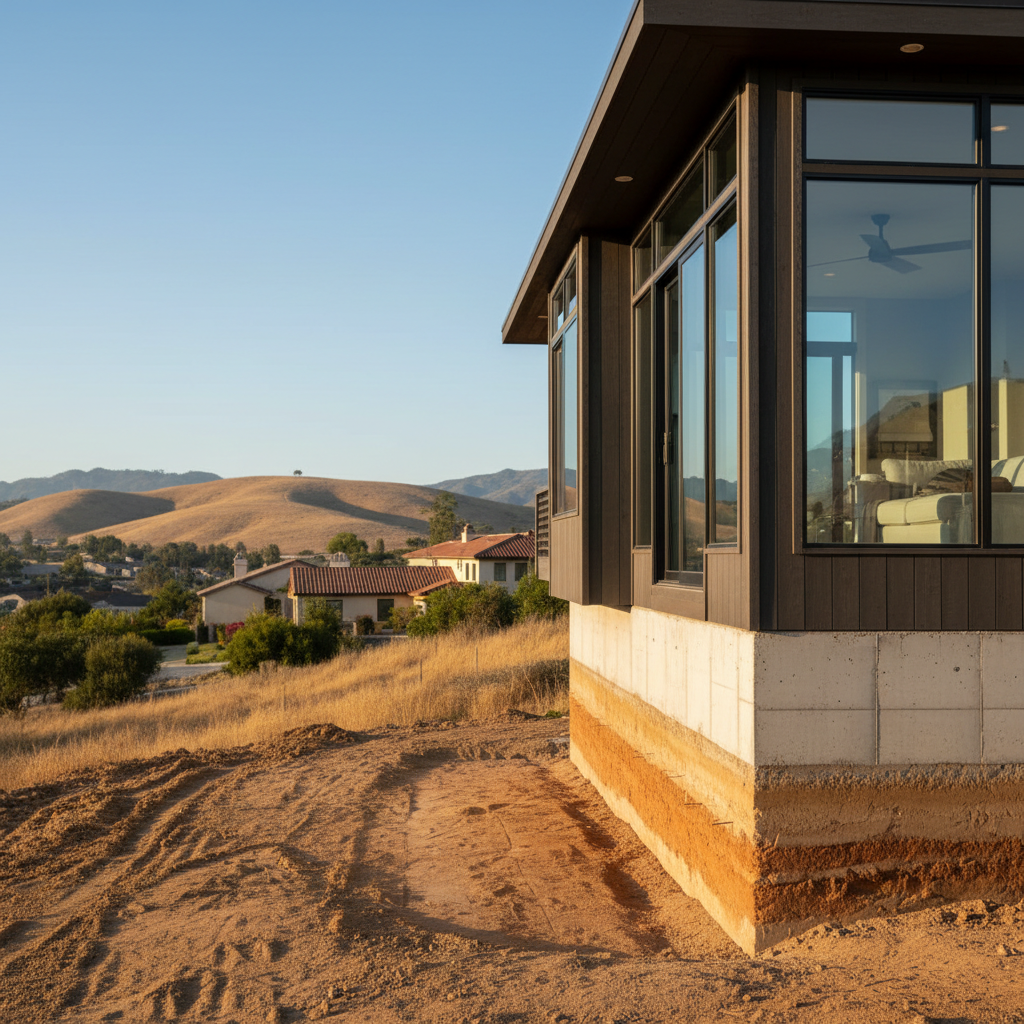
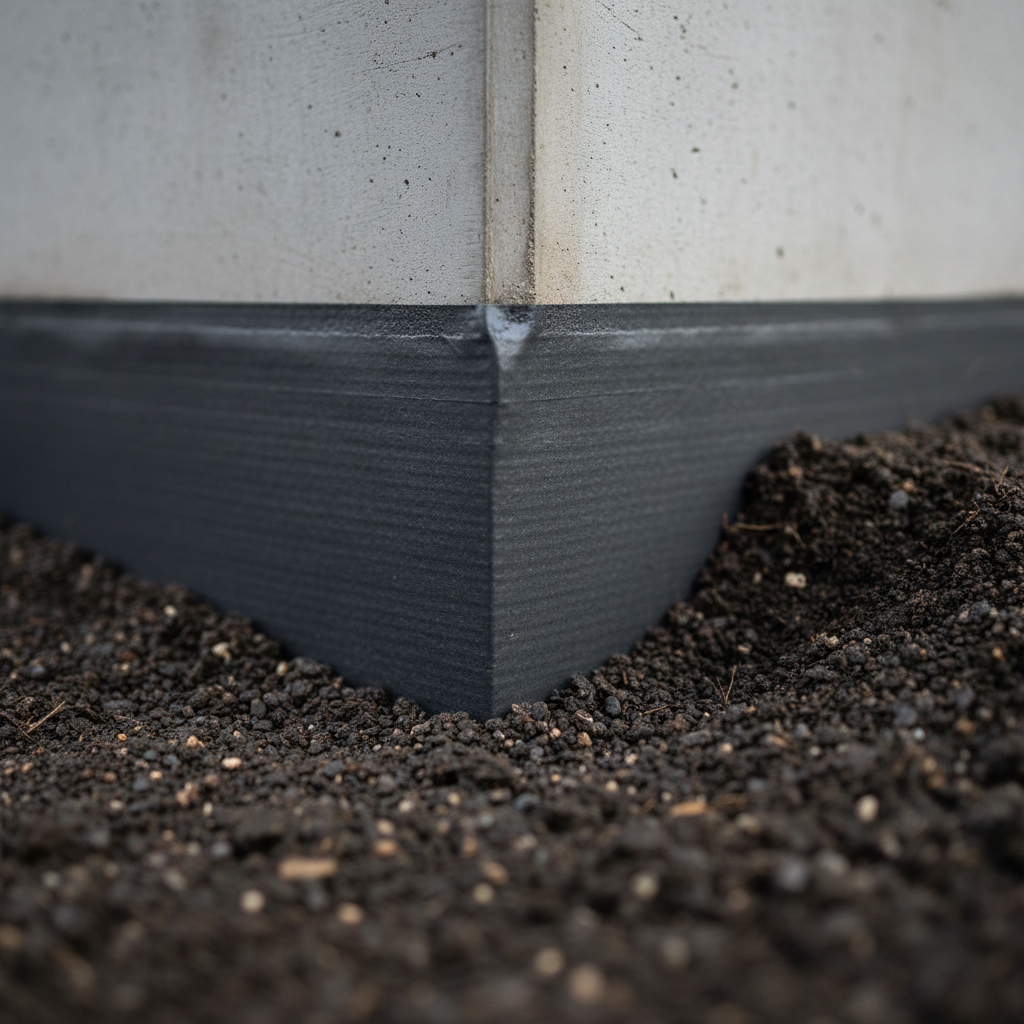
This is arguably the most critical area. Whether your ADU has a slab-on-grade foundation, a crawl space, or a full basement, waterproofing is vital. Moisture from the soil can wick up into concrete, leading to efflorescence (salt deposits), dampness, and structural issues. Below-grade walls (basements or retaining walls) are particularly vulnerable to hydrostatic pressure and require robust waterproofing to prevent leaks.
In California, varying soil conditions and water tables mean that foundation waterproofing is a non-negotiable step to prevent future problems.
2. Bathrooms and Other Wet Areas
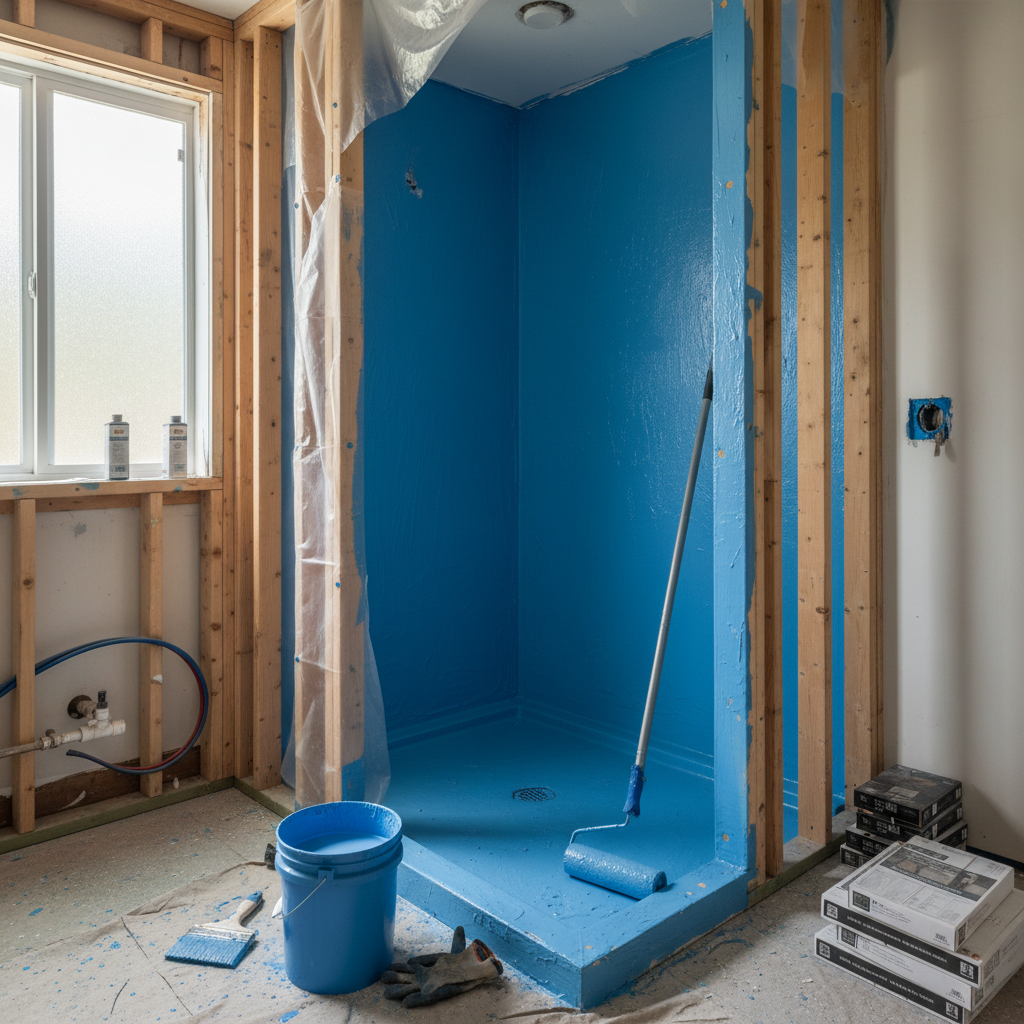
Showers, bathtubs, and even areas around toilets and sinks are constant sources of water. A waterproofing membrane, often referred to as a 'shower pan' or 'liquid applied membrane' system, is installed beneath tiles and other finishes in these areas. This creates an impenetrable barrier that prevents water from seeping into the subfloor or walls, protecting the framing and preventing mold growth in hidden spaces.
Modern building codes are very specific about waterproofing requirements in these high-moisture zones, demanding meticulous installation.
3. Roof Decks and Balconies
If your ADU design includes an accessible roof deck or a balcony, these outdoor living spaces are directly exposed to rain and irrigation. A durable, flexible waterproofing membrane is essential beneath the walking surface to prevent water from penetrating the structure below. This is particularly important in California, where outdoor living is highly valued, and these features are common.
4. Exterior Walls (Specific Conditions)
While standard exterior walls typically rely on weather-resistive barriers (WRBs) and proper flashing, certain conditions may warrant additional waterproofing membranes. These include:
- Below-grade portions of walls: Any part of an exterior wall that is in contact with the soil.
- Behind certain cladding types: In specific architectural designs or high-exposure areas, additional membrane layers might be used.
5. Under Flooring in Garages or Utility Rooms
For ADUs that include a garage or utility room where spills or leaks from appliances are possible, a waterproofing membrane under the flooring can offer an extra layer of protection, preventing water from reaching the foundation or lower levels.
Common Types of Waterproofing Membranes Used in ADUs
The choice of waterproofing membrane depends on the application, budget, and specific site conditions. Here are a few common types:
-
Sheet Membranes: These are pre-formed rolls of material, often made from rubberized asphalt, PVC, or EPDM. They are typically self-adhered (peel-and-stick) or torch-applied. Sheet membranes are excellent for foundations, shower pans, and flat roofs due to their consistent thickness and ease of installation in larger, flat areas.
-
Liquid-Applied Membranes: These come in a liquid form and are brushed, rolled, or sprayed onto a surface, curing to form a seamless, flexible, and rubbery layer. Materials include polyurethane, acrylic, and rubberized asphalt emulsions. Liquid membranes are highly adaptable to complex shapes, corners, and penetrations, making them ideal for bathrooms, balconies, and intricate foundation details.
-
Cementitious Coatings: A cement-based product mixed with acrylic additives, forming a rigid, waterproof barrier. While less flexible than other types, they are durable and often used for foundations and wet areas where minor movement is not anticipated.
Choosing the right membrane and ensuring its proper installation requires expertise. If you're considering an ADU project and want to ensure every detail, including waterproofing, is handled by experts, don't hesitate to schedule a free ADU consultation with GatherADU.
The Importance of Professional Installation
Even the highest quality waterproofing membrane is ineffective if not installed correctly. Proper installation involves meticulous surface preparation, correct layering, sealing of seams and penetrations, and adherence to manufacturer specifications. Mistakes in waterproofing can lead to:
- Leaks and failures: Gaps, punctures, or improperly sealed edges can render the entire system useless.
- Voided warranties: Manufacturers' warranties often require professional installation.
- Hidden damage: Water can slowly seep in, causing damage that goes unnoticed until it becomes severe and expensive to repair.
An experienced ADU builder understands the nuances of different membrane types, the specific requirements of various building components, and the critical importance of a watertight seal. They ensure that all California building codes are met or exceeded, giving you peace of mind.
Choosing the Right Waterproofing Solution for Your ADU
The best waterproofing strategy for your ADU will depend on several factors:
- Location and Climate: Areas with heavy rainfall, high water tables, or specific soil compositions may require more robust solutions.
- ADU Design: Basements, roof decks, and specific bathroom layouts will dictate different membrane types and installation methods.
- Budget: While there are cost considerations, skimping on waterproofing is a false economy. The cost of repairing water damage far outweighs the initial investment in quality waterproofing.
- Building Codes: Your builder must be intimately familiar with local and state regulations to ensure full compliance.
For personalized advice on the best waterproofing strategies for your specific ADU project in California, connect with our ADU experts today. GatherADU's team can assess your site, discuss your design, and recommend a comprehensive waterproofing plan that ensures your ADU is protected from the ground up.
Conclusion
An ADU waterproofing membrane is more than just a construction material; it's a vital component that safeguards your investment, ensures the health and comfort of your occupants, and guarantees the long-term durability of your backyard home. From protecting the foundation against relentless soil moisture to containing splashes in a stylish bathroom, these membranes play an indispensable role in modern ADU construction.
By prioritizing professional design and installation of waterproofing systems, you're not just building an ADU; you're building a resilient, long-lasting asset. Don't let water be the enemy of your dream ADU. Ready to build a durable, beautiful, and code-compliant ADU that will stand the test of time? Book your free ADU consultation with GatherADU and let our team guide you through every step, ensuring your backyard home is built to perfection.