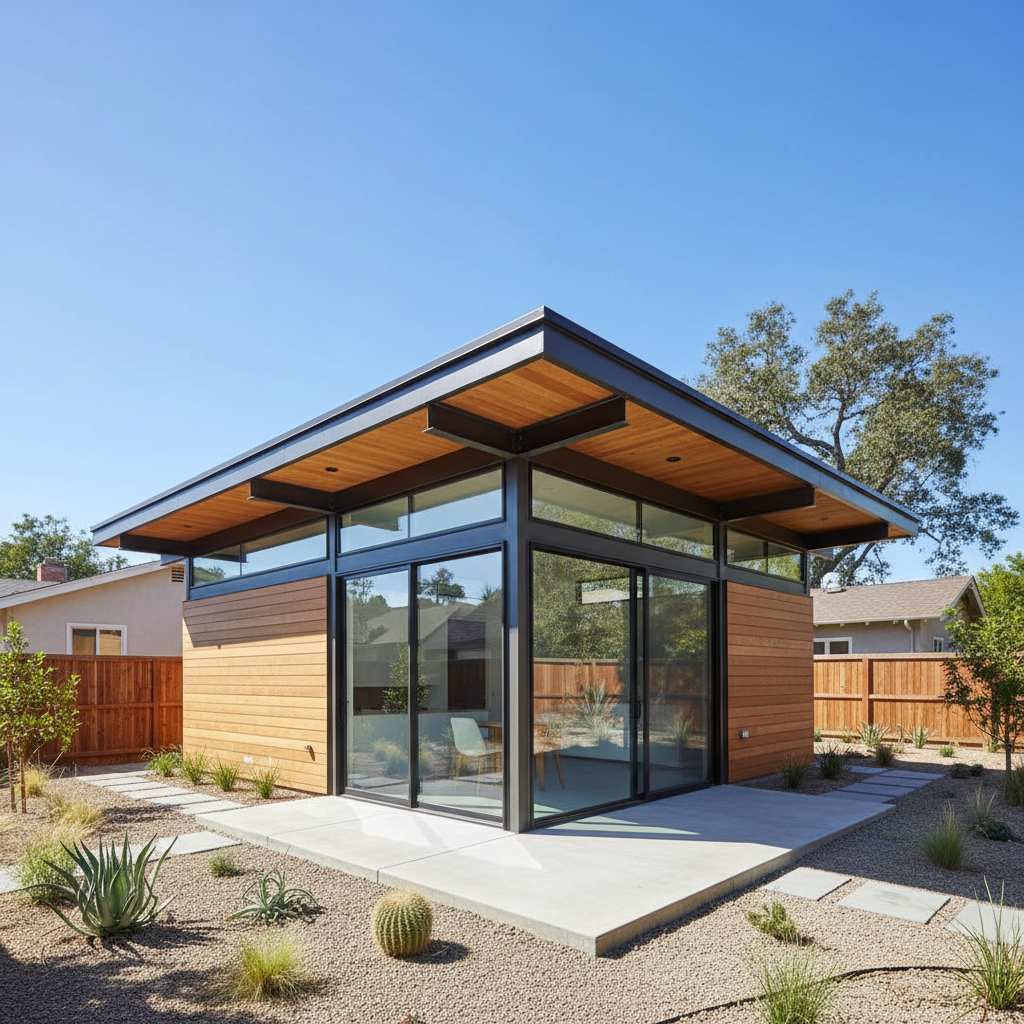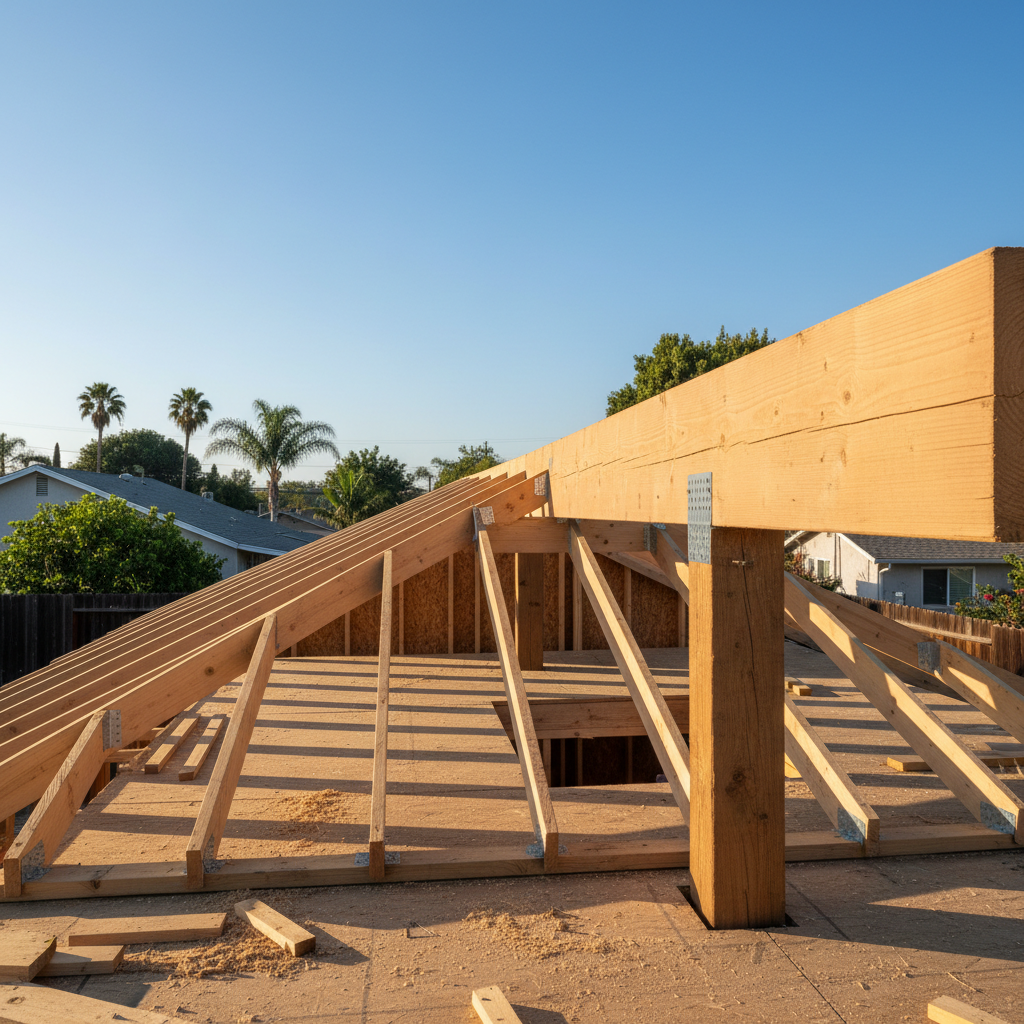
As California homeowners increasingly look to build Accessory Dwelling Units (ADUs) – also known as backyard homes or granny flats – the choice of construction method becomes a critical decision. While traditional stick-built or prefabricated options are common, an increasingly popular and highly effective alternative is Insulated Concrete Form (ICF) construction. But what exactly is ICF, and can it truly be used to build a high-performing ADU?
What is ICF Construction?
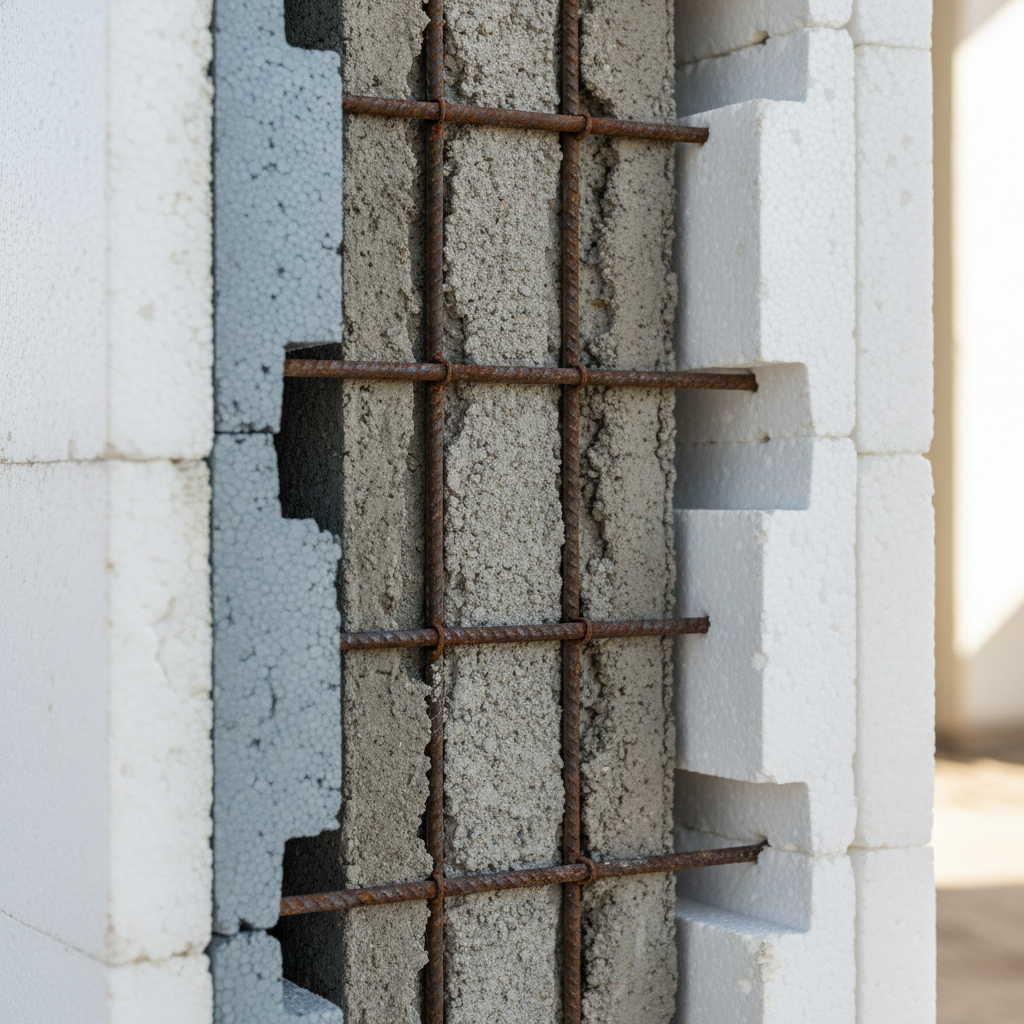
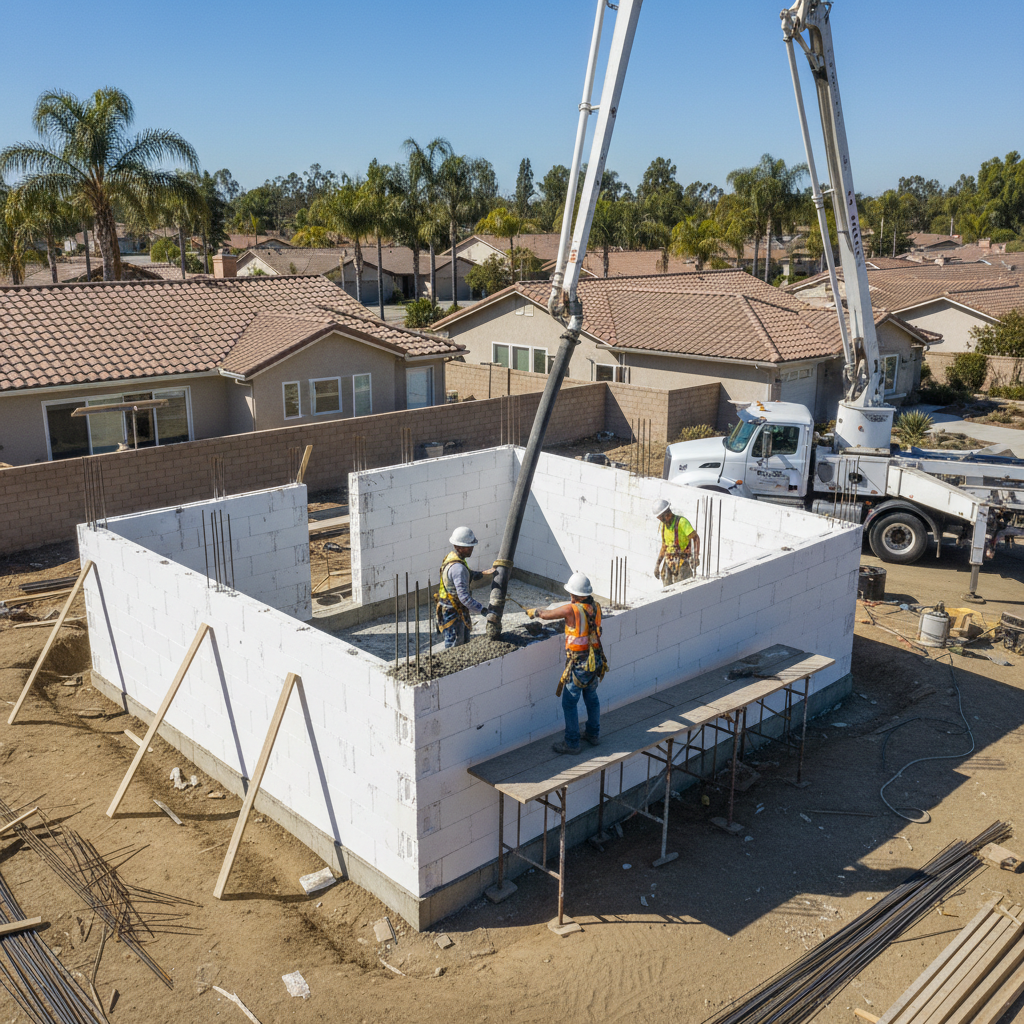
Insulated Concrete Forms (ICF) construction is a building system that uses hollow foam blocks, typically made of expanded polystyrene (EPS) or extruded polystyrene (XPS), as permanent formwork for poured concrete. Imagine giant LEGO blocks made of insulating foam. These blocks are stacked, reinforced with steel rebar, and then filled with ready-mix concrete.
Once the concrete cures, the foam forms remain in place, providing continuous insulation on both the interior and exterior sides of the concrete wall. This creates an incredibly strong, monolithic concrete core encased in a thick layer of insulation.
The process generally involves:
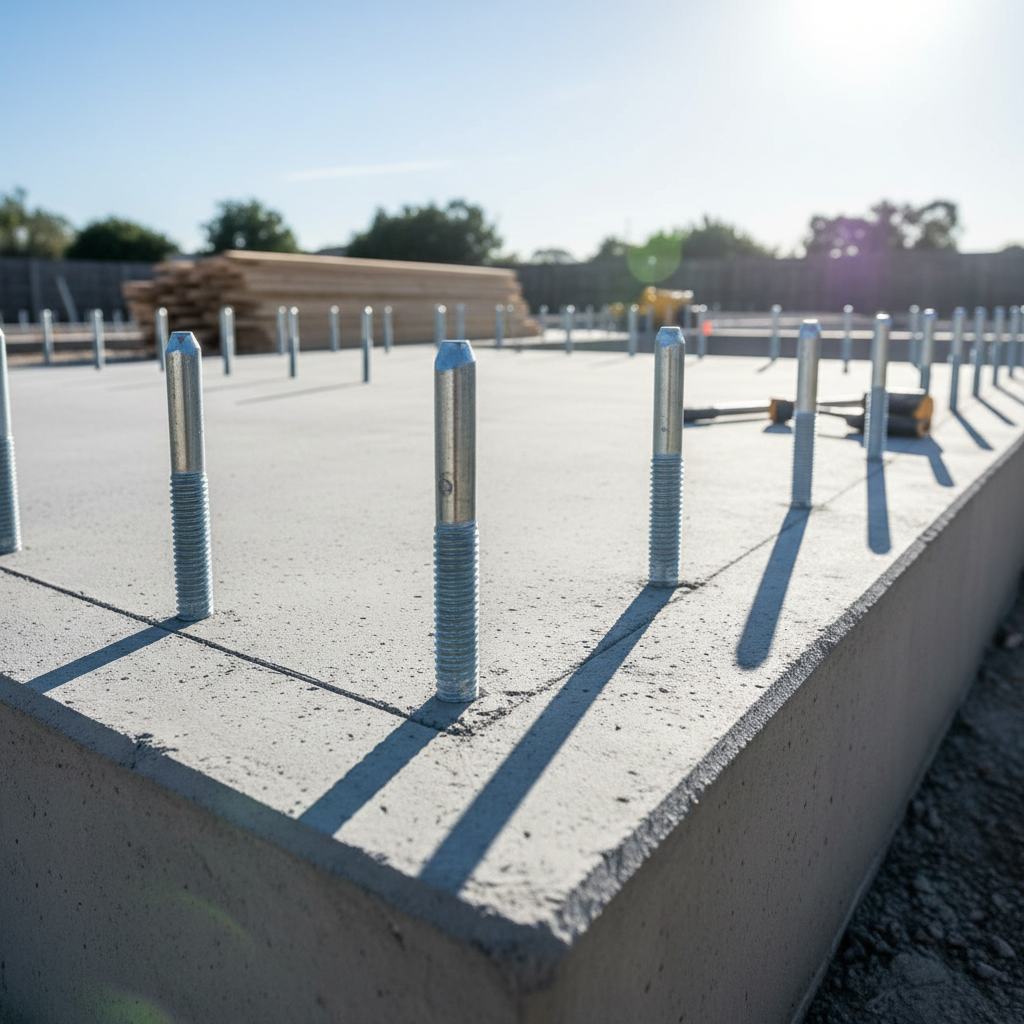
- Foundation Preparation: A standard concrete slab or footing is prepared.
- Block Stacking: Lightweight ICF blocks are stacked, interlocking to create the wall structure.
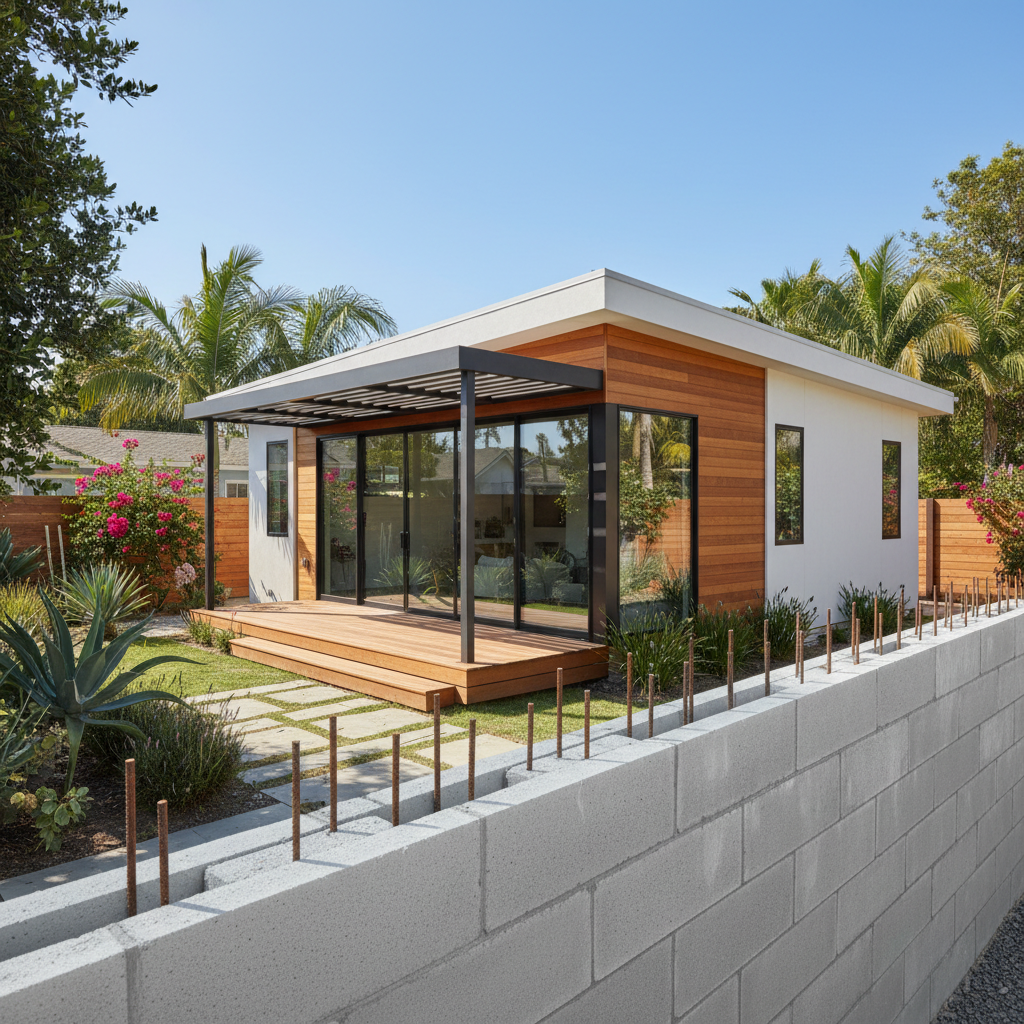
- Rebar Installation: Steel reinforcement bars are placed vertically and horizontally within the block cavities according to structural engineering specifications.
- Concrete Pouring: Concrete is pumped into the hollow forms, filling the cavities and encasing the rebar.
- Finishing: Once the concrete cures, the foam forms provide a surface for attaching various exterior finishes (stucco, siding, brick) and interior drywall.
Key Benefits of ICF for ADU Construction
ICF ADU construction offers a compelling array of advantages, making it an excellent choice for homeowners seeking a durable, comfortable, and energy-efficient backyard home.
1. Superior Energy Efficiency
One of the most significant benefits of ICF is its exceptional thermal performance. The continuous insulation on both sides of the concrete wall, combined with the thermal mass of the concrete itself, creates an incredibly airtight and well-insulated envelope. This translates to:
- Lower Energy Bills: ADUs built with ICF require significantly less energy for heating and cooling, leading to substantial savings over the lifetime of the unit.
- Consistent Indoor Temperatures: The thermal mass helps stabilize indoor temperatures, reducing temperature swings and creating a more comfortable living environment year-round.
- Reduced HVAC Requirements: Smaller, less powerful HVAC systems can often be used, further reducing initial costs and ongoing energy consumption.
2. Unmatched Durability and Resilience
California is prone to various natural challenges, and ICF construction provides superior protection:
- Earthquake Resistance: The monolithic concrete core, reinforced with steel, creates an incredibly strong and rigid structure highly resistant to seismic forces. ICF walls often exceed standard building code requirements for earthquake resilience.
- Fire Resistance: Concrete is non-combustible. ICF walls can offer fire ratings of 2 to 4 hours, far surpassing traditional wood-frame construction, providing enhanced safety and potentially lower insurance premiums.
- Pest and Rot Resistance: Unlike wood, concrete and foam are impervious to termites, carpenter ants, and other pests. They also won't rot or degrade due to moisture, ensuring a longer-lasting structure.
- Wind and Storm Resistance: ICF walls can withstand extreme winds, making them incredibly resilient against severe weather events.
3. Exceptional Sound Attenuation
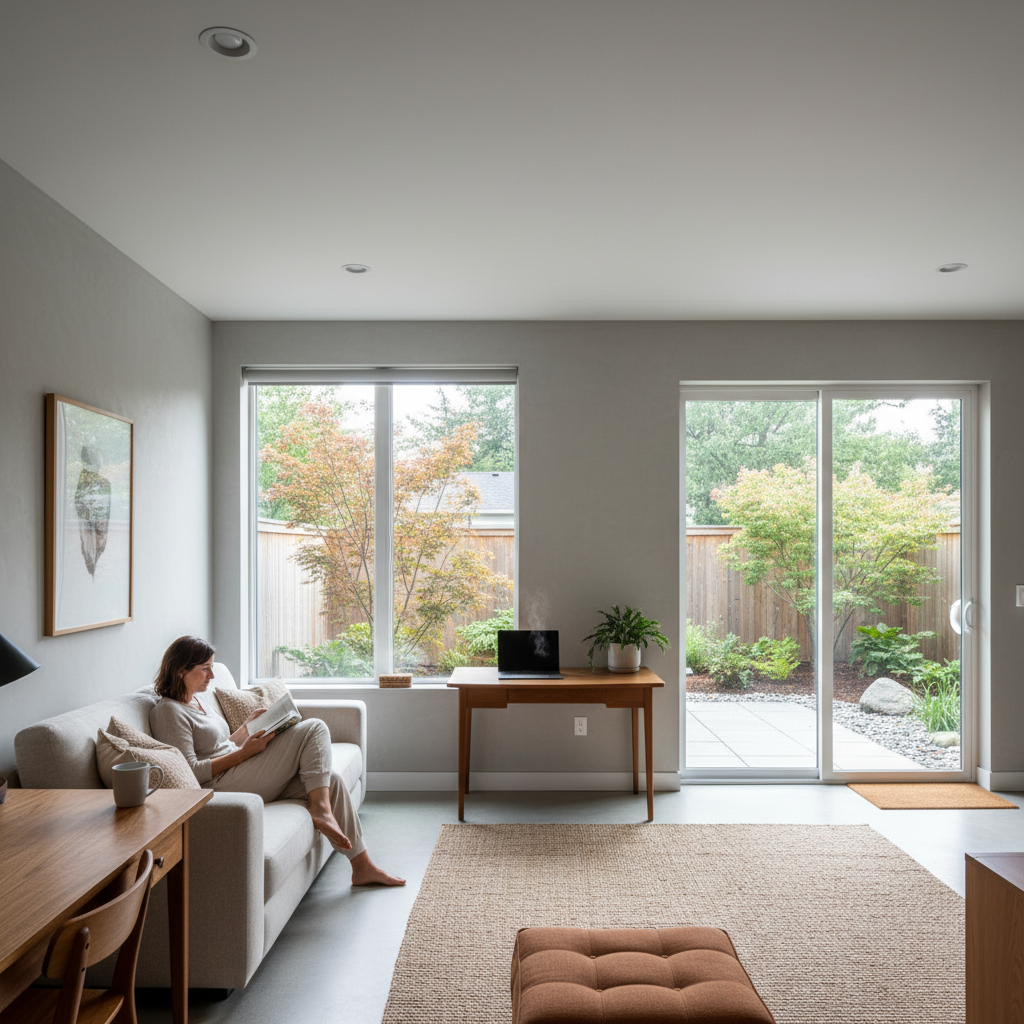
The dense concrete core combined with the foam insulation acts as an excellent sound barrier. This is particularly beneficial for ADUs, which are often located in close proximity to the main house or busy streets. ICF walls significantly reduce the transmission of external noise, creating a quieter, more peaceful living space inside the ADU.
4. Healthier Indoor Air Quality
ICF construction creates an extremely tight building envelope, which, when combined with proper ventilation, helps prevent the infiltration of outdoor pollutants, dust, and allergens. The materials themselves are inert and do not off-gas harmful chemicals, contributing to a healthier indoor environment.
5. Speed and Efficiency of Construction
While the concrete pouring stage requires precision, the stacking of lightweight ICF blocks can be remarkably fast. Once the forms are up and the concrete is poured, much of the structural work and insulation is complete simultaneously, potentially reducing overall construction time compared to traditional multi-step framing, sheathing, and insulating processes.
6. Sustainability
Many ICF blocks are made from recycled materials, and their energy-saving properties contribute to a reduced carbon footprint over the lifetime of the building. The durability of ICF also means a longer lifespan for the ADU, reducing the need for future repairs or replacement.
Considering these impressive benefits, it's clear that ICF offers a premium solution for homeowners looking to invest in a long-lasting, high-performance ADU. If you're intrigued by the idea of building an ADU that stands the test of time and delivers significant energy savings, explore custom ADU designs and construction options with GatherADU.
Potential Challenges and Considerations for ICF ADUs
While ICF ADU construction offers numerous advantages, it's important to be aware of potential challenges:
1. Upfront Cost
The initial material and labor costs for ICF can be slightly higher than traditional wood-frame construction, often 5-10% more. However, this upfront investment is typically offset by long-term energy savings, reduced maintenance, and the superior resilience of the structure. When considering the total cost of ownership over decades, ICF often proves to be more economical.
2. Specialized Labor and Design Expertise
Building with ICF requires contractors experienced in this specific method. While the principles are straightforward, proper installation, rebar placement, and concrete pouring techniques are crucial for structural integrity. GatherADU works with experienced professionals who understand the nuances of ICF construction.
3. Design Flexibility (Perceived vs. Reality)
Some homeowners worry that ICF limits design options due to its block-based nature. However, modern ICF systems are highly versatile. While complex curves might be more challenging than with stick-built, most standard and even many custom ADU designs, including multi-story options, can be readily achieved with ICF. Windows, doors, and utilities are easily integrated.
Can ICF Be Used to Build an ADU in California?
Absolutely. ICF construction is fully compliant with California building codes and is increasingly recognized for its superior performance in seismic zones and its contribution to energy-efficient building standards. Many local jurisdictions in California are familiar with and approve ICF projects. Given California's stringent energy codes (Title 24) and seismic requirements, ICF is often an ideal solution, effortlessly meeting or exceeding these standards.
Comparing ICF to Other ADU Construction Methods
Let's briefly compare ICF ADU construction with other common methods:
ICF vs. Traditional Stick-Built
- Energy Efficiency: ICF is significantly superior due to continuous insulation and thermal mass.
- Durability: ICF offers far greater resistance to fire, earthquakes, pests, and rot.
- Soundproofing: ICF provides excellent sound attenuation; stick-built requires additional measures.
- Construction Time: ICF can be faster for wall assembly once forms are set; stick-built offers more flexibility for last-minute changes during framing.
- Cost: ICF has a higher initial cost but lower long-term operating costs.
ICF vs. Prefabricated/Modular ADUs
- Customization: ICF allows for highly customized, site-specific designs; prefab units offer limited customization within set modules.
- On-Site Impact: ICF requires more on-site construction; prefab units minimize on-site time but require significant crane access.
- Material & Performance: Prefab units vary greatly in material and performance; ICF consistently offers high durability and energy efficiency.
- Permitting: Both require local permitting, but prefab can sometimes streamline the process if pre-approved.
The choice between methods depends on your priorities: customization, speed, long-term performance, and budget. For unparalleled durability and energy efficiency, ICF stands out. If you're weighing your options and need expert guidance tailored to your specific property and goals, don't hesitate to contact GatherADU for a free consultation. We can help you understand which construction method best suits your vision for a new ADU.
Is ICF Right for Your ADU Project?
Deciding if ICF ADU construction is the right path for your backyard home involves weighing your priorities. If you value:
- Exceptional energy efficiency and lower utility bills.
- Superior resilience against natural disasters like earthquakes and fires.
- A quieter, more comfortable living environment.
- Long-term durability and minimal maintenance.
- A sustainable and environmentally responsible building choice.
Then ICF is an outstanding option that warrants serious consideration. While the initial investment might be slightly higher, the long-term benefits in comfort, safety, and operational savings make it a wise and responsible choice for many California homeowners.
Conclusion
ICF ADU construction represents a forward-thinking approach to building, offering a blend of strength, sustainability, and unparalleled comfort. For homeowners in California looking to add a resilient, energy-efficient, and quiet backyard home, ICF provides a premium solution that delivers value for decades to come. At GatherADU, we are committed to helping you navigate the best construction methods for your specific needs and bring your ADU vision to life with quality and expertise.
Ready to explore the possibilities of an ICF ADU or discuss other innovative construction methods for your California property? Book your free ADU consultation with GatherADU today and let our experts guide you through every step of the process.