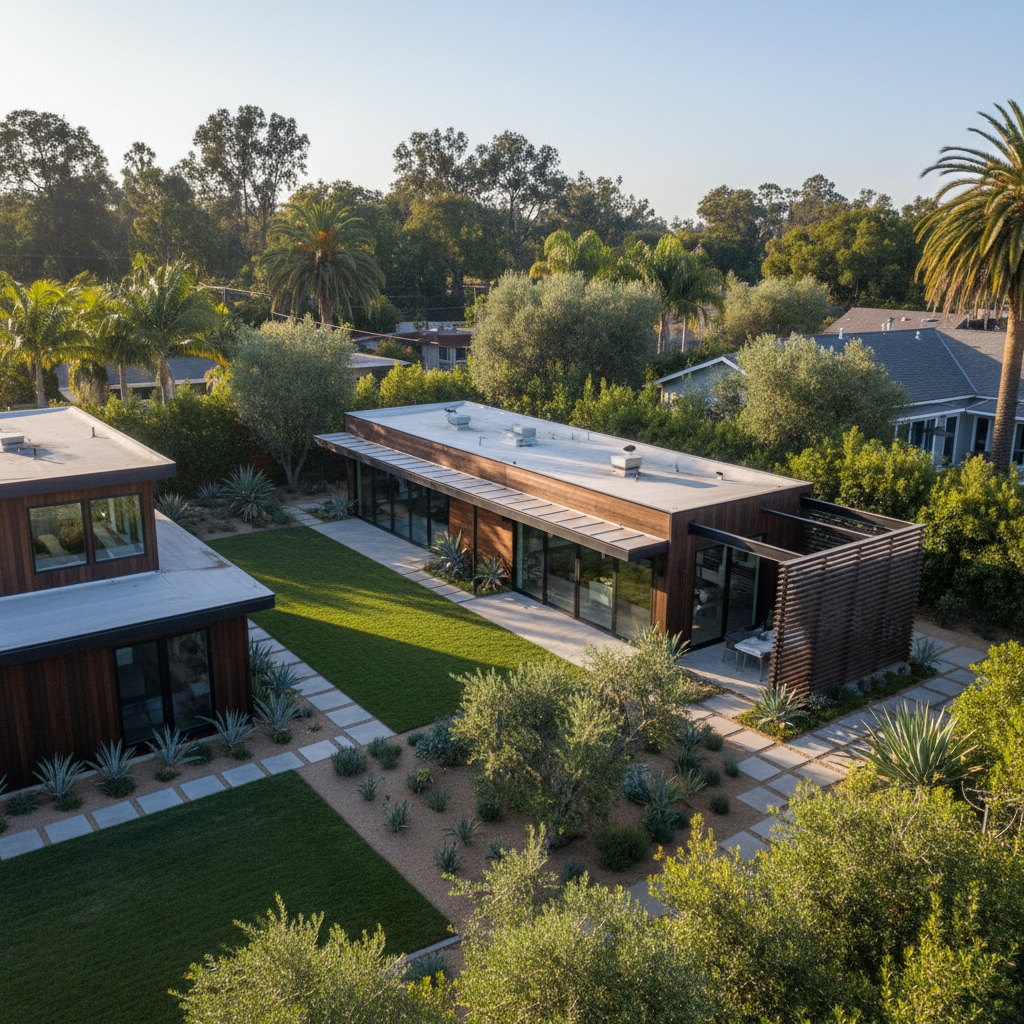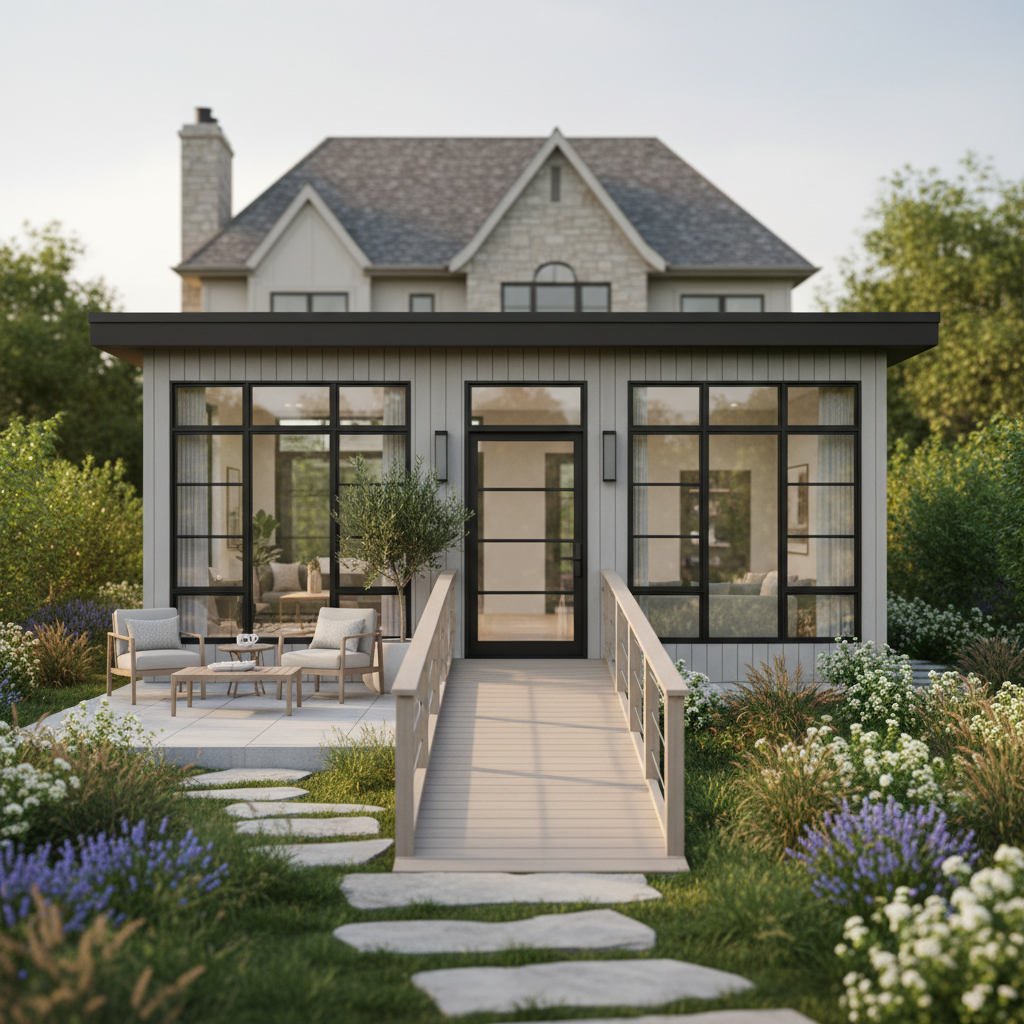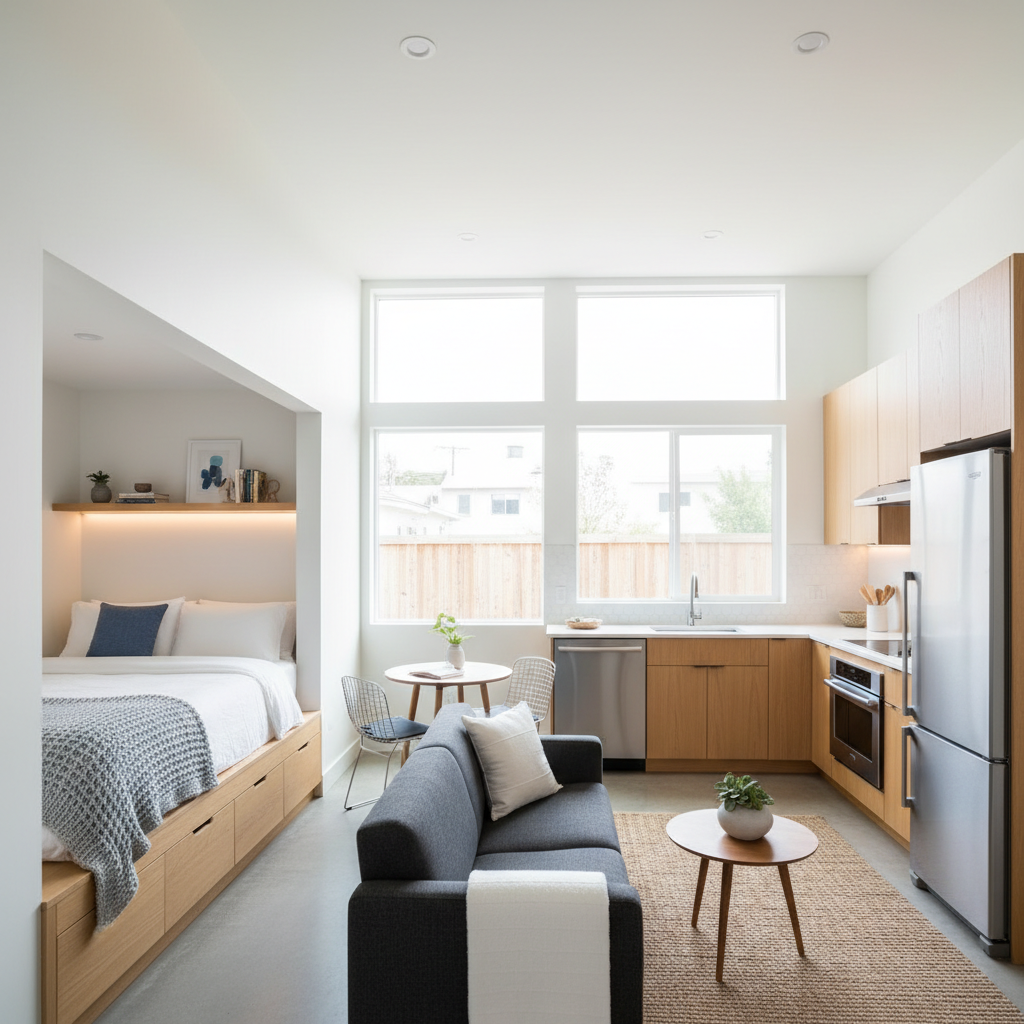
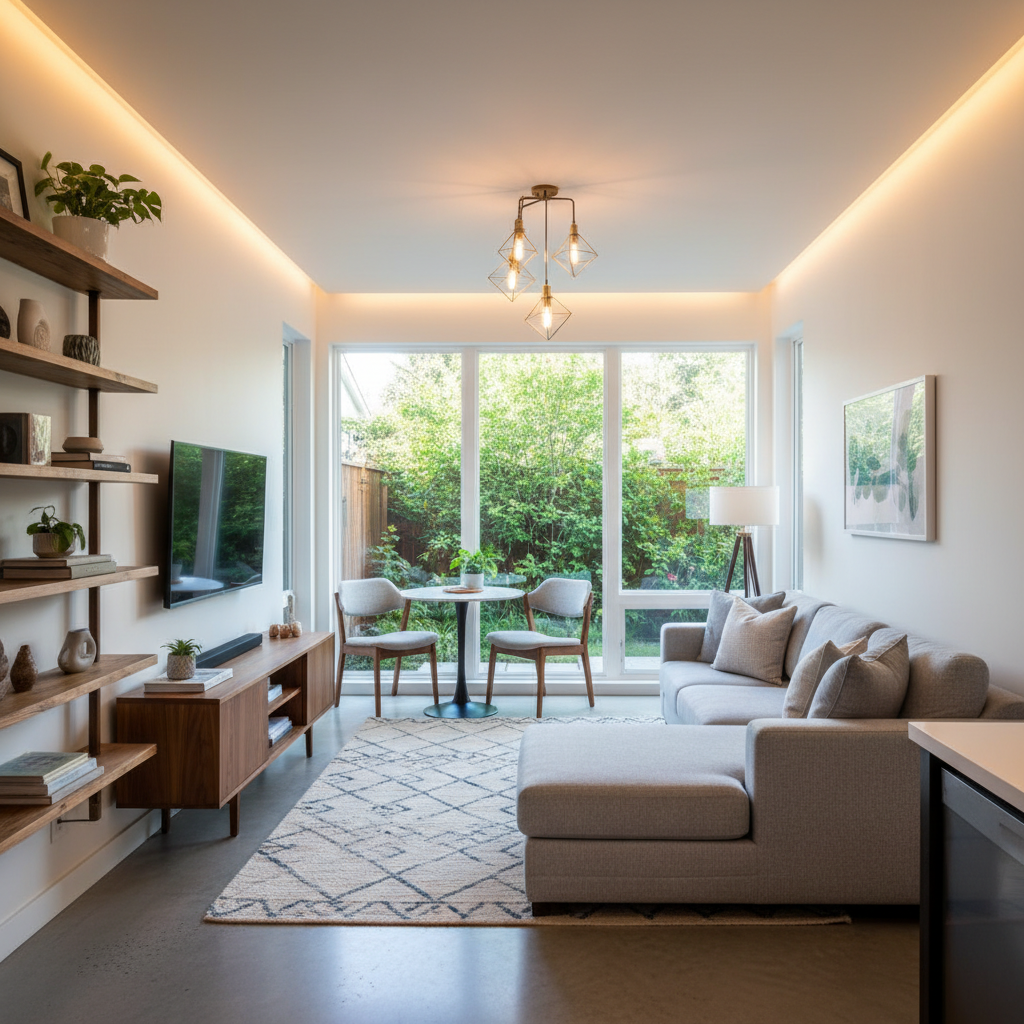
When envisioning your future Accessory Dwelling Unit (ADU) in California, it's easy to get lost in the excitement of floor plans, finishes, and exterior aesthetics. However, one critical element often overlooked until late in the process is ADU lighting design. Far from a mere afterthought, strategically planned lighting can transform a small space, dictating its mood, functionality, and energy efficiency. In fact, getting your lighting right from the outset—well before your drawings are submitted to the city—is paramount for a successful, code-compliant, and truly livable backyard home.
This comprehensive guide will walk you through the essential considerations for your ADU's lighting, ensuring your plans are not only beautiful but also practical, energy-efficient, and in line with California's stringent building codes like Title 24. Let's illuminate the path to a perfectly lit ADU.
Why Lighting Design is Non-Negotiable for Your ADU
ADUs, by their nature, are compact. This means every square foot must be optimized for multiple purposes, and lighting plays a pivotal role in achieving this versatility. Good lighting:
- Maximizes Small Spaces: Strategic lighting can make an ADU feel larger, more open, and less confined. Bright, evenly distributed light reduces shadows and creates an expansive feel.
- Enhances Functionality: An ADU often serves as a multi-functional space—a home office by day, a cozy living room by evening, and a guest suite by night. Different activities require different types of illumination.
- Creates Ambiance and Comfort: Lighting directly impacts the mood and comfort of a space. Warm, dimmable lights can create a relaxing atmosphere, while bright, crisp lights are ideal for task-oriented areas.
- Improves Energy Efficiency: With rising energy costs and California's strict regulations, efficient lighting is not just a preference but a necessity. Proper design integrates natural light and modern, energy-saving fixtures.
Understanding the Layers of Light
Effective ADU lighting design employs a layered approach, combining different types of light to achieve optimal functionality and aesthetics. Think of it in three main categories:
1. Ambient (General) Lighting
This is your primary source of illumination, providing overall brightness for a room. It ensures you can navigate the space comfortably. Examples include recessed lighting, flush-mount ceiling fixtures, or track lighting. In an ADU, ambient lighting should be consistent and capable of being dimmed to set different moods.
2. Task Lighting
As the name suggests, task lighting is focused illumination for specific activities. It prevents eye strain and improves safety. Think under-cabinet lighting in the kitchen, reading lamps by a sofa or bed, or a desk lamp in a dedicated workspace. Task lighting is crucial for the multi-functional nature of an ADU.
3. Accent Lighting
Accent lighting adds drama and highlights architectural features, artwork, or decorative elements. It creates visual interest and depth, making a small space feel more sophisticated. Wall sconces, picture lights, or strategically placed spotlights fall into this category.
Harnessing Natural Light: The Golden Rule for ADUs
Natural light is the most valuable asset in any ADU lighting design. It reduces the need for artificial lighting during the day, saves energy, and enhances mood and well-being. Maximizing it should be a top priority from the earliest design stages.
- Window Placement and Size: Consider the orientation of your ADU relative to the sun. South-facing windows offer consistent, bright light throughout the day (though require shading for heat control). North-facing windows provide soft, diffuse light ideal for workspaces. East-facing windows bring morning sun, and west-facing windows offer warm afternoon light.
- Skylights and Solar Tubes: These are game-changers for ADUs, especially in areas where wall space for windows is limited or privacy is a concern. Skylights can flood a room with overhead light, while solar tubes (or sun tunnels) are excellent for bringing natural light into smaller, interior spaces like bathrooms or hallways.
- Door and Wall Materials: Glass doors (e.g., sliding patio doors) and strategically placed interior windows or transom windows can borrow light from brighter areas, extending the reach of natural illumination throughout the ADU.
- Minimize Obstructions: Avoid placing large, light-blocking structures or furniture directly in front of windows. Consider lighter window treatments that can be easily opened or adjusted.
Artificial Lighting Strategies for Modern ADUs
While natural light is king, artificial lighting provides necessary illumination during darker hours and complements natural light during the day.
1. LEDs are King
Light Emitting Diodes (LEDs) are the undisputed champions for ADUs. They are:
- Highly Energy-Efficient: Consuming significantly less energy than traditional incandescent or fluorescent bulbs.
- Long-Lasting: Reducing maintenance and replacement costs.
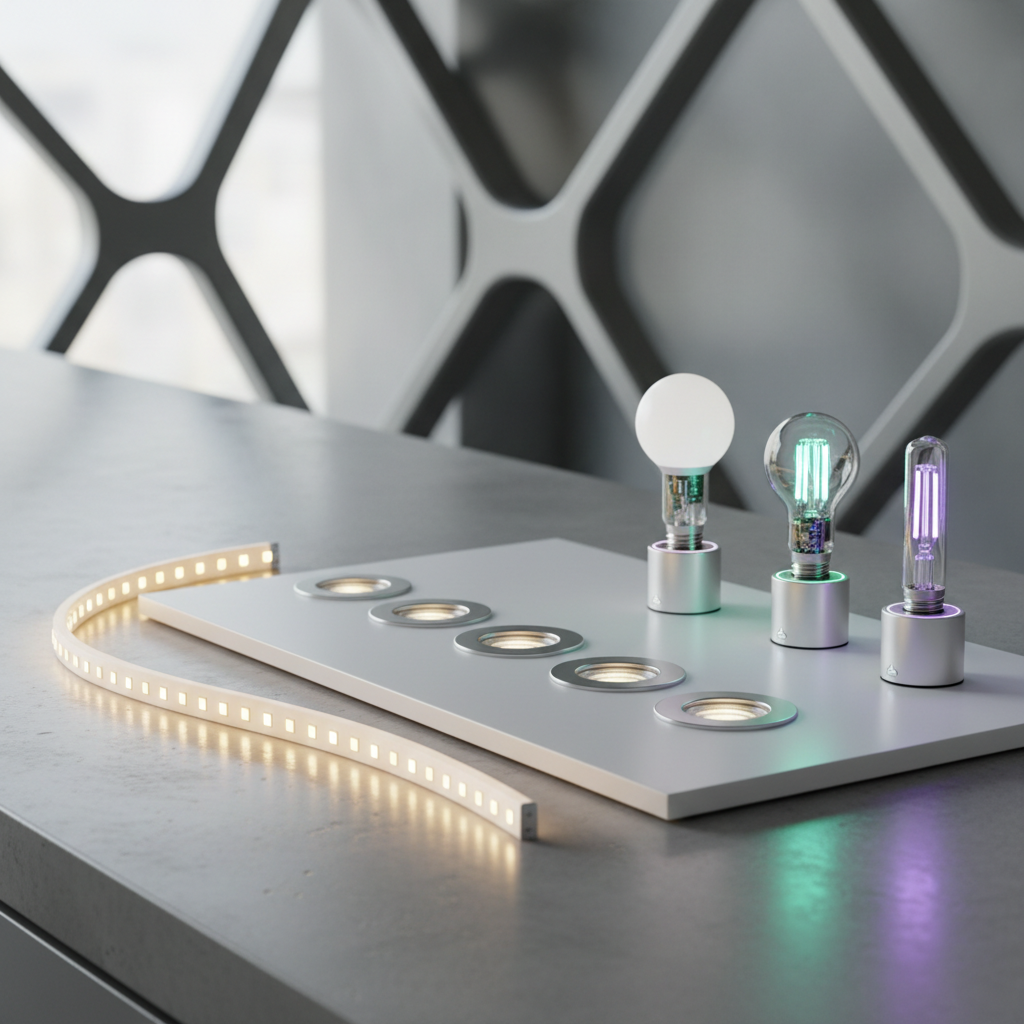
- Versatile: Available in various color temperatures (warm white to cool daylight) and beam spreads, suitable for all three layers of lighting.
- Dimmable: Crucial for creating flexible ambiance in small spaces.
2. Dimmers and Controls
Dimmers are essential in an ADU. They allow you to adjust light levels to suit different activities and times of day, saving energy and creating varied atmospheres. Consider multi-way switches for convenience, especially in open-concept living areas.
3. Smart Lighting Systems
For tech-savvy homeowners, smart lighting systems offer ultimate flexibility. Control lights via voice commands, smartphone apps, or automated schedules. This can be particularly useful in an ADU, allowing residents to manage lighting remotely or create complex scenes for different functions (e.g., 'movie night' vs. 'cooking').

Room-by-Room ADU Lighting Considerations
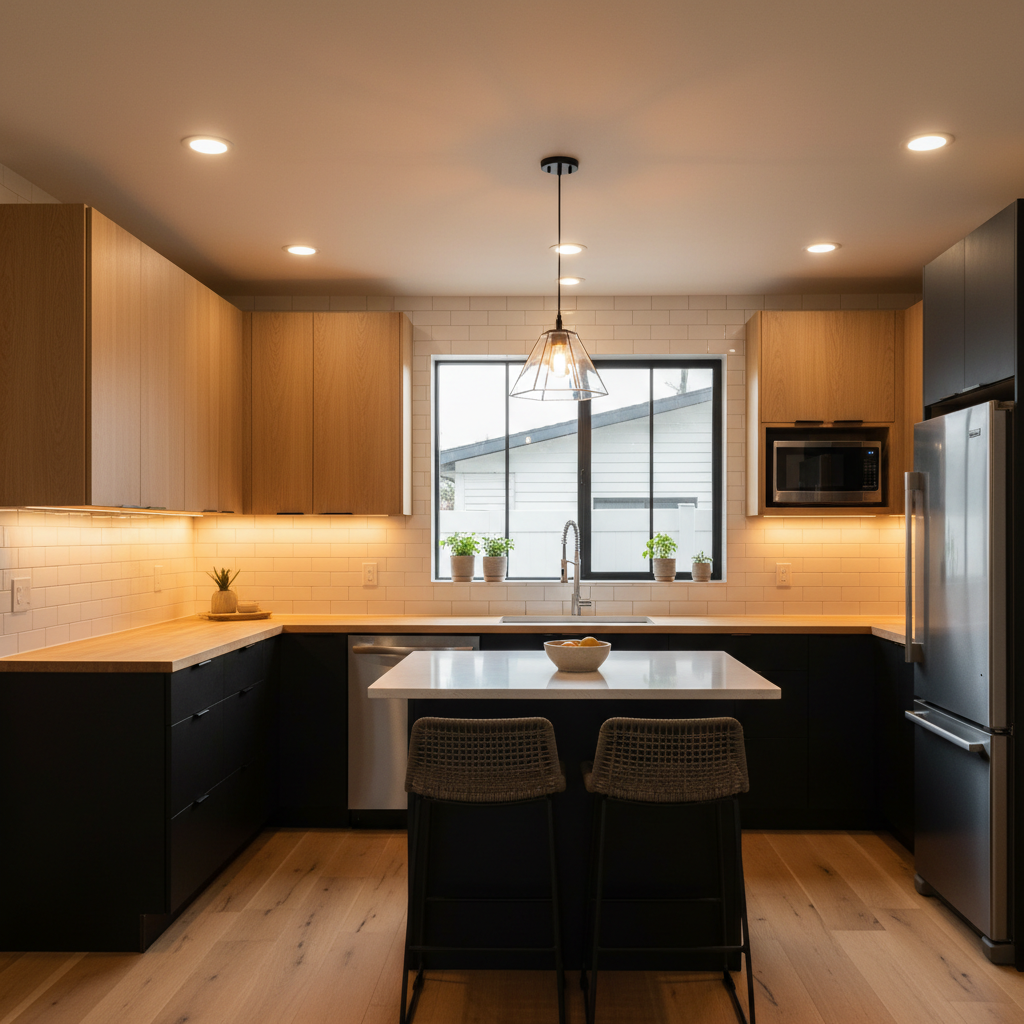
Kitchen
- Ambient: Recessed lights or a central flush mount.
- Task: Absolutely critical. Under-cabinet lighting for countertops, pendant lights over an island or breakfast bar.
- Accent: Small spotlights to highlight open shelving or a backsplash.
Living Area
- Ambient: Dimmable recessed lights or a stylish ceiling fixture.
- Task: Floor lamps or table lamps for reading or focused activities. Adjustable track lighting can also serve this purpose.
- Accent: Wall sconces, picture lights, or LED strips behind shelving for mood lighting.
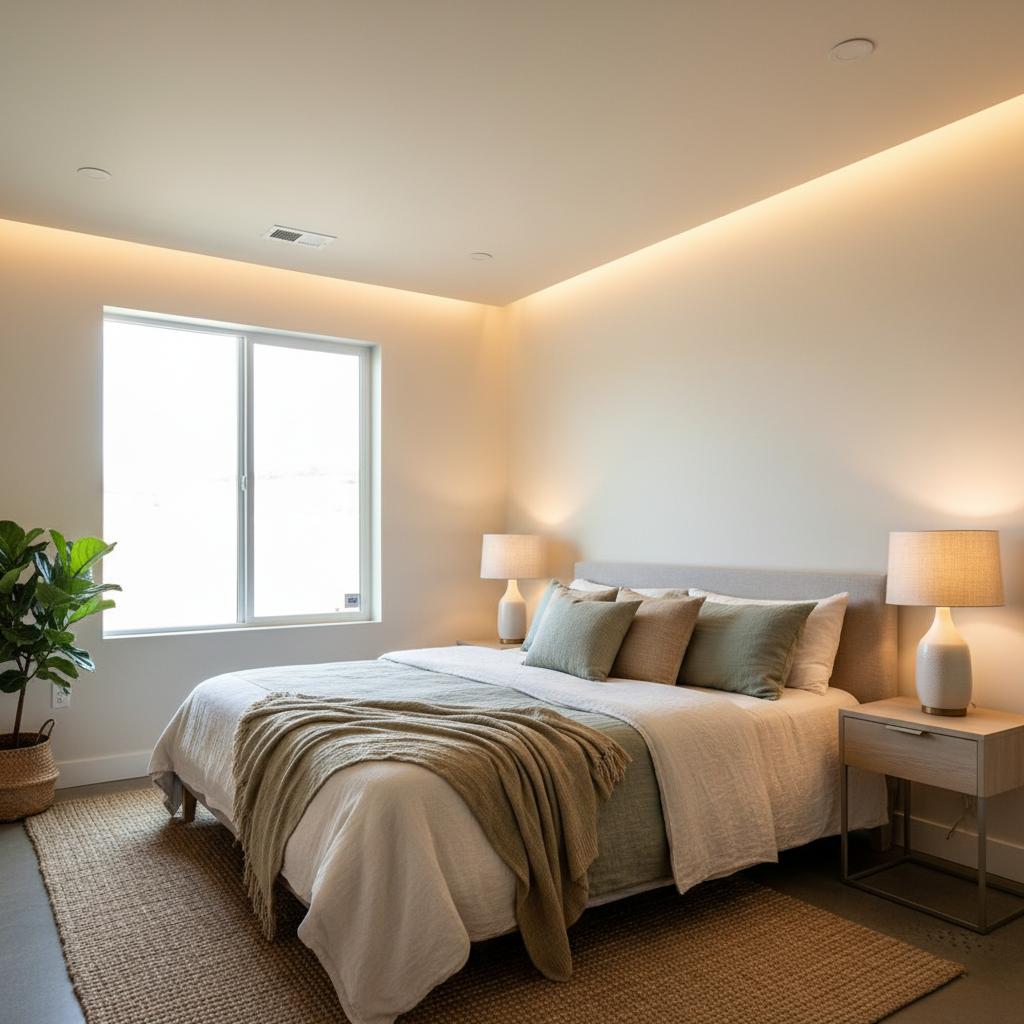
Bedroom
- Ambient: Soft, dimmable overhead light. Consider ceiling fans with integrated lights.
- Task: Bedside lamps for reading, ideally with individual switches. Walk-in closet lighting (motion-sensor).
- Accent: Indirect lighting behind a headboard or subtle wall washes for a relaxing feel.
Bathroom
- Ambient: Moisture-rated recessed lights.
- Task: Sconces or a bar light mounted beside or above the vanity mirror for even, shadow-free illumination.
- Accent: LED strip lighting under a floating vanity or within a shower niche for a spa-like feel.

California's Title 24 and Energy Efficiency
California's Building Energy Efficiency Standards (Title 24) are among the strictest in the nation, and they significantly impact ADU lighting design. Before your plans go to the city, you must ensure your lighting scheme complies. Key requirements include:
- High-Efficacy Lighting: Most permanently installed fixtures must be high-efficacy, meaning they use LED or high-efficiency fluorescent technology. Dimmable LEDs are the easiest way to meet this.
- Lighting Controls: Many rooms require specific lighting controls, such as dimmers, motion sensors (especially in bathrooms and utility rooms), and occupancy sensors to automatically turn lights off when a space is vacant.
- Daylighting Controls: In some cases, spaces with significant natural light may require controls that automatically dim or turn off artificial lights when sufficient daylight is present.
Working with an experienced ADU designer who understands Title 24 is crucial for seamless plan approval and long-term energy savings. If you're ready to explore how expert design can illuminate your ADU project, book a free ADU consultation with GatherADU today.

Integrating Lighting with Your Overall ADU Design
Lighting is not just about illumination; it's an integral part of the aesthetic and functional design. Consider:
- Fixture Selection: Choose fixtures that complement your ADU's architectural style and interior finishes. In a small space, sleek, minimalist fixtures often work best to avoid visual clutter.
- Electrical Layout: Plan the placement of switches, outlets, and junction boxes early. This impacts convenience and visual appeal. Will you have floor outlets for lamps? Will switches be at comfortable heights? Where will your smart home hub go?
- Ceiling Height: Lower ceilings might necessitate recessed lighting or flush mounts over pendants to maintain an open feel.
- Reflective Surfaces: Light-colored walls, ceilings, and floors will reflect light, making a space feel brighter and larger. Glossy finishes can enhance this effect but can also create glare if not managed.
Common Lighting Pitfalls to Avoid in ADU Design
- Under-lighting: A common mistake, especially in multi-functional spaces. Ensure enough ambient light, supplemented by task lighting.
- Over-lighting: Too many bright lights can create a harsh, institutional feel. Dimmers are your friend here.
- Ignoring Natural Light Potential: Failing to optimize window placement or consider skylights is a missed opportunity for energy savings and comfort.
- Lack of Flexibility: Static lighting that can't be adjusted for different activities or moods will make an ADU feel less livable.
- Forgetting About Future Use: Think about furniture placement and potential future changes. Where will a desk go? A reading chair? Plan outlets and switches accordingly.
- Not Accounting for Title 24 Early: Retrofitting or redesigning to meet code after initial plans are drawn can be costly and delay your project.
The Planning Process: Before Drawings Go to the City
The best time to finalize your ADU lighting design is during the architectural planning phase, before your blueprints are locked in for city submission. This allows for:
- Early Collaboration: Work closely with your ADU designer or architect. They can integrate lighting into the overall design, considering structural elements, electrical pathways, and code compliance.
- Budgeting: Factor in the cost of fixtures, dimmers, and smart controls early to avoid surprises.
- Electrical Layout Mapping: Your electrical plan, which details all switches, outlets, and light fixture locations, is a crucial part of your city submission. A well-thought-out lighting plan informs this directly.
- Compliance Review: Your design team can ensure your lighting choices meet all local and state energy efficiency codes (like Title 24) before any potential headaches with city planners.
For personalized guidance on navigating the complexities of ADU design, including optimal lighting solutions tailored to your unique needs, don't hesitate to schedule a complimentary ADU planning session with our experts.
Conclusion
Effective ADU lighting design is a nuanced blend of functionality, aesthetics, and energy efficiency. By carefully planning your lighting strategy—from harnessing natural light to selecting smart LED fixtures and understanding Title 24 requirements—you can transform your ADU into a bright, welcoming, and versatile living space. Don't wait until construction begins; make lighting a priority in your initial design discussions. The effort you put in now will pay dividends in comfort, cost savings, and the overall enjoyment of your new backyard home for years to come. Ready to bring your ADU vision to light? Book your free ADU consultation with GatherADU today and let our experts guide you through every step of the design and build process.