The Essential Role of Radiant Barriers in Your California ADU's Energy Performance
As Accessory Dwelling Units (ADUs) continue to gain popularity across California, homeowners are increasingly focused on maximizing their investment, which includes ensuring their backyard homes are not only comfortable and functional but also highly energy-efficient. A key component in achieving superior energy performance and navigating California's stringent building codes, particularly Title 24, is often an unsung hero: the radiant barrier. Understanding the specific benefits and compliance implications of an ADU radiant barrier Title 24 strategy is crucial for any homeowner planning to build or optimize their ADU.
At GatherADU, we specialize in designing and building ADUs that meet and exceed California's energy efficiency standards, ensuring your investment is both sustainable and cost-effective in the long run. Let's delve into what a radiant barrier is, how it functions, and its significant impact on your ADU's energy footprint and regulatory compliance.
What Exactly Is a Radiant Barrier?
Often confused with traditional insulation, a radiant barrier serves a distinct, yet complementary, purpose in your ADU's thermal envelope. Unlike insulation, which primarily resists conductive and convective heat transfer, a radiant barrier's main job is to reduce radiant heat gain or loss. It's essentially a highly reflective material, typically a thin sheet of aluminum foil, applied to one or both sides of a substrate like kraft paper, plastic film, or even bubble wrap.
How Radiant Barriers Work
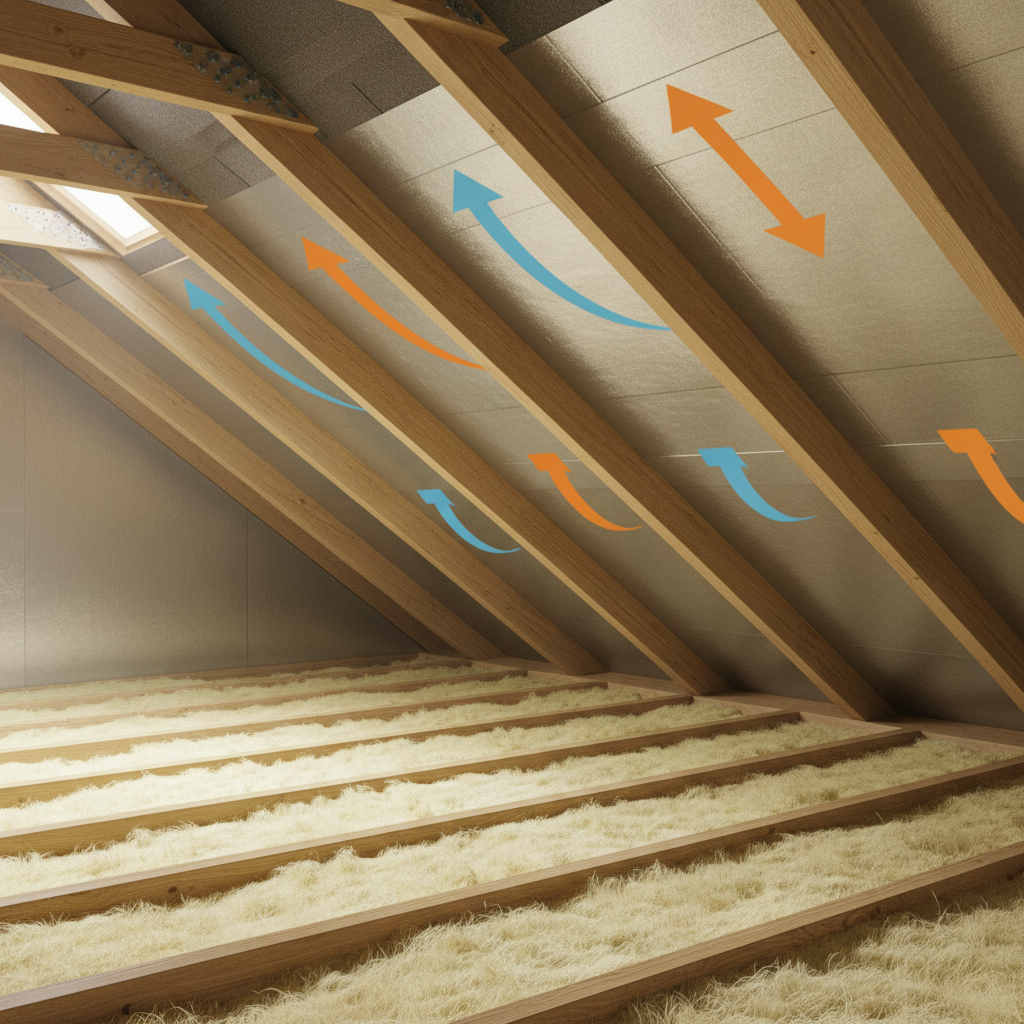
The science behind a radiant barrier is straightforward: it reflects radiant heat. In the summer, sunlight heats your roof, and this heat radiates downwards into your attic space. A radiant barrier installed in your attic acts like a mirror, reflecting up to 90-97% of this radiant heat back towards the roof, preventing it from penetrating further into your ADU's living space. This significantly reduces the heat load on your attic, which in turn reduces the amount of heat that can seep into your conditioned living areas below.
Conversely, in colder climates or seasons, a radiant barrier can also help prevent heat from radiating out of your living space into the colder attic. While its primary benefit is in reducing cooling loads, it offers year-round thermal advantages.
The Undeniable Benefits of Radiant Barriers for Your ADU
Integrating a radiant barrier into your ADU's design offers a multitude of advantages, translating into both immediate and long-term gains for homeowners:
- Enhanced Energy Efficiency: By blocking radiant heat transfer, radiant barriers drastically reduce the need for air conditioning in warmer months. This directly translates to lower energy consumption and, consequently, reduced utility bills.
- Improved Indoor Comfort: A cooler attic means a cooler living space below. Your ADU will maintain a more consistent and comfortable temperature, reducing hot spots and making your home more pleasant to live in, even during California's heatwaves.
- Reduced HVAC System Load: With less heat entering the living space, your air conditioning system doesn't have to work as hard. This can potentially allow for a smaller, more efficient HVAC unit, leading to lower installation costs and extended equipment lifespan.
- Environmental Impact: Lower energy consumption means a reduced carbon footprint, aligning with California's broader goals for sustainable building practices.
- Potential for Rebates and Incentives: While not universally available, some local utility companies or state programs may offer incentives for energy-efficient upgrades, including radiant barrier installation, further enhancing your return on investment.
Navigating Title 24 Compliance for Your ADU
California's Title 24, Part 6, also known as the Energy Efficiency Standards for Residential and Nonresidential Buildings, is a critical regulatory framework designed to ensure new and renovated buildings are as energy-efficient as possible. For ADUs, compliance with Title 24 is mandatory. The goal is to reduce California's energy consumption, greenhouse gas emissions, and promote sustainable building practices.
Meeting Title 24 compliance typically involves two main pathways:
- Prescriptive Approach: This method requires adherence to a specific set of minimum requirements for building components (e.g., specific R-values for insulation, U-factors for windows).
- Performance Approach: This more flexible method allows for trade-offs. The overall energy performance of the proposed building must be equal to or better than a 'standard design' building that meets all prescriptive requirements. This is where strategic energy-saving measures like radiant barriers become particularly valuable.
For many ADU projects, the performance approach offers greater design flexibility and can be more cost-effective, as it allows builders to optimize various components to achieve overall compliance.
The Synergy: ADU Radiant Barrier and Title 24 Compliance
While Title 24 doesn't explicitly mandate the installation of radiant barriers, it absolutely rewards their inclusion, especially when using the performance approach. Here's how an ADU radiant barrier Title 24 strategy can significantly bolster your compliance efforts:
Reducing Cooling Loads
California's climate zones, particularly those with significant cooling demands, are where radiant barriers shine. By preventing a large percentage of solar heat from entering the attic, they directly reduce the cooling load on the ADU. This reduction is factored into the energy modeling software used to demonstrate Title 24 compliance.
Impact on U-Factor and SHGC
In the context of Title 24, radiant barriers improve the overall thermal performance of the roof assembly. While traditional insulation's R-value measures resistance to heat flow, a radiant barrier's effectiveness is often quantified by its emissivity and reflectivity, which influence the overall U-factor (the rate of heat transfer through a building assembly) and Solar Heat Gain Coefficient (SHGC) of the roof system. A lower U-factor and SHGC indicate better thermal performance, which contributes positively to Title 24 calculations.
The Performance Pathway Advantage
Under the performance approach, the energy savings generated by a radiant barrier can offset other areas where your ADU might not meet prescriptive requirements perfectly. For example, if you have a unique architectural feature or a specific window choice that makes prescriptive compliance challenging, the significant cooling load reduction from a radiant barrier can help you achieve overall compliance without costly redesigns or compromises elsewhere.
This flexibility is invaluable for custom ADU designs, allowing homeowners to prioritize aesthetics or specific functional needs while still meeting rigorous energy standards. Navigating these complexities requires expert knowledge. If you're wondering how a radiant barrier can specifically benefit your ADU design and Title 24 compliance, consider reaching out to professionals. Schedule a free ADU consultation with GatherADU to discuss your project's unique requirements.
Critical Considerations for Radiant Barrier Installation
The effectiveness of a radiant barrier is highly dependent on proper installation. Here are key factors:
- Air Gap: A radiant barrier must face an air space to work effectively. It doesn't perform well when in direct contact with another material on both sides. Typically, it's installed on the underside of the roof deck, creating an air gap between the barrier and the attic insulation below.
- Ventilation: Proper attic ventilation remains crucial, even with a radiant barrier. Ventilation helps remove any heat that does penetrate and dissipates moisture, preventing condensation issues.
- Clearance from Heat Sources: Ensure the barrier is installed safely away from heat sources like recessed lighting fixtures or exhaust fans, following manufacturer guidelines and building codes.
- Professional Installation: Given the nuances of effective installation and its impact on Title 24 compliance, professional installation is highly recommended. Experts understand the optimal placement and attachment methods to maximize performance.
Cost-Benefit Analysis: Is a Radiant Barrier Worth It?
The initial investment for installing a radiant barrier is relatively modest compared to the overall cost of an ADU. However, the long-term savings can be substantial. By reducing your ADU's cooling demands, you'll see lower energy bills for decades. When factored into the total cost of ownership, including potential for smaller HVAC systems and increased comfort, a radiant barrier presents a highly favorable return on investment.
Furthermore, an energy-efficient ADU is a more valuable asset. It will appeal more to potential renters or future buyers who are increasingly conscious of utility costs and environmental impact. Investing in features like radiant barriers future-proofs your ADU.
Beyond Radiant Barriers: A Holistic Approach to ADU Energy Efficiency
While radiant barriers are a powerful tool, they are just one piece of the puzzle for a truly energy-efficient and Title 24 compliant ADU. At GatherADU, we advocate for a holistic design approach that considers all aspects of your ADU's energy performance:
- High-Performance Windows and Doors: Low-E coatings and insulated frames significantly reduce heat gain and loss.
- Superior Insulation: Proper R-values in walls, floors, and ceilings are fundamental.
- Efficient HVAC Systems: High-SEER (Seasonal Energy Efficiency Ratio) air conditioners and heat pumps, coupled with smart thermostats, optimize climate control.
- Duct Sealing: Properly sealed ducts prevent energy loss and ensure conditioned air reaches its destination efficiently.
- Water Heating: Efficient water heaters, such as heat pump water heaters, are a major factor in overall energy consumption.
- Solar Ready Design: Designing your ADU to be 'solar ready' makes future solar panel installation easier and more cost-effective.
Each of these components plays a vital role in achieving the desired energy performance and ensuring your ADU sails through Title 24 compliance. By integrating these elements from the design phase, you create an ADU that is comfortable, affordable to operate, and environmentally responsible.
Building an ADU is a significant undertaking, and ensuring it meets California's rigorous energy efficiency standards can feel complex. This is where GatherADU's expertise becomes invaluable. We pride ourselves on designing and building ADUs that are not only beautiful and functional but also energy-optimized and fully compliant with Title 24. Our integrated design-build process means we handle every detail, from initial concept to final inspection, ensuring that energy efficiency strategies like radiant barriers are seamlessly incorporated for maximum benefit. Get a free project estimate for your ADU and let us guide you through the process of creating an energy-efficient backyard home.
Conclusion: Invest in an Energy-Efficient Future for Your ADU
Radiant barriers are a powerful, cost-effective addition to any ADU in California, significantly enhancing energy efficiency and providing a clear advantage in meeting Title 24 compliance. By reflecting radiant heat, they contribute to a cooler, more comfortable living space, lower utility bills, and a reduced environmental footprint. When combined with other energy-saving measures, they form a robust strategy for a sustainable and high-performing ADU.
Don't let the complexities of energy codes deter you from building your dream backyard home. Partnering with an experienced ADU specialist like GatherADU ensures that your project will not only comply with all regulations but also exceed your expectations for comfort, efficiency, and long-term value. Take the first step towards an energy-efficient ADU today. Book your free ADU consultation with GatherADU and discover how we can turn your vision into a high-performance reality.