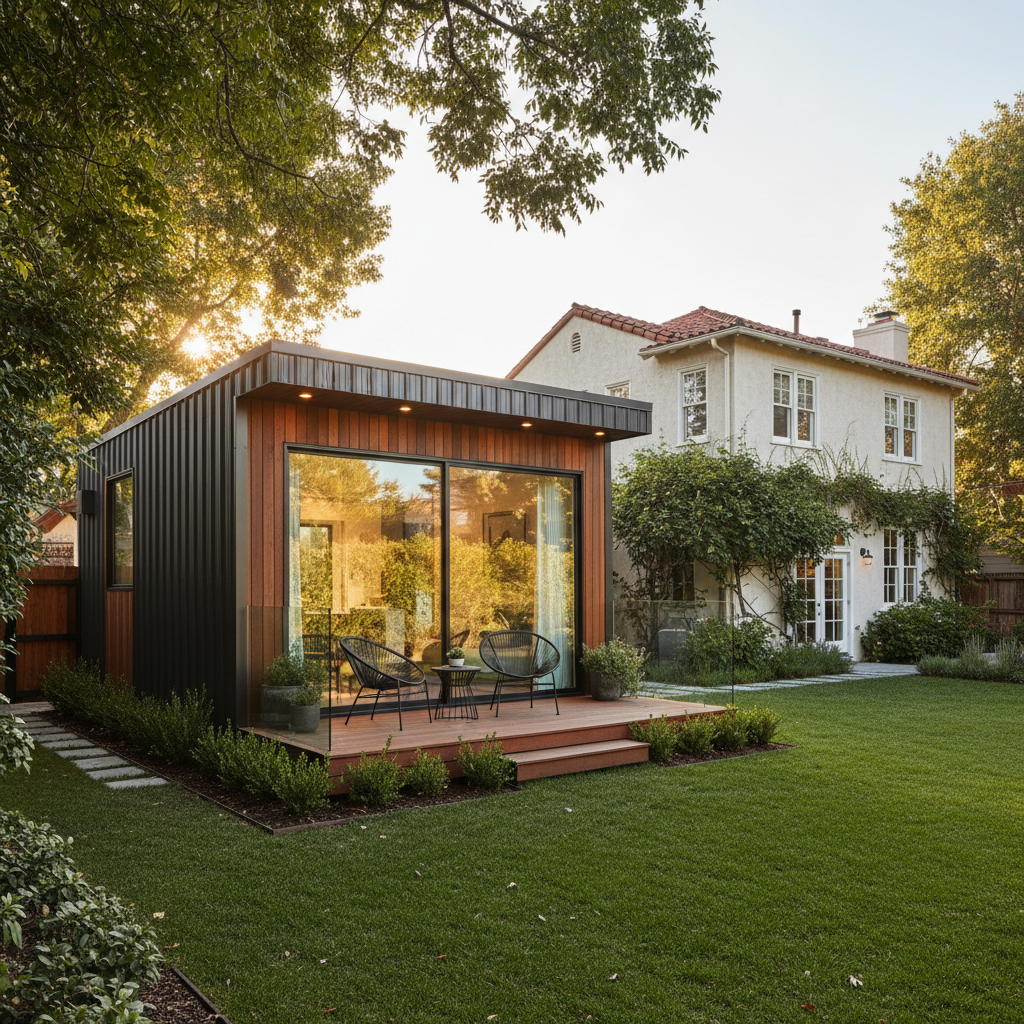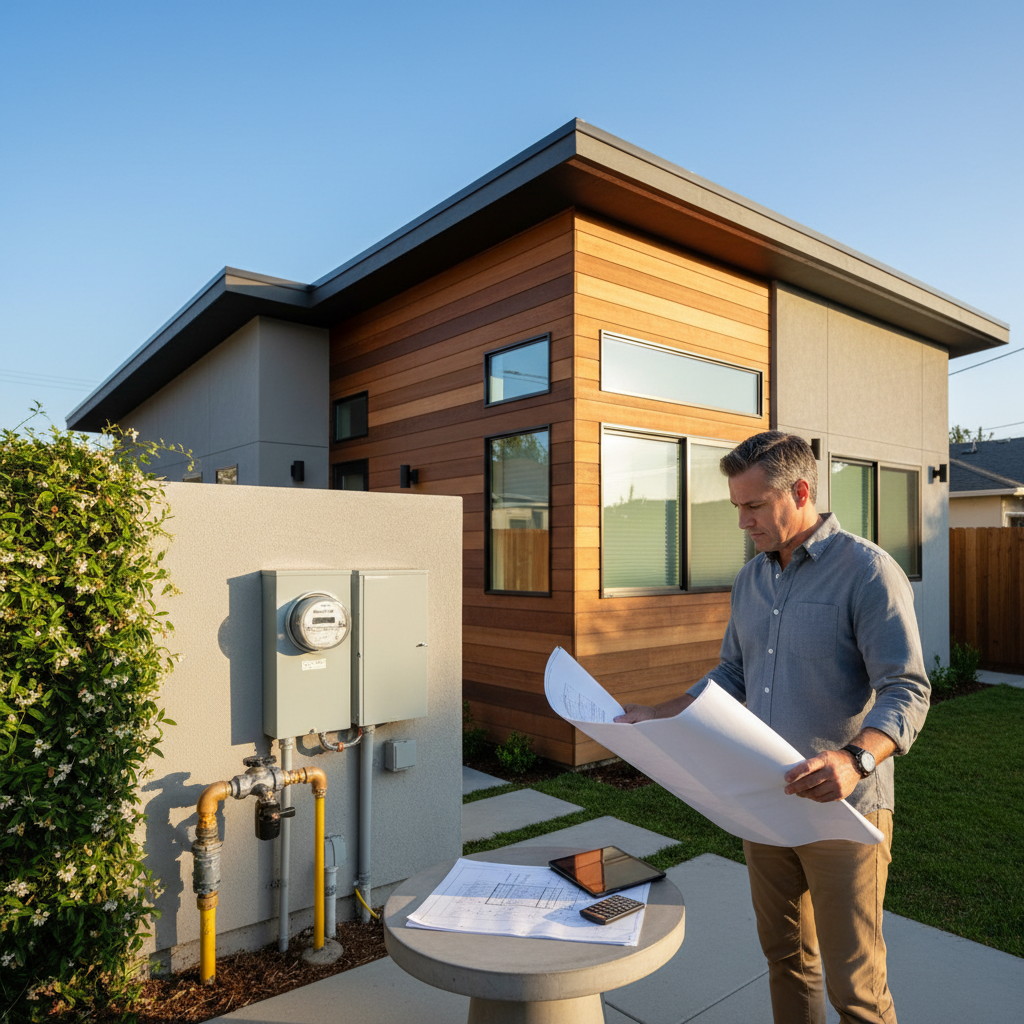

Embarking on an Accessory Dwelling Unit (ADU) project in California is an exciting endeavor, promising increased property value, rental income, or flexible living space. However, the path from concept to completion can be intricate, paved with regulations, permits, and local ordinances. This is where the ADU pre-application meeting emerges as a powerful, often underestimated, tool for success.
At GatherADU, we understand that clarity and proactive planning are paramount. A pre-application meeting isn't just another bureaucratic hurdle; it's your opportunity to gain invaluable insights directly from your local planning department, setting the foundation for a smoother, more efficient, and ultimately more successful ADU build. Let's delve into what this meeting entails, why it's so critical, and when you should prioritize scheduling one.
What Exactly Is an ADU Pre-Application Meeting?
An ADU pre-application meeting is a formal, preliminary consultation between you (the property owner, often accompanied by your designer or contractor) and representatives from your local city or county planning and building departments. The primary purpose of this meeting is to discuss your proposed ADU project before you invest significant time and money into detailed architectural plans and formal permit applications.
Think of it as a guided tour through your specific property's regulatory landscape. During this meeting, city staff will review your preliminary project concepts against local zoning ordinances, building codes, and any special conditions pertinent to your parcel. It's an opportunity to ask questions, receive feedback, and identify potential issues that could otherwise derail your project much later in the process.
Unlike submitting a permit application, a pre-application meeting is typically non-binding. It's a dialogue designed to provide guidance and clarification, not to grant approval. The insights gained, however, are instrumental in shaping your project to comply with local requirements from the outset, significantly reducing the likelihood of costly revisions and delays down the line.
Why Is a Pre-Application Meeting Crucial for Your ADU Project?
While California state laws have significantly streamlined ADU development, local jurisdictions still retain authority over specific aspects like design standards, setbacks, utility connections, and impact fees. This creates a complex patchwork of regulations that can be challenging to navigate without expert guidance. An ADU pre-application meeting offers several critical advantages:
1. Clarifies Local Regulations and Interpretations
- Beyond State Law: While state laws provide a foundation, your city or county may have specific overlays (e.g., historic districts, hillside ordinances), design guidelines, or fire safety requirements that impact your ADU.
- Specific to Your Property: Planners can review your specific parcel's zoning, general plan designation, and any unique easements or conditions that might affect your build.
- Avoid Misinterpretations: Direct conversation with city staff minimizes the risk of misinterpreting complex code language.
2. Identifies Potential Issues Early On
- Zoning Compliance: Confirming setbacks, height limits, lot coverage, and density requirements specific to your property.
- Site-Specific Constraints: Uncovering potential challenges related to utility availability, fire access, environmental concerns (e.g., protected trees, flood zones), or geotechnical issues.
- Design Feasibility: Getting initial feedback on whether your conceptual design aligns with local aesthetic standards or neighborhood compatibility requirements.
3. Saves Time and Money
- Prevents Costly Redesigns: Discovering a major compliance issue after detailed architectural plans are complete can lead to significant redesign costs and delays.
- Streamlines Permitting: Submitting a well-informed, compliant application package increases the likelihood of a smoother review process and fewer rounds of corrections.
- Reduces Uncertainty: Gaining a clear understanding of requirements upfront minimizes surprises and allows for more accurate budgeting and scheduling.
4. Provides Guidance on Required Documents and Studies
- City staff can advise you on any special reports or studies your project might require, such as arborist reports for tree protection, geotechnical surveys, or traffic studies, allowing you to procure these in advance.
5. Builds Relationships with City Staff
- Establishing communication early can foster a more collaborative process as your project moves through the various stages of review.
To ensure your ADU project starts on the right foot and avoids costly delays, consider a professional consultation. GatherADU offers expert guidance to navigate these initial stages. Schedule your free ADU feasibility assessment today.

When Should You Request an ADU Pre-Application Meeting?
The optimal time to request an ADU pre-application meeting is early in your project's lifecycle, after you've developed a clear conceptual idea but before you've invested heavily in detailed architectural drawings. Here's a breakdown:
1. After Initial Research, Before Detailed Design
Once you've done your preliminary research into state ADU laws and your city's general ADU ordinance, and you have a good sense of what you'd like to build (e.g., attached vs. detached, size, general location on your property), it's time for this meeting. You don't need fully engineered plans, but a basic site plan and conceptual floor plan are highly beneficial.
2. When Considering Specific Property Constraints
If your property has unique characteristics such as unusual lot shape, steep slopes, mature trees, proximity to creeks, or is located in a special overlay zone (e.g., historic district, wildfire hazard zone), an early pre-application meeting is even more critical. These factors can significantly impact design and feasibility.
3. Before Making Major Financial Commitments
Understanding the regulatory hurdles upfront can help you make informed decisions about your budget and scope. It's much better to discover a fundamental issue during a pre-application meeting than after you've hired an architect to complete construction drawings.
4. If Purchasing a Property with ADU Potential in Mind
If the ability to build an ADU is a major factor in your decision to purchase a property, a pre-application meeting (or at least a detailed discussion with the planning department) is highly advisable before closing escrow. This confirms the ADU potential is realistic for that specific site.
What to Expect During the Meeting and How to Prepare
Preparation is key to maximizing the value of your ADU pre-application meeting. The more information you bring, the more specific and helpful the feedback will be.
Preparation Checklist:
- Property Information: Your property address and Assessor's Parcel Number (APN).
- Conceptual Site Plan: A sketch or diagram showing property lines, existing structures, proposed ADU location, desired setbacks, and any significant features like trees, driveways, or utility lines.
- Preliminary Floor Plans & Elevations: Simple drawings indicating the proposed size, layout, and exterior appearance of the ADU. These don't need to be professional architectural drawings, but clear hand sketches are often sufficient.
- Photos of Your Property: Current photos of the proposed ADU site and surrounding areas.
- List of Specific Questions: Prepare a list of all your concerns and questions regarding zoning, setbacks, design, utilities, parking, fees, and timelines.
- Research: Familiarize yourself with your city's ADU ordinance and general zoning rules for your property's zone.
During the Meeting:
- Who Attends: You (and potentially your designer/contractor), a city planner, and sometimes representatives from other departments like building, public works, or fire.
- Discussion Points: Expect a review of your conceptual plans against current regulations. Discussion will likely cover zoning compliance (height, setbacks, lot coverage), design review considerations, utility connections, building code interpretations, potential impact fees, and general permitting processes.
- Take Notes: Document everything discussed, including names of staff, specific code sections referenced, and any agreed-upon next steps or conditions.
After the Meeting:
Many jurisdictions provide a written summary or meeting notes. This document is crucial as it formalizes the guidance you received and serves as a reference point for your design team. It will outline key requirements, potential obstacles, and the next steps needed to move your project forward.
The thought of gathering all the necessary information for a pre-application meeting can be daunting. Let our experienced team at GatherADU simplify the process for you. Get a free project estimate and see how we can assist from concept to completion.

Key Takeaways from a Pre-Application Meeting
Successfully navigating the pre-application meeting will provide you with:
- A Clear Roadmap: You'll have a better understanding of the specific requirements and steps for your ADU project.
- Identified Hurdles: Awareness of any unique challenges or conditions on your property that need to be addressed in the design.
- Informed Design Decisions: Guidance that allows your architect or designer to create plans that are compliant from the start, minimizing revisions.
- Accurate Budgeting: A clearer picture of potential costs associated with permits, fees, and specific site requirements.
Navigating the California ADU Landscape
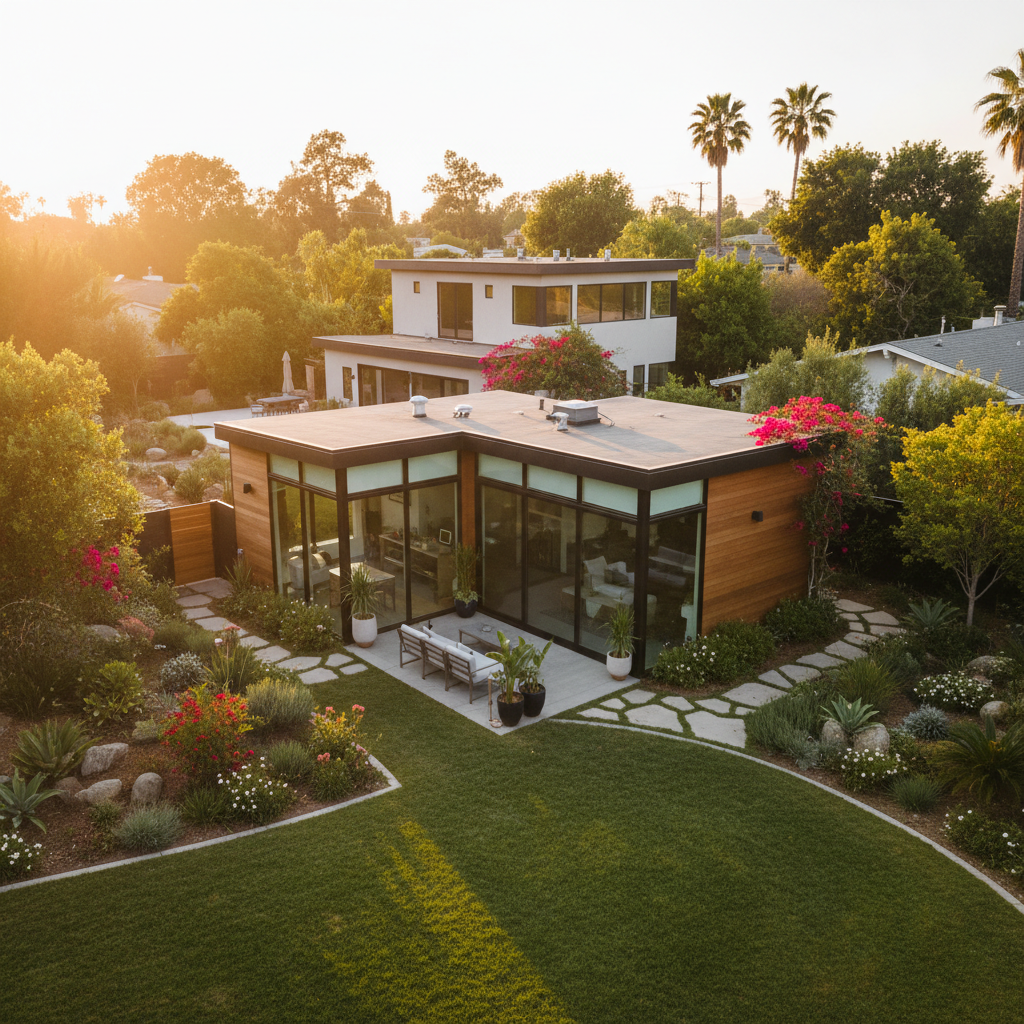
California's progressive ADU laws aim to encourage housing development, but local control still plays a significant role. State legislation provides overarching guidelines, guaranteeing certain rights (like allowing one ADU and one JADU on most single-family lots, or streamlining permits for specific types of ADUs). However, cities and counties interpret these laws and layer on their own ordinances, which can vary widely in terms of design review, parking requirements (or lack thereof), and utility connection specifics.
This dynamic makes the ADU pre-application meeting particularly valuable. It's the bridge between general state law and the very specific rules applied by your local jurisdiction to your unique property. It ensures that your project aligns not only with broad state mandates but also with the nuances of your local community's planning vision.
Potential Challenges and How to Address Them
While highly beneficial, the pre-application meeting isn't without its potential challenges:
- Scheduling Delays: Some city planning departments have backlogs, leading to long wait times for meetings. Plan ahead!
- Conflicting Information: Occasionally, different staff members might offer slightly varied interpretations. Document everything and seek clarification if needed.
- Non-Binding Nature: Remember, the guidance is advisory. While usually reliable, the final permit review may uncover new details.
To mitigate these challenges, always maintain thorough records, be persistent in seeking clarification, and consider having an experienced ADU builder or designer attend the meeting with you. Their familiarity with the process and technical jargon can be invaluable.
Conclusion
The ADU pre-application meeting is more than just a formality; it's a strategic investment in the success of your California backyard home project. By engaging with your local planning department early, you gain clarity, mitigate risks, save time and money, and establish a clear path forward. It transforms the often-daunting permitting process into a manageable series of steps, ensuring your dream ADU becomes a reality without unnecessary headaches.
Ready to take the next step towards your dream backyard home with confidence? Don't navigate the complexities of ADU planning alone. Book a free ADU consultation with GatherADU today to discuss your project, understand your options, and get personalized expert advice.