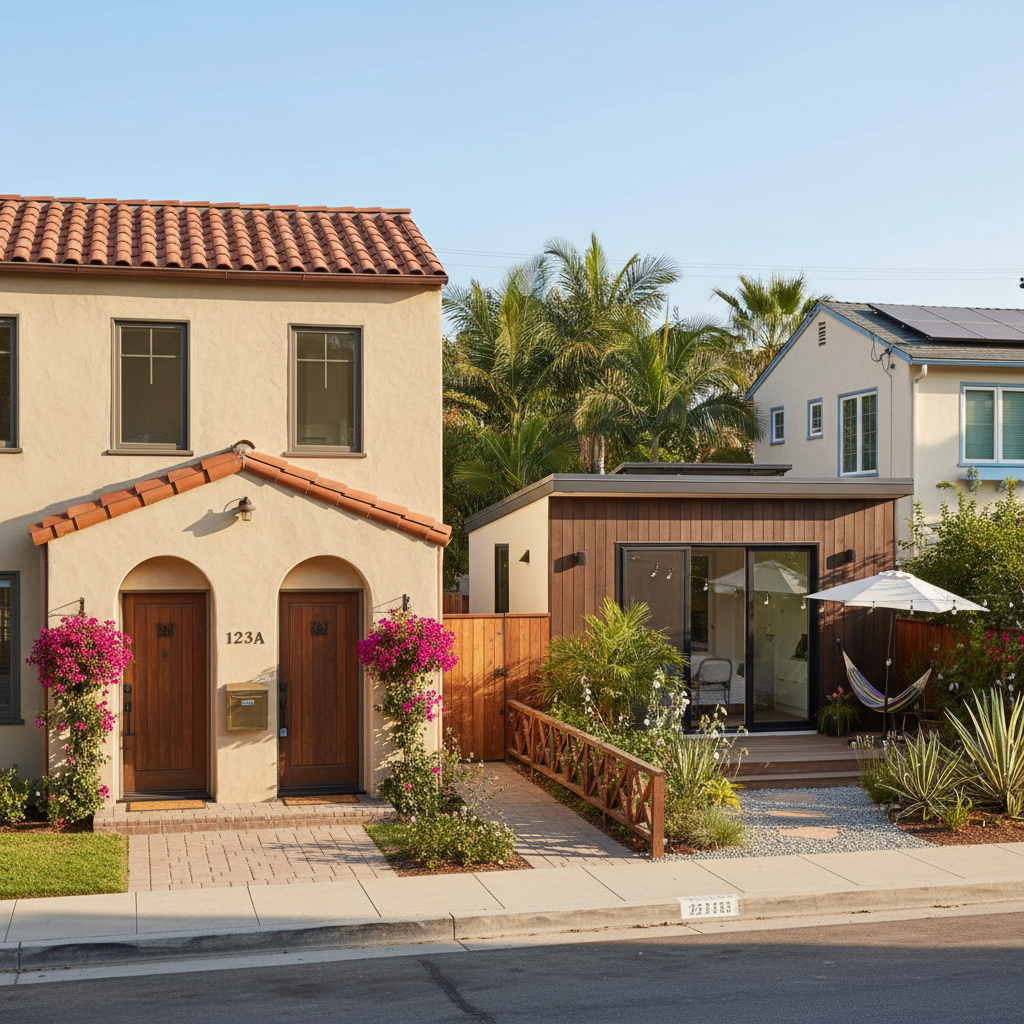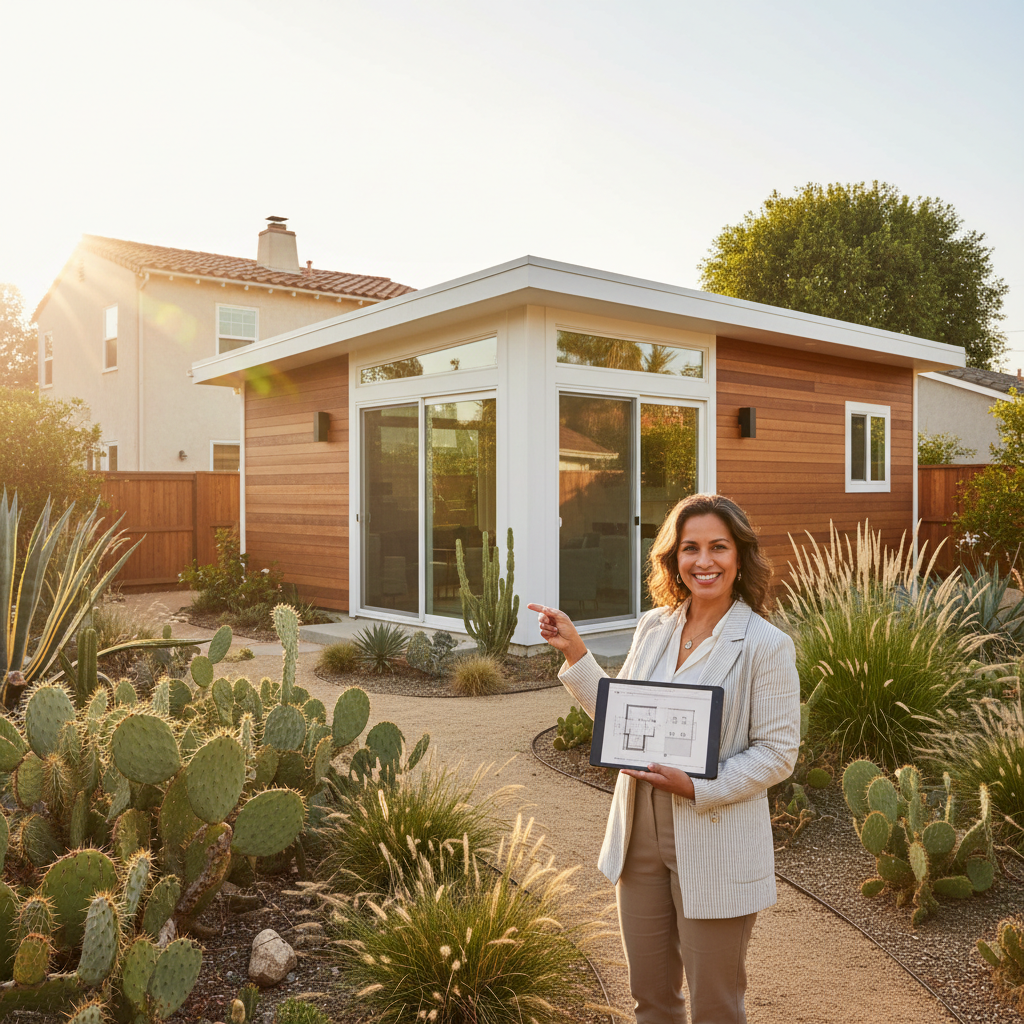
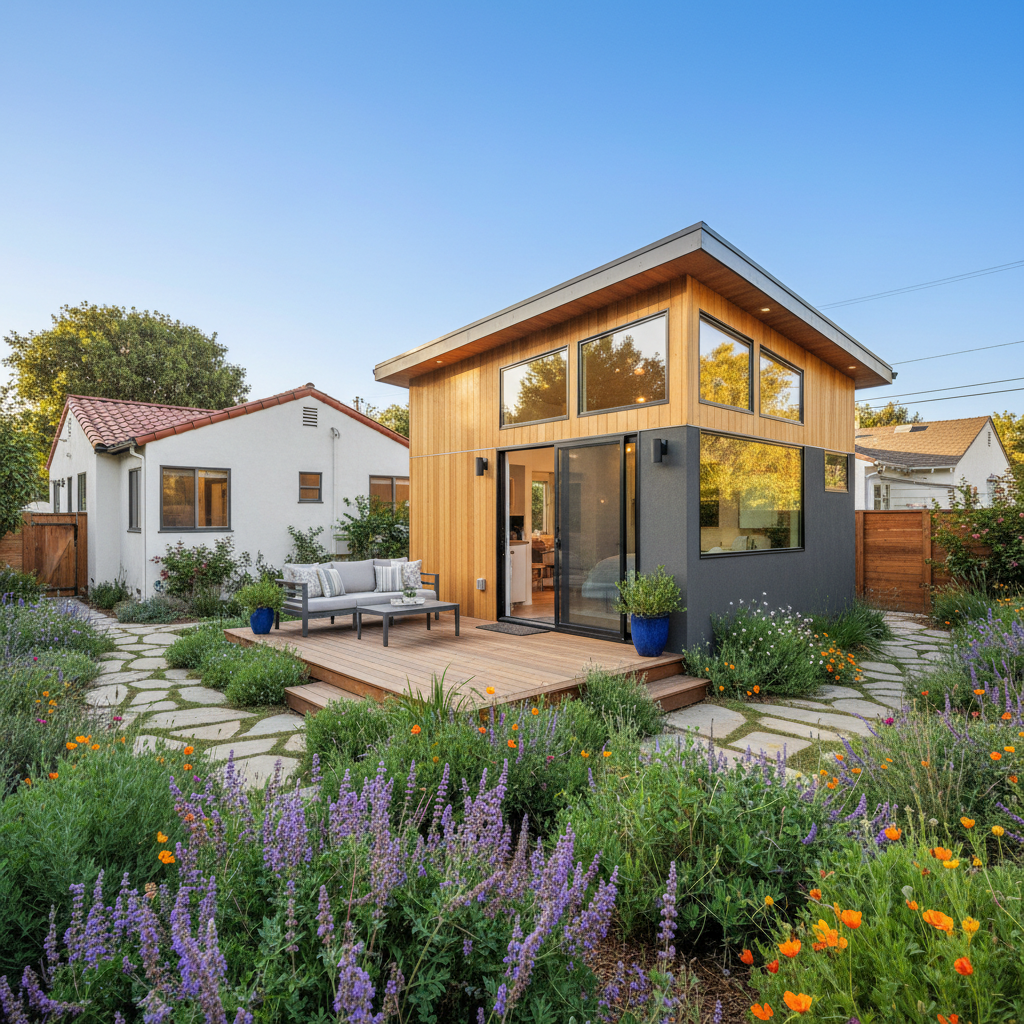
When exploring options for expanding your home's living space in California, you've likely encountered a few different terms: Accessory Dwelling Unit (ADU), backyard home, in-law unit, and perhaps most commonly, the granny flat California homeowners often refer to. This can understandably lead to confusion. Are these terms interchangeable? Is a granny flat the same as an ADU? For homeowners in California, understanding the official terminology and its implications is crucial for successful planning and construction.
At GatherADU, we specialize in designing and building ADUs across California, and we're here to demystify the language surrounding these incredibly valuable properties. In this comprehensive guide, we'll clarify what a granny flat is, explain the official definition of an ADU in California, and highlight why this distinction matters for your project.
What Exactly Is a "Granny Flat"?
The term "granny flat" is a colloquial and widely understood name for a secondary dwelling unit on a single-family property. Historically, it conjures an image of a small, self-contained living space, often built for an aging parent or grandparent – hence the "granny" – to live close to family while maintaining independence. This informal term has been used for decades, reflecting a practical solution for multi-generational living or providing a private space for relatives.
- Historical Context: "Granny flats" have existed long before official ADU legislation, often built without formal permits or as informal additions.
- Primary Purpose: Traditionally, these units were intended for family members, offering proximity and care while preserving privacy.
- Flexible Understanding: The term is broad and can refer to various structures, from converted garages to detached small homes in the backyard. It emphasizes the function and relationship to the main house rather than a strict architectural or legal definition.
While the concept of a granny flat is intuitive, its informal nature meant that regulations and standards varied wildly, often leading to issues with safety, legality, and property value.
Enter the ADU: California's Official Term for Backyard Homes
An Accessory Dwelling Unit (ADU) is the official, legal term used in California to describe a secondary housing unit on a property with a primary residence. Unlike the informal "granny flat," an ADU is a specific type of housing defined and regulated by state law. California has been at the forefront of ADU legislation, enacting significant changes in recent years to encourage their construction as a solution to the state's housing crisis.
Key characteristics of an ADU in California:
- Legal Definition: An ADU is a residential dwelling unit that provides complete independent living facilities for one or more persons. It includes permanent provisions for living, sleeping, eating, cooking, and sanitation.
- State-Level Regulations: California's state laws (primarily Government Code Section 65852.2) set baseline standards for ADUs, overriding more restrictive local ordinances. This means that while local jurisdictions can have their own ADU ordinances, they cannot be more restrictive than state law.
- Permitting Required: Building an ADU always requires permits, ensuring the unit meets safety, structural, and environmental standards.
- Versatile Use: While often used for family, ADUs can also be rented out to tenants, providing a significant source of income for homeowners.
Granny Flat vs. ADU: The California Connection
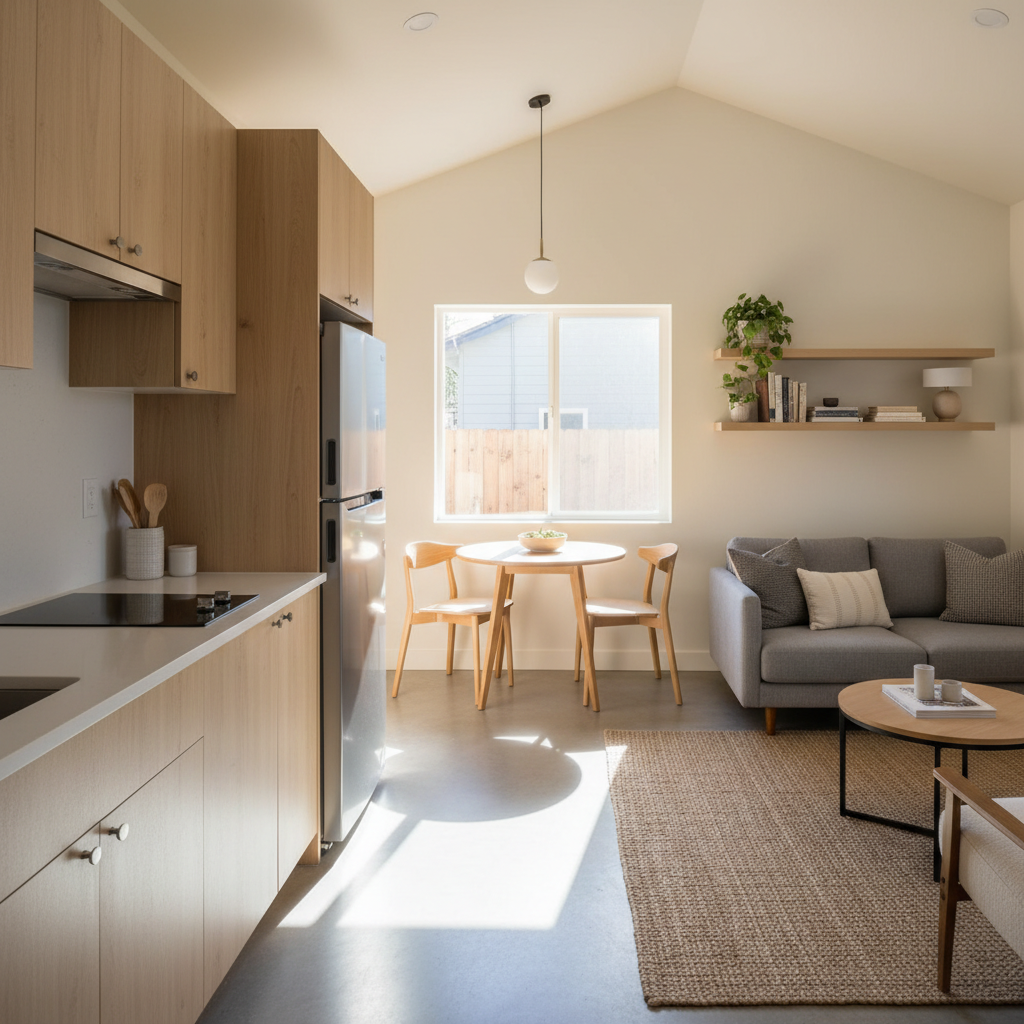
So, is a granny flat the same as an ADU in California? In essence, yes, the concept is the same, but "ADU" is the official, legal, and regulated term. Think of it this way: all ADUs in California can function as granny flats, but not all structures homeowners might informally call a "granny flat" are legally compliant ADUs.
The critical distinction lies in legality and regulation. A structure referred to as a "granny flat" that was built without permits or doesn't meet current building codes is not a legal ADU. Conversely, any new construction or conversion designed to house a family member, provide rental income, or serve as a guest house, and which adheres to California's ADU laws and local ordinances, is officially an ADU.
Why the Distinction Matters
Understanding this difference is vital for several reasons:
- Legality and Compliance: Building an ADU ensures your structure is legal, safe, and complies with all state and local regulations. Unpermitted structures can lead to fines, difficulties selling your home, and insurance problems.
- Financing and Valuation: A legally permitted ADU adds significant value to your property and can qualify for specific ADU financing options. An unpermitted structure often cannot.
- Rental Income Potential: To legally rent out a secondary unit, it must be a permitted ADU. This allows homeowners to generate substantial passive income.
- Ease of Process: While the permitting process might seem daunting, California's streamlined ADU laws make it more predictable and accessible than ever before. Working with experts like GatherADU ensures a smooth journey from concept to completion.
The Many Benefits of Building an ADU in California
Whether you call it a granny flat or an ADU, the benefits of adding a secondary dwelling unit to your property in California are profound and varied:
- Rental Income: With California's high housing costs, ADUs offer an excellent opportunity to generate significant rental income, helping offset mortgage payments or supplement household income.
- Multi-Generational Living: Provide a comfortable, private space for aging parents, adult children, or other family members, fostering connection while maintaining independence.
- Increased Property Value: A legally permitted ADU can substantially increase your property's market value and appeal, making it a wise long-term investment.
- Flexible Space: Use your ADU as a dedicated home office, a guest suite, a studio, or even a personal gym. The possibilities are endless.
- Addressing Housing Affordability: By adding more housing units, ADUs contribute to alleviating California's housing shortage and promoting denser, more sustainable communities.
Navigating California's ADU Regulations (It's Easier Than You Think!)
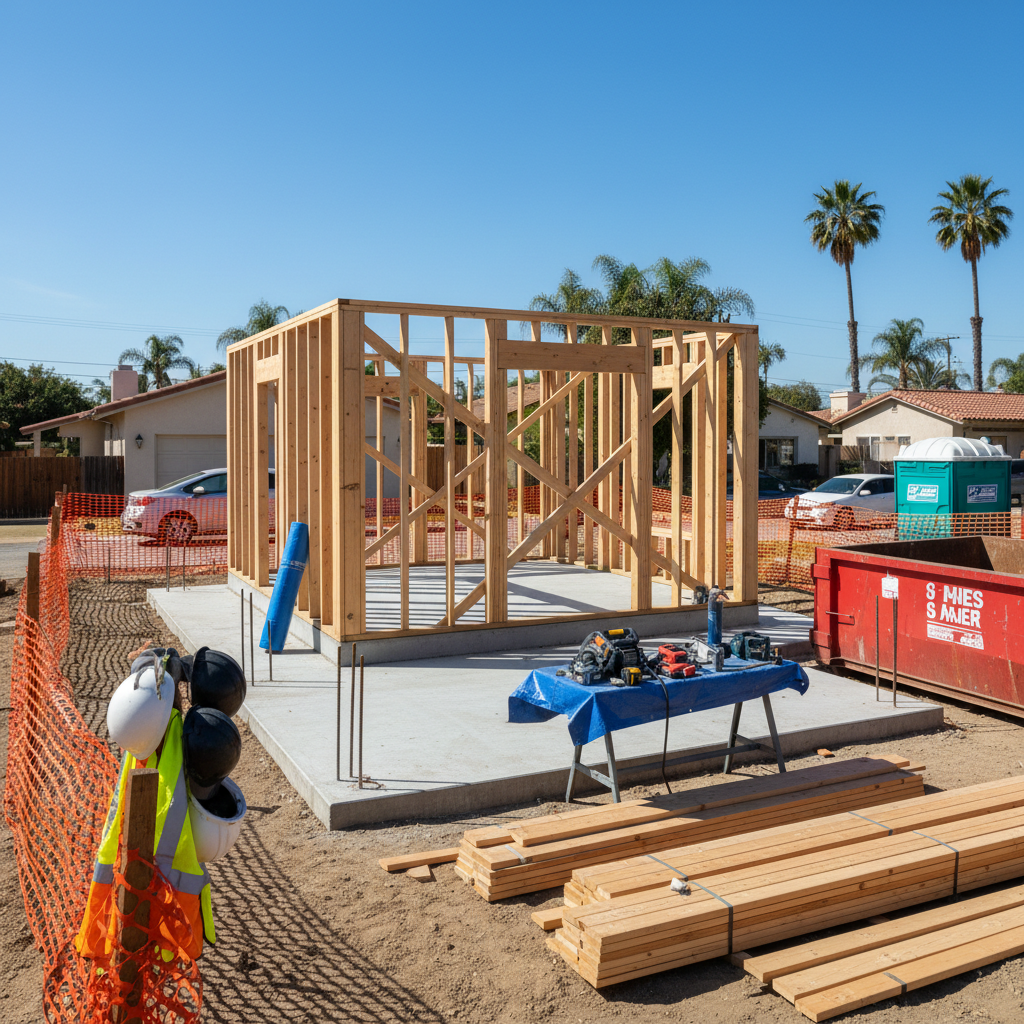
California has made significant legislative changes to simplify and encourage ADU construction. Key state-level mandates include:
- Streamlined Permitting: Local agencies must approve or deny ADU permit applications within 60 days.
- Reduced Setbacks: State law limits setbacks for new detached ADUs to 4 feet from the side and rear property lines.
- No Parking Requirements: Parking requirements are generally waived for ADUs in many situations, especially if they are close to public transit or part of an existing structure.
- Owner-Occupancy: Most new ADUs no longer require the property owner to live on-site, providing greater flexibility for homeowners.
- Minimum and Maximum Sizes: State law dictates minimum and maximum sizes, generally allowing up to 1,200 square feet for a detached ADU.
While state laws provide a strong framework, local jurisdictions still have a role in implementing these regulations. This is where working with an experienced ADU builder like GatherADU becomes invaluable. We understand the nuances of state and local ADU laws across California, ensuring your project is compliant and moves forward efficiently.
Ready to explore how these regulations apply to your property and specific ADU goals? Book a free ADU consultation with GatherADU to discuss your options.
Types of ADUs You Can Build in California
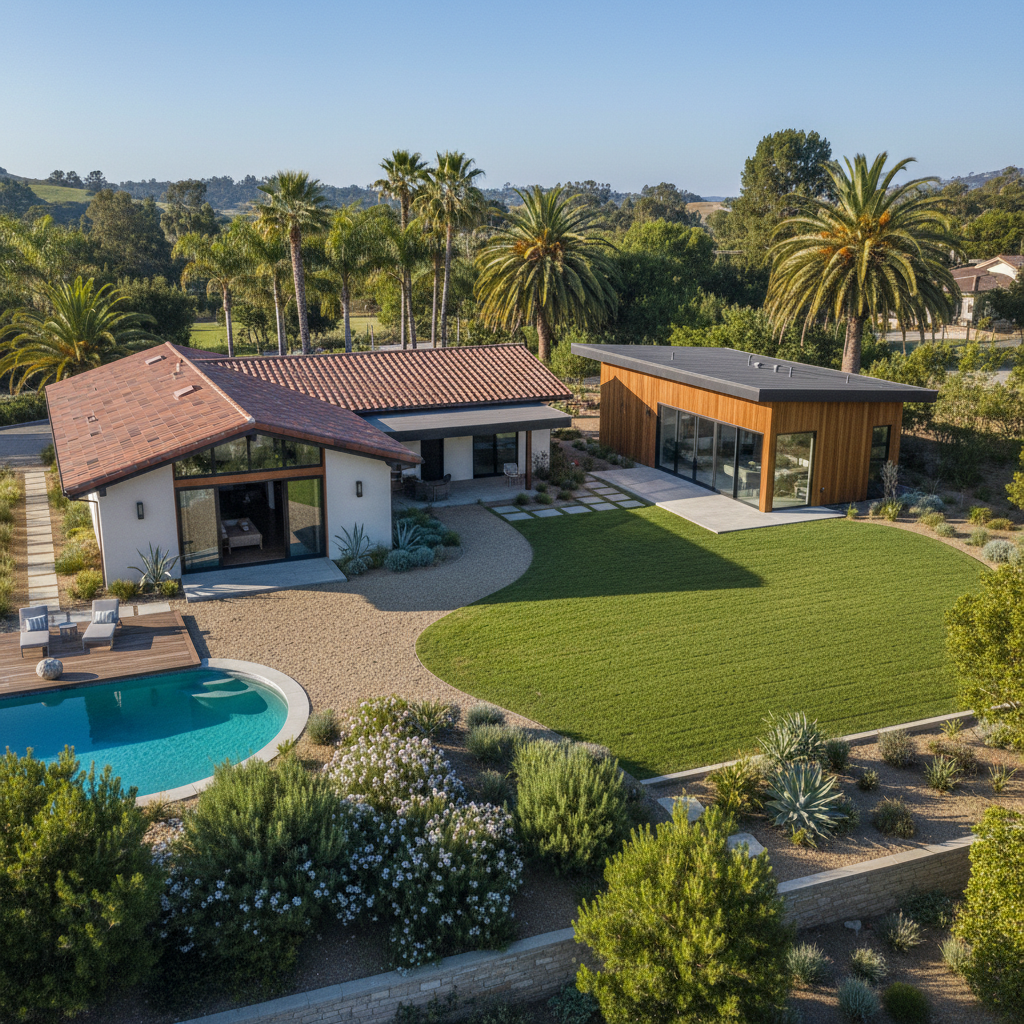
California's ADU laws allow for various types of units, offering flexibility to suit different property layouts and homeowner needs:
- Detached ADU: A standalone structure separate from the primary residence, often built in the backyard. These offer the most privacy and design flexibility.
- Attached ADU: A unit that is attached to the primary residence but has its own independent entrance, kitchen, and bathroom.
- Garage Conversion ADU: Transforming an existing garage into a habitable living space. This is often one of the most cost-effective ADU options as it utilizes existing foundations and walls.
- Junior ADU (JADU): A smaller ADU (up to 500 square feet) created within the existing footprint of a single-family home. JADUs share a wall with the primary residence and may share a bathroom or have an interior connection.
Each type has its own set of advantages and considerations regarding cost, construction time, and permitted size. GatherADU helps you determine the best ADU type for your property and aspirations.
Your Path to a California ADU with GatherADU
Building an ADU might seem like a complex undertaking, but with the right partner, it's a smooth and rewarding process. At GatherADU, we guide California homeowners through every step:
- Initial Consultation & Site Assessment: We evaluate your property, discuss your vision, and identify the most viable ADU options.
- Custom Design: Our expert designers create a beautiful, functional ADU tailored to your needs, budget, and local regulations.
- Permitting & Approvals: We handle all the necessary paperwork, plans, and submissions to secure your permits efficiently.
- Efficient Construction: Our experienced build teams ensure high-quality construction, keeping you informed throughout the process.
- Move-In Ready: We deliver a complete, move-in ready ADU, ready for your family or tenants.
We pride ourselves on transparent pricing, clear communication, and delivering exceptional value, transforming your backyard into a thriving new living space.
Ready to add an ADU to your California property? Get your free project estimate and discover the potential of your backyard.
Conclusion
While the term "granny flat" holds a nostalgic charm and describes the function of many secondary units, the legal and official term in California is Accessory Dwelling Unit (ADU). Understanding this distinction is not just semantic; it's fundamental to ensuring your project is compliant, valuable, and achieves your goals, whether that's providing for family, generating rental income, or simply adding flexible living space. California's progressive ADU laws have opened up incredible opportunities for homeowners, making it easier than ever to build these versatile backyard homes. By partnering with GatherADU, you gain access to expertise that navigates the complexities, streamlines the process, and delivers a high-quality ADU designed for your life and property. Don't let confusion about terminology hold you back from realizing your property's full potential.
Ready to unlock the potential of your property with a custom-designed ADU? Schedule your free ADU consultation with GatherADU today and let our experts help you bring your vision to life.