California's housing landscape is constantly evolving, presenting homeowners with various options for expanding living space or generating rental income. Among these, duplexes and Accessory Dwelling Units (ADUs) are two popular choices, yet they are often confused. While both offer the potential for multiple residential units on a single property, their definitions, legal implications, and development processes in California are distinctly different. Understanding these nuances is crucial for any property owner considering expansion.
This comprehensive guide will break down what is a duplex and is it the same as an ADU in California, empowering you with the knowledge to make informed decisions about your property.
Understanding the Duplex: Two Primary Homes, One Parcel
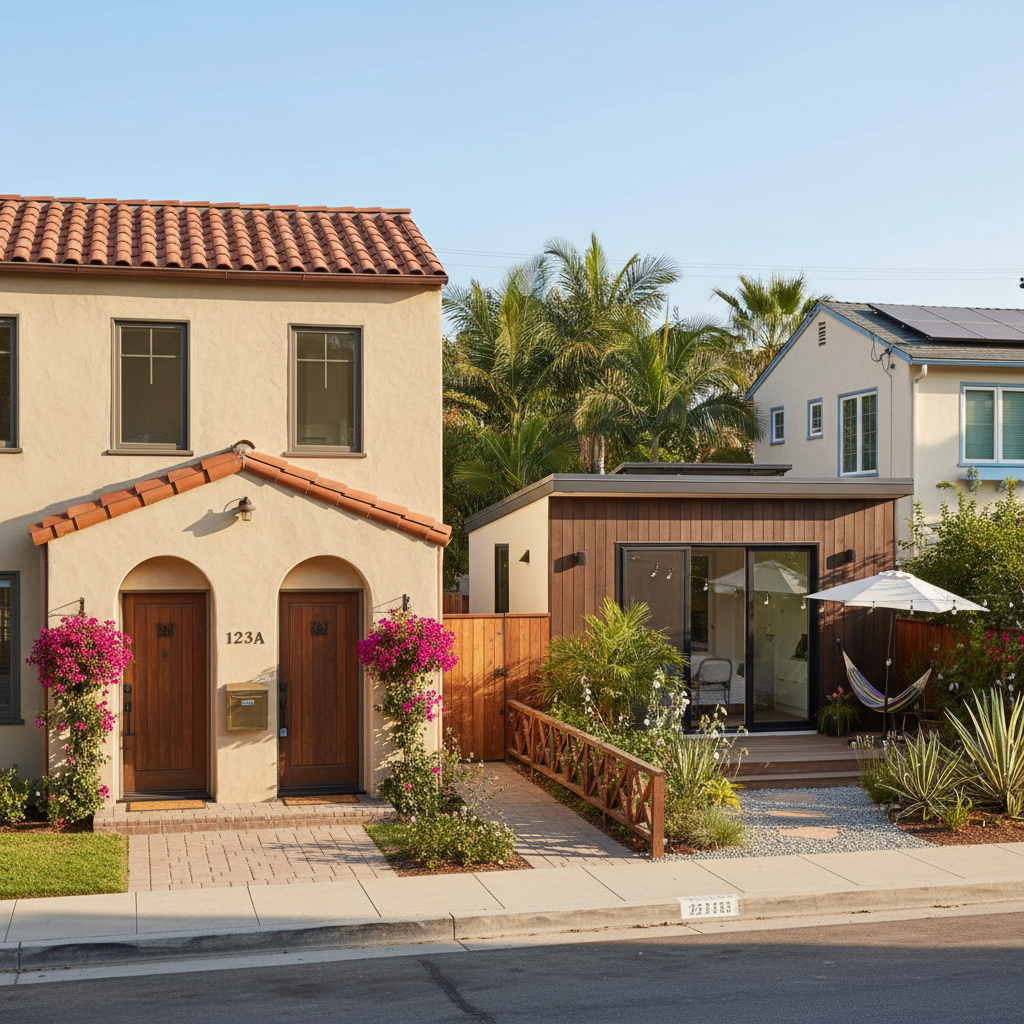
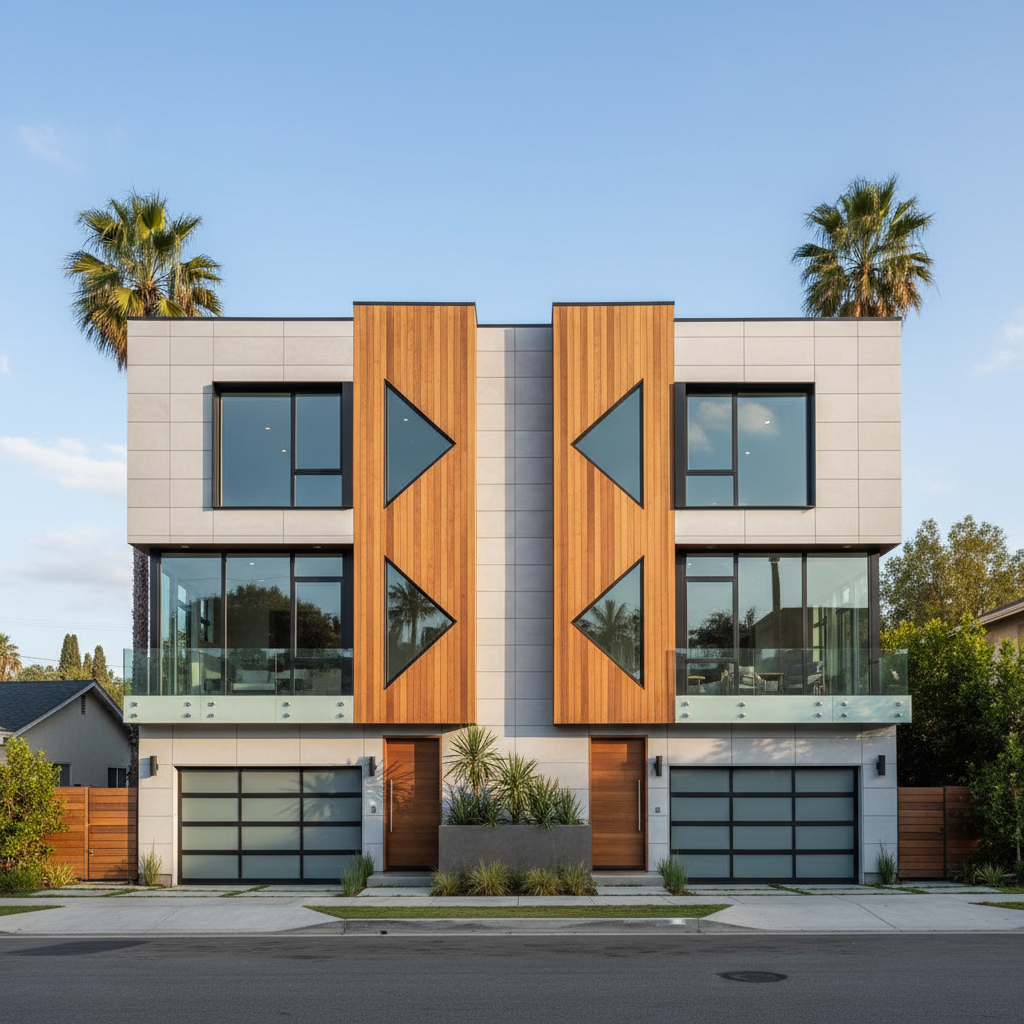
In its simplest form, a duplex refers to a single residential building that contains two separate dwelling units. These units typically share a common wall or floor/ceiling, but each unit is self-contained with its own entrance, kitchen, bathroom, and living areas. Historically, duplexes have been a common way to provide two independent households with housing on one property.
Key Characteristics of a Duplex:
- Two Primary Residences: Both units within a duplex are considered primary residences. They are of equal standing, not one subordinate to the other.
- Shared Structure: The two units are typically housed within the same building envelope. This can be side-by-side (like townhouses) or one unit stacked above the other.
- Single Parcel: A duplex is built on a single legal parcel of land. While the building contains two units, the land itself is not typically subdivided into separate parcels for each unit (though this can happen with condominium conversions).
- Zoning Dependent: Duplexes are permitted only in areas zoned for multi-family residential use, or in single-family zones that specifically allow for two-unit developments, often through specific overlay zones or density bonuses.
- Separate Utilities (Often): While sometimes sharing a main meter, each unit usually has its own sub-meters for utilities like electricity and gas, and often separate water hookups.
Duplexes in California's Housing Context
California, facing a severe housing shortage, has recently introduced legislation like Senate Bill 9 (SB 9) which allows for duplex development on most single-family lots. This has blurred the lines somewhat for some homeowners. However, even with SB 9, the resulting structures are still considered primary dwelling units, and the regulations regarding lot splits and unit sizes differ significantly from those governing ADUs.
The Rise of the ADU: California's Solution for Flexible Housing
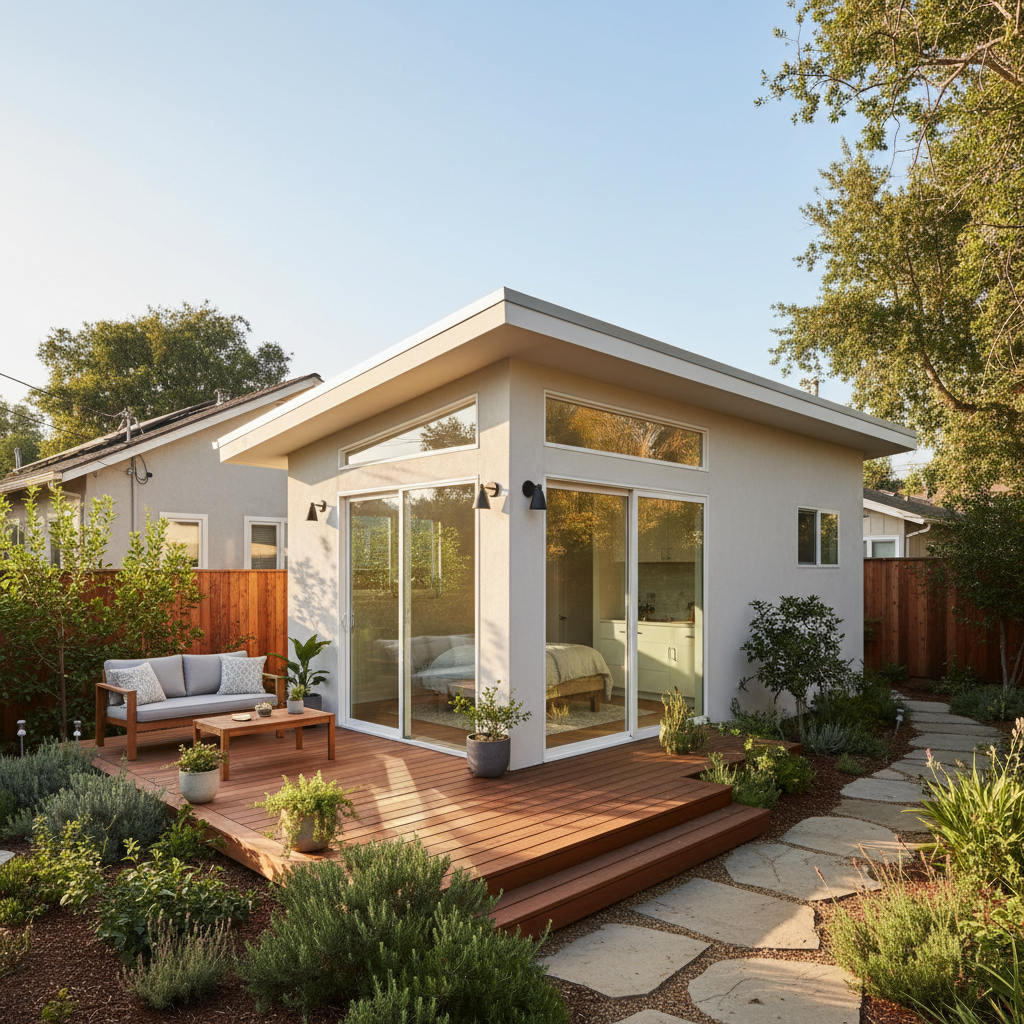
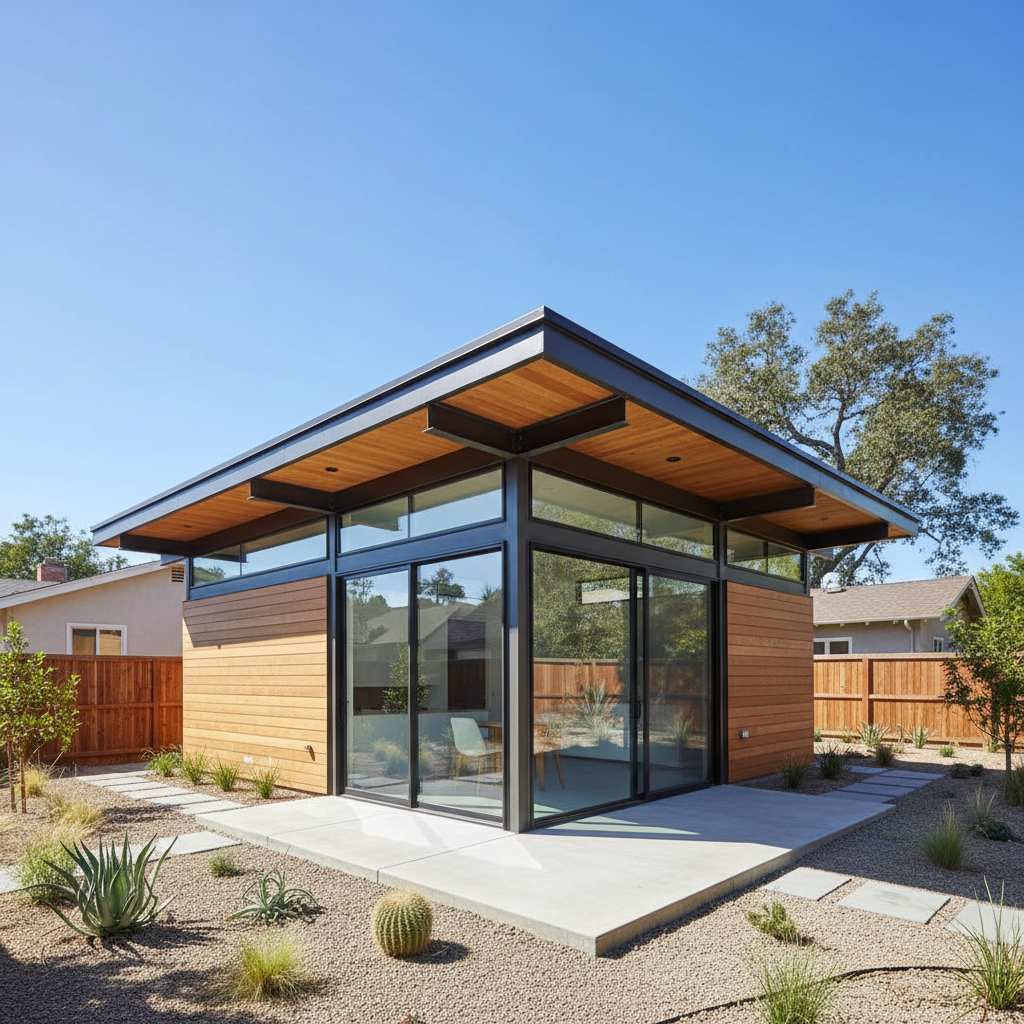
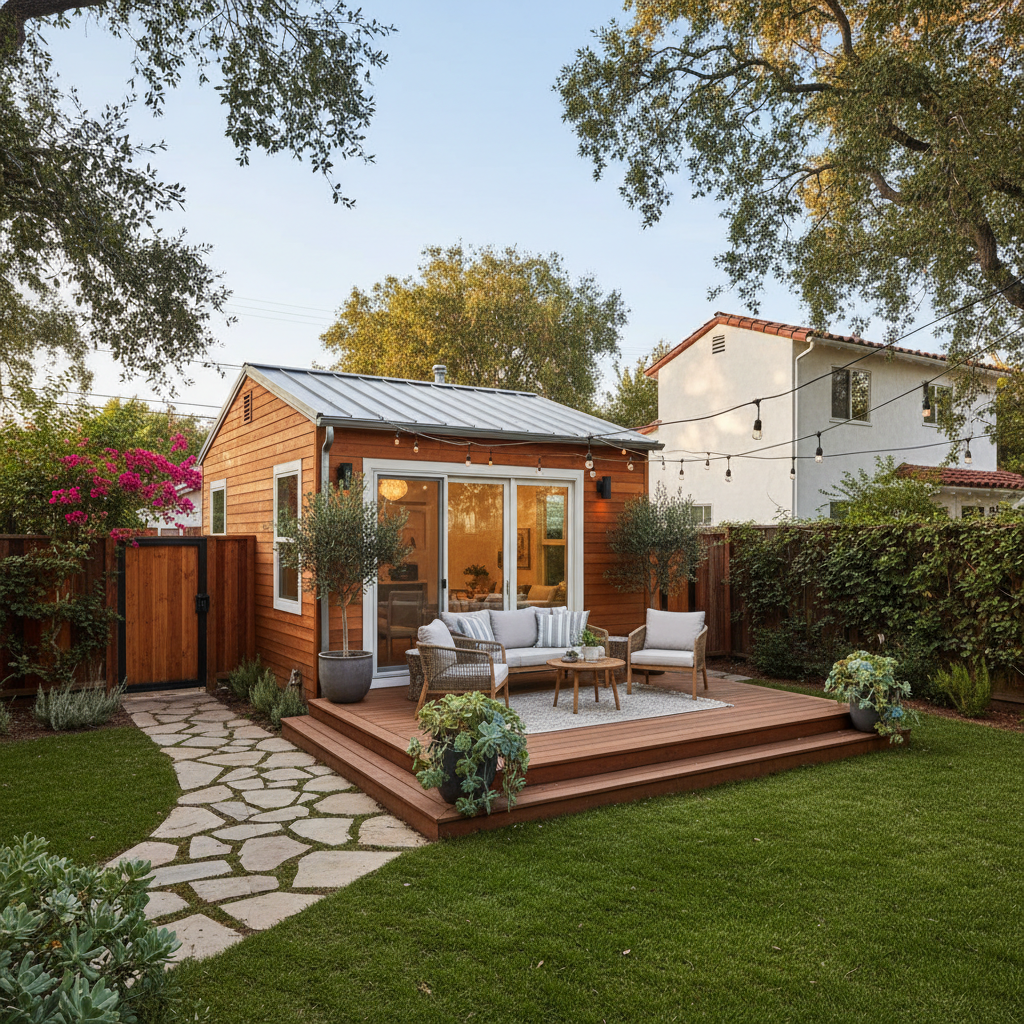
An Accessory Dwelling Unit (ADU), often called a backyard home, granny flat, or in-law unit, is a secondary housing unit on a property with a primary residence. ADUs are increasingly popular in California due to favorable state laws designed to address the housing crisis.
Key Characteristics of an ADU:
- Secondary Unit: An ADU is always accessory and subordinate to a primary dwelling unit on the same lot. It cannot be sold separately from the primary home (unless specific condominiumization rules are met).
- Variety of Forms: ADUs can be attached to the primary home, detached (like a separate cottage in the backyard), or converted from existing space (e.g., a garage conversion or basement conversion).
- Self-Contained: Like a duplex unit, an ADU must include a kitchen, bathroom, and sleeping area, making it a complete independent living space.
- Simplified Permitting: California state law has significantly streamlined the permitting process for ADUs, overriding many local zoning restrictions that previously hindered their development. This includes relaxed parking requirements, height limits, and setback rules.
- On Single or Multi-Family Lots: ADUs can be built on lots with existing single-family homes or, in many cases, on lots with existing multi-family residences.
California's ADU Revolution
California has passed several groundbreaking laws (AB 68, AB 881, SB 13, and more recently, AB 911, AB 1033) that have made building an ADU easier and more appealing than ever before. These laws aim to increase housing density and affordability by allowing homeowners to add additional units to their property without extensive bureaucratic hurdles. For instance, homeowners can typically build one detached ADU and one Junior ADU (JADU) on a single-family lot, and even multiple ADUs on multi-family properties, regardless of local zoning that might otherwise prohibit such density.
Given the significant benefits and streamlined process for ADUs in California, many homeowners find them to be an excellent investment for rental income, multi-generational living, or increased property value. If you're curious about how an ADU could benefit your property, book a free ADU consultation with GatherADU to explore your options.
Duplex vs. ADU: A Head-to-Head Comparison for California Property Owners
While both housing types add density and offer living spaces, their fundamental differences impact everything from project feasibility to financing and long-term property use.
| Feature | Duplex | Accessory Dwelling Unit (ADU) |
|---|---|---|
| Legal Status of Units | Two primary dwelling units. | One primary dwelling unit + one secondary/accessory dwelling unit. |
| Ownership Structure | Typically on a single parcel, but units can be condo-converted and sold separately. | Always accessory to the primary dwelling; cannot be sold separately (unless special circumstances like AB 1033 are met for sale to an affordable housing entity). |
| Zoning Requirements | Requires multi-family zoning or specific allowance (e.g., SB 9 on single-family lots). Often subject to more stringent local zoning rules. | Permitted by state law on most single-family and multi-family lots, regardless of local zoning. State laws override many local restrictions. |
| Permitting Process | Can be more complex, subject to local discretion and potentially lengthier review processes, even with SB 9. | Streamlined by state law; local agencies must approve compliant applications within 60 days. |
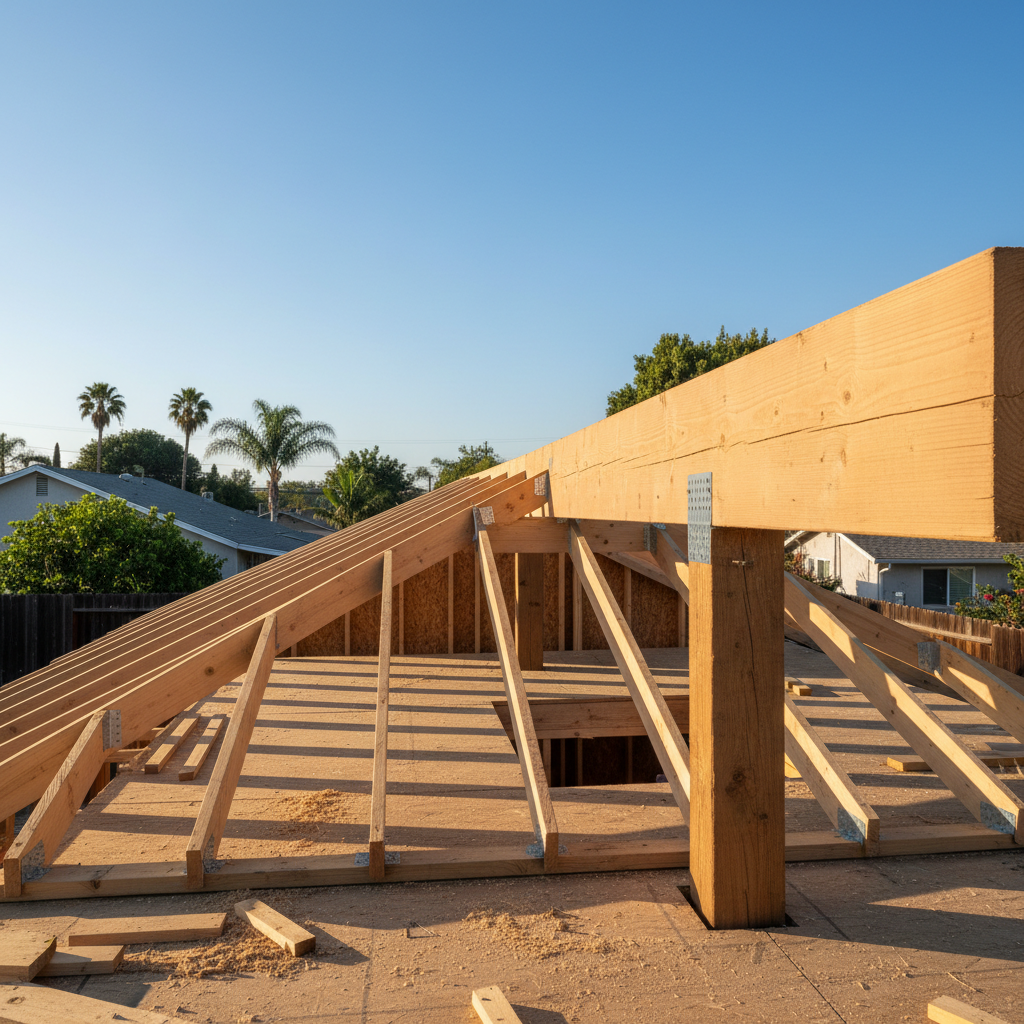
| Development Flexibility | Generally involves new construction or substantial modification of an existing structure to create two distinct primary units. | Can be new construction (detached/attached), garage conversion, basement conversion, or conversion of other existing space. |
| Impact on Property Value | Increases property value by adding a second primary dwelling, potentially creating two rentable units. | Significantly increases property value and rental income potential without fundamentally changing the property's single-family character. |
| Financing Options | Traditional mortgages for multi-family properties; potentially more complex for owner-occupied duplexes. | Easier to finance as part of a single-family property; many lenders offer ADU-specific loans or refinance options. |
| Purpose/Intended Use | Often built for rental income from two primary units or for two unrelated households. | Flexible: rental income, multi-generational living, home office, guest house, caregiver housing. |
| Parking Requirements | Subject to local zoning, often requiring more parking spaces per unit. | State law exempts ADUs from parking requirements in many cases (e.g., within half-mile of public transit). |
Why the Distinction Matters: Legal, Financial, and Practical Implications
The differences between a duplex and an ADU are not merely semantic; they carry significant legal, financial, and practical implications for California property owners:
- Regulatory Hurdles: ADUs benefit from a state-mandated ministerial approval process, meaning if your project meets objective standards, it must be approved. Duplexes, even under SB 9, can still face more discretionary review at the local level or require a lot split, adding complexity and time.
- Financing: Lenders often view ADUs as an enhancement to an existing single-family property, simplifying financing. Duplexes, especially if purpose-built as multi-family, might fall under different lending criteria.
- Taxation: While property taxes will increase with either addition, the assessment method might vary slightly based on how the county classifies the new units. An ADU is typically an improvement to the primary residence, whereas a duplex creates two distinct primary units.
- Rental Income & Use: Both offer rental income potential. However, an ADU provides flexibility for family use without requiring a full multi-family classification for the property.
- Resale Value: Both can boost property value, but an ADU enhances a single-family home, while a duplex fundamentally changes the property's classification to multi-family.
Choosing Your Path: Duplex or ADU for Your California Property?
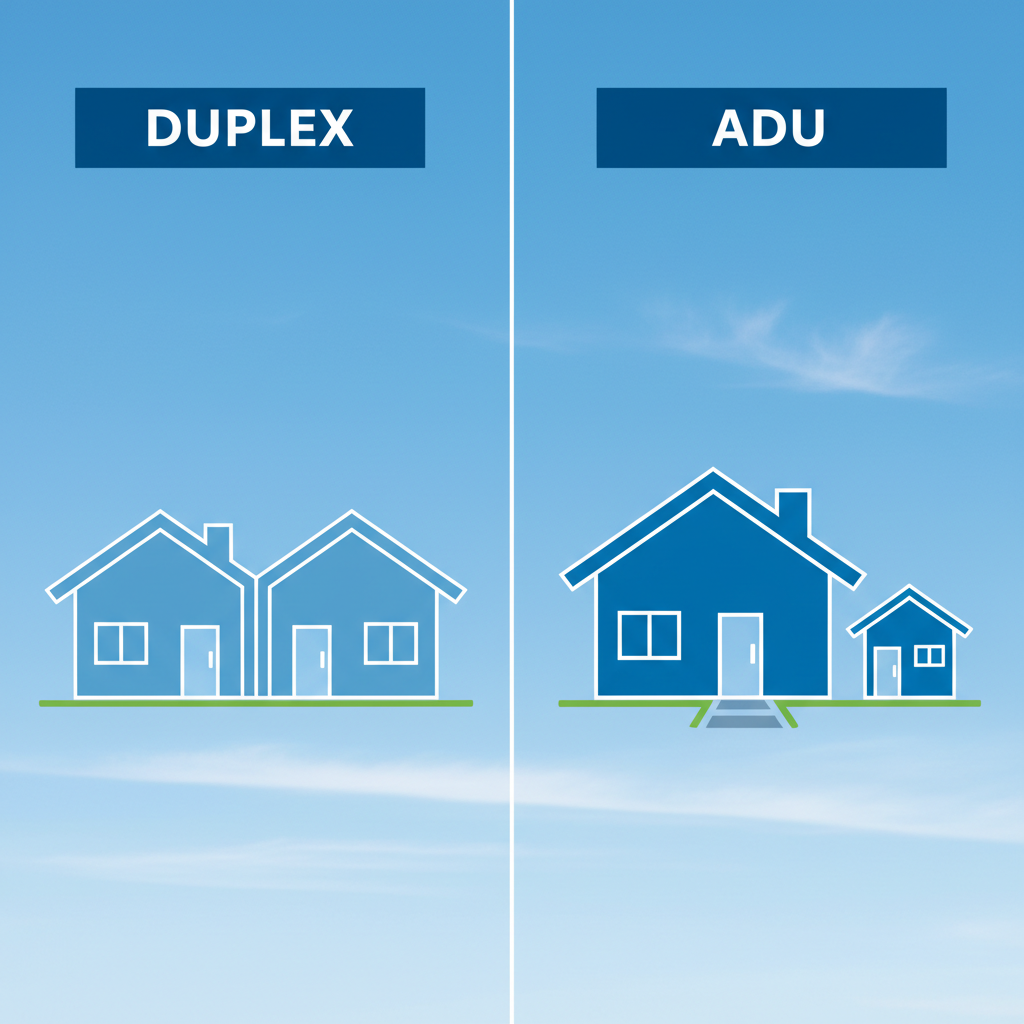
Deciding between building a duplex or an ADU depends heavily on your specific goals, property characteristics, and local zoning. Here are some considerations:
- If your goal is maximum rental income and you're in a multi-family zone or can utilize SB 9 for a lot split: A duplex might be an attractive option, allowing for two independent primary rental streams.
- If you want to add living space for family, create rental income, or boost property value with less regulatory hassle on a single-family lot: An ADU is almost certainly the easier and more straightforward path in California due to state-level mandates.
- If you want to convert an existing structure like a garage: An ADU is the designated path for this type of conversion. Converting a garage into a duplex unit is generally not feasible under current laws without tearing it down and rebuilding under specific duplex zoning.
Navigating the intricacies of California's housing regulations can be daunting. From understanding local zoning to securing permits and managing construction, it's a complex process. That's where expert guidance becomes invaluable. For personalized advice on whether an ADU is the right fit for your property goals, get your free project estimate from GatherADU.
Conclusion: Making an Informed Decision for Your California Property
While both duplexes and ADUs offer compelling ways to expand housing options and increase property value in California, they are fundamentally different. A duplex features two primary dwelling units, often subject to more traditional multi-family zoning, while an ADU is a secondary, accessory unit that benefits from vastly streamlined state-level permitting. For most California homeowners looking to add flexible living space, generate rental income, or house family members, the ADU pathway presents a more accessible and less complex route.
By understanding these distinctions, you can make a strategic decision that aligns with your property, financial goals, and the unique regulatory environment of California. Ready to explore the potential of an ADU for your home? GatherADU is California's trusted expert in ADU design and construction, ready to guide you through every step of the process. Book your free ADU consultation today and take the first step towards realizing your property's full potential.