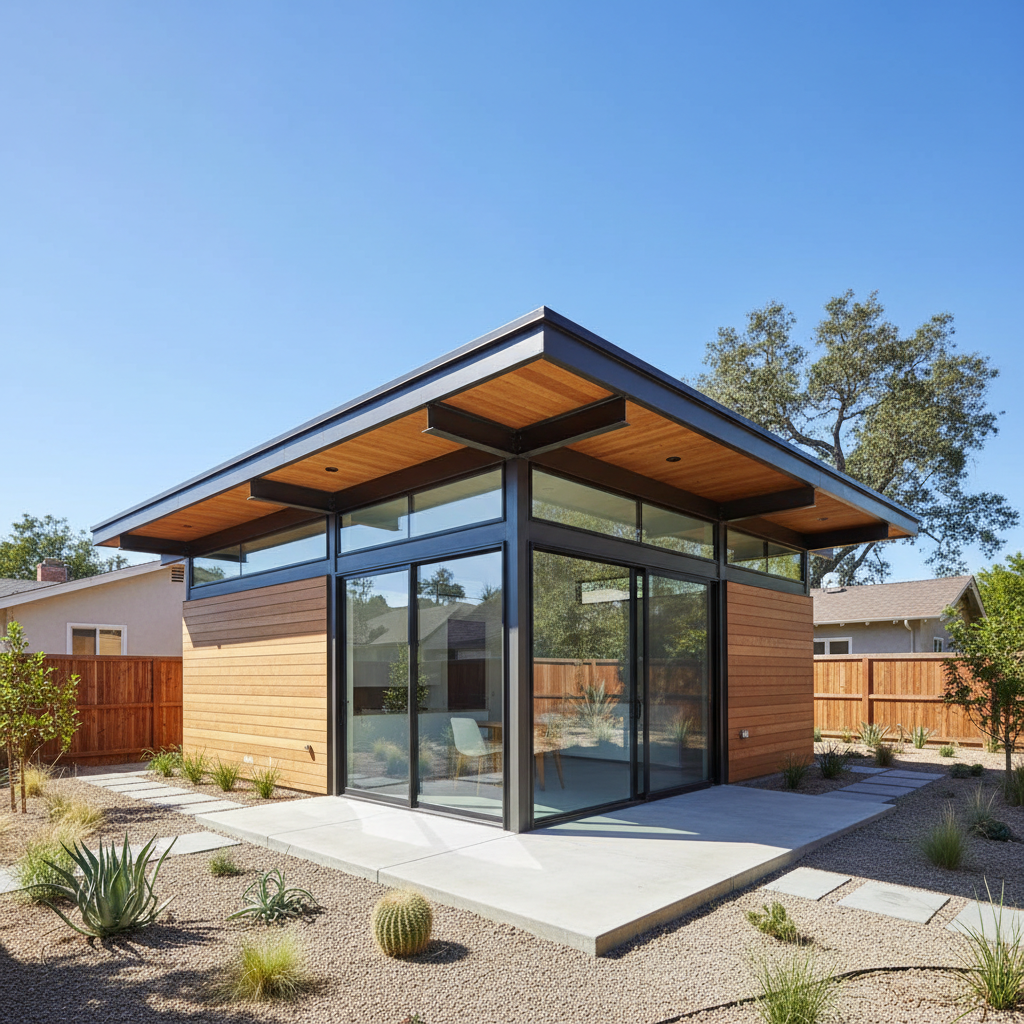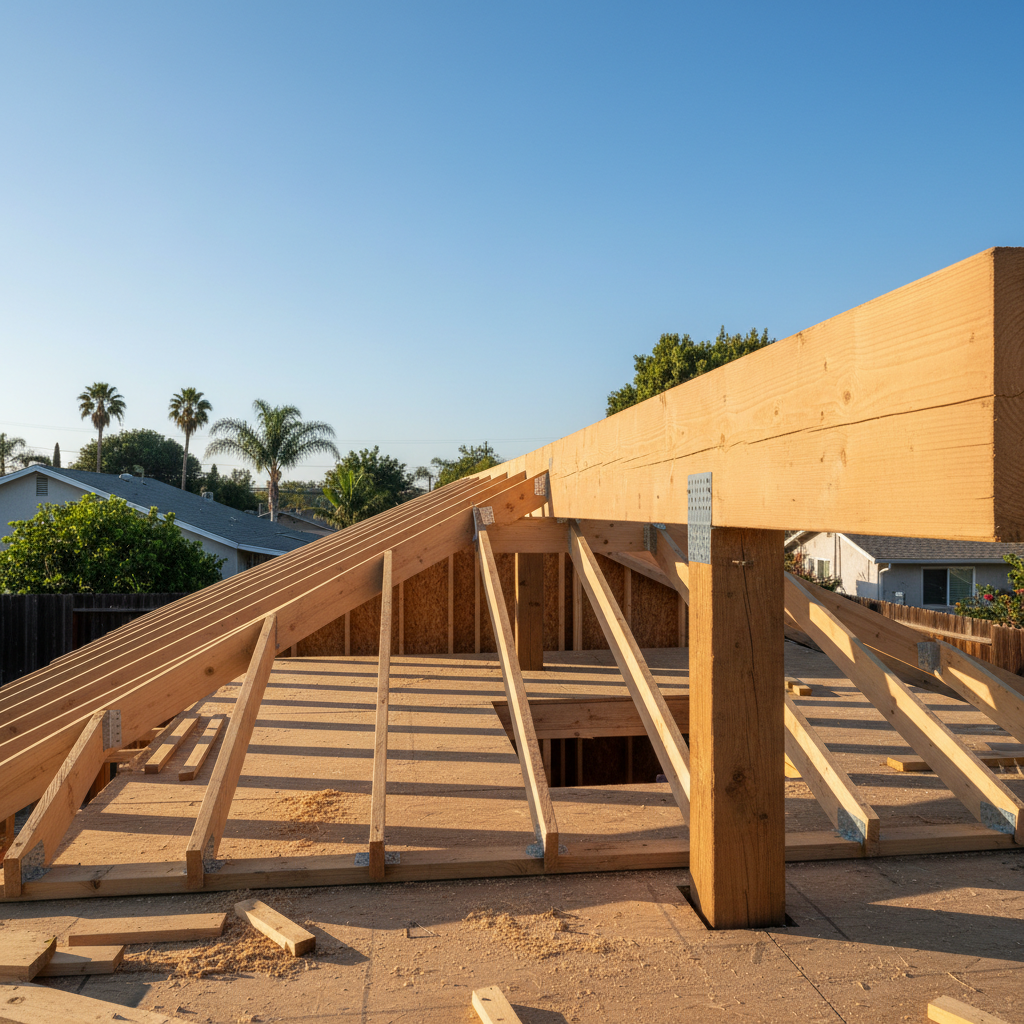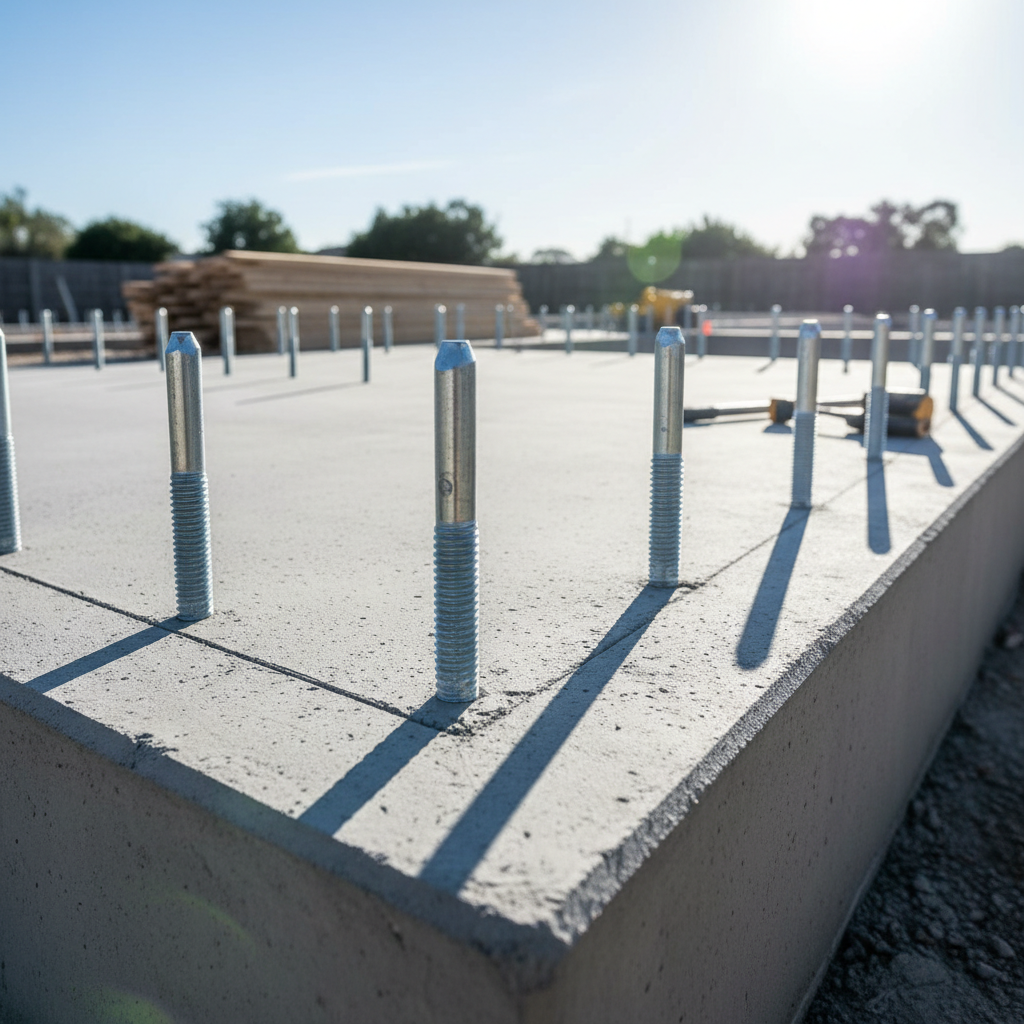
A photo of your ADU build can answer a simple question—where was this taken?—or create several new ones. A close-up without a location may be difficult to interpret. A polished progress picture may hide the condition someone needs to discuss. A folder full of images is not automatically a useful construction record.
This guide is for homeowners who want photographs that support clear conversations with their ADU team. It explains how to agree on access, capture context, describe uncertainty, and share a useful selection without exposing private information. It is not an inspection checklist or a substitute for professional observations, permits, or required inspections.
Start by agreeing on access and the purpose of the pictures
Before arranging photography, ask the person responsible for site access how visits and photographs should be coordinated. Explain whether you want a general progress update, a record of a particular selection, or context for an unanswered question. Ask who should provide pictures when an area is not available to you. A provider-supplied image, clearly identified as such, is preferable to entering an area you cannot safely access.
Do not assume ownership of the property gives you a safe route through active work. OSHA describes construction as a high-hazard industry, including risks from falls, equipment, electricity, and other exposures. Its construction resources are aimed at workers and employers; they do not authorize a homeowner site visit. Follow the project's access arrangements and do not cross barriers, enter excavations, climb for a better view, open equipment, or interrupt active work to get a photograph.
Agree how people and neighboring property will be treated in images. Ask before photographing workers or occupied areas, and avoid including people when they are not needed to explain the question. A permission discussion is a practical project arrangement, not a determination of anyone's legal photography rights.
Capture a place before capturing a detail
A useful sequence usually begins with enough context for the recipient to locate the subject. From an agreed, safely accessible position, take a room or area view, then a closer view of the item you are discussing. Keep a recognizable feature in the sequence so the detail is not disconnected from its surroundings. If safe access or visibility is limited, say so rather than trying to fill the gap physically.
Use ordinary descriptions that another person can follow: the kitchen wall beside the exterior door, the cabinet opening shown on a particular drawing, or the visible finish label on the supplied packaging. If a plan uses room names, use those names consistently. Do not invent dimensions from the image or suggest that camera perspective establishes a measurement.
When referring to a drawing, identify the sheet and revision you actually used and ask the responsible person to confirm whether it is current. A photograph annotated against an old layout can send a reviewer to the wrong place. Record a missing reference as an open question instead of guessing.
Write captions that separate facts from interpretation
A caption should help the recipient understand why the image was sent. Include the observation date, location, photographer or supplied-by reference, relevant document reference, and the question you want answered. If the capture date is uncertain, record that uncertainty. An upload date should not silently become the date the work was photographed.
Describe what is visible without deciding why it happened. “The visible finish code differs from the code in the selection note I have” is more useful than “the wrong product was installed.” The first description invites someone to identify the applicable revision. The second may assume facts that have not been checked.
For example, an entirely illustrative photo sequence might show a cabinet area, a safely visible label, and a copy of the relevant selection reference. The accompanying question could be: “Which documented selection applies here, and is a later revision available?” This is not a finding about a real project or an instruction to inspect concealed work.
Know what a construction photograph cannot establish
An image records a view under particular conditions. It may omit adjacent work, scale, the installation sequence, a label, or a detail behind another surface. It cannot by itself establish what was installed outside the frame or what happened before or after capture. More photographs do not automatically resolve those limits.
Do not treat pictures of concealed work as clearance to drill, cut, excavate, or alter a system later. A photograph is not a verified utility-location record or permission to perform work. Have the appropriate qualified professional or provider resolve those questions through the applicable process.
Similarly, homeowner pictures do not replace a professional construction observation report or a building department's inspection record. If you need an assessment rather than visual context, ask who is responsible for that assessment and what information they need. GatherADU's existing construction observation report guide explains that related professional-documentation topic.
Keep originals separate from working copies
Retain the original image you received or captured. If you add an arrow, crop a detail, or redact private information for sharing, label that version as an annotated, cropped, or redacted copy. Keep the relationship between the two understandable. Do not overwrite the original while trying to make a cleaner presentation.
Use recognizable folder names and consistent references rather than relying on a messaging app's order. A simple arrangement might separate images by observation date and area, with a short note identifying the related question. There is no need to build an elaborate tracking system if it makes the photographs harder to find.
If a later image shows a changed condition, keep both dates and explain what is different. Preserve the earlier written question and the actual response. A new picture should supplement the discussion, not silently replace the history. This guide does not prescribe a legal retention period or determine whether a particular image will be accepted as evidence.
Share the question, not your entire camera roll
Select the smallest useful set for the intended recipient. Send the context image, the relevant detail, and the question together. Avoid a large uncaptioned album that leaves the recipient to guess which photograph matters. Ask what additional view or document would help before arranging more photography.
Review both visible content and sharing settings. Images can expose private paperwork, faces, screens, access information, vehicle plates, or neighboring interiors. Keep owner contracts, account information, passwords, and security codes outside the shared photo packet. Redact a working copy when necessary while preserving the private original separately.
Location information also deserves attention. Google's official Photos guidance explains its own location-sharing controls and warns that people may infer a location from visible landmarks even when location information is not included. That is guidance for Google Photos, not a promise about every app. Check the current guidance for the service you use and the actual recipients and link permissions before sharing. Removing location metadata does not make an image anonymous.
Connect photographs to a clear next conversation
For a routine question, identify the recipient and ask for a response that addresses the image and the applicable reference. Keep that response with the picture rather than replacing it with your interpretation. If another person must assess the issue, record the referral so the question does not disappear between conversations.
When a concern becomes a punch-list item, connect the selected photographs to that item's existing reference instead of starting a disconnected second list. The ADU punch-list guide includes a separate item-resolution workflow. A photograph alone does not decide correction responsibilities, warranty coverage, acceptance, or payment rights.
For a significant contractor dispute, consult the appropriate official guidance and qualified advice rather than assuming a shared album is sufficient notice. CSLB's publication on problems with a home-improvement contractor recommends written communication, retained copies, and photographs in the circumstances it describes. It is not a promise that photographs will resolve a dispute or recover money. Urgent safety concerns should follow relevant utility or emergency guidance, not wait for an ordinary photo-review exchange.
Carry useful context into handover
Near handover, identify the photographs that remain useful for a specific question or documented change. Keep them connected to their dates, locations, related documents, and responses. Separate unresolved questions from general progress memories, and identify any missing information without calling the record complete.
Ask which images the recipient actually needs. An occupant may need a concise operating reference rather than construction photographs containing private information. A service provider may need the relevant equipment reference and an explanation of the concern. The ADU closeout guide covers the distinct task of organizing manuals and provider-led orientation.
The goal is not the largest album. It is a small, understandable visual record that helps the right person answer the right question while preserving uncertainty, privacy, and the role of professional review.
Sources and scope
Sources checked November 6, 2026:
- OSHA construction industry overview: construction hazards and the audience for its worker/employer resources, not homeowner access authorization.
- CSLB: Unhappy With Your Contractor on a Home Improvement Project?: written concerns, retained communications, and photographs in its stated dispute context.
- Google Photos location-data guidance: product-specific location-sharing controls and the limits of hiding location information.
This is an optional homeowner communication method, not a compliance certificate, inspection procedure, legal notice template, or determination of contract or warranty rights. Ask your project team and relevant qualified professionals which records and processes apply to your property.