When planning your Accessory Dwelling Unit (ADU) in California, many aspects demand careful consideration – from design and financing to permits and construction. Among the most critical, yet often underestimated, is ADU plumbing. Ensuring proper water supply, wastewater drainage, and gas lines (if applicable) is foundational to a functional and comfortable backyard home. Without a robust plumbing system, your ADU is just a shell.
This comprehensive guide from GatherADU will demystify the complexities of ADU water and sewer connections, helping you understand what's involved, the decisions you'll face, and how to navigate the process effectively. We'll cover everything from shared vs. dedicated lines to permitting and cost implications, ensuring you're well-informed for your ADU journey.
The Foundation of Comfort: Why ADU Plumbing Matters So Much
Think about the daily necessities in any home: flushing toilets, taking showers, washing dishes, and drinking clean water. All these activities rely on a well-designed and properly installed plumbing system. For an ADU, this means extending or establishing new connections to existing utility infrastructure.
The challenge with ADU plumbing often lies in connecting a new dwelling to an established property's utilities. This isn't just about running a few pipes; it involves understanding local codes, assessing existing capacity, and potentially upgrading systems to accommodate the additional load. Getting it right from the start prevents costly issues down the line, such as low water pressure, slow drainage, or even sewage backups.
Understanding ADU Water Connections
Connecting your ADU to a potable water supply is the first step. You generally have two primary options:
1. Shared Water Line (Sub-metered)
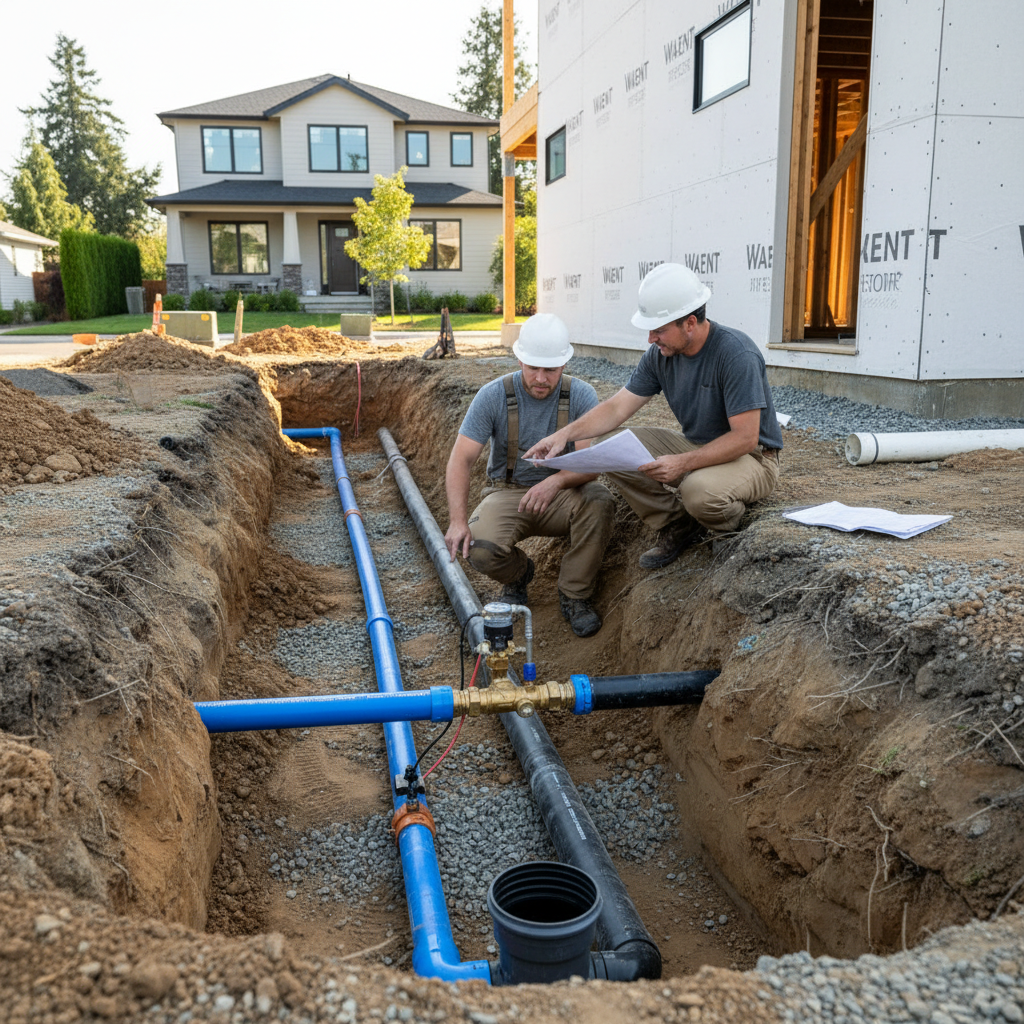
This is often the most common and cost-effective approach. Your ADU connects to the main water line of your primary residence, sharing the existing meter. While simpler, there are nuances:
- Sub-metering: Even if sharing a main meter, you might want to install a sub-meter for the ADU. This allows you to track water consumption separately, which is crucial if you plan to rent out your ADU and charge for utilities, or simply to monitor usage.
- Capacity Assessment: An expert plumber will need to assess if your existing main line and water heater can adequately supply both the main house and the ADU without compromising water pressure or hot water availability. Upgrades to larger pipes or a separate water heater for the ADU might be necessary.
- Permitting: Even shared connections require permits and inspections to ensure compliance with health and safety codes.
2. Dedicated Water Line (New Meter)
In some cases, or by homeowner preference, a completely separate water line and meter can be installed for the ADU. This creates an independent utility account for the ADU.
- Pros: Full independence for billing, no impact on main house water pressure, potential for separate utility provider incentives.
- Cons: Significantly higher upfront cost due to new meter installation, trenching for a separate line, and associated connection fees from the water utility.
- Permitting & Utility Coordination: This option involves more extensive coordination with your local water district and a more complex permitting process.
Navigating ADU Sewer and Wastewater Connections
Properly managing wastewater is equally critical for health and sanitation. Similar to water, you typically have options for sewer connections:
1. Shared Sewer Line
Connecting your ADU to the existing main sewer line of your primary residence is a common solution.
- Gravity Flow: Ideally, the ADU's wastewater drains naturally via gravity into the main sewer line and then to the public sewer system. This requires a sufficient slope from the ADU to the connection point.
- Sewer Pump (Grinder Pump/Lift Station): If the ADU is located at a lower elevation than the main sewer line, or if the distance makes gravity flow unfeasible, a sewer pump system may be required. This pump grinds solids and pushes wastewater uphill or over longer distances to connect to the main sewer. While effective, it adds complexity, maintenance, and cost.
- Capacity Assessment: The existing main sewer line must have adequate capacity to handle the additional wastewater load from the ADU without causing backups or overflows. This is a critical assessment.
2. Dedicated Sewer Line
Less common due to cost and complexity, a dedicated sewer line involves connecting the ADU directly to the public sewer main in the street, independent of the main house's connection.
- Pros: Complete independence, no impact on the main house's sewer system.
- Cons: Very high cost due to extensive trenching (often across the yard and into the street), street cutting permits, and significant connection fees from the sanitation district.
3. Septic Systems (Less Common for CA ADUs)
While rare for ADUs in most urban and suburban California areas served by municipal sewers, properties in rural or unsewered areas might rely on a septic system. If your main house uses a septic system, your ADU may need to connect to it or have its own separate system.
- Capacity & Permitting: Connecting to an existing septic system requires a thorough evaluation by a qualified professional to ensure the system can handle the increased load. A new septic system for an ADU is a complex, costly, and highly regulated undertaking.
If you're ready to explore the plumbing possibilities for your ADU project, don't hesitate to connect with a GatherADU expert today.

Critical Factors Influencing Your ADU Plumbing Project
Beyond the connection type, several factors will dictate the scope, cost, and feasibility of your ADU plumbing:
1. Local Codes and Permits
This is arguably the most important factor in California. Every city and county has specific building codes, plumbing codes, and permitting requirements for ADUs. These dictate everything from pipe materials and sizes to distances from property lines and septic tank regulations. GatherADU's expertise includes navigating these local regulations to ensure your project is compliant.
2. Site Assessment and Feasibility
Before any digging begins, a thorough site assessment is crucial. This involves:
- Locating Existing Utilities: Identifying the exact location of your main water, sewer, gas, and electrical lines.
- Elevation Changes: Determining if gravity flow for sewer is possible or if a pump system is needed.
- Soil Conditions: Understanding soil composition can impact trenching costs and methods.
- Obstructions: Identifying trees, landscaping, or other structures that might impede trenching.
3. Pipe Sizing and Capacity
The pipes connecting your ADU must be appropriately sized to handle the expected water flow and wastewater volume. Undersized pipes can lead to low water pressure, slow drains, and recurring clogs. This is especially critical when sharing existing lines.
4. Water Pressure and Flow Requirements
Your ADU needs adequate water pressure for showers, faucets, and appliances. If connecting to a shared line, the existing system's pressure might be reduced by the additional fixture load. Sometimes, a booster pump might be considered, though less common for typical ADU scenarios.
5. Drainage and Slope
For gravity-fed sewer systems, maintaining a consistent downward slope from the ADU to the main sewer line is essential for efficient drainage. Any 'belly' or insufficient slope in the pipe can lead to blockages and standing water.
6. Cost Implications
ADU plumbing costs can vary widely depending on the chosen connection method, site conditions, distance from main utilities, and the need for pumps or upgrades. Key cost drivers include:
- Trenching: The labor and equipment required to dig and backfill trenches for new lines.
- Materials: Pipes, fittings, insulation, and any required pumps or sub-meters.
- Labor: Skilled plumbers are essential for proper installation and code compliance.
- Permits and Fees: Application fees, inspection fees, and potential utility connection fees.
- Restoration: Repairing landscaping, driveways, or concrete disturbed during trenching.
7. Future-Proofing Your ADU
Consider not just current needs but also potential future uses. If you plan to rent out the ADU, separate metering for utilities can simplify billing. If you envision an electric vehicle charger or additional appliances, ensure your utility connections have the capacity to expand.
To ensure your ADU's plumbing system is designed correctly from the start, consider a consultation with experienced professionals. Schedule your free ADU project assessment to discuss your specific needs.
The Permitting Process: A Necessary Step
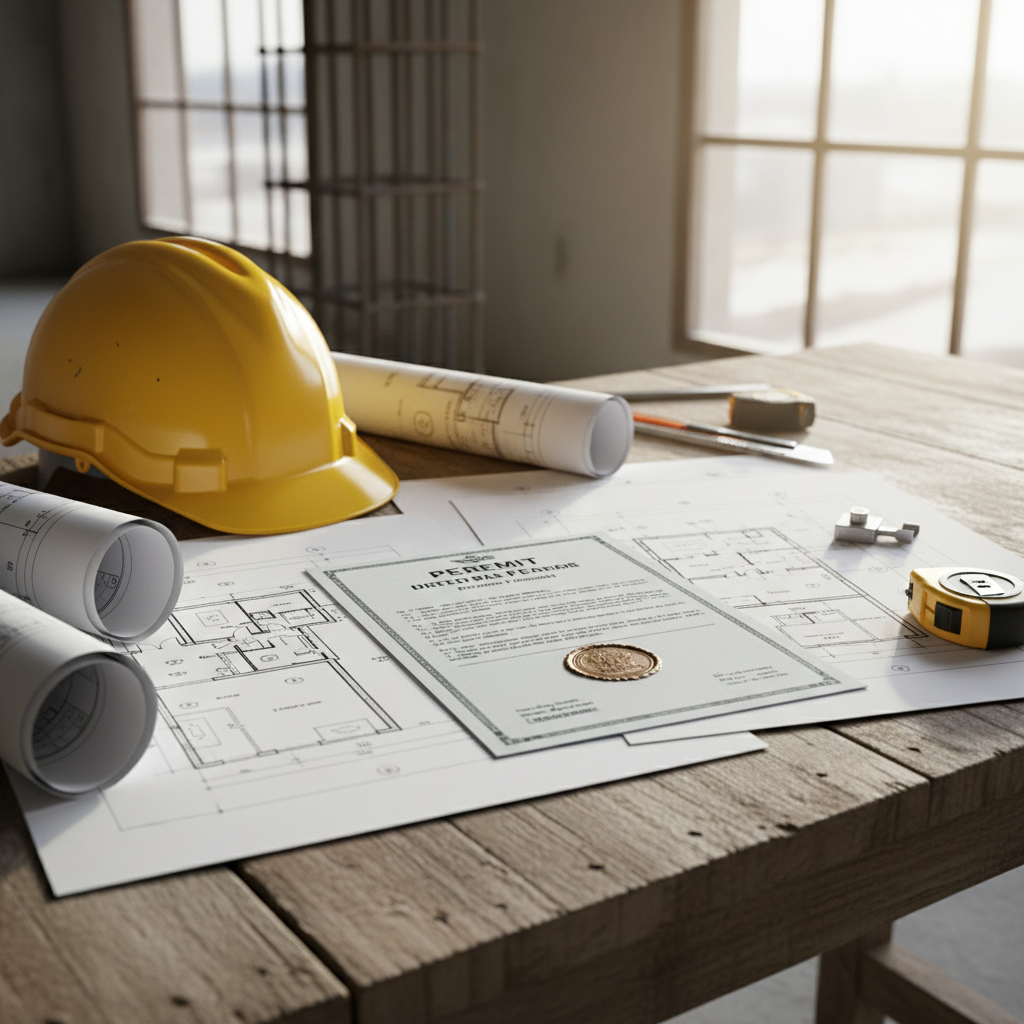
Regardless of how simple or complex your ADU plumbing connections are, securing the necessary permits from your local building department is non-negotiable. This process typically involves submitting detailed plans, undergoing inspections at various stages (e.g., rough-in, final), and ensuring all work complies with the California Plumbing Code and local amendments. Working with a knowledgeable ADU builder like GatherADU streamlines this process significantly.
 Why Professional Expertise is Non-Negotiable
Given the intricacies and potential pitfalls of ADU plumbing, engaging experienced professionals is paramount. At GatherADU, we understand the nuances of California's ADU regulations and the critical role proper plumbing plays in your project's success. Our team works with licensed plumbers to:
- Conduct thorough site assessments to determine the most efficient and compliant connection methods.
- Design plumbing systems that meet all local codes and your specific needs.
- Obtain all necessary permits and navigate utility coordination.
- Ensure high-quality installation that provides reliable service for years to come.
- Manage the entire process, from initial design to final inspection, providing peace of mind.
Conclusion
ADU plumbing is far more than just pipes and water; it's the lifeline of your new backyard home. Understanding the options for water and sewer connections, anticipating potential challenges, and prioritizing professional expertise are key to a successful, compliant, and comfortable ADU. While the details can seem daunting, with the right guidance, you can ensure your ADU's plumbing system is robust, efficient, and built to last.
Ready to build your dream backyard home without the plumbing headaches? Book your free ADU consultation with GatherADU and let our experts guide you every step of the way.